
Grow Smarter: Pest-Resistant Vegetable Varieties for a Healthier Harvest
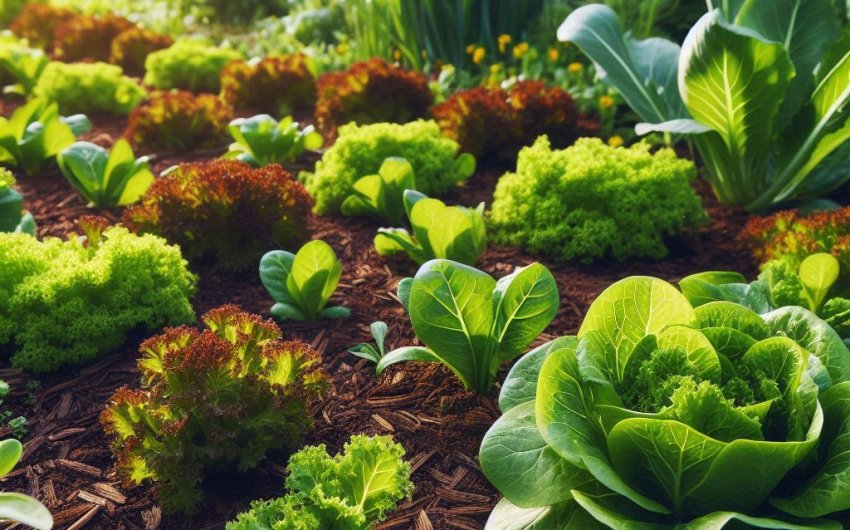
Every gardener dreams of a bountiful harvest, free from the ravages of hungry insects. While vigilance and good garden practices are essential, one of the most effective strategies for a healthier, less troubled plot begins before you even sow a single seed: choosing pest-resistant vegetable varieties. These specialized plant selections offer built-in defenses, transforming your gardening experience by reducing the constant battle against common garden nuisances and leading to a more satisfying yield.
Why Choose Pest-Resistant Vegetable Varieties?
Opting for pest-resistant vegetable varieties is a proactive and sustainable approach to gardening that offers numerous advantages beyond simply avoiding insect damage. It represents a shift from reacting to pest problems to preventing them from the start, making your gardening efforts more enjoyable and effective.
Do Pest-Resistant Varieties Reduce Pesticide Use?
Absolutely! One of the most significant benefits of choosing pest-resistant vegetable varieties is their direct impact on reducing pesticide use. When plants naturally resist common garden pests, there's far less need to resort to chemical sprays, whether synthetic or organic.
Think about it: if a specific tomato variety is less appealing to tomato hornworms, or a bean variety has built-in resistance to aphids, you won't find yourself reaching for insecticides as often. This is beneficial for several reasons:
- Healthier for You and Your Family: Less pesticide residue on the food you eat.
- Healthier for the Environment: Reduces chemical runoff into waterways and minimizes harm to beneficial insects (like bees, ladybugs, and predatory wasps) that you want in your garden.
- Cost Savings: You'll spend less money on pest control products.
- Less Labor: Fewer hours spent scouting for pests and applying treatments.
By selecting pest-resistant vegetable varieties, you're essentially letting the plant do the work of defense, allowing you to cultivate a more natural, balanced, and truly organic garden environment. This is a cornerstone of sustainable gardening.
How Do Resistant Varieties Improve Yields?
Pest-resistant vegetable varieties inherently lead to improved yields by protecting the plant's ability to grow, flower, and produce fruit. When a plant isn't constantly battling insect attacks, it can dedicate its energy to what it does best: growing vigorously and producing an abundant harvest.
Consider the impact of pest damage:
- Leaf Damage: Pests like cabbage worms or flea beetles chew holes in leaves, reducing the plant's surface area for photosynthesis (the process of converting sunlight into energy). Less energy means less growth and smaller fruits.
- Sap-Sucking: Pests like aphids and whiteflies literally suck the life out of plants, weakening them, stunting growth, and causing leaves to curl or yellow. This directly impacts fruit development.
- Root Damage: Some pests, like root maggots or nematodes, attack the roots, crippling the plant's ability to absorb water and nutrients from the soil.
- Disease Transmission: Many pests (e.g., aphids, cucumber beetles) act as vectors, spreading plant diseases from one plant to another. A disease-resistant variety is often also more robust against diseases transmitted by pests.
When a plant has built-in resistance, it experiences less of this stress and damage. It can maintain healthy foliage, develop a strong root system, and allocate its full resources to producing larger, healthier, and more numerous fruits or vegetables. This directly translates to a more productive garden and a more satisfying yield. Looking for high-yield pest-resistant seeds is a smart choice.
Do Resistant Varieties Offer More Resilience?
Yes, pest-resistant vegetable varieties contribute significantly to a garden's overall resilience. A resilient garden is one that can bounce back from challenges, adapt to changing conditions, and maintain its productivity even when faced with environmental stressors.
Plants that are constantly under attack from pests are inherently stressed. This stress makes them weaker and more susceptible to other issues, such as:
- Drought: A pest-damaged plant often has a compromised root system or reduced leaf surface area, making it less able to withstand dry spells.
- Heat Stress: Weakened plants struggle more in extreme heat.
- Nutrient Deficiencies: Pest damage can interfere with a plant's ability to absorb and utilize nutrients, even if they are present in the soil.
- Secondary Infections: Open wounds from chewing pests can become entry points for bacterial or fungal diseases.
By choosing pest-resistant vegetable varieties, you're selecting plants that are naturally tougher and better equipped to handle multiple stressors. They don't have to divert precious energy to fighting off pests, allowing them to focus on maintaining optimal health. This results in plants that are more robust, vigorous, and better able to recover from environmental challenges, making your entire garden more stable and productive in the face of unexpected difficulties. Building resilience into your garden from the ground up is a core benefit of choosing these specialized varieties.
How Do Vegetables Develop Pest Resistance?
The ability of pest-resistant vegetable varieties to withstand insect attacks isn't magic; it's the result of natural adaptations that have been enhanced through careful breeding. Understanding these built-in defenses helps gardeners appreciate the science behind these resilient plants.
What are Physical Defenses in Plants?
Many pest-resistant vegetable varieties employ clever physical defenses to deter insects. These are structural features of the plant that make it difficult or unpleasant for pests to feed, lay eggs, or even move around.
- Hairy Leaves and Stems (Trichomes): Some plants have tiny hairs (called trichomes) on their leaves and stems. These can physically impede small insects like aphids or spider mites from settling and feeding. The hairs can also make it difficult for larger insects to lay eggs. For example, some squash varieties have notably hairy stems that deter squash vine borers. Look for hairy leaf vegetable seeds.
- Thicker Waxy Cuticles: The outer layer of a plant's leaf is called the cuticle. Some varieties have a thicker, waxy cuticle that makes it harder for insects to pierce and suck sap, or for chewing insects to get a good grip.
- Tougher Tissues: Certain varieties develop tougher stems or thicker leaves that are simply harder for pests to chew through.
- Silica Deposits: Some plants (especially grasses, but also some vegetables) accumulate silica in their cell walls, making their tissues harder and more abrasive for chewing insects.
- Altered Plant Architecture: Sometimes, the way a plant grows (e.g., very compact, or very tall) can make it less accessible or appealing to certain pests for feeding or egg-laying.
These physical traits are inherited and can make a big difference in reducing pest pressure on your pest-resistant vegetable varieties.
What are Chemical Defenses in Plants?
Beyond physical barriers, many pest-resistant vegetable varieties possess sophisticated chemical defenses. These are natural compounds produced by the plant that are unpalatable, toxic, or deterrent to insects, or that attract beneficial insects that prey on pests.
- Repellents: Some plants produce volatile compounds that have a strong smell or taste that insects find offensive, causing them to avoid the plant. For instance, certain basil varieties might have nuances in their scent that are less attractive to specific pests.
- Toxins: The plant produces compounds that are outright poisonous to insects if ingested. An example is the Bt toxin produced by certain corn varieties that are genetically modified for resistance to corn earworm (though most home gardeners will use non-GMO options, which can still have natural levels of resistance).
- Digestive Inhibitors: Some plants produce chemicals that interfere with an insect's ability to digest the plant material, making it less nutritious and discouraging further feeding.
- Growth Disruptors: Certain compounds can interfere with an insect's growth and development, preventing them from maturing or reproducing effectively.
- Attracting Beneficial Insects: Some pest-resistant vegetable varieties release specific volatile chemicals when attacked, which acts as a signal to attract natural predators or parasitic insects that feed on the attacking pest. This is a brilliant natural alarm system.
These natural chemical compounds are often why some pest-resistant vegetable varieties might have a slightly different flavor profile compared to their non-resistant counterparts, though breeders strive to maintain good taste. When seeking naturally pest-repelling seeds, you're often looking for these chemical traits.
How Does Selective Breeding Create Resistant Varieties?
The development of pest-resistant vegetable varieties relies heavily on selective breeding, a time-honored practice in agriculture that has been used for millennia. This is not genetic modification (GMOs), but rather a natural process guided by human observation and selection.
Here's how selective breeding works:
- Observation: Breeders observe thousands of individual plants of a particular vegetable species. They look for any plants that naturally show less pest damage compared to their neighbors, even under heavy pest pressure.
- Selection: The seeds from these naturally more resistant plants are carefully collected.
- Cross-Pollination: These "resistant" plants are then intentionally cross-pollinated with other desirable varieties (e.g., a high-yielding, good-tasting variety) to combine the desired traits.
- Testing and Evaluation: The offspring from these crosses are grown out, and their resistance (and other traits like flavor, yield, growth habit) is rigorously tested over several generations. This often involves exposing them to high pest populations to see which ones consistently perform well.
- Refinement: The process is repeated, continually selecting the best-performing plants from each generation, until a stable, highly resistant new variety is developed that also meets other gardener expectations (taste, yield, etc.).
This process takes many years, sometimes decades, but it results in stable, resilient pest-resistant vegetable varieties that are non-GMO and can be grown by any gardener. When you buy seeds labeled as "resistant" or "tolerant" to specific pests or diseases, you're benefiting from this extensive selective breeding work. Seeds from reputable seed companies will often indicate their resistance traits.
Which Vegetable Varieties Are Known for Pest Resistance?
Knowing the science is one thing, but knowing which specific pest-resistant vegetable varieties to look for when you're buying seeds or starts is what truly empowers your gardening. Here's a rundown of popular vegetables with known resistances.
What are Some Pest-Resistant Tomato Varieties?
Tomatoes are a staple in many gardens, but they are also notoriously susceptible to a range of pests and diseases. Fortunately, breeders have developed several pest-resistant tomato varieties that can make growing these popular fruits much easier.
Key resistances in tomatoes often target:
- Nematodes: Microscopic roundworms that attack roots, causing stunted growth and poor yields.
- Fusarium Wilt & Verticillium Wilt: Fungal diseases that cause wilting and yellowing. While not pests, they are a common problem.
- Tomato Spotted Wilt Virus (TSWV): A virus transmitted by thrips.
Look for tomato varieties with "V," "F," "N," or "TSWV" codes after their name, indicating resistance.
- 'Celebrity': A widely popular determinate hybrid known for its resistance to Verticillium wilt (V), Fusarium wilt (F1, F2), and Nematodes (N). It's also a high-yielding and adaptable variety. Consider trying Celebrity tomato seeds.
- 'Big Beef': Another excellent hybrid indeterminate variety offering resistance to Verticillium wilt (V), Fusarium wilt (F1, F2), and Nematodes (N). Produces large, flavorful fruits. You can find Big Beef tomato seeds.
- 'Mountain Magic': Known for strong resistance to early blight and late blight (common fungal diseases that weaken plants and reduce yields), as well as Fusarium and Verticillium. Great for areas with high humidity.
- 'Defiant PHR': Another blight-resistant option that stands up well to disease pressure.
When selecting pest-resistant tomato varieties, check the specific resistances listed by the seed company to ensure they target the problems common in your area.
Which Bean Varieties Resist Pests?
Beans are generally easy to grow, but they can fall victim to bean beetles, aphids, and certain diseases. Selecting pest-resistant bean varieties can help ensure a healthier, more productive harvest.
Key resistances in beans often target:
- Bean Mosaic Virus: A common virus that causes distorted leaves and stunted growth.
- Aphids: Small sap-sucking insects that can congregate on bean plants.
- Common Bean Blight: A bacterial disease causing spots on leaves and pods.
- Mexican Bean Beetle: These beetles skeletonize leaves, leaving behind lacy remnants.
Look for varieties known for specific disease resistances, as disease-resistant plants are generally more vigorous and less appealing to many pests.
- 'Provider' Bush Bean: A popular early-maturing bush bean known for its disease resistance, including bean mosaic virus. It's a reliable producer even in cooler soils. Try growing Provider bush bean seeds.
- 'Kentucky Blue' Pole Bean: This pole bean offers good disease resistance and produces abundant, tender pods.
- 'Derby' Bush Bean: An award-winning bush bean with good resistance to various bean diseases.
- 'Contender' Bush Bean: Another early and popular bush variety with mosaic virus resistance.
While direct insect resistance is less common than disease resistance, vigorous and healthy bean plants are naturally more resilient to minor pest issues. Choosing pest-resistant bean varieties helps you grow a healthier crop.
What are Pest-Resistant Squash and Cucumber Varieties?
Squash and cucumbers are notoriously prone to several devastating pests, especially squash bugs, squash vine borers, and cucumber beetles. Selecting pest-resistant squash and cucumber varieties can be a game-changer for growing these beloved vining plants.
Key resistances in squash and cucumbers often target:
- Squash Vine Borer: A caterpillar that tunnels into stems, often killing plants quickly.
- Squash Bug: Sap-sucking insects that can cause leaves to yellow and wilt.
- Cucumber Beetles: These chew on leaves and fruits and can spread bacterial wilt.
Powdery Mildew: A common fungal disease that coats leaves in white powdery spots.
'Spacemiser' Summer Squash: While not explicitly "pest-resistant" in the classic sense, its more compact, bush-like growth habit can make it somewhat less attractive or easier to manage against vine borers compared to sprawling varieties.
- 'Dunja' Cucumber: Known for excellent resistance to powdery mildew, downy mildew, and cucumber mosaic virus (often spread by cucumber beetles). Healthy leaves make for stronger plants. Look for Dunja cucumber seeds.
- 'Little Leaf' Cucumber: Another variety with strong disease resistance, including powdery mildew and cucumber mosaic virus. Its healthy foliage supports better pest tolerance.
- 'Waltham Butternut' Winter Squash: A classic butternut squash known for its reliability and general vigor, which helps it withstand some pest pressure. While no squash is truly borer-proof, vigorous plants tolerate damage better.
- 'Rouge Vif D'Etampes' (Cinderella Pumpkin): Some anecdotal evidence suggests a degree of resistance to squash bugs due to thicker, harder stems.
For these plants, look for varieties described as "vigorous" or "disease-resistant," as plant health is often directly correlated with a plant's ability to withstand pest pressure. Focusing on general health through choosing these pest-resistant squash and cucumber varieties is a good defense.
Which Cabbage and Broccoli Varieties are Pest-Resistant?
Plants in the Brassica family, including cabbage and broccoli, are notorious magnets for pests like cabbage worms (cabbage loopers and imported cabbageworms), aphids, and flea beetles. Selecting pest-resistant cabbage and broccoli varieties can significantly reduce damage.
Key resistances in brassicas often target:
- Cabbage Worms: Caterpillars that chew holes in leaves and heads.
- Aphids: Sap-sucking insects that can cover leaves.
- Flea Beetles: Tiny beetles that chew small "shot holes" in leaves, especially on young plants.
Fusarium Yellows: A fungal disease causing yellowing and wilting.
'Tiara' Cabbage: Known for good resistance to Fusarium yellows and a compact size, which can be easier to manage.
- 'Green Comet' Broccoli: A popular variety praised for its reliability and general vigor, which helps it stand up to pest pressure. While not immune to cabbage worms, a healthy plant is more resilient. You can find Green Comet broccoli seeds.
- 'Gypsy' Broccoli: Offers good resistance to downy mildew and black rot, which keeps plants healthier and less prone to pest infestations.
- 'Savoy Ace' Cabbage: Some Savoy types of cabbage are anecdotally reported to be less favored by cabbage worms due to their crinkly, textured leaves, which may make egg-laying more difficult.
For brassicas, some varieties have been bred to have slightly waxy leaves, which can deter pests by making it harder for them to attach and feed. Look for "waxier" varieties if available. Choosing pest-resistant cabbage and broccoli varieties will significantly reduce the need for row covers or sprays.
How to Integrate Resistant Varieties into Your Garden?
Choosing pest-resistant vegetable varieties is an excellent starting point, but integrating them effectively into your garden involves more than just planting. Combining this strategy with other good gardening practices will create a truly robust and resilient growing environment.
Do I Still Need Good Garden Practices?
Yes, absolutely. While choosing pest-resistant vegetable varieties is a powerful first line of defense, it does not mean you can abandon good garden practices. Resistant varieties are a tool in your arsenal, not a magic bullet. Combining them with sound gardening techniques creates the most robust and healthy garden ecosystem.
Essential Good Garden Practices:
- Healthy Soil: Rich, well-drained soil with plenty of organic matter (like garden compost) promotes strong, healthy plants. Healthy plants are naturally more resilient to pests, even if they aren't specifically resistant varieties.
- Proper Watering: Consistent and appropriate watering strengthens plants. Stressed plants (from over or under-watering) are more susceptible to pest and disease attacks.
- Adequate Sunlight: Most vegetables need full sun (6-8 hours daily) to grow vigorously.
- Crop Rotation: Rotating where you plant different vegetable families each year helps break pest and disease cycles in the soil. Pests that target specific crops won't find their preferred food source in the same spot year after year.
- Weed Control: Weeds compete with your vegetables for water, nutrients, and light. Some weeds can also harbor pests or diseases.
- Companion Planting: Strategically planting certain herbs and flowers (like marigolds or nasturtiums) near your vegetables can deter pests or attract beneficial insects.
- Regular Scouting: Even with resistant varieties, it's wise to regularly inspect your plants for any signs of pest activity. Catching problems early makes them much easier to manage.
Think of pest-resistant vegetable varieties as giving your plants a strong immune system. But even with a strong immune system, good hygiene and a healthy lifestyle are still important. The same applies to your garden.
Can Resistant Varieties Still Get Pests?
Yes, it's important to understand that pest-resistant vegetable varieties can still get pests. The term "resistant" or "tolerant" doesn't mean "immune" or "pest-proof." It means the variety has a built-in ability to withstand, deter, or recover from pest attacks more effectively than a non-resistant variety.
Here's why they might still encounter pests:
- Resistance Levels Vary: Some varieties offer high resistance, while others offer moderate tolerance. It's not always 100% effective.
- Pest Pressure: Under extremely high pest pressure (e.g., a massive infestation of a specific insect), even a resistant variety might show some damage. Its defenses might be overwhelmed.
- New Pests: A variety resistant to common pests in one region might not be resistant to new or emerging pests in another. Also, pest populations can evolve.
- Stress: A plant's resistance can be compromised if it's under other forms of stress (e.g., drought, nutrient deficiency, poor soil). A stressed plant, even a resistant one, is more vulnerable.
- Specific Pests: A variety might be resistant to one type of pest (e.g., nematodes) but still susceptible to another (e.g., aphids). Always check the specific resistances listed on the seed packet.
The goal of using pest-resistant vegetable varieties is to reduce the likelihood and severity of pest problems, not to eliminate them entirely. They are a powerful tool to minimize your efforts and maximize your harvest, but staying vigilant remains part of smart gardening.
How Can I Combine Resistant Varieties with Other Strategies?
To create the most resilient and productive garden, combining pest-resistant vegetable varieties with a diverse array of other pest management strategies is the ultimate approach. This is known as Integrated Pest Management (IPM), a holistic framework for a healthier garden.
- Plant Diversity: Don't just plant resistant varieties of one crop. Mix different types of vegetables, herbs, and flowers. A diverse garden is less appealing to a single type of pest, and it encourages beneficial insects.
- Companion Plants: Plant aromatic herbs (like basil, rosemary) or flowers (like marigolds, nasturtiums) that can repel pests or act as trap crops, drawing pests away from your main vegetables.
- Attract Beneficals: Plant flowers that specifically attract beneficial predatory insects (e.g., dill, fennel, sweet alyssum). A pollinator seed mix can work wonders.
- Physical Barriers: For very susceptible crops or specific pests, use physical barriers.
- Row Covers: Lightweight row covers can protect young plants from flying insects like cabbage moths or cucumber beetles.
- Collars: Place collars around the base of tomato or pepper seedlings to deter cutworms.
- Hand-Picking and Scouting: Regularly inspect your plants. If you see a few pests, hand-picking them off (e.g., tomato hornworms) or hosing off aphids can prevent a larger infestation.
- Promote Soil Health: As mentioned, healthy soil leads to healthy plants that can better withstand all forms of stress, including pests.
- Biological Controls (for specific issues): For serious infestations, consider introducing beneficial insects like ladybugs or praying mantises, or using microbial sprays like Bt (Bacillus thuringiensis) for caterpillars.
By integrating pest-resistant vegetable varieties with these layered strategies, you build a robust and naturally resilient garden ecosystem that minimizes pest issues and maximizes your harvest.