
Big Impact, Small Space: Eco-Garden Ideas for Small Yards
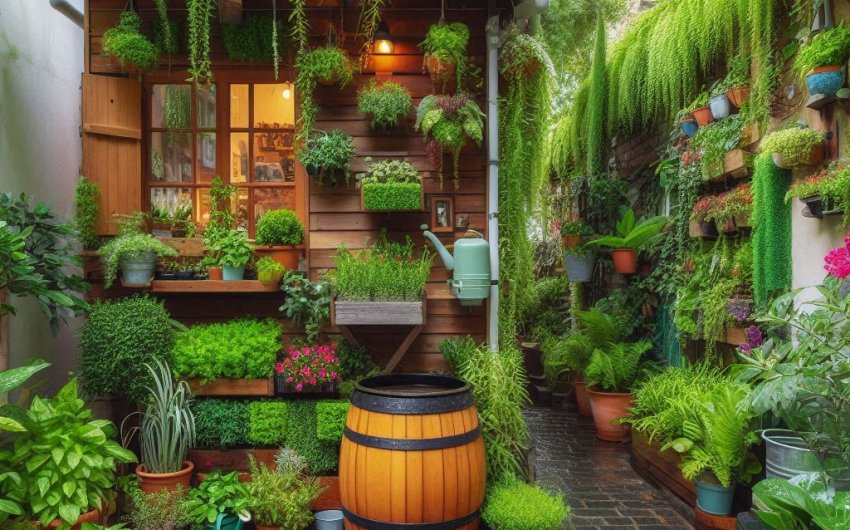
Even with limited outdoor space, embracing sustainability in your green haven is entirely achievable. Crafting an eco-garden in a small yard isn't just about fitting plants into tight spots; it's about making every square foot count for both beauty and environmental benefit. From clever vertical solutions to attracting beneficial wildlife, these creative strategies allow you to cultivate a flourishing, earth-friendly oasis, no matter the size of your plot.
Why Go Eco-Friendly in a Small Yard?
Adopting eco-garden ideas for small yards goes far beyond mere aesthetics; it's a conscious choice that brings significant benefits to your immediate environment, the broader ecosystem, and even your personal well-being. Thinking sustainably in a limited space proves that every little bit contributes to a healthier planet.
Does an Eco-Garden Attract Wildlife?
Absolutely! One of the most rewarding aspects of an eco-garden in a small yard is its incredible ability to attract wildlife. Even a tiny patch of green can become a vital stepping stone or a small oasis for various creatures, particularly pollinators and beneficial insects, which are essential for a healthy ecosystem.
By choosing specific plants and providing a few key elements, your small space can offer:
- Food Sources: Nectar and pollen-rich flowers attract bees, butterflies, and other pollinators. Berries and seeds provide food for birds. Look for a pollinator-friendly seed mix for easy planting.
- Water Sources: Even a small, shallow bird bath or a simple pebble-filled dish can provide water for birds and bees.
- Shelter and Nesting Sites: Dense shrubs, tall grasses, a small log pile, or even a bee hotel can offer crucial habitat for insects, birds, and other small creatures.
- Reduced Chemical Use: An eco-garden avoids harmful pesticides and synthetic fertilizers, ensuring a safe environment for all visitors.
Creating a mini-habitat in your small yard contributes directly to local biodiversity, allowing you to observe and connect with nature right outside your door. It's a powerful way to make a difference, one small yard at a time.
Can an Eco-Garden Save Water?
Yes, a well-planned eco-garden in a small yard can significantly save water, which is a crucial aspect of sustainable living. In a world where water resources are increasingly stressed, every drop conserved counts.
Several eco-garden ideas are specifically designed for water efficiency:
- Native and Drought-Tolerant Plants: These plants are adapted to your local climate and rainfall patterns, requiring less supplemental watering once established. They thrive on what nature provides. Look for native plant seeds specific to your area.
- Efficient Watering Systems: Drip irrigation or soaker hoses deliver water directly to the plant roots, minimizing evaporation and runoff compared to overhead sprinklers.
- Mulching: A layer of organic mulch (like wood chips or straw) over the soil dramatically reduces water evaporation, keeps soil temperatures more stable, and suppresses weeds. You can find organic garden mulch readily.
- Rainwater Harvesting: Even a small rain barrel can collect enough rainwater from a roof or patio to irrigate container plants or a small bed for weeks.
By implementing these strategies, you'll reduce your water bill, lessen your environmental impact, and build a garden that is more resilient to periods of drought. Water conservation is a cornerstone of every successful eco-garden.
Do Eco-Gardens Reduce Waste?
Absolutely! A key principle of eco-garden ideas for small yards is the focus on reducing waste and creating a closed-loop system where resources are reused and recycled within the garden itself. This minimizes landfill contributions and promotes resourcefulness.
Here’s how an eco-garden helps reduce waste:
- Composting: Instead of sending kitchen scraps, yard waste, and fallen leaves to the landfill, they are transformed into nutrient-rich compost that feeds your plants naturally. A small compost bin or worm bin can fit easily in a small yard.
- Eliminating Chemical Packaging: By avoiding synthetic fertilizers, pesticides, and herbicides, you eliminate the plastic bottles and packaging associated with these products.
- Reusing Materials: Repurposing old tires, pallets, plastic bottles, or other discarded items into planters, vertical gardens, or garden decor minimizes waste and adds unique character.
- "Grasscycling": Leaving grass clippings on the lawn (if you have a small patch) returns nutrients to the soil, reducing the need for bagging and chemical fertilizers.
- Growing Your Own Food: Cultivating vegetables and herbs reduces your reliance on commercially packaged produce from grocery stores, thereby lessening plastic and transportation waste.
Every little bit of waste reduction contributes to a more sustainable lifestyle and demonstrates that even in a compact space, your eco-garden can be a powerful force for good.
What Are Some Smart Planting Choices for Small Yards?
When space is limited, every plant choice matters. Smart planting in an eco-garden for a small yard means selecting species that offer multiple benefits, fit comfortably without overcrowding, and thrive with minimal intervention.
Are Native Plants the Best Choice?
Yes, native plants are arguably the absolute best choice for an eco-garden in a small yard. These are plants that have evolved over thousands of years in your specific geographical region. Their deep connection to the local environment offers unparalleled benefits for sustainability.
- Low Maintenance & Water Needs: Because they are perfectly adapted to your local climate, soil type, and rainfall patterns, native plants require significantly less water, fertilizer, and general care once established. They thrive on what nature provides.
- Support Local Wildlife: Native plants are the specific food source and habitat that local bees, butterflies, birds, and other wildlife have evolved with. They provide the right kind of nectar, pollen, berries, and seeds that indigenous fauna needs to survive and reproduce.
- Disease & Pest Resistance: Having co-evolved with local pests and diseases, native plants often have natural resistances, reducing the need for harmful chemical interventions.
- Connect to Place: They visually tie your garden to the local landscape, reflecting the natural beauty of your area.
To find suitable native plants, consult your local university extension office, native plant society, or a reputable native plant nursery. Look for a regional native plant guide for your area. Prioritizing native plants is the foundation of any truly impactful eco-garden idea for small yards.
What are Drought-Tolerant Plants?
Drought-tolerant plants are species that have adapted to survive and thrive with minimal water, making them an excellent component of any eco-garden idea for small yards. While native plants are always recommended, drought-tolerant non-natives can also be a good choice, especially if local natives are hard to source or if you desire a specific aesthetic.
These plants employ various strategies to conserve water:
- Deep Root Systems: They grow roots far down into the soil to access deeper moisture reserves (e.g., lavender, rosemary).
- Waxy or Fuzzy Leaves: A waxy coating or fine hairs on leaves reduce water loss through transpiration (e.g., sedum, lambs ear).
- Small or Spiny Leaves: Less surface area means less water evaporation (e.g., many succulents, cacti).
- Silver or Gray Foliage: Reflects sunlight, keeping the plant cooler and reducing water loss (e.g., artemisia, dusty miller).
- Succulence: Store water in fleshy leaves or stems (e.g., succulent varieties).
Examples of popular drought-tolerant plants often suitable for small eco-gardens include:
- Herbs: Rosemary, Thyme, Lavender, Oregano.
- Flowering Plants: Coneflower (Echinacea), Sedum, Yarrow, many ornamental grasses.
- Succulents: Hens and Chicks, many types of Echeveria or Sedum are great for containers.
By incorporating drought-tolerant plants, you'll dramatically reduce your garden's water consumption, making your eco-garden in a small yard far more sustainable.
How Can I Choose Plants for Continuous Bloom?
For a vibrant and truly beneficial eco-garden in a small yard, selecting plants for continuous bloom is essential. This means planning your plant choices so that something is always flowering from early spring through late fall. This provides a consistent food source (nectar and pollen) for pollinators throughout their active season, making your small garden a reliable haven.
To achieve continuous bloom:
- Research Bloom Times: When choosing plants, pay close attention to their typical flowering periods. Group plants together that bloom in different seasons.
- Mix Plant Types:
- Early Spring: Think crocuses, snowdrops, early daffodils (for bulbs), or small native shrubs like serviceberry.
- Mid-Spring to Early Summer: Peonies, iris, lupines, early salvias.
- Mid-Summer: Coneflowers, zinnias, cosmos, bee balm.
- Late Summer to Fall: Asters, goldenrod, some sedums, late-blooming salvias.
- Don't Forget Herbs and Vegetables: Many herbs (like basil, dill, cilantro, oregano) produce tiny, bee-attracting flowers if allowed to bolt. Similarly, vegetables like peppers and beans have small flowers that bees visit.
- Layering: Plant taller varieties behind shorter ones to ensure all plants get adequate sunlight and are visible.
By carefully planning for continuous bloom, you make your eco-garden in a small yard a magnet for beneficial insects and a source of continuous beauty throughout the seasons.
What Are the Best Space-Saving Eco-Garden Solutions?
In a small yard, maximizing space is paramount. Thankfully, many eco-garden ideas for small yards are inherently space-saving, allowing you to grow more in less area while still adhering to sustainable principles.
How Do Vertical Gardens Maximize Space?
Vertical gardens are a game-changer for eco-garden ideas for small yards, transforming unused wall space, fences, or even narrow balconies into productive growing areas. By growing upwards, you can dramatically increase your planting capacity without taking up precious ground footprint.
- Types of Vertical Gardens:
- Wall-Mounted Planters: Systems that attach directly to a wall, often with individual pockets or shelves. You can find a wall-mounted planter system that is easy to install.
- Pocket Planters: Fabric or felt pockets that hang, ideal for herbs, strawberries, or small flowers. Try a hanging pocket planter.
- Tiered Planters: Stacked pots or containers that form a tower, allowing multiple plants to grow in a small footprint.
- Pallet Gardens: Upcycled wooden pallets transformed into vertical planting beds.
- Trellises and Arbors: For vining plants like cucumbers, beans, or climbing flowers, a garden trellis allows them to grow vertically, saving horizontal space.
- What to Grow Vertically: Herbs, leafy greens (lettuce, spinach), strawberries, compact tomatoes, nasturtiums, and many flowering annuals are excellent choices for vertical gardening. Vining vegetables like cucumbers and pole beans also thrive on trellises.
- Watering: Vertical gardens can dry out quickly, so consistent watering is important. Some systems include built-in drip irrigation or reservoir systems for water efficiency.
By utilizing vertical space, you not only grow more in a tiny footprint but also add a striking visual element to your eco-garden in a small yard.
What Are Container Gardening Strategies?
Container gardening is a fundamental strategy for any eco-garden idea for small yards, offering unparalleled flexibility and control. When ground space is limited, pots allow you to grow a wide variety of plants on patios, balconies, steps, or even indoors.
- Choosing Eco-Friendly Containers:
- Recycled Materials: Repurpose old buckets, tires, plastic bottles, or wooden crates. Ensure they have drainage holes.
- Terracotta/Clay Pots: Natural, breathable material, but can dry out quickly.
- Fabric Grow Bags: Lightweight, promote air pruning of roots, and are excellent for drainage. Find fabric grow bags in various sizes.
- Smart Plant Choices for Containers:
- Compact Varieties: Look for dwarf or bush varieties of vegetables and fruits (e.g., bush beans, patio tomatoes, miniature peppers).
- Herbs: Most herbs thrive in pots. Create a portable herb garden kit.
- Strawberries: Excellent in hanging baskets or strawberry planters.
- Flowering Annuals/Perennials: Choose smaller varieties of bee-friendly flowers.
- Grouping and Layering:
- "Thriller, Filler, Spiller": A popular design concept where you choose one tall "thriller" plant, several "filler" plants for volume, and "spiller" plants that cascade over the edge.
- Stacking: Use tiered planters or arrange pots on steps to create vertical interest and maximize planting density.
- Watering and Soil: Containers dry out faster than in-ground beds, so consistent watering is crucial. Use a high-quality organic potting mix that drains well but retains moisture.
Container gardening allows you to grow a diverse array of plants, including food and pollinator-attracting flowers, even in the smallest of spaces, making it a cornerstone of eco-garden ideas for small yards.
Are Raised Beds Good for Small Eco-Gardens?
Yes, raised beds are an excellent choice for an eco-garden in a small yard, offering numerous benefits for both convenience and sustainability. They define planting areas clearly, improve growing conditions, and can be tailored to fit awkward spaces.
- Benefits of Raised Beds:
- Improved Soil Control: You fill raised beds with ideal soil mixes (often a blend of topsoil, compost, and organic potting mix), ensuring optimal drainage and fertility from the start, which leads to healthier plants and less need for chemicals.
- Better Drainage: Raised beds naturally drain better than in-ground beds, preventing soggy roots.
- Reduced Compaction: You walk around, not on, the soil in raised beds, keeping it loose and aerated.
- Extended Growing Season: The soil in raised beds warms up faster in spring and stays warmer longer in fall.
- Accessibility: Easier to work in for those with mobility issues.
- Neatness: Creates defined, tidy planting areas in a small space.
- Eco-Friendly Raised Bed Materials:
- Untreated Wood: Cedar or redwood are naturally rot-resistant and avoid chemical leaching. You can get cedar raised bed kits.
- Recycled Composite Lumber: Made from recycled plastics and wood fibers.
- Stone or Brick: Durable and attractive, can often be sourced locally.
- Galvanized Metal: Long-lasting and sleek looking.
- Intensive Planting: In raised beds, you can often plant more closely together than in traditional rows (square foot gardening), maximizing your yield in a small area. This dense planting also helps suppress weeds and shades the soil, reducing water evaporation.
Raised beds combine efficiency with sustainable benefits, making them a fantastic inclusion in any set of eco-garden ideas for small yards.
How Can I Manage Resources Sustainably in a Small Yard?
Efficient resource management is the core of any eco-garden idea for small yards. It's about minimizing inputs (water, fertilizer, external materials) and maximizing outputs (healthy plants, reduced waste, thriving ecosystem).
What is Composting and Why is it Important?
Composting is the natural process of recycling organic matter—like kitchen scraps, yard waste, and leaves—into a rich, dark, nutrient-dense soil amendment called compost. It's a cornerstone of eco-garden ideas for small yards because it dramatically reduces waste and creates free, natural plant food.
- How Composting Works: Microorganisms (bacteria, fungi) and invertebrates (worms, insects) break down organic materials. For effective composting, you need a balance of "greens" (nitrogen-rich: fruit/veg scraps, grass clippings) and "browns" (carbon-rich: dry leaves, shredded paper, wood chips), plus moisture and air. A small backyard compost bin is perfect for limited spaces.
- Benefits of Composting:
- Waste Reduction: Diverts organic waste from landfills, where it would otherwise produce methane, a potent greenhouse gas.
- Natural Fertilizer: Provides a slow, steady release of essential nutrients to your plants, reducing or eliminating the need for synthetic fertilizers.
- Soil Improvement: Improves soil structure (better drainage in clay, better water retention in sand), aeration, and microbial life.
- Free Resource: You're turning "waste" into "gold" for your garden, saving money on store-bought amendments.
Even in a small yard, a compact tumbling composter or a simple worm bin (vermicompost) can efficiently process kitchen scraps and small amounts of yard waste, making composting an achievable and impactful eco-garden idea for small yards.
Why is Mulching Essential for Eco-Gardens?
Mulching is the practice of applying a layer of material to the surface of the soil. It's a simple yet incredibly effective strategy for any eco-garden in a small yard, offering multiple benefits for both water conservation and plant health.
- Water Conservation: This is its primary eco-benefit. A layer of mulch acts as a protective barrier, shading the soil and dramatically reducing water evaporation from the surface. This means your plants need less frequent watering, saving valuable resources.
- Weed Suppression: By blocking sunlight, mulch significantly suppresses weed growth. Fewer weeds mean less competition for water and nutrients with your desired plants, and less time spent on weeding.
- Temperature Regulation: Mulch insulates the soil, keeping it cooler in hot summer months (reducing stress on roots) and warmer in winter (protecting roots from freezing).
- Soil Health (Organic Mulches): Organic mulches (like wood chips, straw, shredded leaves, or cocoa hull mulch) slowly decompose over time, adding valuable organic matter and nutrients to the soil, improving its structure and fertility.
Apply a layer of mulch about 2-4 inches deep, keeping it a few inches away from plant stems and tree trunks to prevent moisture buildup and rot. Mulching is a passive yet powerful component of eco-garden ideas for small yards, making your garden more resilient and less demanding.
How Can I Harvest Rainwater in a Small Space?
Harvesting rainwater is an excellent and truly free eco-garden idea for small yards, directly tapping into a natural resource that often goes to waste. Collecting water from your roof or other surfaces provides a sustainable irrigation source, reducing your reliance on municipal water.
- Rain Barrels: The simplest and most common method. A rain barrel (typically 50-75 gallons) is placed under a downspout. A diverter directs water into the barrel. It usually has a spigot at the bottom for easy access with a watering can or hose. Even a small roof can fill a barrel quickly during a good rain.
- Rain Chains: While less about large-scale collection, decorative rain chains can guide water from a gutter into a decorative pot or small reservoir, minimizing splash and adding aesthetic appeal.
- Small Ponds or Water Features: A small pond, even a pre-formed mini pond kit, can act as a reservoir for rainwater, especially if it's placed to catch runoff from hard surfaces. It also adds a tranquil element and attracts wildlife.
- Permeable Surfaces: Replace impervious surfaces (like solid concrete patios) with permeable options like pavers with gaps filled with gravel or grass. This allows rainwater to infiltrate the ground directly, rather than running off into storm drains.
Harvesting rainwater not only conserves treated tap water but also provides plants with chlorine-free water, which they often prefer. It's a clear demonstration of sustainable living within your eco-garden in a small yard.
What Other Eco-Friendly Touches Can I Add?
Beyond plants and basic resource management, there are many smaller, thoughtful eco-garden ideas for small yards that can amplify your garden's sustainability, functionality, and charm. These touches complete the picture of an environmentally conscious outdoor space.
Can I Use Solar-Powered Features?
Yes, incorporating solar-powered features is an excellent way to add both functionality and aesthetic appeal to your eco-garden in a small yard while minimizing electricity consumption. They harness clean, renewable energy directly from the sun.
- Solar Lights: Install solar path lights or decorative solar string lights to illuminate pathways or highlight special features without needing wiring or contributing to your electricity bill.
- Solar Water Features: A small solar fountain pump can bring the soothing sound of moving water to a bird bath or small pond, aerating the water and making it more attractive to wildlife, all powered by the sun.
- Solar Chargers: Keep your small electronics charged with a portable solar phone charger while relaxing in your garden.
These features are easy to install, require no external power source, and embody the spirit of sustainability, making them perfect additions to any eco-garden in a small yard.
What About Upcycled Decor and Planters?
Embracing upcycled decor and planters is a fun, creative, and highly sustainable eco-garden idea for small yards. It’s about giving new life to discarded items, reducing waste, and adding unique, personal character to your space without buying new.
- Repurposed Containers:
- Old Tires: Painted and stacked, they make quirky planters for herbs or potatoes.
- Plastic Bottles: Cut them horizontally for vertical planting or create self-watering wicking beds.
- Wooden Pallets: Disassemble for raised bed sides or whole for vertical gardens. You can buy repurposed pallets if you don't have access to free ones.
- Tins and Cans: Painted or decorated, they can become small herb pots or votive holders.
- Old Bathtubs/Sinks: Can be transformed into unique raised planters.
- Creative Decor:
- Broken Pottery: Pieces can be used for drainage in pots or as stepping stones.
- Old Tools: Rusting garden tools can be hung as rustic wall art.
- Glass Bottles: Used as borders or hung to catch light.
The beauty of upcycling is that it encourages creativity and makes your eco-garden in a small yard truly unique, reflecting your commitment to sustainability and resourcefulness. It’s an effective way to minimize your garden's environmental footprint.
How Can I Create a Minimal Footprint Hardscape?
For many small yards, some amount of hardscaping (patios, paths, seating areas) is necessary. Choosing minimal footprint hardscape solutions is an important eco-garden idea to ensure these elements are as sustainable as possible.
- Permeable Surfaces: Instead of solid concrete or asphalt (which prevent water infiltration and contribute to stormwater runoff), opt for permeable materials for patios and pathways.
- Gravel or Crushed Stone: Affordable, drains well, and easy to install. Consider decorative gravel.
- Pavers with Gaps: Install pavers with intentional gaps between them that are filled with sand, gravel, or even grass. This allows rainwater to soak into the ground.
- Wood Decking: If a deck is desired, ensure the wood is sustainably sourced (e.g., FSC certified) or use recycled composite decking.
- Reduced Footprint: Design pathways and patios to be just wide enough for comfortable use, avoiding unnecessarily large expanses of impervious surface.
- Locally Sourced Materials: If possible, use hardscaping materials that are quarried or produced locally to reduce transportation emissions.
- No-Dig Paths: For temporary or informal paths, simply lay down layers of cardboard and mulch. This creates a soft, permeable path that will eventually decompose, adding organic matter to the soil.
By thinking consciously about your hardscaping choices, you can ensure that every element of your eco-garden in a small yard contributes to its overall sustainability, from the living plants to the pathways you stroll upon.