
DIY Gold: How to Build a Compost Tumbler for Your Garden
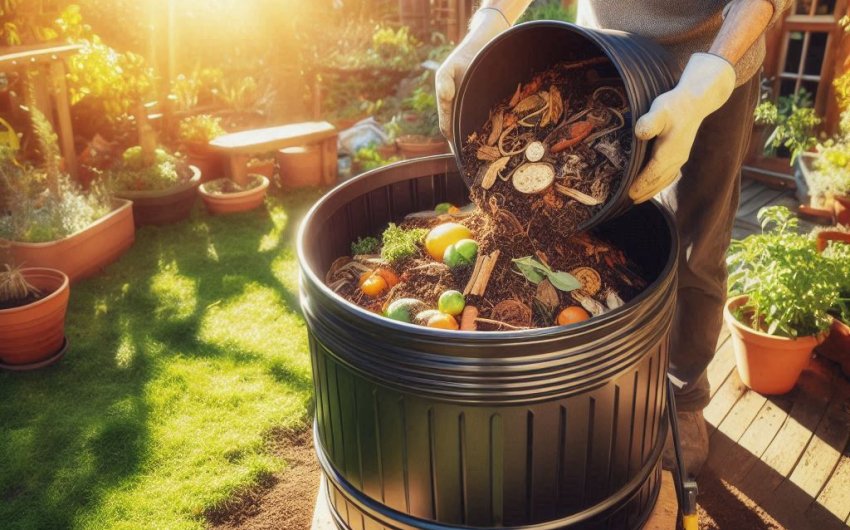
Creating nutrient-rich compost for your garden is a cornerstone of sustainable living, but traditional compost piles can be messy and require a lot of manual turning. If you're looking for a cleaner, faster, and easier way to transform kitchen scraps and yard waste into gardener's gold, learning how to build a compost tumbler is your ideal solution. This DIY project puts you in control, providing a rotating system that simplifies aeration and significantly speeds up the composting process, delivering ready-to-use soil amendment with minimal effort.
Why Choose a Compost Tumbler Over a Pile?
While any form of composting is beneficial, a compost tumbler offers distinct advantages over a traditional compost pile, making it a compelling choice for many gardeners. Understanding these benefits will clarify why learning how to build a compost tumbler might be the perfect project for you.
Is Composting Faster in a Tumbler?
Yes, generally, composting is faster in a tumbler compared to a static compost pile. The key reason for this accelerated process lies in the design of the tumbler itself: it allows for superior aeration and easier mixing of the compost materials.
For decomposition to happen efficiently, the microorganisms responsible for breaking down organic matter need a steady supply of oxygen. In a traditional compost pile, turning the pile with a pitchfork is necessary to introduce air and prevent anaerobic (oxygen-free) conditions, which slow down decomposition and can create foul odors. This is a laborious task, and often piles don't get turned as frequently as they should.
A compost tumbler, by its rotating design, makes turning the compost incredibly easy. A few spins of the tumbler's barrel every few days or even daily, thoroughly mixes and aerates the entire batch. This constant oxygen supply keeps the aerobic (oxygen-loving) bacteria highly active, allowing them to break down organic materials much more quickly. While a static pile might take 6 months to a year or more, a well-managed tumbler can produce finished compost in as little as 3-4 weeks under ideal conditions (hot composting). This speed makes learning how to build a compost tumbler very appealing.
Do Tumblers Reduce Odor and Pests?
Yes, a well-managed compost tumbler significantly helps to reduce odor and pests compared to an open compost pile. This makes it a much more pleasant addition to a backyard, especially in urban or suburban settings.
- Odor Reduction: The primary cause of foul odors in composting is anaerobic decomposition – when materials break down without enough oxygen. As discussed, a tumbler's design allows for easy and frequent aeration, promoting aerobic decomposition, which produces a pleasant, earthy smell (or no smell at all) rather than the rotten egg or ammonia odors associated with anaerobic conditions. The enclosed nature of the tumbler also helps contain any mild odors.
- Pest Deterrent: An open compost pile, especially if it contains fresh kitchen scraps exposed to the air, can attract rodents (rats, mice), flies, raccoons, and other scavengers looking for an easy meal. A compost tumbler is a fully enclosed unit, sealing off the compost materials from these unwanted visitors. This prevents pests from accessing the food waste, reducing their presence in your garden area.
By minimizing both unpleasant smells and unwelcome guests, a compost tumbler offers a much cleaner and more convenient composting experience, making the process of learning how to build a compost tumbler even more attractive.
Are Tumblers Easier to Turn?
Yes, compost tumblers are significantly easier to turn than traditional compost piles, which require a pitchfork and considerable physical effort. This ease of turning is one of the biggest appeals of a tumbler, especially for those with physical limitations or limited time.
Turning a static compost pile involves manually digging through and mixing heavy, often dense organic materials. This can be back-breaking work, and many gardeners find themselves neglecting this crucial step, which slows down the composting process.
A compost tumbler, on the other hand, is designed for effortless aeration. The compostable materials are contained within a rotating barrel that is usually mounted on a stand. With a simple crank, handle, or just by pushing the barrel, you can rotate the entire contents, mixing and aerating them thoroughly with minimal physical strain. This consistent turning ensures that all parts of the compost get adequate oxygen, preventing compaction and speeding up decomposition. The convenience of turning is a major motivator for gardeners considering how to build a compost tumbler.
What Materials Do I Need to Build a Compost Tumbler?
Building a compost tumbler can be a rewarding DIY project. While designs vary, the core components typically include a barrel to hold the compost, a sturdy frame to support it, and an axle that allows the barrel to rotate. Gathering the right materials is the first step in learning how to build a compost tumbler.
What Type of Barrel is Best?
The barrel is the heart of your compost tumbler. It needs to be durable, large enough for your composting needs, and safe for organic materials. The ideal choice will depend on what's available to you and your budget.
- Food-Grade Plastic Barrel (55-gallon): This is often the most recommended and popular choice. A 55-gallon food-grade plastic drum is perfect because it's non-toxic, weather-resistant, and large enough to hold a good volume of compostable material. Ensure it's truly food-grade to avoid leaching harmful chemicals into your compost. Look for barrels that previously held juices, syrups, or food ingredients. You may be able to find these locally at food processing plants or wineries.
- Plastic Trash Can (Heavy-Duty): A new, heavy-duty plastic trash can (30-50 gallons) can also work. Look for one made of durable, UV-resistant plastic. Ensure it has a tight-fitting lid to keep out pests and contain odors. You might need to reinforce it if it's not thick enough. A heavy-duty plastic trash can can be modified.
- Old Water Heater Tank (Metal): For those with welding skills and access to discarded appliances, an old water heater tank can be repurposed. While extremely durable, it's heavy and requires significant modification, including cutting access doors and ensuring proper drainage. Not ideal for a typical beginner guide to compost tumbler building.
- Wooden Barrel: Less common due to wood's tendency to rot, but a very thick, repurposed wooden barrel could theoretically work, though it would likely have a shorter lifespan.
Whatever you choose, the barrel must be able to hold moisture without leaking (unless specifically designed for drainage holes) and withstand constant rotation and the weight of moist compost.
What Kind of Frame Materials Do I Need?
The frame provides the support structure for your rotating compost tumbler barrel. It needs to be sturdy enough to hold the weight of a full barrel (which can be several hundred pounds) and withstand outdoor elements.
- Pressure-Treated Lumber: This is a popular and relatively easy-to-work-with option. Pressure-treated wood is chemically treated to resist rot, decay, and insect infestation, making it ideal for outdoor use. You'll need 2x4s or 4x4s for a strong frame. Remember to wear gloves when handling and avoid burning treated wood. You can find pressure-treated 2x4s at any lumberyard.
- Recycled Pallets: For a very economical and eco-friendly option, sturdy wooden pallets can be repurposed into a frame. You'll need to disassemble them and use the lumber, ensuring the pallets haven't been treated with harmful chemicals (look for "HT" for heat-treated, avoid "MB" for methyl bromide).
- Metal (Angle Iron, Square Tubing): For a truly robust and long-lasting frame, metal angle iron or square tubing (steel) is excellent. This requires welding skills and tools. A metal frame will outlast wooden ones and withstand heavier loads. You can purchase steel angle iron from metal supply stores.
- PVC Pipe (Heavy-Duty): For smaller, lighter tumblers, heavy-duty PVC pipe and fittings can form a frame. However, it's generally not strong enough for a full 55-gallon barrel of compost.
No matter the material, ensure your frame design is stable and can safely support the rotating barrel. You'll also need appropriate fasteners like exterior screws for wood or bolts for metal.
What About the Axle and Hardware?
The axle and hardware are crucial components that allow your compost tumbler barrel to rotate smoothly and securely within its frame. These parts need to be strong, durable, and corrosion-resistant for outdoor use.
- Axle Material:
- Galvanized Steel Pipe/Rod: This is the most common and recommended choice for an axle. Galvanized steel resists rust, and its strength can handle the weight of a full barrel. A galvanized steel pipe with a diameter of 1-1.5 inches is typically sufficient. The length will depend on the width of your barrel and frame.
- PVC Pipe (Large Diameter): For very lightweight tumblers or small barrels, a thick-walled PVC pipe could act as an axle, but it's generally less durable than steel.
- Axle Mounting:
- Flange Bearings: For the smoothest rotation and to reduce friction, mount the axle in flange bearings (also called pillow block bearings) that are bolted to your frame. These bearings have a rotating inner ring that supports the axle.
- Simple Holes: For simpler designs, the axle can just pass through drilled holes in the frame supports. However, this will create more friction and wear over time.
- Barrel Attachment Hardware:
- U-Bolts: To secure the barrel to the axle, heavy-duty U-bolts are commonly used. You'll drill holes through the barrel to accommodate the U-bolt, and then use nuts and washers to tighten it securely to the axle.
- Bolts/Nuts/Washers: For attaching an access door to the barrel, hinges, latches, and air vents, you'll need various sizes of stainless steel bolts, nuts, and washers to prevent rust.
- Hinges and Latches (for access door): For a door, you'll need sturdy stainless steel hinges and a reliable gate latch to keep the contents securely inside when tumbling.
When selecting all hardware, prioritize materials that are galvanized or stainless steel for maximum outdoor durability and rust prevention, ensuring your efforts on how to build a compost tumbler result in a long-lasting tool.
How Do I Assemble the Compost Tumbler?
Once you've gathered all your materials, the assembly process for your compost tumbler begins. While specific designs will vary, the core steps involve preparing the barrel, building the frame, mounting the barrel, and adding essential features.
How Do I Prepare the Barrel?
Properly preparing the barrel is a crucial first step in learning how to build a compost tumbler. This involves creating the necessary openings for adding materials, emptying compost, and providing aeration.
- Clean the Barrel: If you're using a repurposed drum, thoroughly clean it out. Flush it multiple times with water. If it held chemicals (non-food grade), it's generally not recommended for composting unless you are absolutely certain it's safe and inert. For food-grade barrels, a good rinse is usually sufficient.
- Cut the Access Door: Decide on the size and location of your access door. It needs to be large enough for you to easily add materials and, crucially, to empty the finished compost. A rectangular or square opening on the side of the barrel, about 18-24 inches wide and 12-18 inches high, works well. Use a jigsaw with a plastic-cutting blade or a reciprocating saw to carefully cut the opening. Keep the cut-out piece; it will become your door.
- Install Hinges and Latch: Attach at least two sturdy stainless steel hinges to the door and the barrel. Then, install a strong gate latch or series of latches to ensure the door stays securely closed when tumbling. Drill pilot holes slightly smaller than your screws to prevent cracking the plastic.
- Drill Aeration Holes: Uniformly drill numerous 1/2 to 3/4 inch holes over the entire surface of the barrel. These holes are essential for providing oxygen to the composting materials and allowing for some moisture to escape. Space them about 4-6 inches apart. A regular drill with a spade bit will work for this.
- Drill Axle Holes: Determine the exact center points on the ends of your barrel where the axle will pass through. Drill a hole large enough for your chosen axle pipe/rod. If using a 55-gallon drum, you might be able to use the existing bung holes if they are centered and can be adapted.
Careful barrel preparation sets you up for a functional and durable compost tumbler.
How Do I Build the Frame?
Building the frame for your compost tumbler requires careful measurement and sturdy construction to ensure it can safely support the rotating barrel and all its contents.
- Cut Lumber: Based on your design, cut your chosen lumber (e.g., pressure-treated 2x4s or 4x4s) to size. You'll need:
- Four vertical posts for the legs.
- Four horizontal pieces for the top and bottom supports.
- Two cross braces (optional, but recommended for stability).
- Assemble Side Panels: Create two identical side panels for your frame. Each panel will consist of two vertical posts and two horizontal supports forming a rectangle. Use a carpenter's square to ensure corners are square, and secure them with exterior wood screws or bolts.
- Create Axle Mount Points: On the top horizontal support of each side panel, you'll need to create the mounting points for your axle.
- For Bearings: Bolt your flange bearings securely onto the top surface of the horizontal support, centered at the height you want your tumbler.
- For Drilled Holes: If not using bearings, accurately drill a hole (the size of your axle) through the exact center of your top horizontal support on each side.
- Connect the Side Panels: Stand your two side panels upright and connect them using the remaining two horizontal supports (top and bottom) and any cross braces. Ensure the frame is level and square. Use plenty of heavy-duty exterior screws to make it rock-solid. This forms the rigid structure that will hold your barrel.
A robust frame is essential for the longevity and safety of your DIY compost tumbler, allowing it to endure the weight and constant motion of the composting process.
How Do I Mount the Barrel to the Axle and Frame?
Mounting the barrel to the axle and frame is the culminating step in the physical construction of your compost tumbler. This needs to be done securely to ensure smooth rotation and prevent the barrel from detaching.
- Insert the Axle into the Barrel: Slide your galvanized steel pipe axle through the pre-drilled holes in the center of both ends of your prepared barrel. Ensure it passes straight through the middle.
- Secure Barrel to Axle: This is a critical connection.
- U-Bolt Method: Drill two holes through the barrel on either side of the axle, about 6-8 inches from each end. Insert U-bolts around the axle and through these holes. Secure them tightly with washers and nuts on the inside of the barrel. You can add a piece of wood or metal inside the barrel across the axle points to provide more surface area and reinforcement for the U-bolts, preventing them from pulling through the plastic.
- Through-Bolt Method (Alternative): Some designs involve drilling through the barrel and axle, then inserting a bolt. This is harder to do precisely. The U-bolt method is generally easier and very effective. Ensure the barrel is tightly clamped to the axle so that when the axle rotates, the barrel rotates with it and doesn't slip.
- Mount Axle onto Frame: Carefully lift the barrel with the attached axle onto your assembled frame.
- For Bearings: Slide the ends of the axle into the openings of the flange bearings you previously bolted to the frame. Ensure the bearings are securely tightened around the axle, allowing rotation but no side-to-side movement.
- For Drilled Holes: Simply rest the axle within the drilled holes on the top horizontal supports of your frame. You might want to add small metal plates or bushings around these holes to reduce wear.
- Add a Handle (Optional but Recommended): For easier turning, you can attach a pipe elbow and short piece of pipe to one end of the axle as a crank handle. Drill a hole through the axle and the handle pipe, then secure with a bolt.
Once assembled, give your compost tumbler a few spins to check for smooth rotation and stability. Make any necessary adjustments. With these steps, you've successfully learned how to build a compost tumbler that is ready for action!
What Goes Into a Compost Tumbler?
Once your compost tumbler is built, the exciting part begins: filling it with materials that will transform into nutrient-rich "black gold." Knowing what to add (and what to avoid) is essential for efficient composting.
What are "Greens" and "Browns"?
Effective composting, whether in a tumbler or a pile, relies on balancing "greens" and "browns." These terms refer to the nitrogen-rich and carbon-rich materials that provide the food source for the microorganisms doing the work of decomposition.
- "Greens" (Nitrogen-Rich): These materials are high in nitrogen, which is essential for the growth and reproduction of the microorganisms that break down organic matter. They tend to be moist and fresh.
- Examples: Fresh kitchen scraps (fruit and vegetable peels, coffee grounds, tea bags), fresh grass clippings, green plant trimmings, fresh weeds (without seeds).
- Purpose: Provide the protein source for microbes; make the compost heat up.
- "Browns" (Carbon-Rich): These materials are high in carbon, providing energy and structure for the microbes. They tend to be dry and woody.
- Examples: Dry leaves, straw, shredded paper (newspaper, cardboard without glossy finishes), wood chips, sawdust, dried plant stalks.
- Purpose: Provide the energy source for microbes; add bulk and aeration to the compost.
The ideal ratio of greens to browns is roughly 1 part green to 2-3 parts brown by volume. Too many greens can make the compost wet and smelly; too many browns will make it decompose very slowly. A good mix is essential for a fast and efficient compost tumbler. You can easily find bales of straw to use as browns.
What Kitchen Scraps Can I Add?
Your compost tumbler is a fantastic way to recycle many of your daily kitchen scraps, turning them into valuable garden amendments instead of sending them to the landfill.
Acceptable Kitchen Scraps ("Greens"):
- Fruit and Vegetable Peels/Scraps: Apple cores, banana peels, carrot tops, potato skins, salad trimmings, citrus rinds (in moderation, as large quantities can be acidic).
- Coffee Grounds and Filters: Rich in nitrogen.
- Tea Bags: Remove staples if present.
- Eggshells: Crush them for faster breakdown; they add calcium.
- Bread/Grains (in moderation): Small amounts of stale bread, cooked pasta, or rice. Use sparingly to avoid attracting pests, though a sealed tumbler helps.
Kitchen Scraps to AVOID (especially in a tumbler):
- Meat, Bones, Fish: Attract pests (rodents, flies), create foul odors, and can take a very long time to decompose, especially in a home compost system.
- Dairy Products: Similar to meat, they can attract pests and create bad smells.
- Fats, Oils, Greases: Can slow down decomposition, create odors, and attract pests.
- Diseased Plants: Can spread pathogens to your garden when you use the finished compost.
- Pet Waste: Contains pathogens that are harmful to humans.
For best results, chop larger kitchen scraps into smaller pieces before adding them to your compost tumbler. Smaller pieces break down much faster. Keeping a small kitchen compost pail on your counter makes collection easy.
What Yard Waste is Suitable for a Tumbler?
Your compost tumbler is also ideal for processing a wide variety of yard waste, turning unwanted clippings and trimmings into beneficial compost for your garden beds. This helps reduce landscape waste and enrich your soil.
Suitable Yard Waste:
- Grass Clippings: Fresh clippings are a "green" material. Add them in thin layers or mix well with browns to prevent them from becoming a dense, slimy, smelly mat.
- Dry Leaves: An excellent "brown" material. Shredding them (e.g., with a leaf shredder or lawnmower) will speed up their decomposition.
- Small Twigs and Branches: Woody materials are browns. Chop them into small pieces (no more than 1/2 inch thick for best results) or run them through a wood chipper/shredder first.
- Spent Garden Plants: Non-diseased plant stalks, faded annuals, and vegetable plant remnants. Chop them up.
- Untreated Sawdust or Wood Shavings: Excellent browns, but they are very carbon-rich and require extra greens to balance them out. Use untreated wood shavings.
Yard Waste to AVOID:
- Weeds with Seeds: You don't want to spread weed seeds throughout your garden with your finished compost, especially if your tumbler doesn't get hot enough to kill them.
- Diseased Plant Material: As with kitchen scraps, never add diseased plants, as this can spread pathogens.
- Heavily Treated Lawn Clippings: If your lawn has been treated with chemical herbicides or pesticides, avoid adding those clippings to your compost, as residues can persist.
By incorporating both kitchen and yard waste, you'll be well on your way to creating a continuous supply of rich compost from your very own compost tumbler.
How Do I Manage My Compost Tumbler for Best Results?
Building your compost tumbler is just the beginning; proper management ensures rapid decomposition and high-quality finished compost. This involves understanding the balance of inputs and consistent aeration.
How Often Should I Turn the Tumbler?
The beauty of a compost tumbler is how easy it makes aeration, and frequent turning is key to fast composting. For optimal results, you should aim to turn the tumbler at least once a day, or every other day.
- Frequency: A few spins (5-10 full rotations) daily or every other day will thoroughly mix and aerate the contents. This provides a continuous supply of oxygen to the active microorganisms, which are responsible for breaking down the organic matter.
- Why it Matters: Without regular turning, even in a tumbler, the materials can settle and become compacted, leading to anaerobic conditions (lack of oxygen). This slows down decomposition significantly, can cause unpleasant odors, and attracts undesirable bacteria.
- Observation: Pay attention to your compost. If it smells bad or seems overly wet and sluggish, it likely needs more frequent turning and perhaps more brown material. If it's drying out too quickly, it might need more greens or added water.
Consistent turning is the single most important habit for efficient and speedy composting in your compost tumbler.
How Much Moisture Does Compost Need?
Proper moisture is crucial for active decomposition in your compost tumbler. The microorganisms need water to survive and do their work, but too much water will drown them out and lead to anaerobic conditions.
- Ideal Consistency: The compost mixture should feel like a wrung-out sponge – damp, but not soggy. If you squeeze a handful, only a few drops of water should come out.
- Checking Moisture: Regularly check the moisture level of your compost. If it feels too dry, add water as you turn the tumbler. You can use a watering can or a hose with a spray nozzle.
- If Too Wet: If your compost is too wet, it's usually because you have too many "greens" or not enough "browns." Add more dry, carbon-rich materials like shredded cardboard, dry leaves, or straw, and turn frequently to introduce more air.
- If Too Dry: If the compost is too dry, decomposition will slow down or stop completely. Add more "greens" (which are usually moist) and/or lightly water the mix while turning.
Maintaining the right moisture level is just as important as the correct carbon-to-nitrogen ratio and frequent turning for a hot, efficient composting process in your compost tumbler.
When is Compost "Finished"?
Knowing when your compost is "finished" is key to using it effectively in your garden. Finished compost is a stable, nutrient-rich soil amendment that won't harm your plants.
- Appearance: Finished compost will be dark brown, crumbly, and uniform in texture, resembling rich earth. You should no longer be able to identify the original materials (like banana peels or grass clippings).
- Smell: It should have a pleasant, earthy smell – like forest floor or damp soil. There should be no foul or sour odors.
- Temperature: If you're hot composting, the temperature inside the tumbler will have gradually risen (up to 120-160°F or 50-70°C), then cooled down to ambient temperature. This cooling is a good sign that the decomposition process is complete. You can use a compost thermometer to monitor this.
- Timeframe: In a well-managed tumbler with ideal conditions, compost can finish in as little as 3-4 weeks. However, for most home composters, 1-3 months is a more realistic timeframe, depending on the materials and frequency of turning.
Once your compost is finished, it's ready to be used! You can mix it into garden beds, use it as a top dressing, or add it to potting mixes. Learning how to build a compost tumbler truly empowers you to create this valuable resource at home.
Embarking on the journey of learning how to build a compost tumbler is a powerful step towards more sustainable and rewarding gardening. This DIY project equips you with a convenient, efficient tool for transforming kitchen scraps and yard waste into nutrient-rich compost, ready to enrich your soil and nourish your plants. By embracing the principles of balancing "greens" and "browns," maintaining optimal moisture, and ensuring regular aeration through effortless turning, you'll soon be harvesting your own "black gold," reducing waste, and nurturing a healthier, more vibrant garden with minimal effort.