
Green Indoors: How to Grow Herbs Indoors Without Sunlight
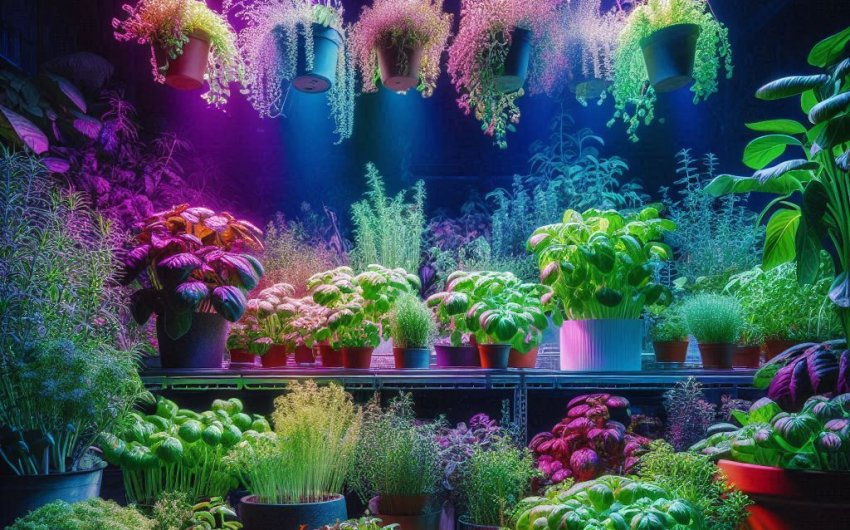
Fresh herbs can elevate any dish, but what if your indoor space lacks the abundant natural light most plants crave? The good news is that limited sun exposure doesn't have to mean an herb-free kitchen. Learning how to grow herbs indoors without sunlight is entirely achievable with the right techniques and a touch of technology. By understanding the essentials of artificial lighting and providing optimal growing conditions, you can cultivate a thriving indoor herb garden, ensuring a continuous supply of aromatic flavor, regardless of window orientation or seasonal changes.
Why Do Herbs Need Light to Grow?
Before diving into solutions, it's important to understand why herbs need light in the first place. Light is not just about brightness; it's fundamental to a plant's very existence and growth. Understanding this will highlight why supplemental lighting is the key to learning how to grow herbs indoors without sunlight.
What is Photosynthesis?
The most fundamental reason herbs (and all green plants) need light is for photosynthesis. This is the incredible process by which plants convert light energy into chemical energy (sugars), which they use as their food. It's how they "eat" and grow.
Think of it like this:
- Ingredients: Plants take in carbon dioxide (from the air) and water (from the soil).
- Energy Source: Sunlight (or artificial light) provides the energy to drive the reaction.
- The Cook: Chlorophyll, the green pigment in plant leaves, captures the light energy.
- The Product: The plant produces glucose (sugar, its food) and releases oxygen (which we breathe) as a byproduct.
Without sufficient light, a plant cannot perform photosynthesis efficiently. This means it can't produce enough food for itself, leading to stunted growth, weak stems, yellowing leaves, and eventually, the plant will simply fade away. When you learn how to grow herbs indoors without sunlight, you're essentially providing an artificial source of that vital energy for photosynthesis.
How Does Light Intensity Affect Herb Growth?
Beyond just having some light, the intensity of the light significantly affects how well your herbs will grow. Light intensity refers to the brightness or strength of the light reaching the plant. Different herbs have different intensity needs, but generally, more light (up to a point) means more vigorous growth.
- Low Light Intensity: Plants will try to stretch towards the light, resulting in "leggy" growth – long, spindly stems with sparse, pale leaves. This is because they're desperately trying to increase their surface area to capture more light. They won't produce much usable herb material and will be weak.
- Optimal Light Intensity: Plants will grow compactly with strong stems and lush, dark green foliage. This indicates they are performing photosynthesis efficiently and producing abundant food for robust growth.
- Too Much Light Intensity (Rare Indoors): While less common indoors, extremely high intensity can sometimes lead to scorched or bleached leaves, especially if the light source is too close.
When considering how to grow herbs indoors without sunlight, your primary goal is to provide artificial light at an intensity that mimics bright, direct sunlight, giving your herbs the energy they need to grow strong and flavorful. This also involves understanding the "color" or spectrum of light, which we'll cover next.
What is Light Spectrum and Why Does it Matter for Herbs?
The light spectrum refers to the different colors (wavelengths) of light that are present in a light source. Just as humans see a rainbow of colors, plants primarily use specific parts of the light spectrum for photosynthesis. This is why not just any light bulb will do when learning how to grow herbs indoors without sunlight.
- Red Light: Essential for flowering and fruiting. It also promotes stem elongation.
- Blue Light: Crucial for vegetative growth (leaves and stems). It promotes compact, bushy growth and chlorophyll production.
- Green Light: Most green light is reflected by plants (which is why they appear green to us), but some is still used for photosynthesis, particularly in the lower parts of the canopy.
For healthy, robust herb growth, a balanced spectrum that includes both red and blue light is ideal. While some grow lights provide a "full spectrum" that mimics natural sunlight, others might focus on specific ratios of red and blue, sometimes appearing purple ("blurple" lights). When looking for grow lights for herbs, ensure they specify "full spectrum" or are designed for plant growth.
Understanding light spectrum helps you provide the specific "colors" of light that herbs need for strong vegetative growth and abundant harvests, even when natural sunlight isn't available.
What Are the Best Artificial Light Sources for Herbs?
The secret to how to grow herbs indoors without sunlight lies almost entirely in providing effective artificial light. With advancements in lighting technology, there are several excellent options, each with its own pros and cons, but all capable of nurturing your herbs.
Are LED Grow Lights Effective?
Yes, LED grow lights are highly effective and are arguably the best choice for learning how to grow herbs indoors without sunlight. They are rapidly becoming the standard for indoor gardening due to their efficiency, specific light spectrums, and long lifespan.
- Energy Efficiency: LEDs consume significantly less electricity than older grow light technologies (like fluorescent or HID lights), leading to lower utility bills. An LED grow light strip can be very efficient.
- Optimized Spectrum: Modern LED grow lights are designed to emit the specific wavelengths (red and blue, often with full spectrum white light) that plants need most for photosynthesis, rather than wasting energy on light they don't use.
- Low Heat Emission: LEDs produce very little heat, meaning you can place them closer to your plants without fear of scorching leaves. This is a huge advantage in small indoor spaces.
- Long Lifespan: LEDs last significantly longer than other bulb types, reducing the frequency and cost of replacement.
- Compact Size: Available in various forms, from small individual bulbs to slim light bars, making them versatile for different setups.
When choosing LED grow lights, look for those specifically marketed for "plant growth," "full spectrum," or with a balanced red/blue ratio. They represent a smart, cost-effective, and powerful solution for your indoor herb garden.
Can Fluorescent Lights Work for Herbs?
Yes, fluorescent lights can definitely work for herbs, especially for leafy varieties that don't require extremely high light intensity. They are a good budget-friendly option and have been a staple for indoor growers for many years.
- Types:
- T5 High Output (HO) Fluorescent Lights: These are the most powerful fluorescent options and are excellent for herbs and even some fruiting plants. They are much brighter than standard household fluorescents. A T5 grow light fixture is a popular choice.
- CFL (Compact Fluorescent Light) Bulbs: These screw into standard light sockets and can be used for individual plants or small setups.
- Spectrum: Look for "cool white" or "daylight" fluorescent bulbs (around 6500K color temperature), as these emit a good amount of blue light, which is excellent for vegetative growth. Some grow-specific fluorescent bulbs will offer a balanced "full spectrum."
- Heat: Fluorescent lights produce some heat, so ensure proper ventilation, but they are far less hot than HID lights.
- Efficiency: While not as energy-efficient as LEDs, they are much better than incandescent bulbs for plant growth.
Fluorescent lights are a reliable and relatively inexpensive way to provide the light needed for how to grow herbs indoors without sunlight, particularly if you're starting a small herb garden.
Are Incandescent Bulbs Suitable for Herbs?
No, incandescent bulbs are generally not suitable for herbs or any plant growth. While they produce light, they are incredibly inefficient for photosynthesis and come with significant drawbacks.
- Poor Spectrum: Incandescent bulbs emit most of their energy as heat, and the light spectrum they produce is heavily weighted towards the red/orange end. They lack sufficient blue light, which is crucial for healthy leaf and stem development. Plants grown under incandescent bulbs tend to be leggy, weak, and pale.
- High Heat Output: The vast majority of the energy consumed by an incandescent bulb is released as heat. This means they generate a lot of heat, which can easily scorch or burn your plants if placed too close, and they can significantly raise the ambient temperature of your growing area.
- Energy Inefficiency: They are very energy-inefficient, converting only about 5-10% of their energy into usable light, meaning you'll pay a lot more on your electricity bill for very little benefit to your plants.
Therefore, when learning how to grow herbs indoors without sunlight, avoid incandescent bulbs entirely. Invest in proper grow lights like LEDs or fluorescents, which are designed to provide the specific light spectrum and intensity that plants need to thrive.
How Do I Set Up a Grow Light System for Herbs?
Setting up a grow light system effectively is just as important as choosing the right lights when learning how to grow herbs indoors without sunlight. Proper distance, timing, and placement will maximize light exposure and promote vigorous growth.
How Far Should Grow Lights Be from Herbs?
The distance between your grow lights and your herbs is critical. Too far, and the light intensity will be too low, leading to leggy, weak growth. Too close, and you risk scorching the leaves. The ideal distance depends on the type and strength of your grow light.
- LED Grow Lights: Because LEDs produce very little heat, they can generally be placed closer to plants.
- Lower-wattage/Smaller LEDs: 6-12 inches (15-30 cm) above the plant canopy.
- Higher-wattage/Commercial LEDs: 12-24 inches (30-60 cm) or more, depending on the manufacturer's recommendations. Always check the specific product guidelines for your LED grow light.
- Fluorescent Grow Lights (T5 HO, CFL): These produce more heat than LEDs but less than HID lights.
- T5 HO: 4-6 inches (10-15 cm) above the plant canopy.
- CFLs: 2-4 inches (5-10 cm) above the canopy.
- General Rule: If you feel significant heat on the back of your hand when placed at plant level under the light, it's too close. Always adjust as your plants grow to maintain optimal distance.
Using adjustable hangers for your lights, such as grow light hangers with adjustable rope ratchets, makes it easy to raise the lights as your herbs grow taller, ensuring consistent light intensity without burning. This constant adjustment is a key part of successful how to grow herbs indoors without sunlight systems.
How Long Should Grow Lights Be On Each Day?
The duration of light exposure, or the photoperiod, is just as important as light intensity and spectrum when learning how to grow herbs indoors without sunlight. Most herbs are long-day plants, meaning they perform best with a long period of light followed by a dark period.
For most leafy herbs like basil, mint, cilantro, parsley, and chives, aim for 14 to 16 hours of light per day. This provides enough energy for robust vegetative growth.
- Consistency is Key: Plants thrive on consistency. Use a digital light timer for grow lights to automate the on/off cycle. This ensures your herbs get the exact amount of light they need every day without you having to remember to turn lights on and off.
- Dark Period is Important: Just like humans, plants need a period of darkness (8-10 hours) for essential biological processes, including respiration and recovery. Don't leave your grow lights on 24/7, as this can stress the plants and hinder their growth.
By providing a consistent, long photoperiod with a dedicated dark period, you'll be giving your herbs the optimal conditions to thrive under artificial lights, making how to grow herbs indoors without sunlight a manageable reality.
Where Should I Place My Grow Light Setup?
The placement of your grow light setup is important not just for the herbs, but also for blending your indoor garden into your living space. When learning how to grow herbs indoors without sunlight, consider light reflection, accessibility, and environmental factors.
- Location: Choose a spot that is convenient for you (e.g., kitchen counter for easy access to fresh herbs, or a dedicated shelving unit). Consider the aesthetic impact if it's in a living area.
- Reflective Surfaces: Maximize light efficiency by placing your herbs in an area with reflective surfaces. White walls, mylar reflective film, or even aluminum foil can bounce light back onto your plants, especially to the lower leaves, increasing overall light exposure. You can also build a simple "grow box" lined with reflective material.
- Air Circulation: Ensure there is good air circulation around your plants, especially if you're using lights that generate some heat or if plants are grouped closely. A small fan can help, but don't point it directly at the plants.
- Temperature: Most herbs prefer temperatures between 65-75°F (18-24°C). Avoid placing your setup near drafty windows in winter or near heat sources that could cause extreme temperature fluctuations.
- Outlets and Safety: Make sure you have easily accessible power outlets and that all electrical connections are safe and not exposed to water.
By strategically placing your grow light setup, you create an optimal environment for your herbs to flourish, showcasing your mastery of how to grow herbs indoors without sunlight.
What Are Other Important Factors for Indoor Herb Growth?
While artificial light is the primary solution for how to grow herbs indoors without sunlight, light alone isn't enough. Other environmental factors play a crucial role in the overall health and productivity of your indoor herb garden.
What Kind of Potting Mix is Best for Herbs?
Choosing the right potting mix is fundamental for healthy indoor herb growth, even more so when growing without natural sunlight. The soil provides support, nutrients, and regulates moisture for the roots.
- Well-Draining: This is paramount. Herbs hate "wet feet" (roots sitting in soggy soil), which leads to root rot. A good potting mix should drain excess water quickly.
- Lightweight and Aerated: It needs to have enough air pockets to allow roots to breathe. Heavy garden soil will compact in a pot and suffocate roots.
- Moisture-Retentive (but not soggy): While draining well, it should also retain enough moisture for the plant to absorb between waterings.
- Sterile: Commercial potting mixes are typically sterile, meaning they are free from weed seeds, pests, and diseases that can be present in garden soil.
Look for a high-quality, general-purpose organic potting mix specifically formulated for containers. These usually contain a blend of ingredients like:
- Peat Moss or Coco Coir: For water retention and some aeration.
- Perlite or Vermiculite: For aeration and drainage.
- Compost or Worm Castings: For slow-release nutrients and beneficial microbes.
Avoid using heavy garden soil, as it will compact in pots and lead to poor drainage and root rot. Starting with the right potting mix gives your herbs a strong foundation for thriving under artificial light.
How Often Should I Water Herbs Indoors?
Watering frequency is one of the most common challenges for indoor gardeners. Overwatering is a more frequent killer of houseplants than underwatering. When learning how to grow herbs indoors without sunlight, correct watering is vital for root health.
- Don't Water on a Schedule: The biggest mistake is watering every "X" number of days. Plant water needs vary based on temperature, humidity, light intensity, pot size, and the specific herb.
- Feel the Soil: The best method is to feel the soil. Stick your finger about 1-2 inches deep into the potting mix.
- If it feels dry: It's time to water.
- If it feels damp: Wait a day or two and check again.
- Water Thoroughly: When you do water, water deeply until you see water draining from the bottom holes of the pot. This ensures the entire root ball is moistened and helps flush out excess salts. Always use pots with drainage holes.
- Empty Saucers: Don't let your herb pots sit in standing water in their saucers, as this can lead to root rot. Empty any excess water about 15-30 minutes after watering.
- Signs of Under/Overwatering:
- Underwatering: Wilting leaves, dry, brittle soil.
- Overwatering: Yellowing lower leaves, stunted growth, soggy soil, sometimes a foul odor from the soil.
Most herbs prefer the soil to dry out slightly between waterings, especially woody herbs like rosemary and thyme. Others, like basil, prefer more consistent moisture. Adjust your frequency based on observation.
Do Indoor Herbs Need Fertilizer?
Yes, indoor herbs do need fertilizer, as the nutrients in their potting mix will eventually get used up by the plant or leach out with watering. Since they are growing in a confined space without a continuous supply of decaying organic matter, supplemental feeding is necessary when learning how to grow herbs indoors without sunlight.
- Start with Nutrient-Rich Mix: Many good quality potting mixes come with a slow-release starter fertilizer that will feed your plants for a few weeks to a month.
- When to Start Fertilizing: Begin fertilizing about 3-4 weeks after planting or repotting.
- Type of Fertilizer: Use a balanced, all-purpose liquid fertilizer formulated for herbs or houseplants. For organic gardeners, organic liquid herb fertilizer options like fish emulsion or kelp solution are excellent.
- Dilution and Frequency: Always dilute the fertilizer to half or quarter strength compared to what's recommended for outdoor plants, and apply every 2-4 weeks during the active growing season. Over-fertilizing can burn roots or lead to excessive leafy growth at the expense of flavor.
- Reduce in Winter: If your herbs naturally slow down growth in winter (even under lights), reduce or stop fertilizing until spring.
Consistent, light fertilization will provide your herbs with the necessary nutrients to support vigorous growth and maximum flavor under your artificial light setup.
How Can I Manage Humidity for Indoor Herbs?
While artificial light replaces sunlight, managing humidity is another crucial environmental factor for thriving indoor herbs, especially for those that originate from more humid climates. The dry air in many homes, particularly in winter, can stress herbs.
- Grouping Plants: As plants transpire, they release moisture into the air. Grouping your herbs together (and other houseplants) creates a small microclimate of higher humidity around them. Consider placing them on a tiered plant stand.
- Pebble Trays: Place pots on a shallow tray filled with pebbles and water. Ensure the bottom of the pot does not sit in the water. As the water evaporates, it increases humidity immediately around the plants. A plant pebble tray is an easy DIY solution.
- Humidifier: For very dry environments or a large collection of humidity-loving herbs (like basil or mint), a small room humidifier can significantly boost overall room humidity.
- Avoid Misting: While misting feels intuitive, its effect on humidity is temporary and can encourage fungal diseases if leaves remain wet. Focus on methods that provide sustained humidity.
- Ventilation: Ensure good air circulation, even with increased humidity, to prevent stagnant, overly damp conditions that can lead to disease.
By actively managing the ambient humidity, you complete the environmental puzzle for how to grow herbs indoors without sunlight, providing a holistic approach to their care.
Cultivating an indoor herb garden, even when natural light is scarce, is a rewarding endeavor that keeps fresh flavors at your fingertips year-round. Mastering how to grow herbs indoors without sunlight centers on a foundational understanding of artificial lighting, providing the essential energy for photosynthesis. Beyond just the glow of grow lights, remember that optimal growth also hinges on the right potting mix, attentive watering, consistent fertilization, and mindful humidity management. With these key practices in place, your interior space can transform into a vibrant, aromatic haven, proving that even in the absence of direct sun, a thriving green thumb is always possible.