
Rooting for Success: Best Soil for Growing Tomatoes in Containers
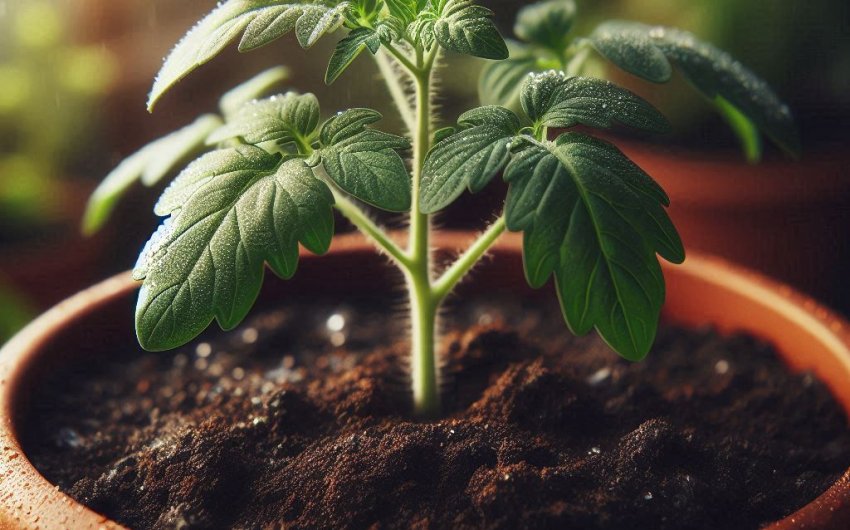
Growing juicy, sun-ripened tomatoes in pots is a rewarding experience, even for those with limited garden space. However, achieving a bumper harvest hinges on one crucial element: the right growing medium. Unlike planting in the ground, container cultivation demands a specialized blend. Understanding the best soil for growing tomatoes in containers is paramount, as this foundational choice dictates everything from drainage and aeration to nutrient availability, directly influencing your plants' health and yield.
Why Can't I Just Use Garden Soil in My Pots?
It's a common question for aspiring container gardeners: why can't I just scoop up some dirt from my backyard and fill my pots? The simple answer is that garden soil is fundamentally different from what's needed for successful container gardening, especially when growing demanding plants like tomatoes.
How Does Garden Soil Compact in Pots?
The primary reason you shouldn't use garden soil in containers is its tendency to compact severely in pots. Garden soil is heavy and dense, made up of fine mineral particles (sand, silt, clay) that, when confined and repeatedly watered, squeeze together tightly.
- Loss of Air Pockets: Healthy plant roots need oxygen to breathe, just like leaves. In compacted garden soil, the tiny air pockets necessary for root respiration are crushed. Roots essentially suffocate, leading to poor nutrient absorption, stunted growth, and eventually, root rot.
- Poor Drainage: Compacted soil also severely impedes drainage. Water cannot move freely through the dense medium and will sit stagnant around the roots. This creates waterlogged conditions that deprive roots of oxygen and foster anaerobic (oxygen-lacking) bacteria, leading to the rapid decay of the root system.
- Weight: Garden soil is heavy. A large pot filled with compacted garden soil can be extremely heavy and difficult to move, posing challenges for repositioning your tomato plants for optimal sunlight.
In the open ground, natural processes like earthworms, roots, and freeze-thaw cycles constantly work to loosen garden soil and prevent severe compaction. These processes don't occur in a confined container, making specialized mixes essential for the best soil for growing tomatoes in containers.
What About Pests and Diseases in Garden Soil?
Another significant drawback of using garden soil in pots is the risk of introducing pests and diseases into your confined container environment. Garden soil is a living ecosystem, which is great for the ground but poses challenges in a pot.
- Weed Seeds: Garden soil is full of dormant weed seeds. When brought into a pot, these seeds will readily germinate, competing directly with your tomato plant for water, nutrients, and light. Weeding a dense, compacted pot is much harder than an open garden bed.
- Insect Larvae and Eggs: Many common garden pests (e.g., cutworms, grubs, fungus gnats, root maggots) lay their eggs or spend larval stages in the soil. Bringing this soil into a pot can introduce these pests directly to your tomato roots and stems, where they can quickly proliferate without natural predators to keep them in check.
- Soil-Borne Diseases: Garden soil can harbor various fungal, bacterial, and viral pathogens that cause common tomato diseases like Fusarium wilt, Verticillium wilt, or early blight. In a limited pot environment, these diseases can quickly overwhelm a single plant.
By contrast, the best soil for growing tomatoes in containers (potting mix) is typically sterile or pasteurized, meaning it's free from these undesirable elements, giving your tomato plant a clean, healthy start.
Does Garden Soil Lack Specific Container Plant Needs?
Beyond compaction and contaminants, garden soil simply lacks the specific characteristics that container plants like tomatoes require to thrive in a pot. Container environments are fundamentally different from in-ground conditions.
- Nutrient Availability: While garden soil contains nutrients, their availability can vary wildly, and they are not always in a readily usable form for plants. More importantly, nutrients in pots tend to leach out quickly with watering, requiring continuous replenishment. Garden soil often isn't optimized for this rapid turnover.
- Consistent Moisture: Garden soil, especially if it's heavy clay, can hold too much water, leading to root rot. If it's very sandy, it can dry out too quickly. The ideal container mix needs to balance excellent drainage with good water retention.
- pH Stability: The pH (acidity/alkalinity) of garden soil can fluctuate. In a container, it's easier for the pH to shift, impacting nutrient uptake. A good potting mix provides a more stable pH.
Therefore, for the sake of your tomato's health, yield, and your gardening success, choosing a specialized potting mix designed for containers is non-negotiable for finding the best soil for growing tomatoes in containers.
What Makes the Best Soil for Growing Tomatoes in Containers?
The ideal soil for growing tomatoes in containers is not actually "soil" in the traditional sense, but rather a specialized potting mix or "soilless mix." This blend is engineered to provide the perfect balance of elements crucial for a tomato's robust growth in a confined environment.
Why is Good Drainage Important?
Good drainage is paramount for the best soil for growing tomatoes in containers. Tomatoes, while thirsty, absolutely hate having "wet feet." This means their roots should never sit in standing water.
- Prevents Root Rot: When soil is waterlogged, oxygen is driven out, and roots essentially suffocate and begin to rot. Root rot is a common killer of container plants and manifests as yellowing, wilting leaves (even if the soil is wet), and ultimately plant death.
- Encourages Deep Root Growth: Well-draining soil encourages roots to grow deeper, seeking out moisture and nutrients throughout the pot. This creates a stronger, more resilient plant.
- Flushes Salts: As you water and fertilize, mineral salts can accumulate in the soil. Good drainage allows these salts to be flushed out, preventing toxic buildup that can harm roots.
Ingredients like perlite or coarse sand (in moderation) are critical for promoting drainage by creating larger air spaces within the mix that allow water to move through quickly. Even if the mix feels slightly heavy when wet, water should freely exit the bottom of the pot.
How Does Aeration Affect Root Health?
Closely linked to drainage, aeration refers to the presence of sufficient air pockets within the potting mix. This is absolutely vital for healthy tomato roots in containers.
- Oxygen for Respiration: Just like humans, plant roots "breathe" – they take in oxygen for cellular respiration, a process that converts sugars (food produced by leaves) into energy for growth, nutrient absorption, and water uptake.
- Prevents Anaerobic Conditions: Without enough air, the soil becomes anaerobic (oxygen-deprived), leading to the proliferation of harmful bacteria that produce toxic compounds and cause root decay.
- Nutrient Uptake: Roots cannot efficiently absorb water and nutrients without adequate oxygen. Even if nutrients are present in the soil, the plant can't utilize them.
Ingredients such as perlite, vermiculite, and pine bark fines are excellent for improving aeration by creating and maintaining stable air pockets in the potting mix, even when wet. The best soil for growing tomatoes in containers will feel light and fluffy, not dense or heavy, indicating good aeration.
Why is Water Retention Important?
While good drainage and aeration are crucial, the best soil for growing tomatoes in containers also needs excellent water retention. This might seem contradictory, but it's about balance. Tomatoes are heavy feeders and drinkers, especially when fruiting, and pots dry out much faster than garden beds.
- Consistent Moisture: Water retention means the potting mix can hold onto enough moisture to keep the plant hydrated between waterings. This is essential for preventing drought stress, which can lead to problems like blossom end rot in tomatoes.
- Nutrient Delivery: Water acts as the transportation system for nutrients from the soil to the plant roots. Good water retention ensures a steady supply of dissolved nutrients.
- Reduced Watering Frequency: A mix that holds water well means you won't have to water your tomatoes several times a day in hot weather, saving you time and effort.
Ingredients like peat moss (or its sustainable alternative, coco coir), along with vermiculite, are excellent for water retention because they can absorb and hold many times their weight in water. They release this moisture slowly as the plant needs it, ensuring consistent hydration without becoming waterlogged. The best soil for growing tomatoes in containers strikes a delicate balance: it drains quickly to prevent root rot but retains enough moisture to keep your thirsty tomato plant happy.
How Do Nutrients Factor into Container Soil?
Nutrients are the food that your tomato plants need to grow, flower, and produce fruit. While traditional garden soil contains some nutrients, a specialized potting mix for containers needs a specific approach to nutrient delivery, as resources in a pot are finite and quickly depleted.
- Initial Nutrient Charge: Many high-quality commercial potting mixes come with a "starter charge" of slow-release fertilizer. This provides your tomato plant with enough food for the first few weeks (usually 2-4 weeks), giving it a good start.
- Ongoing Fertilization: Because nutrients in pots leach out with each watering and are quickly consumed by a hungry tomato plant, ongoing fertilization is absolutely essential. The potting mix itself serves as a medium for roots and water, but it needs supplemental feeding throughout the growing season.
- Organic Matter: Ingredients like compost and worm castings (often included in organic potting mixes) provide a slow, steady release of a broad spectrum of nutrients and foster beneficial microbial life, which further aids nutrient availability.
- pH Level: The pH (acidity or alkalinity) of the potting mix influences nutrient availability. Most tomatoes prefer a slightly acidic to neutral pH (around 6.0-6.8). A good potting mix will either have a stable pH in this range or contain buffering agents.
Even with the best soil for growing tomatoes in containers, you will need to supplement with liquid or granular fertilizers as your tomato plant grows and starts to produce fruit, as the initial nutrients in the mix will not last the entire season for a heavy feeder like a tomato.
What Are the Key Ingredients for Tomato Potting Mixes?
To create the best soil for growing tomatoes in containers, you need to understand the function of each core ingredient in a quality potting mix. Whether you buy pre-made or mix your own, these components are essential.
What is Peat Moss or Coco Coir?
Peat moss and coco coir are the primary base ingredients in most commercial and DIY potting mixes, chosen for their excellent ability to retain water and provide aeration. They are critical for the best soil for growing tomatoes in containers.
- Peat Moss: Traditionally, peat moss has been the go-to choice. It is harvested from peat bogs and is highly effective at holding moisture (up to 20 times its weight in water) and providing aeration due to its fibrous structure. It's also naturally acidic (pH 3.5-4.5), which can be beneficial for acid-loving plants or easily adjusted with lime for tomatoes. However, it can become difficult to rewet if it dries out completely, and its harvest raises sustainability concerns.
- Coco Coir: A more sustainable alternative, coco coir is a fibrous material derived from coconut husks, a byproduct of the coconut industry. It has comparable (or even superior) water-holding capacity to peat moss, excellent aeration, and re-wets easily even after drying out. It also tends to have a more neutral pH (5.5-6.5), which is closer to the ideal range for tomatoes, requiring less pH adjustment. Many gardeners prefer organic coco coir for their mixes.
Both materials act as the structural "sponge" in the potting mix, providing a lightweight base that can hold water and air effectively. For the best soil for growing tomatoes in containers, choose whichever aligns with your preferences and availability.
Why is Perlite or Vermiculite Necessary?
Perlite and vermiculite are lightweight, inert (non-reactive), and sterile materials added to potting mixes specifically to improve drainage and aeration. They are vital for preventing compaction and ensuring roots can breathe in the best soil for growing tomatoes in containers.
- Perlite: This is expanded volcanic glass, appearing as small, white, porous, lightweight bits. Its primary role is to create permanent air pockets within the potting mix, preventing compaction and ensuring excellent drainage. Perlite holds very little water itself, letting excess water flow freely. It's especially useful in mixes where rapid drainage is crucial. You can purchase perlite for gardening in various sizes.
- Vermiculite: This is a hydrated mineral that expands when heated. It looks like small, shiny, layered flakes. While it also improves aeration, vermiculite has a unique ability to hold onto water and nutrients within its layers, releasing them slowly. This makes it a great choice for balancing both aeration and moisture retention. It also helps to buffer pH changes.
Many high-quality mixes for tomatoes will contain both perlite and vermiculite to leverage their combined benefits: superior drainage and aeration from perlite, and good moisture/nutrient retention with some aeration from vermiculite. This combination contributes significantly to the optimal environment provided by the best soil for growing tomatoes in containers.
What Role Does Compost or Worm Castings Play?
Adding compost or worm castings to your tomato potting mix is like providing a slow-release multivitamin for your plants. These organic materials are invaluable for boosting natural fertility, improving soil structure, and introducing beneficial microbial life. They are crucial components in creating the best soil for growing tomatoes in containers.
- Nutrient Source: Both compost and worm castings are packed with a broad spectrum of macronutrients (nitrogen, phosphorus, potassium) and micronutrients (calcium, magnesium, iron, etc.) that are released slowly as they break down. This provides a steady, gentle food supply for your tomato plant, reducing the reliance on synthetic fertilizers. Organic compost for gardening is readily available.
- Beneficial Microbes: Compost and especially worm castings are teeming with beneficial microorganisms. These microbes play a vital role in making nutrients available to plant roots, improving overall soil health, and even suppressing some plant diseases.
- Improved Water Retention and Aeration: Organic matter acts like a sponge, improving the water-holding capacity of the mix. At the same time, it helps maintain a crumbly structure that prevents compaction and ensures good aeration.
When using compost or worm castings, ensure they are fully "finished" – dark, earthy-smelling, and no longer resembling the original materials. Unfinished compost can actually deplete nitrogen as it decomposes. Aim for 10-20% compost or worm castings in your total potting mix volume for the best soil for growing tomatoes in containers.
Do I Need Any Other Amendments for Tomatoes?
While peat/coco coir, perlite/vermiculite, and compost/worm castings form the core of the best soil for growing tomatoes in containers, a few other amendments can be added to fine-tune the mix for optimal tomato growth.
- Lime (Dolomitic Lime): If your potting mix is primarily peat moss (which is acidic), adding a small amount of dolomitic lime is often necessary to raise the pH to the ideal range for tomatoes (6.0-6.8). Dolomitic lime also provides essential calcium and magnesium, which can help prevent blossom end rot (a common tomato issue). Coco coir is generally more pH neutral and might not need lime.
- Mycorrhizal Fungi: These beneficial fungi form a symbiotic relationship with plant roots, effectively extending the root system and improving the plant's ability to absorb water and nutrients, especially phosphorus. Many mycorrhizal inoculants are available and can be mixed into the potting medium.
- Slow-Release Organic Fertilizers: Even with compost, a long-season, heavy-feeding plant like a tomato will benefit from a dedicated slow-release organic granular fertilizer mixed into the soil at planting time. Look for an organic vegetable fertilizer that is balanced (e.g., 5-5-5 or similar). This provides consistent nutrition throughout the season.
- Calcium Source (Beyond Lime): If blossom end rot is a recurring problem and your pH is already good, you might consider adding an additional calcium source like bone meal (also provides phosphorus) or crushed eggshells (though eggshells break down slowly).
Always research any additional amendments and use them sparingly, as too much of a good thing can be detrimental. The goal is to create a balanced, nutrient-rich, and well-structured environment for the best soil for growing tomatoes in containers.
How Do I Choose a Commercial Potting Mix for Tomatoes?
For many gardeners, purchasing a pre-made commercial potting mix is the easiest way to get the best soil for growing tomatoes in containers. However, not all potting mixes are created equal. Knowing what to look for on the label is crucial for success.
What Terms Should I Look For on the Bag?
When selecting a commercial potting mix for your container tomatoes, don't just grab the cheapest bag. Take the time to read the label carefully, looking for specific terms that indicate a quality product suitable for heavy feeders.
- "Potting Mix," "Container Mix," or "Soilless Mix": These terms confirm the product is designed for containers and will have the necessary drainage and aeration. Absolutely avoid anything labeled "garden soil," "topsoil," or "landscape soil."
- "Lightweight" or "Well-Draining": These are good indicators that the mix will resist compaction and provide adequate aeration, crucial for tomato roots.
- "Moisture-Retentive" or "Holds Water": While promoting drainage, the mix also needs to hold enough moisture. Terms like "with coco coir" or "contains vermiculite" suggest good water retention.
- "For Vegetables" or "For Tomatoes": Some brands offer specialized mixes for vegetables or even tomatoes, which may have adjusted pH levels or nutrient balances specifically for these plants.
- Ingredients List: Look for a blend of materials like:
- Peat Moss or Coco Coir: The base.
- Perlite and/or Vermiculite: For aeration and drainage.
- Compost or Worm Castings: Indicate natural fertility.
- Slow-Release Fertilizer: Many mixes include this. The label should state how long it feeds (e.g., "feeds for up to 3 months").
- Wetting Agent: Some mixes include a wetting agent to help the mix absorb water more easily, especially if it's peat-based.
- OMRI Listed (for Organic): If you're growing organic tomatoes, look for the "OMRI Listed" seal, which certifies that all ingredients are approved for organic gardening.
A slight squeeze of the bag should feel light and airy, not dense or heavy. Choosing the right commercial potting mix is key to providing the best soil for growing tomatoes in containers.
Are Organic Potting Mixes Better for Tomatoes?
The choice between organic and conventional potting mixes for your container tomatoes often comes down to your personal gardening philosophy. However, organic potting mixes offer several distinct advantages, especially when growing edible crops.
Advantages of Organic Potting Mixes:
- Safe for Edibles: If you're concerned about chemical residues on your food, organic mixes are formulated without synthetic fertilizers or pesticides. This means you're providing a natural, food-safe environment for your tomatoes. Look for a USDA organic potting mix.
- Feeds the Soil Life: Organic mixes typically include compost and other natural amendments that encourage a thriving microbial population in the soil. These beneficial microbes help break down organic matter, make nutrients more available to plants, and can even suppress diseases.
- Slow, Steady Nutrient Release: Natural fertilizers break down gradually, providing a consistent supply of nutrients over time. This reduces the risk of "burning" your plants from over-fertilization, which can happen with synthetic quick-release fertilizers.
- Sustainability: Many organic mixes prioritize renewable resources like coco coir over peat moss.
Disadvantages of Organic Potting Mixes:
- Higher Cost: Organic mixes are often more expensive due to the sourcing and processing of natural ingredients.
- Initial Nutrient Boost: Some organic mixes might not have as strong an initial nutrient charge as conventional ones, meaning you might need to start liquid feeding slightly sooner.
- Odor: Some natural ingredients (like fish meal or blood meal) can have a mild odor when the bag is first opened.
Ultimately, both organic and conventional high-quality potting mixes can grow great tomatoes. However, for gardeners prioritizing ecological practices and chemical-free food, an organic potting mix is usually considered the best soil for growing tomatoes in containers.
How Do I Prepare and Use My Container Soil for Tomatoes?
Once you've chosen the best soil for growing tomatoes in containers, knowing how to properly prepare and use it in your pots is just as important. Correct technique ensures optimal conditions for your tomato plant from day one.
How Do I Properly Fill My Tomato Container?
Properly filling your tomato container might seem simple, but a few key steps ensure your tomato plant gets the best start and that drainage functions correctly.
- Ensure Drainage Holes: This is absolutely critical. Your chosen container must have adequate drainage holes at the bottom. If it doesn't, you'll need to drill several 1/2 to 1-inch holes. Without proper drainage, any potting mix will eventually become waterlogged, leading to root rot.
- Avoid a Drainage Layer: Do NOT put gravel, broken pot shards, or sand at the bottom of your container. This common misconception actually creates a "perched water table," which impedes drainage and reduces the usable volume of your potting mix. Simply use a piece of mesh screen or a coffee filter over the drainage holes to prevent the potting mix from washing out.
- Moisten the Potting Mix (Before Filling): It's often easier to pre-moisten your potting mix before you put it in the pot. Dry peat or coco coir can be difficult to wet evenly once it's in a container, potentially leading to hydrophobic spots. Pour your chosen potting mix into a large tub, wheelbarrow, or bucket. Gradually add water and mix it by hand until it feels consistently damp, like a wrung-out sponge – moist but not dripping wet.
- Fill the Container: Fill your tomato container with the moistened potting mix, leaving about 1-2 inches of space between the top of the mix and the rim of the pot. This "watering space" is essential; it prevents water from overflowing the sides when you water thoroughly and ensures the mix can fully absorb the water.
- Gently Settle (Don't Compact): After filling, gently tap the pot a few times on the ground or lightly press the mix around the edges. The goal is to settle the mix and remove large air pockets, not to compact it tightly. You want to preserve the aeration.
By following these steps, you create the ideal starting environment within the best soil for growing tomatoes in containers for your plant's roots to establish themselves and thrive.
Should I Reuse Potting Mix for Tomatoes?
Generally, it is not recommended to reuse old potting mix for tomatoes, especially for successive crops in the same container. While some components can be revitalized, direct reuse comes with significant risks.
Risks of Reusing Potting Mix:
- Nutrient Depletion: Your previous tomato plant was a heavy feeder and likely used up most of the available nutrients in the mix. What's left is largely inert filler. New plants will quickly become starved.
- Compaction: Over a season, even the best potting mix will break down and compact, losing its ideal structure, aeration, and drainage.
- Pest and Disease Carryover: This is the biggest risk. Old potting mix can harbor insect eggs, larvae, fungal spores, and bacterial pathogens from previous plants. Reusing it can lead to a rapid re-infestation or re-infection of your new tomato plants, especially with common tomato diseases like blights or wilts.
- Salt Buildup: Fertilizers and tap water can lead to an accumulation of mineral salts in the old mix, which can become toxic to new plant roots.
Rejuvenating Old Potting Mix (with caution): If you have a large volume of old potting mix and wish to be resourceful, you can rejuvenate it, but it's often more effort than it's worth for just a few tomato plants.
- Remove all old roots and debris.
- Mix the old potting mix with at least 50% fresh, new organic potting mix.
- Add generous amounts of fresh compost or worm castings for nutrients.
- Add fresh perlite or vermiculite to restore aeration.
For the best soil for growing tomatoes in containers and to minimize risks, it's always safest and most effective to start with fresh, high-quality potting mix each season.
Achieving a triumphant harvest of sun-kissed tomatoes from pots begins and ends with selecting the best soil for growing tomatoes in containers. This specialized potting mix, distinct from ordinary garden soil, provides the critical balance of drainage, aeration, water retention, and initial nutrients that these thirsty, productive plants demand in a confined space. By understanding the vital role of ingredients like peat moss or coco coir, perlite or vermiculite, and rich organic matter, you equip your tomato plants with the ideal foundation for vigorous growth and abundant fruit production, transforming your container gardening efforts into a truly rewarding success.