
Green Thumb Awaits: A Step-by-Step Guide to Starting a Vegetable Garden
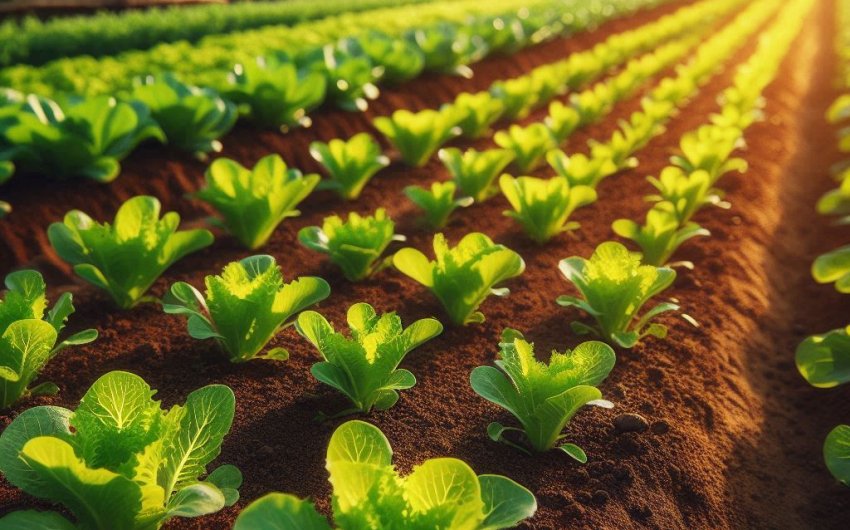
The dream of harvesting fresh, homegrown produce is a desire many share, yet the thought of getting started can feel overwhelming. Transforming a patch of ground into a thriving source of delicious food doesn't require a green thumb from birth, just a clear roadmap. This step-by-step guide to starting a vegetable garden simplifies the process, breaking down what might seem like complex tasks into manageable, achievable actions. From choosing the perfect spot to enjoying your first harvest, embark on this rewarding journey with confidence.
What's the First Step to Starting a Vegetable Garden?
Before you even dig into the dirt, the crucial first step to starting a vegetable garden involves thoughtful planning and observation. Rushing this stage can lead to frustrating challenges down the line. It's about understanding your environment and what your plants will need to thrive.
How Do I Choose the Right Location?
Choosing the right location is arguably the most critical decision when you're starting a vegetable garden. Vegetables are particular about their environment, and getting this wrong can severely limit your success.
- Sunlight is Key: Most vegetables, especially those that produce fruits (like tomatoes, peppers, squash, cucumbers, corn), are "full sun" plants. This means they need at least 6-8 hours of direct sunlight per day to grow vigorously and produce abundantly. Less sun will result in leggy plants, fewer flowers, and smaller harvests.
- Observation: Spend a full day observing your yard. Note where the sun hits at different times of day. A spot that gets morning sun is often ideal, as it helps dry dew from leaves, reducing fungal diseases, before the intense midday sun.
- Proximity to Water Source: You will be watering your garden regularly, especially during dry spells. Choose a location that is easily accessible with a hose or watering can. Hauling water long distances will quickly become a tiresome chore.
- Good Drainage: Vegetables prefer well-drained soil. Avoid low-lying areas where water tends to collect after rain, as consistently soggy soil can lead to root rot. If your chosen spot has poor drainage, consider a raised bed.
- Protection: Ideally, choose a spot that is somewhat protected from strong winds, which can damage plants, and away from large trees or shrubs whose roots might compete for water and nutrients.
- Accessibility: Place your garden where you'll see it often and can easily access it for weeding, watering, and harvesting. "Out of sight, out of mind" can lead to neglect.
By carefully selecting a sunny, well-drained, and convenient location, you set your garden up for success before any seeds are sown.
How Big Should My First Garden Be?
For your very first attempt at starting a vegetable garden, the advice is almost always the same: start small! It's far better to have a small, successful garden than a large, overwhelming one that leads to burnout.
- Manageable Size: A 4x4 foot or 4x8 foot raised bed, or even a few large containers, is an excellent starting point. This size is big enough to yield a satisfying amount of produce but small enough that you won't get overwhelmed by weeding, watering, or pest control.
- Learning Opportunity: A small garden allows you to learn the basics of gardening – how plants grow, their water needs, pest identification, and harvesting techniques – without too much commitment or potential for failure.
- Time Commitment: A smaller garden requires less time for weeding and maintenance. This is crucial for maintaining enthusiasm, especially for busy individuals.
- Scalability: If your first small garden is a roaring success, you can always expand in future seasons, adding more beds or increasing the size of your current ones.
Resist the urge to plant everything you want at once. Focus on a few favorite vegetables that are known to be beginner-friendly. This manageable approach ensures your journey of starting a vegetable garden is enjoyable and sustainable.
What Tools Do I Need to Start?
You don't need a shed full of fancy equipment to begin starting a vegetable garden. A few basic, good-quality tools will get you a long way.
- Shovel or Spade: Essential for turning soil, digging holes, and moving materials. A sturdy garden shovel is invaluable.
- Garden Fork: Great for breaking up compacted soil, aerating, and mixing in compost. A digging fork can be gentler on your back than a shovel for some tasks.
- Hand Trowel: For planting seedlings, digging smaller holes, and weeding. A hand trowel with a comfortable grip is a must.
- Hand Cultivator (or Weeding Fork): For breaking up small clumps of soil and light weeding.
- Garden Hoe: For weeding larger areas and preparing rows. A garden hoe can save a lot of bending.
- Rake: For leveling soil and clearing debris. A bow rake is good for heavier work.
- Watering Can or Hose with Spray Nozzle: For consistent and gentle watering. A watering wand on your hose gives more control.
- Garden Gloves: Protect your hands from dirt, thorns, and blisters. Find durable garden gloves for comfort.
Keeping your tools clean and sharp will make gardening easier and more enjoyable. These basic tools are all you need to confidently begin your step-by-step guide to starting a vegetable garden.
How Do I Prepare the Garden Bed?
Once you've chosen your location, the next critical phase in starting a vegetable garden is preparing the actual bed. This foundational work sets the stage for healthy soil and strong plant growth.
Should I Dig Up Existing Grass or Weeds?
Yes, you absolutely need to thoroughly dig up (or otherwise remove) existing grass or weeds before planting your vegetable garden. This is a non-negotiable step for success.
- Competition: Grass and weeds are incredibly competitive. They have established root systems and will aggressively compete with your young vegetable seedlings for precious water, nutrients, and sunlight. If left in place, they will quickly outgrow and smother your vegetables, leading to stunted growth and poor yields.
- Weed Seeds: Existing weeds will produce countless seeds that will germinate throughout the season, creating a never-ending weeding battle. Removing them before planting significantly reduces future weed pressure.
- Pest and Disease Habitat: Some weeds can harbor pests or diseases that can then spread to your vegetable crops.
Methods for Removing Existing Vegetation:
- Manual Removal: For smaller areas, use a garden shovel or sod cutter to physically dig out the sod or weeds. Ensure you remove as much of the roots as possible.
- Sheet Mulching (Lasagna Gardening): An excellent organic, no-dig method. Layer wet cardboard (remove all tape/labels), then alternating layers of "greens" (kitchen scraps, grass clippings) and "browns" (dry leaves, straw, shredded paper). This smothers existing vegetation and slowly creates rich soil. It's best done in fall for spring planting. You'll need large cardboard boxes and a good supply of organic straw bales.
- Solarization: For larger, sunny areas. Mow existing vegetation short, water thoroughly, then cover with clear plastic sheeting (4-6 mil thick), sealing the edges. The sun heats the soil, killing weeds and seeds. Takes 6-8 weeks in hot summer. A roll of clear plastic sheeting is needed.
- Tilling: Using a rototiller can quickly break up sod, but it can also bring dormant weed seeds to the surface and disrupt soil structure. Best for large areas where other methods aren't feasible.
Whichever method you choose, a clean, weed-free start is vital for your success in starting a vegetable garden.
How Do I Improve the Soil?
Once the initial vegetation is removed, the single most important thing you can do for your garden's long-term health is to improve the soil. Healthy soil is the foundation of a productive vegetable garden.
- Add Organic Matter: This is the golden rule of gardening. Incorporate copious amounts of finished compost or well-rotted manure into your garden beds.
- Compost: Improves soil structure, drainage in clay soils, water retention in sandy soils, and provides a slow, steady release of nutrients. You can buy organic garden compost or make your own.
- Worm Castings: An even richer form of compost, great for nutrient boost. You can purchase worm castings.
- How Much: Aim for at least a 2-4 inch layer of compost spread over your garden bed, then work it into the top 6-12 inches of soil using a garden fork or shovel.
- Test Your Soil (Optional but Recommended): A soil test kit or a professional lab test (through your local university extension office) will tell you your soil's pH level and nutrient deficiencies. This helps you know if you need to add lime (to raise pH) or specific fertilizers. For a beginner, just adding compost is usually sufficient.
- Avoid Over-Tilling: While initial digging to break up sod is fine, excessive tilling year after year can destroy soil structure and the beneficial microbial life. Focus on adding organic matter from the top.
Building healthy, living soil is a long-term process, but incorporating good organic matter from the start provides the best possible environment for your vegetables to thrive. This is fundamental to your step-by-step guide to starting a vegetable garden.
Should I Choose Raised Beds or In-Ground?
The choice between raised beds or in-ground gardening is a common consideration when starting a vegetable garden, and each has its pros and cons, especially for a beginner.
- In-Ground Garden:
- Pros: Lower initial cost (no materials for beds), roots can access deeper soil, can be expanded easily.
- Cons: Requires more effort for initial soil preparation (digging out sod/weeds), drainage can be an issue in heavy clay soils, compaction can occur if walked on, can be harder on the back.
- Raised Beds:
- Pros:
- Better Soil Control: You fill them with ideal soil from the start, ensuring excellent drainage and aeration. You can buy raised bed soil mix.
- Reduced Weeds: Fewer weeds often sprout from the ideal soil you fill it with, and external weeds are easier to spot.
- Extended Season: Soil in raised beds warms up faster in spring and stays warmer longer in fall.
- Accessibility: Easier to work in, as you don't have to bend over as far.
- Neatness: Clearly defined garden spaces.
- Cons: Higher initial cost for materials (wood, stone, metal), soil can dry out faster in hot weather, requires buying or mixing a lot of soil to fill. You can get a cedar raised garden bed kit.
- Pros:
For a beginner with limited space or less-than-ideal native soil, raised beds are often highly recommended. They create an immediate, productive environment that is easier to manage. If you have good soil and prefer a lower initial investment, an in-ground bed is also perfectly viable.
How Do I Choose What to Plant?
With your garden bed prepared, the exciting part begins: deciding what to plant! This choice should balance your preferences with what grows well in your area and for a beginner.
What are the Easiest Vegetables to Grow for Beginners?
For your first vegetable garden, choosing easy vegetables to grow will boost your confidence and ensure a rewarding harvest. These plants are generally forgiving, productive, and less prone to major pest or disease issues.
- Lettuce and Leafy Greens: Fast-growing, tolerate some shade, and can be harvested repeatedly. Try a salad greens seed mix.
- Radishes: Super fast from seed to harvest (as little as 3-4 weeks), very satisfying for impatient gardeners!
- Bush Beans: Don't require staking, produce abundant harvests, and are relatively pest-free. Look for bush bean seeds.
- Zucchini/Summer Squash: Incredibly prolific, often producing more than you can eat. Just one plant is usually enough for a family.
- Cherry Tomatoes: While full-sized tomatoes can be challenging, cherry varieties are often more forgiving and prolific, perfect for snacking. Get a cherry tomato plant or seeds.
- Peppers (Bell or Mild Chili): Fairly easy and productive, especially in hot climates.
- Carrots: Require loose, well-drained soil, but rewarding to pull up.
- Cucumbers: Vining types need a trellis but produce heavily. Bush varieties are also available for smaller spaces.
- Herbs: Basil, mint, chives, parsley are generally easy and productive.
Resist the temptation to grow too many different things in your first garden. Stick to a few favorites from this list to maximize your chances of success.
Should I Start Seeds or Buy Transplants?
For a beginner starting a vegetable garden, deciding whether to start seeds or buy transplants (young plants from a nursery) is an important consideration. Each method has its pros and cons.
Buying Transplants:
- Pros: Instant garden! You bypass the tricky seed-starting phase, saving time and equipment. Plants are usually more robust and ready to go in the ground, giving you a head start on the season. Great for heat-loving plants like tomatoes, peppers, and eggplants that need a long growing season.
- Cons: More expensive per plant than seeds. Limited variety – nurseries usually only stock popular types. Risk of introducing pests or diseases if you buy from an unhealthy source.
- Recommended For: Beginners, impatient gardeners, heat-loving plants in short-season climates. Look for healthy vegetable plant starts at local nurseries.
Starting Seeds Indoors:
- Pros: Much cheaper, especially if you want many plants. Access to a vast array of varieties (heirloom, unique, disease-resistant). Very satisfying to watch growth from scratch.
- Cons: Requires indoor setup (grow lights, heat mats), more time-consuming, requires consistent care (watering, hardening off). Can be challenging for beginners.
- Recommended For: Gardeners on a budget, those wanting unique varieties, or those with experience. You'll need seed starting mix and seed trays.
Direct Sowing Seeds Outdoors:
- Pros: Easiest method for certain plants. No indoor setup needed.
- Cons: Limited to cool-season plants (radishes, carrots, lettuce, peas, beans) or those that don't transplant well. Risk of birds or pests eating seeds.
- Recommended For: Root vegetables, leafy greens, beans, peas.
For your first step-by-step guide to starting a vegetable garden, a combination is often best: buy tomato, pepper, and eggplant transplants, and direct sow easier crops like beans, radishes, and lettuce seeds.
What is a Planting Calendar?
A planting calendar is an invaluable tool for any gardener, especially when starting a vegetable garden. It's essentially a guide that tells you the optimal times to plant specific vegetables in your local area, both indoors and outdoors.
- Hardiness Zone: Your planting calendar will be based on your USDA Plant Hardiness Zone (or equivalent international zone). This zone indicates the average annual extreme minimum winter temperature, which dictates which plants can survive winter in your area.
- Last Frost Date: The most critical piece of information on a planting calendar is your average last spring frost date. This is the date after which it's generally safe to plant frost-sensitive crops like tomatoes and peppers outdoors. Planting too early risks losing plants to a late frost.
- First Frost Date: Also important for knowing when to harvest or protect tender crops in the fall.
What a Planting Calendar Tells You:
- When to start seeds indoors: (e.g., 6-8 weeks before last frost date for tomatoes).
- When to transplant seedlings outdoors: (e.g., after last frost date).
- When to direct sow seeds outdoors: (e.g., 2 weeks before last frost for peas, after last frost for beans).
- Succession Planting: Some calendars will also guide you on when to plant successive crops for continuous harvest.
You can find a free planting calendar specific to your region by searching online for "planting calendar [your state/region]" or by contacting your local university extension office. Following a planting calendar maximizes your chances of successful germination and growth by planting at the right time.
How Do I Plant My Vegetables?
Once you've prepared your bed and chosen your plants, it's time for the exciting moment of actually planting them in your vegetable garden. Proper planting techniques ensure strong roots and healthy growth.
How Do I Plant Seeds Directly Outdoors?
Direct sowing seeds outdoors is the simplest way to plant certain vegetables, especially those that dislike being transplanted (like root vegetables) or that grow quickly. This is a fundamental technique for starting a vegetable garden.
- Prepare the Row/Area: Use a garden hoe or hand trowel to create a shallow furrow (a small trench) or a designated area for broadcasting seeds.
- Read Seed Packet: Always read the seed packet carefully! It will tell you:
- Planting Depth: How deep to bury the seeds.
- Spacing: How far apart to plant seeds or rows.
- Thinning: If and when to thin out seedlings.
- Sow the Seeds:
- Small Seeds (e.g., carrots, lettuce): Sprinkle them thinly along the row. It's hard to sow these perfectly, so you'll thin them later.
- Larger Seeds (e.g., beans, peas): Space them individually at the recommended distance.
- Cover Gently: Lightly cover the seeds with the recommended amount of soil. For very small seeds, a fine dusting is often enough. You can gently tamp the soil to ensure good seed-to-soil contact.
- Water Gently: Water the newly sown area thoroughly but gently using a fine spray, like a mist nozzle for garden hose, so you don't wash away the tiny seeds. Keep the soil consistently moist until germination occurs.
- Label: Label your rows immediately so you remember what you planted where! Use garden markers that are durable.
As seedlings emerge, you'll need to thin them to the recommended spacing to give them enough room to grow and thrive. This step is critical for good yields.
How Do I Transplant Seedlings Outdoors?
Transplanting seedlings outdoors (whether you started them indoors or bought them from a nursery) requires a gentle touch and careful timing to minimize stress and ensure your young plants adapt well to their new home. This is a common step in starting a vegetable garden.
- Harden Off Seedlings (if starting indoors): This is a crucial step! Gradually expose your indoor-grown seedlings to outdoor conditions (wind, direct sun, cooler temperatures) over 7-14 days before planting. Start with an hour or two in a shaded, sheltered spot, gradually increasing exposure and moving them to sunnier locations. Skipping this step can shock and kill your plants.
- Prepare Planting Holes: Dig a hole for each seedling that is slightly wider and deeper than its current pot.
- Water Seedlings: Water your seedlings thoroughly in their pots about an hour before transplanting. This makes it easier to remove them from their containers and reduces transplant shock.
- Remove from Pot: Gently squeeze the pot or tap the bottom to loosen the root ball. Carefully slide the plant out, trying to keep the root ball intact. Avoid pulling the plant by its stem. If roots are circling at the bottom (root-bound), gently loosen them.
- Plant at Proper Depth:
- Most Seedlings: Plant at the same depth they were in their original pot.
- Tomatoes: Can be planted deeper, up to their first set of true leaves, as they will root along the buried stem, creating a stronger root system.
- Backfill and Firm: Gently backfill the hole with your prepared garden soil, firming it lightly around the base of the plant to remove large air pockets and ensure good soil-to-root contact.
- Water Thoroughly: Water generously immediately after planting to help settle the soil around the roots and reduce transplant shock.
- Label: Label your newly planted seedlings.
Planting on a cloudy day or in the late afternoon can also help reduce transplant shock. Provide any necessary support like tomato stakes or pepper cages at the time of planting to prevent damage later.
How Do I Care for My New Vegetable Garden?
Planting is a big milestone, but the journey of starting a vegetable garden continues with ongoing care. Consistent attention to these basic needs will ensure your plants grow strong and produce bountiful harvests.
How Often Should I Water My Garden?
Watering is arguably the most critical daily task for a healthy vegetable garden. Getting it right is essential for your plants to thrive and produce well.
- Consistency is Key: Vegetables prefer consistent moisture. Extreme fluctuations (very dry then very wet) can stress plants and lead to problems like blossom end rot in tomatoes or splitting fruit.
- Feel the Soil: Don't water on a rigid schedule. The best way to know when to water is to feel the soil. Stick your finger 2-3 inches deep into the soil. If it feels dry, it's time to water. If it feels damp, wait. You can also use a soil moisture meter.
- Water Deeply and Infrequently: This is the golden rule. When you water, water thoroughly and slowly enough that the water penetrates deep into the root zone (at least 6-8 inches). This encourages roots to grow deeper, making plants more drought-tolerant. Light, frequent sprinkling only wets the surface and encourages shallow roots.
- Best Time to Water: Water in the early morning. This minimizes water loss to evaporation before the heat of the day, and allows any water on leaves to dry, reducing the risk of fungal diseases.
- Avoid Overhead Watering: Wherever possible, water at the base of the plants using a soaker hose (like a flat soaker hose), drip irrigation, or a watering can. This keeps foliage dry, which is important for preventing diseases.
Monitor your plants daily, especially during hot, dry, or windy weather. Their leaves will tell you if they're thirsty (wilting or dull appearance).
How Do I Control Weeds?
Weed control is an ongoing, essential task in any vegetable garden. Weeds compete directly with your vegetables for water, nutrients, and sunlight, and can quickly choke out desirable plants if left unchecked.
- Mulching: This is your best friend for weed control and also conserves water. Apply a 2-4 inch layer of organic mulch (like straw mulch, wood chips, or shredded leaves) around your plants. Mulch blocks sunlight, suppressing weed germination and growth.
- Hand-Weeding: For smaller areas, regularly hand-pull weeds, especially when they are small and the soil is moist. This is far easier than trying to remove large, established weeds. A hand weeder tool can be helpful.
- Shallow Cultivation: Use a hoe or hand cultivator to lightly disturb the top inch of soil to cut off small weed seedlings before they can establish deep roots. Be careful not to disturb your vegetable roots.
- Don't Let Weeds Go to Seed: If you have weeds, pull them before they produce seeds. One weed allowed to go to seed can produce thousands of new weed plants for next year.
Consistent, proactive weed control will free up your vegetables to grow vigorously and dedicate their energy to producing a bountiful harvest.
When Should I Fertilize My Vegetables?
While initial soil improvement with compost provides a good start, vegetables are heavy feeders and will generally need supplemental fertilization throughout the growing season, especially once they start flowering and fruiting.
- Initial Feeding: If you've incorporated a lot of compost into your soil, your plants might not need additional fertilizer for the first few weeks.
- Signs of Nutrient Deficiency: Watch for signs like yellowing leaves, stunted growth, or poor fruit set. This often indicates a need for nutrients.
- Liquid Fertilizers: For easy application, use a balanced liquid vegetable fertilizer (synthetic or organic like fish emulsion or kelp meal solution) every 2-4 weeks. Always dilute it according to package directions.
- Granular Fertilizers: You can also side-dress with a granular fertilizer. Spread it lightly around the base of plants, scratch it into the top inch of soil, and then water well. Look for an organic granular fertilizer for vegetables.
- Flowering/Fruiting Stage: When your tomatoes, peppers, or squash start to flower and set fruit, they benefit from fertilizers that are higher in phosphorus and potassium, which support fruit development, rather than just nitrogen (which promotes leafy growth).
- Compost Tea/Worm Tea: As a natural alternative, you can make compost tea by steeping compost in water, providing a gentle nutrient boost.
Always follow fertilizer instructions carefully; too much can burn plants. Consistent, balanced feeding is essential for maximizing the yield from your vegetable garden.
How Do I Harvest My Vegetables?
The culmination of your hard work in starting a vegetable garden is the joyful moment of harvesting your produce! Knowing when and how to pick your vegetables ensures the best flavor and encourages continued production.
When is the Best Time to Harvest?
Knowing the best time to harvest your vegetables is key to enjoying them at their peak flavor and often encourages the plant to produce more. Don't wait too long, as overripe vegetables can become tough or lose flavor.
- Read the Seed Packet/Plant Tag: This is your primary guide! It will often tell you the "days to maturity" from planting, and visual cues for ripeness.
- Visual Cues:
- Tomatoes: Turn uniformly red (or orange, yellow, etc., depending on variety). They should be firm but yield slightly to gentle pressure. Pull or twist gently at the stem. Using tomato harvesting shears can help.
- Cucumbers: Firm, uniformly green. Pick regularly to encourage more production.
- Zucchini/Summer Squash: Pick when small and tender (6-8 inches). They grow quickly!
- Beans: Pods are plump and snap easily. Pick often to keep plants producing.
- Lettuce/Greens: Harvest outer leaves as needed, allowing the inner leaves to continue growing. Avoid letting them "bolt" (send up a flower stalk), as leaves become bitter.
- Peppers: Can be harvested green or allowed to ripen to their mature color (red, yellow, orange) for a sweeter flavor. Pick firm, glossy fruits.
- Carrots: Check their size by gently brushing away soil at the crown. Harvest when roots are desired size.
- Herbs: Pick leaves as needed. Regular harvesting encourages bushier growth. For plants like basil, pinch off flower buds to encourage more leaf production. Use herb snips for clean cuts.
Harvesting regularly is important not just for flavor, but also to signal to the plant to keep producing. Many vegetables will stop producing if mature fruits or pods are left on the plant.
How Can I Encourage More Production?
Once your vegetable garden starts yielding, you can employ a few techniques to encourage more production and extend your harvest season.
- Consistent Harvesting: As mentioned, the single best way to keep plants producing is to pick ripe vegetables regularly. If a plant holds onto mature fruit, it thinks its job is done and slows down or stops producing new flowers/fruit.
- Succession Planting: For crops with shorter harvest windows (like lettuce, radishes, bush beans), sow small batches of seeds every 2-3 weeks during the growing season. This ensures a continuous supply as older plants finish producing.
- Pinching and Pruning:
- Tomatoes: For indeterminate (vining) varieties, "pinching suckers" (small shoots that grow in the crotch of a main stem and leaf branch) can redirect energy to fruit production and improve air circulation.
- Herbs: Regularly harvest or "pinch back" herbs like basil, mint, and oregano. This encourages bushier growth and prevents them from flowering prematurely (which can make leaves bitter).
- Fertilize Regularly: Continue your regular fertilization schedule, especially for heavy feeders.
- Provide Support: Ensure vining plants (cucumbers, pole beans, indeterminate tomatoes) have sturdy trellises or stakes to climb. This prevents disease by keeping foliage off the ground and improves air circulation, leading to healthier, more productive plants.
- Pest and Disease Management: Stay vigilant! Healthy, pest-free plants are productive plants. Address any issues promptly.
By tending to your garden regularly and understanding how to encourage production, you'll maximize your delicious yield from your efforts in starting a vegetable garden.
Embarking on the journey of starting a vegetable garden is a deeply satisfying and empowering experience. As this step-by-step guide to starting a vegetable garden illustrates, success hinges not on innate talent, but on careful planning, thoughtful preparation, and consistent care. From selecting the perfect sunny spot and enriching your soil to nurturing young seedlings and celebrating your first delicious harvests, each stage brings its own rewards. With patience and observation, you'll soon transform your space into a thriving, productive oasis, connecting with nature and enjoying the unparalleled taste of homegrown food.