
Organic Pest Control for Vegetable Seedlings
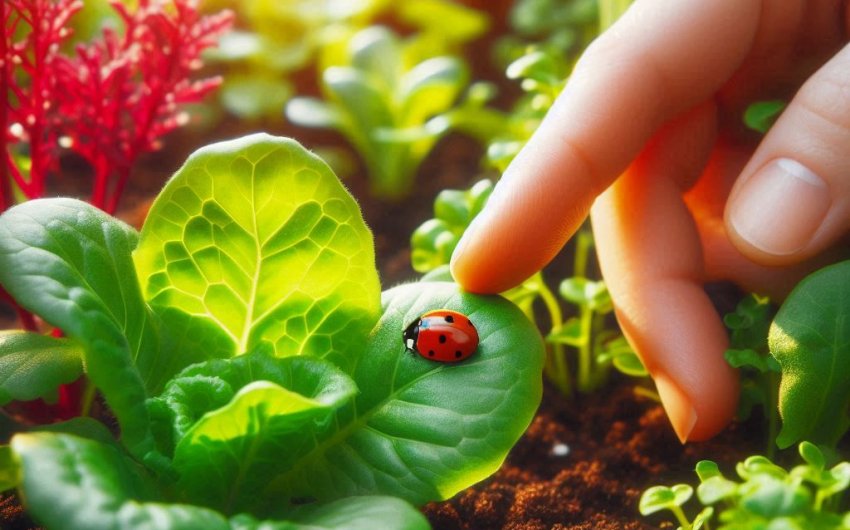
Safeguarding your tender vegetable seedlings from hungry pests without resorting to harsh chemicals is a common desire for many gardeners. This guide offers practical, eco-friendly strategies to protect your young plants, ensuring they grow strong and healthy from the very beginning.
Why Do Pests Target Vegetable Seedlings?
Young vegetable seedlings are particularly vulnerable to pest attacks. Their delicate leaves and stems offer an easy meal for many insects, and their small size means even a few pests can cause significant damage or even kill the plant. Understanding why pests are drawn to them helps us create effective prevention and control methods.
Pests often find young plants appealing for several reasons:
- Tender Tissues: New growth is softer and easier for pests to chew or pierce.
- High Nutrient Content: Seedlings are packed with nutrients for rapid growth, making them a delicious target.
- Lack of Defenses: Young plants haven't yet developed the natural defenses (like thicker cuticles or repellent compounds) that mature plants possess.
- Stress: Seedlings can be stressed by transplanting, improper watering, or poor soil, making them weaker and more susceptible to attack.
What Are Common Pests of Vegetable Seedlings?
Identifying the specific pests that are bothering your vegetable seedlings is the first step toward effective organic pest management. Different pests require different approaches, so knowing your enemy is crucial.
Aphids
These tiny, soft-bodied insects come in various colors and cluster on new growth, sucking out plant sap. They can cause stunted growth, curled leaves, and secrete a sticky substance called honeydew, which can lead to sooty mold.
Flea Beetles
Small, dark, and shiny, flea beetles jump quickly when disturbed. They chew tiny, round holes in leaves, resembling shotgun damage. Severe infestations can decimate young vegetable seedlings.
Cutworms
These plump, gray-brown caterpillars are nocturnal and hide in the soil during the day. They are infamous for cutting young plant stems at or just below the soil line, often severing the seedling completely.
Slugs and Snails
Slugs and snails leave slimy trails and irregular holes in leaves. They are most active at night or during damp conditions, munching on tender foliage.
Spider Mites
Microscopic eight-legged pests that thrive in hot, dry conditions. They cause stippling (tiny yellow or white dots) on leaves and can create fine webbing. Severe infestations can yellow and kill leaves.
Whiteflies
Tiny, white, moth-like insects that fly up in a cloud when disturbed. They feed on plant sap, causing yellowing and stunted growth, and also excrete honeydew.
How Can You Prevent Pests Organically?
Prevention is always the best strategy in organic pest control for vegetable seedlings. Creating a healthy garden environment that deters pests from the outset will save you a lot of trouble later on.
Healthy Soil and Strong Plants
A fundamental principle of organic gardening is that healthy plants are more resistant to pests. Focus on building nutrient-rich, well-draining soil.
- Compost: Incorporate ample organic compost into your garden beds. Compost improves soil structure, provides essential nutrients, and supports beneficial microbial life.
- Proper pH: Ensure your soil's pH is suitable for the vegetable seedlings you are growing. A soil test kit can help you determine this.
- Good Drainage: Waterlogged soil can stress roots and make plants more susceptible to disease and pests. Raised beds or amending with sand can improve drainage.
Choose Resistant Varieties
Some vegetable seedling varieties have been bred or naturally possess a higher resistance to certain pests or diseases. Look for these when selecting seeds or young plants. Reading seed catalogs carefully can provide valuable information on disease and pest resistance.
Proper Spacing
Crowded plants lead to poor air circulation, which can create a humid environment that favors fungal diseases and makes it easier for pests to spread from one plant to another. Give your vegetable seedlings enough room to grow according to their mature size.
Crop Rotation
Avoid planting the same type of vegetable seedlings in the exact same spot year after year. Pests and diseases specific to certain plant families can build up in the soil. Rotating crops helps break these cycles, depriving pests of their preferred food source.
Row Covers
Physical barriers are one of the most effective non-toxic ways to protect vegetable seedlings. Lightweight floating row covers allow light and water to pass through but keep most flying and crawling insects out.
- Drape the row cover directly over the seedlings or support it with hoops.
- Bury or secure the edges of the cover with soil or rocks to prevent pests from crawling underneath.
- Remove covers during flowering for plants that require pollination, then replace them.
Mulching
Applying a layer of organic mulch (such as straw, wood chips, or shredded leaves) around your vegetable seedlings offers multiple benefits.
- Weed Suppression: Mulch reduces weed growth, which competes with seedlings for nutrients and can harbor pests.
- Moisture Retention: It helps retain soil moisture, reducing water stress on plants.
- Temperature Regulation: Mulch helps keep soil temperatures stable.
- Pest Barrier: A layer of mulch can deter some pests like slugs and cutworms by creating a physical barrier or an unfavorable environment.
Beneficial Insects
Encourage beneficial insects that prey on or parasitize common garden pests. Creating a habitat for these helpful creatures is a cornerstone of organic pest control.
- Plant Nectar-Rich Flowers: Many beneficial insects, like ladybugs, lacewings, and parasitic wasps, feed on nectar and pollen. Plant flowers such as dill seeds, cilantro seeds, fennel seeds, and cosmos seeds to attract them.
- Avoid Broad-Spectrum Pesticides: Even organic pesticides can harm beneficial insects. Use targeted approaches when possible.
- Provide Water Sources: A shallow dish of water with pebbles can provide a drinking spot for beneficials.
What Are Effective Organic Treatments for Pests?
Even with the best preventative measures, sometimes pests still find their way to your vegetable seedlings. When they do, there are several effective organic treatments you can use to manage the infestation.
Hand-Picking
For larger pests like slugs, snails, hornworms, or larger caterpillars, hand-picking is surprisingly effective.
- Regularly inspect your vegetable seedlings, especially the undersides of leaves.
- Pick off pests and drop them into a bucket of soapy water.
- For slugs and snails, patrol at night with a flashlight.
Water Blasting
A strong spray of water can dislodge aphids, spider mites, and whiteflies from vegetable seedlings.
- Use a gentle but firm stream from a garden hose.
- Direct the spray at the affected areas, especially the undersides of leaves.
- Repeat every few days until the pest population decreases. Be gentle with tender seedlings.
Insecticidal Soap
Insecticidal soap is a safe and effective option for soft-bodied insects like aphids, spider mites, whiteflies, and thrips. It works by disrupting the pest's cell membranes, causing dehydration.
- Mix according to package directions, or make your own with mild liquid dish soap (avoid detergents) and water (about 1-2 teaspoons per gallon of water).
- Spray directly onto the pests, ensuring thorough coverage, including the undersides of leaves.
- Apply in the early morning or late evening to avoid scorching leaves in direct sun.
- Reapply every 5-7 days as needed until the infestation is under control.
Neem Oil
Neem oil is a natural plant-derived insecticide and fungicide that disrupts insect feeding, growth, and reproduction. It works systemically (absorbed by the plant) and on contact.
- Follow package directions carefully for dilution and application.
- Spray leaves thoroughly, ensuring top and bottom coverage.
- It is most effective when applied at the first sign of pests.
- Apply in the evening to avoid harming beneficial insects that are active during the day.
- Neem oil is generally safe for organic gardening, but always test a small area of the plant first to ensure no adverse reaction.
Diatomaceous Earth
Food-grade diatomaceous earth (DE) is a natural powder made from fossilized algae. Its microscopic sharp edges cut the exoskeletons of crawling insects, causing them to dehydrate.
- Sprinkle a fine layer around the base of vegetable seedlings to deter slugs, snails, cutworms, and some beetles.
- Reapply after rain or heavy watering, as moisture reduces its effectiveness.
- Be cautious when applying, as it can harm beneficial crawling insects too. Avoid inhaling the dust.
Companion Planting
Strategic planting of certain herbs and flowers near your vegetable seedlings can deter pests or attract beneficial insects. This is a form of natural pest management.
| Companion Plant | Repels/Attracts | Benefits |
|---|---|---|
| Marigolds | Nematodes, whiteflies, root-knot nematodes | Strong scent deters many pests. |
| Nasturtiums | Aphids, squash bugs, cucumber beetles | Can act as a trap crop, drawing pests away from desired plants. |
| Borage | Tomato hornworms, cabbage worms | Attracts bees and beneficial predatory insects. |
| Mint | Aphids, cabbage moths, ants | Strong scent can confuse and repel pests. (Plant in containers to prevent spreading). |
| Dill | Aphids, spider mites, squash bugs | Attracts beneficial ladybugs and parasitic wasps. |
| Garlic/Onion | Aphids, slugs, Japanese beetles | Strong aroma deters a broad range of pests. |
DIY Pest Traps
Simple traps can effectively reduce pest populations, especially for slugs and snails.
- Beer Traps for Slugs and Snails: Bury shallow dishes (like tuna cans) level with the soil surface and fill them with beer. Slugs and snails are attracted to the yeast, fall in, and drown.
- Yellow Sticky Traps for Flying Insects: Yellow sticky traps are effective for catching whiteflies, fungus gnats, aphids, and thrips. Place them near affected plants.
When Should You Apply Organic Pest Control?
Timing is crucial in organic pest control for vegetable seedlings. Early detection and intervention are always more effective than trying to control a large infestation.
- Regular Scouting: Inspect your vegetable seedlings daily or every other day. Look for chewed leaves, sticky residues, unusual discoloration, or the presence of pests.
- Act Early: As soon as you notice a pest problem, take action. Small infestations are much easier to manage organically.
- Follow Weather Patterns: Some pests, like slugs, thrive in wet weather, while spider mites prefer dry conditions. Adjust your pest control efforts based on the weather.
Are There Any Organic Products for Specific Pests?
While general strategies work for many pests, some situations might call for more targeted organic solutions for your vegetable seedlings.
Bacillus Thuringiensis (Bt)
Bacillus thuringiensis (Bt) is a naturally occurring soil bacterium that is toxic to the larvae of certain insects, primarily caterpillars (like cabbage worms and tomato hornworms). It is harmless to humans, pets, and beneficial insects.
- It must be ingested by the caterpillar to be effective.
- Spray on leaves where caterpillars are feeding.
- Different strains of Bt target different insect groups, so ensure you have the right one for your specific pest.
Beneficial Nematodes
Beneficial nematodes are microscopic roundworms that naturally occur in soil and prey on soil-dwelling pests like cutworms, flea beetle larvae, and grubs.
- Apply them to the soil via watering can or sprayer.
- They are sensitive to UV light, so apply in the evening or on a cloudy day.
- Ensure the soil is moist before and after application.
Iron Phosphate Baits
For persistent slug and snail problems, iron phosphate baits are an organic option. They are safe for pets and wildlife, as iron phosphate naturally occurs in the environment.
- Sprinkle pellets around affected vegetable seedlings.
- Slugs and snails are attracted to the bait, ingest it, and stop feeding.
Employing these organic strategies will not only protect your vegetable seedlings from damaging pests but also contribute to a healthier, more vibrant garden ecosystem.