
How to Grow Microgreens Without Soil: A Simple Guide
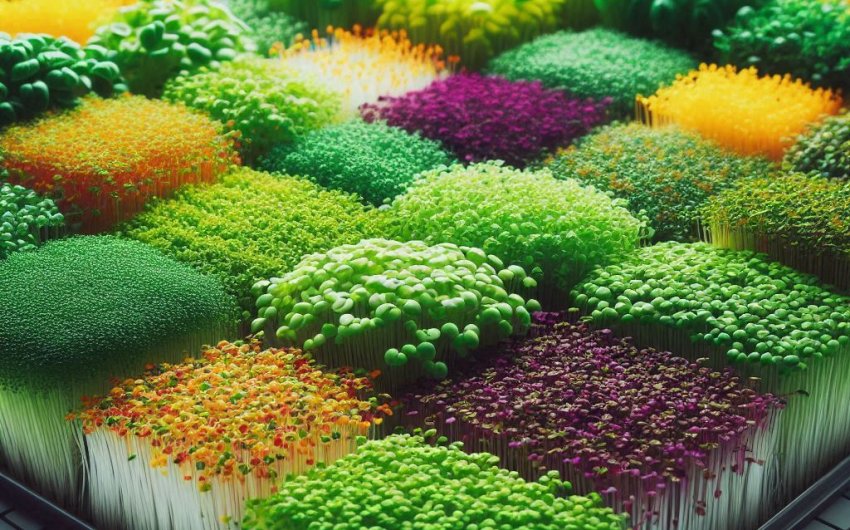
Cultivating tiny, nutrient-packed greens is a rewarding endeavor, and understanding how to grow microgreens without soil opens up a world of clean, convenient, and surprisingly fast harvests. This method, often referred to as hydroponic or soilless microgreen cultivation, minimizes mess and can often lead to quicker germination and growth cycles compared to traditional soil-based methods.
Why Grow Microgreens Without Soil?
Opting for a soilless method for growing microgreens offers several compelling advantages that appeal to both novice and experienced growers. It simplifies the process, reduces potential issues, and promotes a cleaner growing environment, making it an increasingly popular choice.
The primary benefits of growing microgreens without traditional potting mix include:
- Cleanliness: No soil means no dirt mess, making it ideal for indoor growing on kitchen counters or shelves.
- Reduced Pests and Diseases: Many common soil-borne pests and diseases are eliminated when soil isn't used, leading to healthier plants.
- Faster Growth: Hydroponic methods often provide a more consistent and efficient delivery of water and nutrients to the tiny seedlings, potentially leading to quicker harvests.
- Less Contamination Risk: Without soil, there's a reduced chance of introducing harmful bacteria or fungi into your edibles.
- Reusable Materials: Many soilless mediums can be composted or even reused, making it an eco-friendlier option in some cases.
- Controlled Environment: It allows for more precise control over moisture and nutrient delivery.
What Materials Do You Need for Soilless Microgreens?
To successfully learn how to grow microgreens without soil, you'll need a few essential items. These materials are generally inexpensive and readily available, allowing you to set up your hydroponic microgreen station without much fuss.
Here's a breakdown of the key components:
Seeds
Not all seeds are ideal for microgreens, and some perform better without soil than others. It's crucial to select high-quality microgreen seeds specifically.
- Variety Selection: Popular choices include radish seeds, broccoli seeds, arugula seeds, kale seeds, and mustard seeds. Some seeds like beet and chard do better with a soak.
- Germination Rate: Purchase seeds from reputable suppliers known for high germination rates. You'll be planting them densely, so you want most of them to sprout.
- Organic/Non-GMO: Consider organic microgreen seeds for the purest product.
Growing Trays
You'll need trays to hold your growing medium and the microgreens. The ideal setup uses two trays per batch: one with drainage holes for the growing medium, and a solid tray to catch excess water and act as a blackout dome during germination.
- With Drainage Holes: These trays hold your chosen medium and allow excess water to drain away from the roots, preventing rot. Look for 10x20 inch growing trays with holes, a standard size.
- Without Drainage Holes (Solid Tray): This tray goes underneath the one with holes, catching water. It also serves as a blackout dome during the initial germination phase. You can often find matching 10x20 inch solid trays.
Soilless Growing Mediums
This is where the "without soil" part comes in. Instead of dirt, you'll use materials that provide support for the roots and retain moisture.
- Hemp Mats: Hemp grow mats are a popular choice. They are natural, biodegradable, and excellent at retaining moisture while providing good aeration. They are typically cut to fit your trays.
- Coco Coir Mats: Similar to hemp, coco coir mats (made from coconut husks) are sustainable and work well. They offer good water retention.
- Perlite/Vermiculite: While often mixed with soil, these inert materials can be used alone for some microgreen varieties, especially in hydroponic systems. Horticultural perlite offers excellent drainage and aeration. Vermiculite retains more water.
- Hydroponic Growing Pads: These are usually made from inert fibers designed specifically for soilless cultivation. Brands often have their own proprietary blends.
Watering Bottle/Sprayer
A fine mist spray bottle is essential for gently watering your seeds and young microgreens without dislodging them. Once established, bottom watering is often preferred.
Light Source
While sunlight works, a dedicated grow light ensures consistent, strong light for healthy, vibrant microgreens.
- LED Grow Lights: LED grow lights are energy-efficient and emit a spectrum of light beneficial for plant growth. Look for full-spectrum options.
- Fluorescent Grow Lights: T5 or T8 fluorescent lights are also a good option for microgreens.
Step-by-Step Guide: How to Grow Microgreens Without Soil
Growing microgreens without soil is a straightforward process once you understand the basic steps. This method is often preferred for its cleanliness and efficiency.
Step 1: Prepare Your Tray and Medium
Start by getting your growing environment ready. Cleanliness is important to prevent mold or fungal issues.
- Clean Trays: Ensure your growing trays are thoroughly clean. You can wash them with soap and water, then rinse well.
- Place Medium: Take your chosen soilless growing medium (e.g., a hemp mat or coco coir mat) and place it firmly in the bottom of the tray with drainage holes. If using loose mediums like perlite, ensure an even layer.
- Moisten Medium: Thoroughly moisten the growing medium with clean water. It should be damp but not soaking wet. Gently press out any excess water if using a mat.
Step 2: Seed Soaking (Optional but Recommended for Some)
Some microgreen seeds benefit from a pre-soak to encourage faster and more even germination. This is especially true for larger or harder seeds.
- Seeds to Soak: Beet, chard, cilantro, sunflower, and peas usually benefit from an 8-12 hour soak.
- Soaking Process: Place the seeds in a bowl of clean, room-temperature water. After soaking, drain the water completely.
Step 3: Sow Your Seeds Densely
The key to a lush microgreen harvest is dense, even seeding. You'll be using more seeds than you would for full-sized plants.
- Even Distribution: Sprinkle your microgreen seeds evenly over the entire surface of the moistened growing medium. Aim for a single layer of seeds, covering as much of the mat as possible without overlapping too much. The goal is a "carpet" of seeds.
- Mist Gently: Lightly mist the seeds with your fine mist spray bottle to settle them and ensure good contact with the moist medium. Do not overwater at this stage.
Step 4: Blackout Period (Germination)
This crucial step encourages even germination and helps the seedlings develop strong, upright stems by making them "stretch" for light.
- Stack and Cover: Place the solid bottom tray (without holes) on top of the tray with seeds, creating a dark, humid environment. You can even place a small weight (like a book or another solid tray) on top to provide gentle pressure, which can encourage stronger roots.
- Keep Dark and Warm: Place the stacked trays in a warm, dark place for 2-4 days. The ideal temperature is typically between 65-75°F (18-24°C).
- Check Periodically: Briefly lift the top tray once a day to check for moisture. If the medium feels dry, mist lightly. You should start seeing tiny roots emerging and the seeds beginning to sprout.
Step 5: Introduce Light
Once your microgreens have germinated and started to show their first true leaves, it's time to bring them into the light.
- Remove Cover: After 2-4 days (or when most seeds have sprouted and the cotyledons – the first small leaves – are visible), remove the top solid tray. You should see a dense mat of white sprouts.
- Provide Light: Place the tray under your grow light or in a bright window. If using a grow light, place it typically 2-6 inches above the seedlings, adjusting as they grow.
- Lighting Schedule: Most microgreens need 12-18 hours of light per day. A simple timer can automate this.
Step 6: Watering Your Soilless Microgreens
Proper watering is key to healthy soilless microgreens. Bottom watering is generally preferred to prevent damping off disease and mold on the leaves.
- Bottom Watering: Pour clean water into the solid bottom tray. The growing medium in the top tray will absorb water from below.
- Frequency: Check the water level daily. Replenish as needed. The medium should remain consistently moist but not waterlogged.
- Mist Only if Needed: Once leaves emerge, avoid misting the tops directly unless absolutely necessary, as too much moisture on the leaves can encourage mold.
Step 7: Monitor for Mold or Issues
While less common than with soil, mold can still be an issue with soilless growing.
- Good Airflow: Ensure good air circulation around your trays. A small fan can help if you notice stagnant air.
- Avoid Overwatering: This is the most common cause of mold. The medium should be moist, not soggy.
- Identify Mold: White, fuzzy growth that smells musty is usually mold. White, fine, hair-like growth directly from the seed or stem is often root hairs and is normal.
- Action: If mold appears, try to increase airflow and reduce humidity. In severe cases, the tray may need to be discarded.
Step 8: Harvest Your Microgreens
The best part! Microgreens are typically ready for harvest when they develop their first true leaves, usually 7-21 days after planting, depending on the variety.
- Timing: Harvest when the cotyledons are fully open and the first set of true leaves (which look different from the cotyledons) are just beginning to emerge.
- Method: Use a sharp, clean pair of kitchen shears or a sharp knife.
- Cut Above Medium: Cut the stems just above the growing medium, leaving the roots and medium behind.
- Storage: Rinse the harvested microgreens gently under cool water, pat dry, and store them in an airtight container in the refrigerator for up to a week.
Troubleshooting Common Soilless Microgreen Problems
Even with the best intentions, you might encounter a few hiccups when learning how to grow microgreens without soil. Knowing how to address common issues can save your crop.
Leggy (Stretched Out) Microgreens
This means your microgreens are stretching too much, often due to insufficient light.
- Cause: Not enough light, or light source too far away.
- Solution: Move your grow light closer to the seedlings (typically 2-6 inches). Ensure they are receiving 12-18 hours of bright, consistent light daily. The blackout period also plays a role in stem length.
Mold or Fungal Growth
White, fuzzy growth that isn't root hairs (which are fine, thread-like, and grow directly from the seed).
- Causes: Overwatering, poor air circulation, too much humidity, or contaminated seeds/trays.
- Solutions:
- Reduce watering frequency; ensure the medium is moist but not soggy.
- Increase airflow with a small fan or by ensuring good ventilation.
- Ensure trays are clean before use.
- For light mold, some growers try spraying with a diluted hydrogen peroxide solution, but often discarding and restarting is best for serious outbreaks.
Poor Germination
Not many seeds are sprouting, or germination is patchy.
- Causes: Old or low-quality seeds, incorrect temperature during germination, insufficient moisture, or seeds buried too deep (not an issue with soilless).
- Solutions:
- Use fresh, high-quality microgreen seeds from a reputable supplier.
- Ensure consistent warmth during the blackout period (65-75°F is ideal).
- Keep the growing medium consistently moist.
- Consider pre-soaking seeds that benefit from it.
Damping Off
Seedlings suddenly wilt and collapse at the base, often due to fungal pathogens.
- Causes: Overwatering, poor air circulation, or contaminated growing medium/trays.
- Solutions:
- This is often less common with soilless methods but can still occur.
- Ensure good air circulation and avoid overwatering.
- Use clean trays and sterile growing mediums.
Slow Growth/Yellowing
Your microgreens aren't growing quickly, or their leaves are turning pale or yellow.
- Causes: Insufficient light, lack of nutrients (though rarely an issue for microgreens which rely on stored energy in the seed), or incorrect temperature.
- Solutions:
- Ensure adequate grow light intensity and duration.
- Maintain optimal temperature.
- While most microgreens don't need external nutrients (they grow on stored energy), for some longer-growing varieties, a very diluted hydroponic nutrient solution might be considered, but this moves beyond basic soilless growing.
Optimizing Your Soilless Microgreen Setup
Beyond the basics of how to grow microgreens without soil, there are several ways to refine your setup for even greater success and efficiency.
Automated Lighting
A simple digital timer for your grow lights can take the guesswork out of providing consistent light. Set it for 12-18 hours on, 6-12 hours off.
Ventilation
Even if you don't have mold, good airflow prevents stagnant air, which is generally healthier for plants. A small clip-on fan positioned to gently move air around your trays can make a big difference, especially in enclosed spaces.
Shelving Units
For growing multiple trays, a multi-tiered shelving unit with lights suspended above each shelf allows you to maximize your growing space.
Seed Density Experimentation
While dense seeding is crucial, different seeds have optimal densities. Experiment with your chosen microgreen seeds to find the perfect amount for a full, even crop without overcrowding. Overcrowding can lead to weaker stems and higher mold risk.
Humidity Control
During the blackout period, humidity is high, which is good for germination. Once light is introduced, too much humidity around the leaves can encourage mold. Monitoring ambient humidity with a hygrometer can be helpful, and adjusting ventilation if levels are consistently too high (above 60%).
Nutrient Solutions (Advanced)
For true hydroponic systems or if you want to grow microgreens longer than typical harvest times (e.g., for "baby greens"), you might introduce a very diluted hydroponic nutrient solution instead of plain water. This is usually done after the first true leaves appear, but for most microgreens, the stored energy in the seed is sufficient. If you do this, ensure the solution is formulated for young plants and use it at a very low concentration.
Cleaning Routine
Establish a consistent cleaning routine for your trays and equipment. This prevents the buildup of bacteria, fungi, or algae that can harm subsequent crops. Sanitize trays between uses with a mild bleach solution (1 part bleach to 9 parts water) or a food-safe hydrogen peroxide solution, then rinse thoroughly.
By following these guidelines and understanding the nuances of how to grow microgreens without soil, you'll be well on your way to enjoying a continuous supply of fresh, homegrown superfoods right from your countertop.