
The Best Mulch for Raised Beds: A Comprehensive Guide
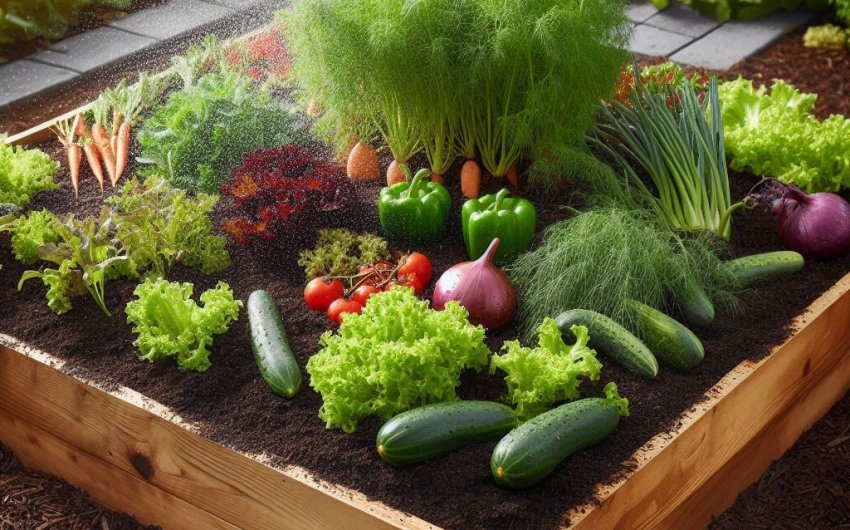
Choosing the best mulch for raised beds is a pivotal decision for any gardener aiming for healthier plants, fewer weeds, and less watering. A well-chosen ground cover can transform your gardening experience, offering numerous benefits to your soil and plants, and helping your garden thrive with less effort.
Why Use Mulch in Raised Beds?
Applying a protective layer over the soil in your raised beds goes far beyond mere aesthetics. Mulch provides a multitude of practical benefits that significantly improve soil health, plant vitality, and overall garden manageability. Understanding these advantages highlights why it's such a valuable practice.
Here are the key reasons why gardeners opt for mulching in their elevated garden spaces:
- Weed Suppression: One of the most common reasons to mulch is to block sunlight from reaching weed seeds, effectively preventing them from sprouting and competing with your cultivated plants for water and nutrients. This dramatically reduces the need for constant weeding.
- Moisture Retention: Mulch acts as a blanket, slowing down the evaporation of water from the soil surface. This means your raised beds stay moist longer, requiring less frequent watering, which is especially beneficial during hot, dry periods.
- Temperature Regulation: A layer of mulch insulates the soil. It helps keep the soil cooler in the summer by blocking direct sun, and warmer in the winter by trapping heat, protecting plant roots from extreme temperature swings.
- Soil Health Improvement: As organic mulches break down, they add valuable organic matter to the soil. This enriches the soil structure, improves drainage, enhances aeration, and provides food for beneficial microorganisms, contributing to a healthier, more fertile growing environment.
- Erosion Control: Mulch protects the soil surface from the impact of heavy rain or strong winds, preventing soil erosion and keeping your precious topsoil in place within the raised beds.
- Reduced Soil Compaction: A protective layer prevents rain from directly compacting the soil, keeping it loose and airy, which is vital for root growth.
- Cleaner Produce: For low-growing crops like strawberries or leafy greens, mulch keeps fruits and leaves from direct contact with the soil, reducing splashing of dirt and potential disease.
- Aesthetics: Beyond functionality, mulch gives your raised beds a neat, tidy, and finished appearance, enhancing the visual appeal of your garden.
What Are the Main Types of Mulch?
When considering the best mulch for raised beds, it's important to differentiate between the two primary categories: organic and inorganic. Each type offers distinct advantages and disadvantages, and the ideal choice often depends on your specific gardening goals and preferences.
Organic Mulches
Organic mulches are derived from natural, once-living materials. They decompose over time, adding nutrients and improving the soil structure, making them a favorite among organic gardeners.
- Pros:
- Adds organic matter and nutrients to the soil as it decomposes.
- Improves soil structure, aeration, and water retention.
- Feeds beneficial soil microbes and earthworms.
- Biodegradable and renewable.
- Cons:
- Needs to be replenished periodically as it breaks down.
- Can sometimes harbor pests if not managed properly.
- Some types can temporarily tie up nitrogen as they decompose (though this is often overstated for most garden applications).
Inorganic Mulches
Inorganic mulches are made from synthetic or mineral-based materials that do not decompose. They are durable and long-lasting, offering permanent solutions for weed suppression and moisture retention.
- Pros:
- Very long-lasting, rarely needing replenishment.
- Excellent at suppressing weeds and retaining moisture.
- Does not decompose, so it doesn't tie up soil nutrients.
- Can be good for heat retention in cooler climates or for heat-loving plants.
- Cons:
- Does not add nutrients or organic matter to the soil.
- Can sometimes make soil too hot, especially dark colors, in sunny, hot climates.
- Can be more expensive upfront.
- Can be difficult to incorporate new plantings or amend soil once applied.
- Some types (like plastic) can hinder water and air exchange if not used carefully.
What Are the Best Organic Mulches for Raised Beds?
When aiming for a thriving, healthy garden, organic mulches are often the preferred choice for raised beds due to their soil-enriching properties. There's a variety to choose from, each with its unique characteristics and benefits.
Shredded Hardwood Mulch
One of the most popular and widely available options. It's made from shredded bark and wood, often a byproduct of the timber industry.
- Pros:
- Excellent weed suppression due to interlocking pieces.
- Breaks down slowly, providing long-term benefits.
- Adds organic matter to the soil over time.
- Aesthetic appeal, comes in various colors.
- Cons:
- Can be expensive for large areas.
- Some concern about "nitrogen tie-up" as it decomposes, but typically not a major issue in established garden beds.
- Can create a barrier that makes it harder for small seedlings to emerge.
- Best for: General garden beds, pathways, and around established shrubs in raised beds where you don't plan to disturb the soil frequently. Less ideal for annual vegetable gardens where you replant often.
Compost
Finished compost is a gold standard in gardening, and it makes an excellent mulch. It's a rich, dark material made from decomposed organic matter.
- Pros:
- Actively adds nutrients and organic matter, improving soil fertility.
- Excellent at moisture retention.
- Suppresses weeds effectively, especially when applied thickly.
- Improves soil structure and fosters beneficial microbial life.
- Can be homemade from kitchen scraps and garden waste.
- Cons:
- Breaks down relatively quickly, requiring frequent replenishment.
- If not fully finished, it can introduce weed seeds or diseases.
- Can be expensive to purchase in large quantities.
- Best for: Vegetable raised beds where you want to continuously feed the soil and promote robust plant growth. It's truly one of the best mulch for raised beds for edibles.
Straw (Not Hay)
Often confused with hay, straw is the dry stalks of cereal grains after the grain has been harvested. It's a very common and effective mulch, especially for vegetable gardens.
- Pros:
- Excellent for weed suppression and moisture retention.
- Lightweight and easy to apply.
- Breaks down, adding organic matter.
- Insulates soil well, keeping it cool in summer and warm in winter.
- Inexpensive and widely available, especially from local farms.
- Provides a clean surface for fruits like strawberries.
- Cons:
- Can blow away easily in windy areas if not adequately moistened.
- Can sometimes contain a few viable seeds if not clean straw (always specify "seed-free" or "weed-free" straw).
- Less aesthetically pleasing to some gardeners than bark mulches.
- Best for: Raised beds dedicated to vegetables, annual flowers, and strawberries. It's particularly useful for preventing splash-back on low-growing crops.
Shredded Leaves
Autumn leaves, when shredded, make an incredible, free source of mulch.
- Pros:
- Free and abundant for many homeowners.
- Adds rich organic matter to the soil as it decomposes.
- Excellent for building soil health and feeding earthworms.
- Good moisture retention and weed suppression.
- Cons:
- Can mat down if not shredded, impeding water penetration.
- May blow away if not secured or moistened.
- Can harbor overwintering pests if not fully decomposed or if too wet.
- Best for: Almost any raised bed, especially those focused on long-term soil health. Shred them with a lawnmower or leaf shredder for best results.
Wood Chips
Larger pieces of wood, often from tree trimming or clearing. They are coarser than shredded bark.
- Pros:
- Very long-lasting due to slow decomposition.
- Excellent at suppressing weeds.
- Good at moisture retention.
- Often available for free or low cost from arborists.
- Cons:
- Can temporarily deplete nitrogen from the soil as they break down (though less of an issue when applied as a top dressing rather than mixed into soil).
- Can create a physical barrier, making planting difficult.
- Less ideal for annuals or plants that require frequent soil disturbance.
- Best for: Pathways, around perennial shrubs or trees in large raised beds, or for areas where you want very long-term, low-maintenance weed control.
Pine Needles (Pine Straw)
The shed needles from pine trees, often available in abundance in pine-heavy regions.
- Pros:
- Decomposes slowly, offering long-lasting mulch.
- Forms a loose, airy layer that allows good air and water penetration.
- Adds slight acidity to the soil as it breaks down, beneficial for acid-loving plants like blueberries or azaleas in raised beds.
- Attractive, reddish-brown color.
- Cons:
- Can be slippery when wet.
- May not be readily available in all regions.
- Best for: Acid-loving plants in raised beds, or anywhere you desire a natural, aesthetically pleasing mulch that won't compact.
What Are the Best Inorganic Mulches for Raised Beds?
While organic mulches are celebrated for their soil-building properties, inorganic mulches offer durability and permanence for certain applications in raised beds. They are ideal when the primary goals are long-term weed control and minimal maintenance.
Landscape Fabric
A woven or non-woven fabric designed to allow water and air to pass through while blocking weeds.
- Pros:
- Excellent weed suppression, very effective barrier.
- Allows water and nutrients to penetrate to the soil below.
- Long-lasting.
- Prevents soil compaction.
- Cons:
- Does not add organic matter to the soil.
- Can be unsightly if not covered with another material.
- Can hinder efforts to amend soil or add new plants later.
- Weeds can still grow on top if soil or organic debris accumulates on the fabric.
- Can trap heat, potentially making soil too warm for some plants.
- Best for: Permanent plantings in raised beds, such as around fruit bushes, herbs, or ornamental plants, where you want long-term weed control with minimal soil disturbance. Often used under a layer of decorative organic mulch. Consider using heavy-duty landscape fabric for better durability.
Pebbles/Gravel
Small stones or crushed rock used as a permanent ground cover.
- Pros:
- Extremely durable and long-lasting.
- Excellent at suppressing weeds and retaining moisture.
- Adds heat to the soil, which can be beneficial for heat-loving plants in cooler climates.
- Provides excellent drainage.
- Aesthetic appeal, especially in xeriscaping or rock gardens within raised beds.
- Cons:
- Does not add organic matter or nutrients to the soil.
- Can make soil too hot in very hot climates.
- Difficult to remove or incorporate new plants once established.
- Can be heavy and expensive to install.
- Can make soil compaction worse if not laid over a weed barrier.
- Best for: Pathways in and around raised beds, or in decorative raised beds with plants that thrive in hot, dry conditions (like succulents or some herbs). Not generally recommended for annual vegetable raised beds. Consider decorative garden pebbles for aesthetic appeal.
How Do You Choose the Best Mulch for Your Raised Beds?
Deciding on the best mulch for raised beds involves considering several factors specific to your garden, climate, and the types of plants you're growing. There's no single "best" answer, but rather the most suitable option for your unique situation.
When making your choice, ask yourself these questions:
- What are you growing?
- Vegetables and annuals: These plants often benefit from organic mulches like compost or straw that decompose and enrich the soil, and are easy to work into the soil when replanting.
- Perennials, shrubs, and trees: Longer-lasting mulches like shredded bark, wood chips, or even landscape fabric covered with gravel might be more appropriate.
- Acid-loving plants: Pine needles are excellent for blueberries, azaleas, etc.
- Heat-loving plants in cooler climates: Darker mulches or gravel can help retain heat.
- What's your budget?
- Free/Low-cost: Shredded leaves, grass clippings, or free wood chips from arborists are economical.
- Mid-range: Bagged straw, basic shredded bark mulches.
- Higher-end: Decorative stones, premium bagged mulches, or large quantities of landscape fabric can be more expensive.
- How much maintenance are you willing to do?
- Low maintenance: Inorganic mulches (like gravel or landscape fabric) or slow-decomposing organic mulches (like wood chips) need less frequent replenishment.
- Higher maintenance: Fast-decomposing mulches like compost or grass clippings need to be topped up more often, but they also offer more soil benefits.
- What's your climate like?
- Hot climates: Lighter-colored mulches or those that insulate well (like straw) help keep soil cooler.
- Cool climates: Darker mulches (like dark shredded bark or gravel) can absorb and radiate heat, warming the soil.
- Rainy climates: Mulches that allow good water penetration and don't get soggy are important.
- What's your aesthetic preference?
- Do you prefer a rustic look (straw, wood chips) or a more refined appearance (shredded bark, decorative pebbles)?
- Are you focused on soil health?
- If building rich, healthy soil is your top priority, focus on organic mulches that decompose and add nutrients.
How Do You Apply Mulch to Raised Beds?
Proper application of mulch is just as important as choosing the best mulch for raised beds. Applying it correctly maximizes its benefits and avoids common pitfalls that can harm your plants.
Here’s a step-by-step guide to mulching your raised beds:
- Weed Thoroughly: Before applying mulch, ensure your raised beds are as weed-free as possible. This gives your mulch the best chance to prevent new weeds from sprouting. If there are existing weeds, they will likely grow through the mulch.
- Water the Bed: Water your raised bed thoroughly before applying mulch. The mulch's job is to keep moisture in, so you want to lock in as much as possible from the start.
- Apply at the Right Time:
- Spring: After the soil has warmed up and any new plantings are established. Applying too early can keep the soil cool for too long.
- Summer: To retain moisture and suppress summer weeds.
- Fall: To protect dormant plants and soil from winter temperature extremes.
- Determine Layer Thickness: The ideal thickness depends on the type of mulch:
- Organic Mulches (straw, shredded leaves, wood chips, shredded bark): Aim for a layer of 2-4 inches thick. For weed suppression, 3-4 inches is often ideal.
- Compost: 1-2 inches is usually sufficient for its mulching benefits, as it's denser and richer.
- Inorganic Mulches (gravel, pebbles): 1-2 inches is typically enough, depending on the size of the material.
- Landscape Fabric: Lay it flat and secure it with landscape fabric staples. You can then cover it with a thin layer of another decorative mulch if desired.
- Keep Mulch Away from Stems: This is a crucial step! Do not pile mulch directly against the stems or trunks of plants. Leave a small gap (an inch or two) around the base of each plant. Piling mulch too high can lead to:
- Stem Rot: Traps moisture against the stem, encouraging fungal diseases.
- Pest Harboring: Provides a perfect hiding spot for voles, slugs, and other pests that can chew on stems.
- Suffocation: Can smother the plant's crown.
- Spread Evenly: Use a rake or your hands to spread the mulch evenly across the entire surface of the raised bed, ensuring consistent thickness.
- Replenish as Needed: Organic mulches will decompose over time. Check your mulch layer annually (or more frequently for compost or grass clippings) and top it up as it breaks down to maintain the desired thickness.
- Consider Edging: For aesthetic appeal and to keep lighter mulches from blowing away, you might consider a small edge or border around your raised beds.
Can You Mix Different Mulches in Raised Beds?
Absolutely! Combining different types of mulch can actually provide a synergistic effect, allowing you to leverage the best qualities of each material for your raised beds. This layered approach is a smart way to get comprehensive benefits.
Here are a few common and effective combinations:
- Compost under Straw/Shredded Leaves:
- Benefit: The compost directly enriches the soil and provides a slow release of nutrients, while the straw or shredded leaves provide excellent weed suppression, moisture retention, and insulation. The straw also keeps the compost from drying out too quickly on top.
- Application: Apply a 1-2 inch layer of compost, then top with 2-3 inches of straw or shredded leaves.
- Landscape Fabric under Wood Chips/Gravel:
- Benefit: The landscape fabric provides an unbeatable weed barrier, and the wood chips or gravel add aesthetic appeal and help hold the fabric in place. This is a very low-maintenance option for perennial beds.
- Application: Lay down landscape fabric, cut holes for plants, and then spread your chosen inorganic mulch on top.
- Grass Clippings (dried) under Wood Chips:
- Benefit: Dried grass clippings break down quickly, adding nitrogen and organic matter, while wood chips offer longer-lasting weed control and a more finished look.
- Application: Apply a thin layer of dried grass clippings (ensure they are dry to prevent matting and heat buildup), then cover with a layer of wood chips. Always use grass clippings from lawns not treated with herbicides.
Are There Any Mulches to Avoid for Raised Beds?
While many mulches offer significant benefits, some materials are best avoided or used with caution in your raised beds, especially for growing edibles. Understanding these can prevent potential problems in your garden.
Here's a list of mulches to be wary of:
- Undecayed Wood Chips (Applied Too Deeply): While finished wood chips are good, fresh, raw wood chips applied in a very thick layer (especially if mixed into the soil) can temporarily deplete nitrogen from the soil as they decompose. This is known as "nitrogen tie-up" and can starve your plants. If using fresh wood chips, apply them as a top dressing only, or allow them to age (compost) first.
- Sawdust (Unless Composted): Similar to fresh wood chips, raw sawdust can cause significant nitrogen depletion, especially if fine-textured. It also tends to compact and shed water once it dries out. Best to use well-composted sawdust.
- Black Plastic Sheeting: While effective at weed suppression and warming soil, black plastic sheeting has several drawbacks:
- Prevents water and air from reaching the soil below.
- Can make the soil excessively hot, damaging roots.
- Breaks down over time into small pieces, contaminating the soil.
- Does not add any organic matter.
- Creates an unhealthy environment for beneficial soil organisms.
- Only use if specifically for solarization or short-term soil warming, and remove promptly.
- Chemically Treated Wood or Materials: Never use wood that has been pressure-treated with chemicals (like CCA, chromated copper arsenate, common in older deck lumber) or wood that has been painted or stained. These chemicals can leach into your soil and be harmful to plants and possibly humans if growing edibles.
- Diseased Plant Material: Do not use plant material that shows signs of disease (e.g., powdery mildew, blight) as mulch. You could spread the disease to healthy plants in your raised beds.
- Weedy Hay: Unlike straw, hay is cut grass and forage that often contains a high number of viable weed seeds. Using weedy hay as mulch will likely introduce more weeds than it suppresses. Always ensure you are using "seed-free" or "weed-free" straw if you choose this option.
- Colored Mulch (Some Types): While many colored mulches are safe, some cheaper varieties may use dyes that are not plant-friendly or can leach into the soil. Stick to naturally colored mulches or those explicitly labeled as "safe for gardening."
- Excessively Fine Materials: Very fine materials like fine sand or powdery compost can compact easily, reducing air circulation and water penetration.
- Materials with Persistent Seeds: Avoid using materials that are likely to contain seeds of undesirable plants that will sprout into weeds. This goes back to using "weed-free" straw or properly finished compost.
By carefully selecting the best mulch for raised beds based on your specific needs and avoiding problematic materials, you can create a thriving, low-maintenance garden that yields abundant, healthy crops.