
Indoor Bonsai Care Basics: Your Guide to Thriving Trees
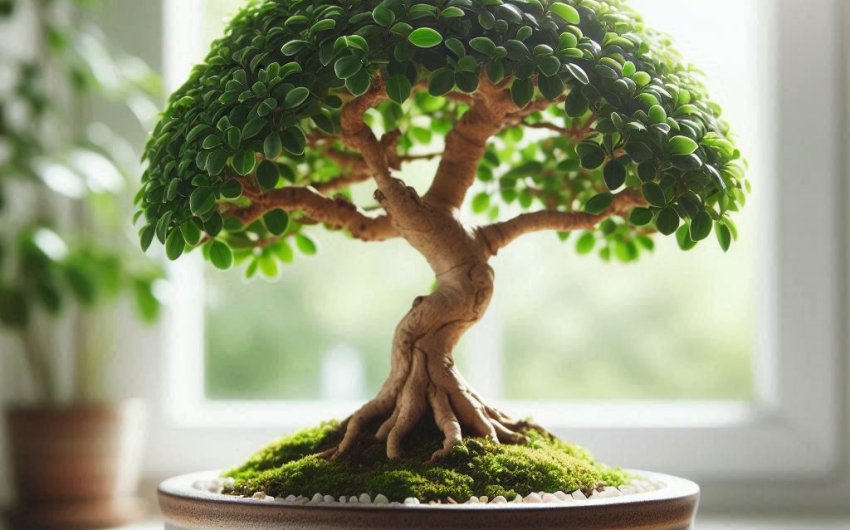
Embarking on the journey of cultivating a miniature tree indoors is a fulfilling hobby that requires understanding the unique needs of these living artworks. Mastering indoor bonsai care basics is crucial for ensuring your tiny tree not only survives but truly flourishes, bringing a touch of nature's artistry into your home.
What Exactly is an Indoor Bonsai?
Before diving into the specifics of indoor bonsai care, it's helpful to clarify what an indoor bonsai truly is. Unlike their outdoor counterparts, these miniature trees are species that can adapt to the typically warmer and less fluctuating conditions of a home environment.
An indoor bonsai is essentially a tree species that, through careful cultivation, pruning, and training, is kept small and contained within a pot. The "indoor" designation refers to the tree's natural climate preference. Most traditional bonsai species (like pines, maples, junipers) are temperate outdoor trees that require specific seasonal changes. Indoor bonsai, however, are typically tropical or subtropical species that can thrive year-round in a stable indoor climate.
Common species used for indoor bonsai include:
- Ficus (Fig Trees): Extremely popular due to their hardiness, tolerance for varying light conditions, and ability to sprout new growth easily. Varieties like Ficus retusa and Ficus microcarpa 'Ginseng' are common.
- Schefflera (Dwarf Umbrella Tree): Very forgiving and adaptable, with attractive foliage.
- Carmona (Fukien Tea Tree): Known for its small, glossy leaves and delicate white flowers. It can be a bit more challenging than Ficus.
- Portulacaria afra (Dwarf Jade): A succulent that resembles a miniature jade plant, very drought-tolerant and easy to care for.
- Sageretia (Sweet Plum): Features small leaves and often produces tiny edible fruits.
The goal of indoor bonsai is not to stunt the tree's growth permanently, but to maintain its miniature size and shape through continuous care, mimicking natural processes like wind and drought on a larger tree. It's an art form that combines horticulture with aesthetics.
Where Should You Place Your Indoor Bonsai?
Proper placement is arguably the most critical aspect of indoor bonsai care, directly impacting your tree's health and vitality. Light and temperature are the two main factors to consider when choosing the perfect spot.
Light Requirements
Most indoor bonsai species are tropical plants that thrive in bright, consistent light.
- Bright Indirect Light: This is usually the ideal. Place your bonsai near a south-facing window (in the Northern Hemisphere) or an east/west-facing window where it receives ample light throughout the day, but avoid intense, direct midday sun which can scorch leaves, especially for newly acquired trees or those not accustomed to it.
- Direct Sunlight: Some species, like certain Ficus varieties or Dwarf Jade, can tolerate and even benefit from a few hours of direct morning sun. However, always introduce direct sun gradually to prevent shock.
- Insufficient Light: This is a common killer of indoor bonsai. Signs of insufficient light include:
- Leggy (stretched out) growth with sparse leaves.
- Smaller than normal leaves.
- Yellowing or dropping leaves.
- Lack of new growth.
- Grow Lights: If natural light is limited, a full-spectrum LED grow light is an excellent investment. Position it about 6-12 inches above your bonsai for 12-16 hours a day.
Temperature and Humidity
Tropical bonsai trees prefer stable, warm temperatures and high humidity, mimicking their natural environment.
- Temperature: Aim for consistent temperatures between 60-75°F (15-24°C). Avoid sudden temperature fluctuations, drafts from open windows or doors, and direct heat from radiators or air conditioning vents.
- Humidity: Indoor environments, especially with central heating or air conditioning, can be very dry. Low humidity can stress your bonsai, leading to crispy leaf edges, leaf drop, and susceptibility to pests like spider mites.
- Humidity Trays: Place your bonsai pot on a humidity tray filled with pebbles and water. Ensure the bottom of the pot does not sit directly in the water to prevent root rot. As the water evaporates, it increases humidity around the tree.
- Misting: Lightly misting your bonsai's foliage once or twice a day can provide a temporary humidity boost. However, it's not a substitute for a constant humidity source like a tray.
- Humidifier: For very dry environments, a room humidifier can significantly benefit your bonsai and other houseplants.
How Do You Water an Indoor Bonsai Correctly?
Watering is perhaps the most critical and often misunderstood aspect of indoor bonsai care. Overwatering causes root rot, while underwatering leads to dehydration. Finding the right balance is key to your tree's survival.
When to Water
Forget rigid schedules. The golden rule for watering bonsai is to water when the top layer of the soil feels slightly dry to the touch. This means checking your bonsai daily, especially during warm weather or if it's placed near a heat source.
- Finger Test: Stick your finger about an inch deep into the soil. If it feels dry, it's time to water.
- Visual Cues: The soil surface might look lighter in color when dry.
- Lifting the Pot: Over time, you'll learn to judge the pot's weight. A dry pot feels significantly lighter than a watered one.
Factors that influence watering frequency:
- Species: Some species (e.g., Dwarf Jade) prefer drier conditions, while others (e.g., Ficus) like consistent moisture.
- Pot Size: Smaller pots dry out faster.
- Soil Type: Well-draining bonsai soil dries faster.
- Temperature and Humidity: Warmer temperatures and lower humidity increase water evaporation.
- Season: Bonsai generally need more water during their active growing season (spring/summer) and less during dormancy (winter).
How to Water
Proper watering technique ensures the entire root ball is saturated.
- Top Watering: Use a fine-rosed watering can or a gentle stream of water. Water slowly and thoroughly over the entire soil surface until water begins to drain freely from the drainage holes at the bottom of the pot.
- Repeat: Wait a few minutes for the water to drain, then water again. Repeat this process 2-3 times to ensure the entire root ball is saturated.
- Bottom Watering (Soaking): If the soil becomes extremely dry and shrinks away from the edges of the pot (making it hard for water to penetrate), or if you want to ensure deep hydration, you can soak the entire pot.
- Place the bonsai pot in a basin or tray filled with water (rainwater or dechlorinated tap water is best).
- Allow the pot to sit in the water for 10-20 minutes, or until the soil surface appears moist.
- Remove the pot and let it drain completely before returning it to its spot.
- Water Quality: Use rainwater whenever possible, as it's free of chlorine and other chemicals found in tap water. If using tap water, let it sit out for 24 hours to allow chlorine to dissipate, or use a water filter.
When and How Do You Fertilize an Indoor Bonsai?
Fertilizing is essential for providing your indoor bonsai with the nutrients it needs for healthy growth, especially since it's confined to a small amount of soil. However, it's important to do it correctly to avoid burning the roots.
Why Fertilize?
Unlike trees in the ground that can draw nutrients from a vast soil area, bonsai trees in small pots quickly deplete the limited nutrients available in their potting mix. Fertilization replenishes these nutrients, supporting new growth, root development, and overall tree vigor.
Types of Fertilizer
There are many types of fertilizers available, but generally, a balanced, slow-release liquid or granular fertilizer is best for bonsai.
- Liquid Fertilizer: Diluted and applied with water. Offers quick nutrient availability. Look for a liquid bonsai fertilizer.
- Granular/Slow-Release Pellets: Placed on the soil surface, these release nutrients gradually over time. Less risk of burning but harder to control dosage precisely.
Fertilization Schedule
The timing and frequency of fertilization depend on your bonsai's growth cycle and the type of fertilizer used.
- Active Growing Season: This is typically spring and summer for most indoor bonsai (March-September in the Northern Hemisphere). Fertilize every 2-4 weeks during this period.
- Dormancy/Slow Growth: Reduce or stop fertilizing during fall and winter when the tree's growth naturally slows down. Over-fertilizing during dormancy can harm the tree.
- After Repotting: Do not fertilize immediately after repotting. Wait at least 4-6 weeks to allow the roots to recover and establish in the new soil.
- Sick or Stressed Trees: Avoid fertilizing a sick or stressed bonsai. Focus on diagnosing and resolving the underlying issue first. Fertilizing a weak tree can make things worse.
Dilution and Application
- Always Dilute: A common mistake is using fertilizer at full strength. Always dilute liquid fertilizers to at least half or even quarter strength, especially for young or newly repotted trees. "Weakly, weekly" is a good mantra.
- Apply to Moist Soil: Never fertilize a dry bonsai. Always water your bonsai thoroughly first, then apply the diluted fertilizer solution. Applying to dry soil can cause root burn.
- Read Instructions: Always follow the specific instructions on your chosen bonsai fertilizer product.
Why is Pruning Important for Indoor Bonsai?
Pruning is fundamental to indoor bonsai care, serving both aesthetic and health purposes. It's how you maintain the miniature size, refine the shape, and encourage denser, healthier foliage.
Two Main Types of Pruning
Maintenance Pruning (Pinching/Trimming): This is the most frequent type of pruning, done throughout the growing season.
- Purpose: To maintain the tree's overall shape, encourage back-budding (new shoots closer to the trunk), and create finer ramification (more branches and twigs).
- Technique: Use sharp bonsai shears to cut back new growth. Often, you'll cut back shoots to the first or second set of leaves after 3-4 sets have developed.
- Timing: Done regularly during the active growing season as needed.
Structural Pruning (Heavy Pruning/Branch Pruning): This involves removing larger branches to define the tree's basic shape or correct major flaws.
- Purpose: To establish or refine the tree's overall silhouette, remove unwanted branches (e.g., crossing branches, downward-growing branches, or those too thick for their position), and stimulate strong new growth where desired.
- Technique: Use concave cutters for clean cuts that heal well. Consider the overall design before making a major cut.
- Timing: Best done during the early spring before the main growth flush, or just after the first flush of growth for some species. This allows the tree time to heal and put out new growth.
Important Pruning Tips
- Sharp Tools: Always use clean, sharp bonsai tools. Dull tools crush plant tissue, leading to poor healing and potential disease.
- Sanitize: Clean your tools with rubbing alcohol between different trees to prevent the spread of diseases.
- Observe Your Tree: Before making any cuts, step back and observe your bonsai from all angles. Visualize the desired outcome.
- Don't Over-Prune: Never remove more than about one-third of the foliage at any one time, especially for structural pruning. Over-pruning can stress the tree.
- Healing: For larger cuts, you can apply cut paste to promote faster healing and prevent disease entry.
How Do You Repot an Indoor Bonsai?
Repotting is a vital, albeit infrequent, part of indoor bonsai care. It refreshes the soil, provides fresh nutrients, and allows you to prune the roots, which is essential for keeping the tree healthy and compact in its small pot.
Why Repot?
- Nutrient Depletion: The small amount of soil in a bonsai pot quickly loses its nutrients.
- Soil Compaction: Over time, soil particles break down and compact, reducing aeration and drainage.
- Root Bound: Roots can become too dense and encircling, preventing proper water and nutrient uptake.
- Encourage New Root Growth: Pruning old roots stimulates the growth of new, fine feeder roots that are more efficient at absorption.
When to Repot
The frequency of repotting varies depending on the bonsai species, its age, and how fast it grows.
- Young, Fast-Growing Bonsai: May need repotting every 1-2 years.
- Mature, Slow-Growing Bonsai: May only need repotting every 3-5 years.
- Signs of Needing Repotting:
- Water drains almost instantly without soaking in.
- Roots are visible on the soil surface or growing out of drainage holes.
- Overall plant vigor has decreased, despite proper watering and feeding.
- The tree pushes up out of its pot.
- Timing: The best time for repotting most indoor bonsai is in early spring, just before new growth begins. This allows the tree to recover quickly during its active growing season.
Repotting Steps
- Prepare New Soil: Use a high-quality bonsai soil mix that is fast-draining and well-aerated. Good bonsai soil typically contains akadama, pumice, lava rock, and sometimes a small amount of organic material.
- Remove Tree: Gently remove the tree from its pot. If it's stuck, use a root hook or a thin tool around the edges.
- Untangle Roots: Use a root hook to gently untangle and comb out the roots, removing old, compacted soil.
- Root Pruning: Carefully prune back about 1/3 to 1/2 of the roots, focusing on thick, circling roots and leaving plenty of fine feeder roots. Use sharp root scissors.
- Prepare Pot: Place a plastic mesh over the drainage holes of the clean pot to prevent soil loss. You can also use bonsai wire to secure the tree in place, if desired.
- Position Tree: Place a thin layer of new soil in the bottom of the pot. Position the tree in the pot, aiming for an aesthetically pleasing angle and depth.
- Add Soil: Carefully work new soil around and between the roots using a chopstick or bonsai rake to eliminate air pockets. Ensure the root collar is at the same level as before or slightly above the soil line.
- Water Thoroughly: Water the newly repotted bonsai thoroughly until water drains clearly from the bottom.
- Post-Repotting Care: Place the tree in a slightly shadier spot for a few weeks to recover. Do not fertilize for 4-6 weeks after repotting.
How Do You Protect Indoor Bonsai from Pests and Diseases?
Even with diligent indoor bonsai care, pests and diseases can occasionally affect your miniature trees. Early detection and organic prevention methods are key to keeping your bonsai healthy.
Common Pests
- Spider Mites: Tiny, almost invisible pests that thrive in dry conditions. Look for fine webbing on leaves and tiny yellow/white dots (stippling).
- Solution: Increase humidity. Spray thoroughly with insecticidal soap or neem oil every 5-7 days until gone.
- Aphids: Small, soft-bodied insects (green, black, or brown) that cluster on new growth, sucking sap.
- Solution: Spray with a strong stream of water to dislodge them. Apply insecticidal soap or neem oil.
- Mealybugs: White, cottony pests often found in leaf axils or on stems, sucking sap.
- Solution: Dab directly with a cotton swab dipped in rubbing alcohol. For larger infestations, use insecticidal soap or neem oil.
- Scale: Small, immobile, brown or black bumps on stems or leaves, also sap-suckers.
- Solution: Scrape off gently with a fingernail or old toothbrush. Apply neem oil. For severe cases, horticultural oil may be needed.
- Fungus Gnats: Small, dark flies that hover around the soil surface. Their larvae feed on roots, especially in overly moist soil.
- Solution: Allow the top layer of soil to dry out between waterings. Use yellow sticky traps. Beneficial nematodes can also be effective.
Common Diseases
- Root Rot: The most common disease, caused by overwatering and poor drainage. Roots turn mushy and black, and the tree declines rapidly.
- Prevention: Proper watering technique and well-draining bonsai soil.
- Solution: If caught early, repot immediately, prune off all affected roots, and repot into fresh, dry soil. Improve drainage.
- Powdery Mildew: White, powdery spots on leaves, especially in humid, poorly ventilated conditions.
- Prevention: Good air circulation.
- Solution: Treat with neem oil or a baking soda solution (1 teaspoon baking soda in 1 quart water with a few drops of dish soap).
Prevention is Key
- Inspect Regularly: Check your bonsai thoroughly every time you water. Look under leaves, in crevices, and around the soil line.
- Quarantine New Plants: Isolate new bonsai (or any new plant) for a few weeks before introducing them to your existing collection.
- Healthy Environment: A strong, healthy bonsai grown in optimal conditions is naturally more resistant to pests and diseases. Provide adequate light, water, and humidity.
- Cleanliness: Keep your growing area clean. Remove fallen leaves or debris from the soil surface.
What Are Advanced Indoor Bonsai Care Techniques?
Once you've mastered the indoor bonsai care basics, you might be ready to explore more advanced techniques to further shape and refine your miniature tree. These methods allow for greater artistic control over your bonsai's development.
Wiring
Wiring is a technique used to gently bend and position branches and the trunk into desired shapes. The wire holds the branch in place while it hardens into its new form.
- Materials: Use anodized aluminum bonsai wire (for most indoor bonsai) or copper wire. Choose a thickness that is strong enough to hold the branch but won't damage the bark.
- Technique: Wrap the wire around the branch at a 45-degree angle, not too tightly. Bend the branch carefully, avoiding snapping.
- Monitoring: Check the wire regularly (every few weeks to months). Remove it before it bites into the bark, which can leave unsightly scars. Re-wire if necessary after the branch has set.
- Timing: Best done during the active growing season when branches are more flexible, but be extra vigilant about wire bite.
Defoliation
Defoliation involves removing some or all of the leaves from your bonsai, usually during mid-summer. This is a stress-inducing technique and should only be performed on very healthy, vigorous trees.
- Purpose: To encourage smaller leaves and more ramification (more fine twigs and branches). When the tree re-grows leaves, they are often smaller and denser.
- Technique: Carefully cut off individual leaves, leaving the leaf stem (petiole) attached. The petiole will eventually dry and fall off naturally.
- Timing: Mid-summer, when the tree is at its peak vigor.
- Caution: Only defoliate if your tree is extremely healthy. Avoid defoliating young or weak trees.
Grafting
Grafting is the process of joining parts of two plants so that they grow as one. In bonsai, it's used for various reasons:
- Improving Roots (Nebari): Grafting roots onto a tree to improve its nebari (the visible root flare at the base of the trunk).
- Adding Branches: Grafting branches onto bare spots to improve ramification or fill in gaps.
- Changing Foliage: Grafting a different species or variety for more desirable leaf characteristics (e.g., smaller leaves).
- Advanced Technique: Grafting requires specialized knowledge and tools, and a good understanding of tree physiology. It's usually attempted by experienced bonsai practitioners.
Carving Deadwood (Jin and Shari)
This technique involves creating natural-looking deadwood on the trunk (shari) or branches (jin) of a bonsai. It mimics the effects of harsh natural conditions on ancient trees.
- Purpose: To add a sense of age, drama, and natural beauty to the bonsai design.
- Technique: Involves stripping bark, carving the wood, and sometimes treating it with lime sulfur to preserve the deadwood and give it a bleached, aged appearance.
- Caution: Only perform on healthy trees, and understand where the cambium (living layer) is to avoid killing the tree.
- Artistic Skill: Requires a strong artistic eye and understanding of natural deadwood aesthetics.
Mastering indoor bonsai care basics will provide a solid foundation for keeping your miniature tree healthy, and as your confidence grows, you can gradually explore these more advanced techniques to truly transform your living sculpture.