
Zesty Harvest: How to Grow Ginger in Pots
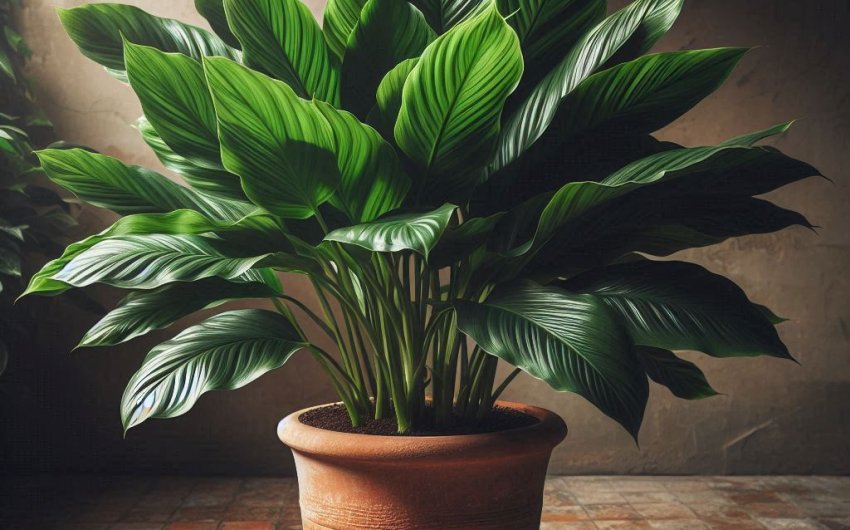
You can grow ginger in pots by starting with a fresh piece of ginger root from your grocery store, ensuring it has "eyes" or buds, then planting it in well-draining soil in a wide, shallow container. This method allows you to cultivate this versatile spice even without a tropical climate.
Why Should You Grow Ginger in Pots?
Growing your own ginger in pots offers several advantages, especially for home gardeners who may not live in a tropical or subtropical region. It's a rewarding experience that puts fresh, zesty ginger at your fingertips.
Climate Control: Adapt to Any Weather
Ginger is a tropical plant, thriving in warm, humid conditions. When you grow ginger in pots, you gain crucial climate control.
- Move Indoors: Easily bring your ginger plants inside when temperatures drop.
- Optimal Environment: Create ideal warmth and humidity, even in cooler climates.
- Protection: Shield plants from frost or extreme heat.
Space Efficiency: Perfect for Small Gardens
Not everyone has a sprawling garden. Potted ginger makes it possible to grow this beneficial root in compact spaces.
- Patio Friendly: Ideal for balconies, decks, or small patios.
- Container Versatility: Fits various pot sizes and shapes.
- Vertical Potential: Can be part of a tiered or layered garden system.
Freshness and Flavor: Unbeatable Quality
Store-bought ginger can't compare to the vibrant taste of freshly harvested rhizomes.
- Superior Taste: Homegrown ginger often has a more pungent, zesty flavor.
- Peak Ripeness: Harvest exactly when you need it for maximum freshness.
- Know Your Source: Control growing conditions, avoiding pesticides or chemicals.
Decorative Appeal: A Tropical Touch
Ginger plants are quite attractive, with glossy green leaves and a lush, tropical appearance.
- Exotic Look: Adds a unique aesthetic to your outdoor or indoor space.
- Flowering Potential: Some varieties can produce beautiful, orchid-like flowers.
- Living Decor: A conversation starter for guests.
What Supplies Do You Need to Start Growing Ginger?
Before you embark on your ginger-growing journey, gather the necessary supplies. Having everything ready will make the process smooth and enjoyable.
Ginger Rhizome: Your Starting Material
This is the most important component. You're not planting a seed, but a piece of the root (rhizome).
- Source: Purchase fresh, plump ginger root from a local grocery store, an organic market, or a garden supply center.
- "Eyes" or Buds: Look for pieces that have visible "eyes" or growth buds. These are small, greenish bumps, similar to potato eyes.
- Organic Preferred: Opt for organic ginger if possible. Non-organic ginger might be treated with growth inhibitors.
- Preparation: Cut the ginger into pieces, each about 1 to 2 inches long, ensuring each piece has at least one eye. Let the cut pieces dry for a day or two to form a callus, which helps prevent rot.
Pots: Choosing the Right Container
The right pot is crucial for ginger's horizontal growth habit.
- Width is Key: Ginger rhizomes spread outwards, so a wide, shallow pot is better than a deep, narrow one.
- Drainage Holes: Essential to prevent waterlogging and root rot.
- Material:
- Terracotta: Drains well but can dry out quickly.
- Plastic: Retains moisture longer, lightweight.
- Grow Bags: Excellent for aeration and drainage, flexible.
- Size: Start with at least a 10-12 inch wide pot for one or two pieces. For a larger harvest, choose a wider container, like a 14-16 inch pot.
- Small Starter Pot: Terracotta Pot with Drainage Hole (10-inch)
- Larger Harvest Pot: Fabric Grow Bag (15-gallon)
Potting Mix: Well-Draining and Rich
Ginger needs fertile, well-draining soil to thrive.
- Type: Use a high-quality, loose, and well-draining potting mix.
- Amendments:
- Compost: Incorporate plenty of organic compost (about 1/3 of the mix) for nutrients.
- Perlite or Vermiculite: Add for improved drainage and aeration.
- Coconut Coir: Helps retain moisture while remaining airy.
- pH: Ginger prefers a slightly acidic to neutral soil pH, around 6.0 to 7.0.
A good option is a Organic Potting Mix with Perlite.
Watering Can: For Consistent Moisture
Proper watering is vital for ginger.
- Gentle Flow: A watering can with a fine rose attachment provides a gentle, even flow.
- Moisture Meter: A Soil Moisture Meter can help you determine when to water, preventing over or under-watering.
Optional Supplies: Boost Your Success
- Heat Mat: If starting ginger in cooler indoor conditions, a Seedling Heat Mat can provide the necessary warmth for sprouting.
- Humidity Tray: Place pots on a tray filled with pebbles and water to increase humidity around the plant.
- Fertilizer: A balanced liquid organic fertilizer for regular feeding during the growing season.
- Grow Light: If your indoor space lacks sufficient light, a LED Grow Light can supplement natural light.
How Do You Prepare and Plant Ginger in a Pot?
The planting process is straightforward but requires attention to detail to encourage successful sprouting and growth.
Step-by-Step Planting Guide
- Select Your Ginger Pieces: Choose fresh ginger rhizomes with visible "eyes" (buds).
- Cut and Cure: Cut the rhizome into 1-2 inch pieces, ensuring each piece has at least one eye. Let these pieces air dry for 1-2 days. This curing process helps prevent rot once planted.
- Fill Your Pot: Fill your chosen wide pot (with drainage holes!) about 2/3 full with your prepared well-draining potting mix.
- Position Ginger Pieces: Place the ginger pieces on the soil surface with the eye facing upwards (if clearly visible). If not, simply lay it flat. For multiple pieces, space them at least 4-6 inches apart.
- Cover Lightly: Cover the ginger pieces with about 1-2 inches of potting mix. Do not bury them too deeply.
- Water Gently: Water thoroughly but gently after planting. The soil should be moist, but not waterlogged.
- Warmth and Patience: Place the pot in a warm location, ideally 70-85°F (21-29°C). A heat mat can be beneficial. Germination can take several weeks, sometimes even up to 2-3 months, so be patient!
Quick Recap:
- Ginger Piece Size: 1-2 inches with an eye.
- Curing: 1-2 days air dry.
- Pot Depth: Cover with 1-2 inches of soil.
- Spacing: 4-6 inches apart.
- Temperature: 70-85°F (21-29°C).
- Sprouting Time: 2 weeks to 3 months.
What Are the Best Growing Conditions for Potted Ginger?
Once your ginger has sprouted, providing the right growing conditions is essential for a robust harvest. Think tropical warmth and consistent care.
Light: Bright, Indirect Sun is Best
Ginger thrives in conditions similar to its native tropical understory – bright, but not scorching direct sun.
- Ideal Location: Place your potted ginger in a spot that receives bright, indirect sunlight for most of the day.
- Outdoor Placement: If growing outdoors, a spot with morning sun and afternoon shade is perfect.
- Indoor Placement: Near a south- or east-facing window is usually ideal. Avoid direct, intense afternoon sun, especially through glass, which can scorch leaves.
- Supplemental Light: If natural light is limited, a Full Spectrum LED Grow Light can ensure healthy growth.
Temperature: Keep it Warm
Warmth is non-negotiable for ginger.
- Optimal Range: Maintain temperatures between 75-85°F (24-29°C) for vigorous growth.
- Minimum Temperature: Ginger will stop growing and can be damaged below 50°F (10°C).
- Winter Care: Bring potted ginger indoors before temperatures consistently drop below 50°F.
Watering: Consistent Moisture, Not Soggy
Ginger needs consistently moist soil, but absolutely hates being waterlogged.
- Frequency: Water thoroughly when the top 1-2 inches of soil feel dry to the touch. This might be daily in hot weather or every few days in cooler conditions.
- Drainage: Ensure your pot has excellent drainage. Never let the pot sit in standing water.
- Reduce in Winter: As temperatures cool or if the plant goes dormant, reduce watering significantly.
- Humidity: Ginger loves humidity. Mist the leaves daily, especially indoors, or place the pot on a Pebble Tray filled with water.
Fertilizing: Feed for a Bountiful Harvest
Ginger is a heavy feeder and benefits from regular fertilization during its active growing season.
- Start Strong: If your potting mix contained compost, you might not need to fertilize for the first month or two.
- Type: Use a balanced liquid organic fertilizer (e.g., 5-5-5 or similar N-P-K ratio) or a fertilizer slightly higher in potassium (K) for root development.
- Frequency: Apply every 2-4 weeks during the active growing period (spring through early fall).
- Compost Tea: Compost Tea Bags are an excellent organic way to provide nutrients.
Pests and Diseases: Watchful Eye
Ginger is relatively pest-resistant, but keep an eye out for common houseplant pests if growing indoors.
- Common Pests: Spider mites, aphids, or mealybugs can sometimes appear.
- Solutions:
- Inspect Regularly: Check undersides of leaves frequently.
- Wipe Off: For minor infestations, wipe pests off with a damp cloth or cotton swab dipped in rubbing alcohol.
- Insecticidal Soap: Use an Organic Insecticidal Soap if needed.
- Diseases: The most common issue is root rot, almost always due to overwatering. Ensure good drainage.
When and How Do You Harvest Ginger from a Pot?
The best part of growing ginger is the harvest! Knowing when and how to harvest ensures you get the most from your efforts.
When to Harvest: Patience is Key
Ginger needs a long growing season to produce sizable rhizomes.
- Full Harvest: For large, mature ginger rhizomes, allow at least 8-10 months, or even up to a year, from planting. The foliage will typically start to yellow and die back, signaling the rhizome below is mature.
- Young Ginger ("Baby Ginger"): If you want tender, less fibrous ginger with a milder flavor, you can "sneak harvest" small pieces after about 4-6 months. This young ginger doesn't have a skin that needs peeling.
- Timing: The best time for a full harvest is typically in late fall or early winter, once the foliage has begun to wither, before any risk of frost if kept outdoors.
Harvesting Methods: Partial or Full
You have options for how you harvest your ginger, allowing for continuous supply.
Partial Harvest (Sneak Harvesting)
This method allows you to enjoy fresh ginger without sacrificing the entire plant.
Steps:
- Gently Dig: After 4-6 months, carefully push aside the soil at the edge of the pot.
- Locate Rhizomes: Look for plump, new rhizomes growing off the main piece.
- Snip or Break: Break off a piece of the new growth.
- Re-cover: Gently cover the exposed rhizomes with soil. This encourages the plant to continue growing.
Full Harvest
This involves removing the entire plant from the pot.
Steps:
- Wait for Dieback: Allow the foliage to yellow and die back naturally, usually after 8-10 months or more.
- Tip Out: Carefully tip the entire plant out of its pot.
- Brush Off Soil: Gently brush or wash off the soil from the rhizomes.
- Separate: Break off the mature rhizomes. You can keep some of the healthiest, plump pieces with eyes to replant for the next season!
- Wash and Dry: Wash the harvested ginger thoroughly and allow it to air dry for a few hours before storing.
Post-Harvest: Storage and Replanting
Proper storage extends the life of your homegrown ginger.
- Fresh Storage: Store unpeeled ginger in a paper bag in the crisper drawer of your refrigerator for several weeks.
- Freezing: For longer storage, freeze peeled or unpeeled ginger whole, grated, or sliced. It thaws quickly and retains its flavor.
- Replanting: Select healthy, firm pieces of harvested ginger with visible eyes. Allow them to dry and cure for a day or two, then replant them according to the initial planting instructions.
What Are Common Challenges When Growing Ginger in Pots?
Even with the right conditions, growing ginger can present a few hurdles. Knowing what to look out for and how to respond will help ensure success.
Slow Sprouting: Impatience is Not a Virtue
Ginger can take a long time to sprout, which can be frustrating for new growers.
- Problem: No shoots appearing after several weeks or even months.
- Solution:
- Warmth: Ensure consistent soil temperatures of 70-85°F (21-29°C). A Seedling Heat Mat is highly recommended for cold starting.
- Patience: Don't give up too soon! Some rhizomes can take up to 3 months to show signs of life.
- Moisture: Keep the soil consistently moist, but not soggy.
- Healthy Rhizome: Ensure the ginger piece you planted was fresh and had visible, healthy eyes.
Yellowing Leaves: A Sign of Trouble
Yellowing leaves can indicate various issues.
- Problem: Leaves turning yellow, sometimes with brown tips.
- Solutions:
- Too Much Water (Most Common): Check soil moisture. If soggy, reduce watering. Ensure good drainage.
- Nutrient Deficiency: If soil is dry but leaves are yellow, consider fertilizing with a balanced liquid feed.
- Too Much Direct Sun: Move the plant to a location with bright, indirect light.
- Cold Stress: If temperatures drop below 50°F (10°C), leaves can yellow and die back. Bring indoors.
Stunted Growth: Not Getting Enough Power
If your ginger isn't growing vigorously, it's likely lacking a key element.
- Problem: Plant stays small, new growth is minimal.
- Solutions:
- Light: Ensure sufficient bright, indirect light (6-8 hours daily). Supplement with a grow light if necessary.
- Warmth: Verify temperatures are consistently within the ideal 75-85°F (24-29°C) range.
- Nutrients: Increase fertilization frequency during the active growing season.
- Pot Size: If the rhizome seems to have filled the pot, consider repotting into a wider container.
Pests Indoors: Unwanted Company
While ginger is generally pest-resistant, indoor environments can sometimes attract common houseplant pests.
- Problem: Small insects (spider mites, aphids, mealybugs) on leaves, sticky residue, or distorted growth.
- Solutions:
- Regular Inspection: Check leaves, especially undersides, daily.
- Isolation: Isolate any infested plant to prevent spread.
- Wipe/Rinse: For small infestations, wipe off pests with a damp cloth or rinse foliage gently with water.
- Organic Sprays: Apply Organic Neem Oil or insecticidal soap according to package directions.
Rotting Rhizome: The Ultimate Setback
This is often due to too much moisture.
- Problem: Ginger piece turns soft, mushy, and sometimes smelly before or after sprouting.
- Solutions:
- Drainage: Crucially, ensure your pot has adequate drainage holes and that the potting mix drains well. Never let the pot sit in standing water.
- Watering Habits: Allow the top 1-2 inches of soil to dry out between waterings.
- Curing: Ensure the ginger piece was properly cured (air-dried for a day or two) before planting.
By being mindful of these potential challenges and taking proactive steps, you can successfully grow ginger in pots and enjoy a continuous supply of this fantastic spice.