
Buzzing Balcony: Best Pollinator Plants for Balcony Gardens
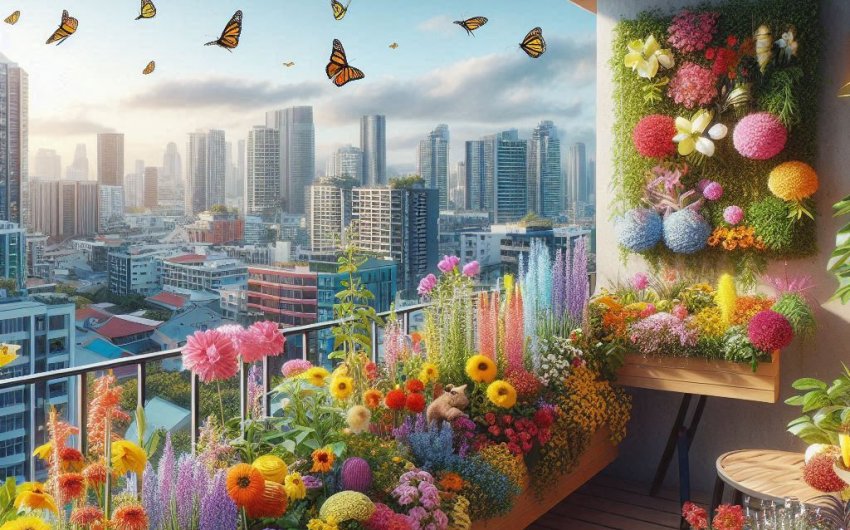
Even in the smallest urban spaces, your balcony can become a vital haven for bees, butterflies, and other essential pollinators. Creating a vibrant, nectar-rich oasis isn't just about pretty flowers; it's a crucial step in supporting biodiversity and the health of our ecosystems. Discovering the best pollinator plants for balcony gardens allows you to transform your outdoor living area into a buzzing, fluttering paradise, providing much-needed food and habitat for these invaluable creatures.
Why are pollinators important, especially for balcony gardens?
Pollinators, including bees, butterflies, hummingbirds, and even some beetles and flies, play a fundamental role in our world. Their importance extends far beyond just making pretty flowers.
- Food Production: A significant portion of the world's food crops (around 75%) rely on animal pollination to produce fruits, vegetables, and seeds. Without pollinators, our plates would be far less diverse and nutritious. This includes many plants you might want to grow on your balcony, like tomatoes, peppers, and herbs.
- Ecosystem Health: Pollinators are vital for the reproduction of most flowering plants, contributing to healthy ecosystems, supporting wildlife, and preventing plant extinction.
- Facing Decline: Pollinator populations worldwide are facing serious threats from habitat loss, pesticide use, climate change, and diseases. Every small patch of pollinator-friendly plants, including a balcony garden, can make a difference.
- Urban Havens: In urban areas, natural green spaces are scarce. Your balcony garden can act as a crucial "stepping stone" or "fueling station" for pollinators moving through the city, connecting larger green areas. It provides vital nectar and pollen sources where they might otherwise be lacking.
- Educational & Enjoyable: Watching bees buzz and butterflies flit among your balcony blooms is a truly delightful and educational experience, connecting you with nature even in an urban setting.
What do pollinators look for in a plant?
To attract the best pollinator plants for balcony gardens, it helps to think like a pollinator. Different pollinators are attracted to different flower characteristics.
General Attractors:
- Nectar: A sugary liquid that provides energy for pollinators.
- Pollen: A protein source, particularly vital for bees.
- Color: Different colors attract different pollinators. Bees see blue, purple, and yellow particularly well. Butterflies are drawn to red, orange, yellow, pink, and purple. Hummingbirds love red.
- Scent: Many flowers release fragrances to attract pollinators.
- Shape: The shape of the flower dictates which pollinator can access its nectar and pollen.
- Open, Flat Flowers: (e.g., daisies, coneflowers) Attract a wide range of pollinators, especially short-tongued bees and flies.
- Tubular Flowers: (e.g., salvia, fuchsia) Attract long-tongued bees, butterflies, and hummingbirds.
- Clustered Flowers: (e.g., dill, yarrow) Provide many small nectar sources in one spot.
- Landing Pads: Butterflies prefer flat, broad flowers or clusters that offer a place to rest while feeding.
Habitat Needs (Beyond Just Food):
- Water Source: A shallow dish with pebbles or a bird bath provides a safe place for pollinators to drink.
- Shelter: Dense foliage, small shrubs, or even tall grasses can provide shelter from wind and rain.
- Host Plants (for Butterflies): Specific plants that butterfly caterpillars feed on. If you want butterflies to stay and lay eggs, these are essential.
What are the best pollinator plants for balcony gardens?
These plants are generally well-suited for container growing and are known magnets for a variety of pollinators. Consider your balcony's sun exposure when making selections.
Full Sun (6+ hours direct sun)
- Lavender (Lavandula angustifolia):
- Why it's great: Highly aromatic, beautiful purple blooms, a favorite of bees.
- Care: Needs excellent drainage. Tolerant of dry conditions once established. Use a well-draining potting mix.
- Benefits: Attracts bees, deters some pests, lovely scent.
- Coneflower (Echinacea purpurea):
- Why it's great: Classic daisy-like flowers with prominent central cones, beloved by bees and butterflies.
- Care: Relatively drought-tolerant once established. Can grow quite tall, so choose a large pot.
- Benefits: Long blooming season, attracts a wide range of pollinators.
- Salvia (Salvia spp. - annual varieties like 'Hot Lips', 'Black and Blue'):
- Why it's great: Tubular flowers in vibrant blues, purples, reds, and pinks. Hummingbirds especially love them, as do long-tongued bees and butterflies.
- Care: Generally low maintenance. Deadhead for continuous blooms.
- Benefits: Long bloom time, strong pollinator attraction.
- Zinnias (Zinnia elegans):
- Why it's great: Bright, cheerful, daisy-like or pom-pom flowers in almost every color. Excellent landing pads for butterflies.
- Care: Easy to grow from seed. Deadhead for continuous blooms. Avoid overwatering.
- Benefits: Attracts butterflies, bees, and hummingbirds. Long-lasting cut flowers.
- Bee Balm (Monarda didyma) - Dwarf Varieties:
- Why it's great: Unique, shaggy flowers that are a magnet for bees and hummingbirds.
- Care: Needs consistent moisture. Look for compact varieties suited for containers.
- Benefits: Superb pollinator plant, unique appearance.
- Penta (Penta lanceolata):
- Why it's great: Clusters of star-shaped flowers in pink, red, purple, and white. A continuous bloomer that butterflies adore.
- Care: Prefers warmth and consistent moisture.
- Benefits: Constant nectar source, excellent butterfly attractor.
- Lantana (Lantana camara) - Trailing or Compact Varieties:
- Why it's great: Clusters of tiny flowers that change color as they mature. Extremely drought-tolerant and loved by butterflies.
- Care: Very low maintenance. Tolerates heat and dry conditions.
- Benefits: Long bloom time, attracts many butterflies.
- Cosmos (Cosmos bipinnatus):
- Why it's great: Simple, cheerful, daisy-like flowers on tall, airy stems. Great for bees and butterflies.
- Care: Easy to grow from seed. Deadhead for continuous blooms.
- Benefits: Long bloom time, airy appearance.
- Herbs (Rosemary, Thyme, Oregano, Basil, Chives):
- Why they're great: When allowed to flower, these herbs are incredibly attractive to bees and other small pollinators.
- Care: Generally low maintenance, require good drainage.
- Benefits: Food for you, food for pollinators!
Partial Sun / Partial Shade (3-6 hours direct sun, often morning sun or dappled light)
- Impatiens (New Guinea Impatiens - Impatiens hawkeri):
- Why it's great: Large, vibrant flowers in a range of colors. Attracts hummingbirds and butterflies.
- Care: Needs consistent moisture. Avoid hot afternoon sun.
- Benefits: Continuous bloom, bright color for shadier spots.
- Fuchsia (Fuchsia hybrida) - Trailing Varieties:
- Why it's great: Unique, pendulous, bell-shaped flowers in striking color combinations. Hummingbirds are particularly drawn to them.
- Care: Needs consistent moisture and protection from hot sun. Excellent for hanging baskets.
- Benefits: Exotic beauty, hummingbirds can't resist.
- Lobelia (Lobelia erinus):
- Why it's great: Cascades of tiny, delicate flowers, often in brilliant blues. Attracts small bees and hoverflies.
- Care: Needs consistent moisture. Can fade in intense summer heat but often revives in fall.
- Benefits: Great for "spiller" in containers, provides abundant tiny blooms.
- Torenia (Wishbone Flower - Torenia fournieri):
- Why it's great: Trumpet-shaped flowers in shades of blue, purple, pink, and white. Attracts small bees and hummingbirds.
- Care: Needs consistent moisture.
- Benefits: Unique flower shape, long blooming.
- Pansies & Violas (Viola x wittrockiana & Viola cornuta):
- Why they're great: Cheerful, often "faced" flowers in a wide array of colors. Attracts small bees, especially in cooler weather.
- Care: Prefer cooler temperatures, so thrive in spring and fall. Keep consistently moist.
- Benefits: Extend the pollinator season into cooler months.
- Alyssum (Sweet Alyssum - Lobularia maritima):
- Why it's great: A carpet of tiny, fragrant flowers in white, purple, or pink. Attracts small bees and beneficial hoverflies.
- Care: Easy to grow from seed. Can tolerate some dryness once established.
- Benefits: Ground cover, excellent for attracting beneficial insects, subtle fragrance.
- Clover (Trifolium repens) - Dwarf Varieties:
- Why it's great: Small, white flowers that are a favorite of many bee species.
- Care: Easy to grow, nitrogen-fixer. Can be grown as a groundcover around other plants.
- Benefits: Attracts bees, improves soil health.
How do I create a thriving pollinator balcony garden?
Attracting and supporting pollinators on your balcony involves more than just selecting the right plants. Consider these holistic approaches.
1. Diverse Planting Strategy
- Variety of Flower Shapes: Offer a range of flower shapes (tubular, flat, clustered) to cater to different pollinator mouthparts.
- Succession of Blooms: Choose plants that bloom at different times throughout the growing season (spring, summer, fall) to provide a continuous food source for pollinators.
- Color Palette: Include a mix of colors, focusing on blues, purples, yellows, and whites, which are highly visible to bees, and reds/oranges for hummingbirds and some butterflies.
- Mix of Nectar & Pollen: Ensure your selection offers both nectar (energy) and pollen (protein).
- Native Plants (if possible): Research native plants for your region that thrive in containers. Native pollinators are often highly adapted to native plant species.
2. Container Selection and Soil
- Size Matters: Use adequately sized pots. Larger pots (10-12 inches diameter or more) hold more soil, retain moisture longer, and support larger, healthier plants.
- Drainage Holes: Essential for all containers to prevent root rot.
- High-Quality Potting Mix: Use a well-draining, organic potting mix that is free from synthetic fertilizers and pesticides.
- Group Similar Needs: Group plants with similar light and watering needs in the same container.
3. Watering
- Consistency: Container plants dry out faster. Check soil moisture daily, especially during hot, windy weather. Pollinators prefer consistently watered plants.
- Avoid Overwatering: Ensure good drainage and avoid soggy soil.
4. Fertilizing (Mindfully)
- Organic Only: If you fertilize, use organic liquid plant food or slow-release organic granular fertilizer. Chemical fertilizers can sometimes alter nectar composition or reduce attractiveness.
- Less is More: Over-fertilizing can sometimes promote lush foliage at the expense of flowers.
5. No Pesticides!
- Absolutely Crucial: The most important rule for a pollinator garden. Even "organic" pesticides can harm beneficial insects.
- Natural Pest Control: Embrace methods like hand-picking pests, blasting aphids with water, or encouraging natural predators (if you have room to grow plants that attract them).
- Accept Some Damage: A few holes in leaves are a sign that beneficial insects or even caterpillars are visiting – which is exactly what you want!
6. Provide a Water Source
- Shallow Dish: A shallow dish or saucer filled with pebbles and water (so bees/butterflies have a landing spot and don't drown) can be a lifeline for pollinators on a hot day. Place it near your plants.
- Bird Bath: If space allows, a bird bath can also serve as a water source.
7. Consider Shelter
- Dense Foliage: A few denser plants can offer shelter from wind or rain.
- Small Logs/Twigs: A small cluster of dead twigs or a hollow stem can provide nesting sites for solitary bees.
Attracting Specific Pollinators to Your Balcony
Tailor your plant choices to the pollinators you most want to attract.
Attracting Bees (Honeybees, Bumblebees, Solitary Bees)
- Flower Characteristics: Blue, purple, yellow, white flowers. Open, daisy-like, or clustered flowers. Strong scents.
- Top Plants: Lavender, Bee Balm, Salvia, Alyssum, Thyme, Rosemary, Dill, Sunflowers (dwarf varieties), Borage, Clover.
- Provide Water: Bees need shallow water sources.
- Avoid Neonicotinoids: Always ensure your plants are free of systemic pesticides like neonicotinoids, which are highly toxic to bees.
Attracting Butterflies
- Flower Characteristics: Brightly colored (red, orange, yellow, pink, purple). Flat landing pads. Tubular flowers for long proboscis.
- Top Plants: Zinnias, Pentas, Lantana, Salvia, Cosmos, Coneflower.
- Host Plants: If you want butterflies to lay eggs, consider adding specific host plants to a dedicated pot if space allows:
- Milkweed: Crucial for Monarch butterflies. Look for dwarf or compact varieties for containers.
- Parsley/Dill/Fennel: Host plants for Black Swallowtail caterpillars.
- Passionflower: Host for Gulf Fritillary.
- Nectar and Host Plants: A successful butterfly garden provides both nectar for adult butterflies and host plants for their caterpillars.
Attracting Hummingbirds
- Flower Characteristics: Bright red, orange, pink. Tubular or trumpet-shaped flowers.
- Top Plants: Fuchsia, Salvia, Impatiens (New Guinea), Bee Balm, Cardinal Flower (Lobelia cardinalis, if you can find a compact type).
- Consider a Feeder: A hummingbird feeder can supplement nectar from flowers, but flowers are generally preferred.
Maximizing Your Balcony Pollinator Haven
Even with limited space, a few extra considerations can amplify your impact.
1. Think Vertically
- Hanging Baskets: Excellent for trailing plants like Lobelia, Fuchsia, or Alyssum.
- Tiered Planters: Allow you to grow more plants in a small footprint.
- Wall-Mounted Planters: Utilize vertical space for herbs and smaller flowers.
2. Groupings
- "Pollinator Pockets": Plant groups of the same flower together rather than scattering individual plants. This creates a larger, more visible target for pollinators.
- "Thriller, Filler, Spiller": Use this classic container design principle for aesthetic appeal and varied offerings.
3. Continuous Bloom
- Deadhead: Remove spent blooms (deadheading) on annuals to encourage continuous flowering.
- Succession Planting: For annuals, consider planting new batches every few weeks to ensure a fresh supply of flowers throughout the season.
4. Provide Resting Spots
- Flat Rocks or Logs: Place a few flat rocks or small pieces of log on your balcony where butterflies can bask in the sun.
5. Winter Care (If Applicable)
- Annuals: Most annuals will die back with the first frost. Collect seeds from some (e.g., Zinnia, Cosmos) for next year.
- Perennials in Pots: If you choose a perennial, bring it indoors or insulate the pot in winter if your climate has harsh freezes.
Transforming your balcony into a vibrant haven with the best pollinator plants for balcony gardens is a small action with a significant ecological impact. By providing a diverse and continuous food source, clean water, and a pesticide-free environment, you'll witness your urban space come alive with the mesmerizing dance of bees and butterflies, contributing directly to the health of our planet.