
Effortless Green: A DIY Self-Watering Planters Tutorial
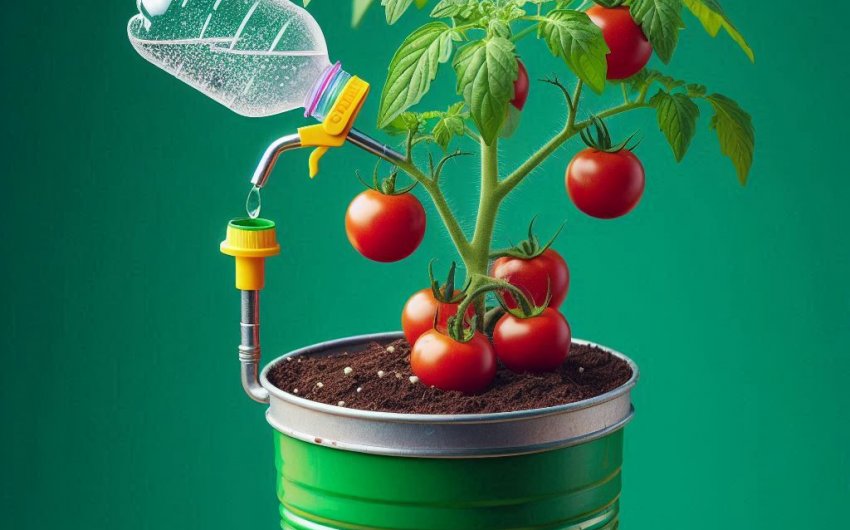
You can create a DIY self-watering planter by using two nested containers, one holding the plant and soil and the other acting as a water reservoir, connected by a wicking system. This design allows plants to draw water as needed, ensuring consistent moisture.
What is a Self-Watering Planter?
A self-watering planter is a type of plant container designed to provide a continuous water supply to plants, reducing the frequency of manual watering. It typically consists of a water reservoir at the bottom and a planting area above, connected by a wicking system that draws water up into the soil. This mechanism ensures that plants receive a consistent and appropriate amount of moisture, preventing both overwatering and underwatering. It's an excellent solution for busy gardeners, frequent travelers, or anyone looking to make plant care more convenient and efficient, providing effortless green solutions.
How Does a Self-Watering Planter Work?
A self-watering planter operates on the principle of capillary action, a process where water moves upward against gravity through small spaces. Here's a breakdown of its components and how they function:
- Water Reservoir: This is the bottom section of the planter, holding a supply of water. It acts as the primary source of hydration for the plant.
- Planting Container: Situated above the reservoir, this container holds the soil and the plant. It typically has drainage holes at the bottom, but these are crucial for the wicking system, not for excess water to escape.
- Wicking System: This is the bridge between the reservoir and the soil. It can be made from various materials like cotton rope, felt, or even a section of the planting container itself (e.g., a "wicking basket"). The wicking material soaks up water from the reservoir and draws it upwards into the soil.
- Filler Tube: Many designs include a separate tube that extends from the top of the planter down into the water reservoir. This allows you to refill the reservoir without disturbing the plant or soil.
- Overflow Hole: Essential for outdoor self-watering planters, this small hole, usually near the top of the reservoir, prevents overfilling during rain, ensuring the plant roots don't sit in stagnant water and rot.
As the soil in the planting container dries out, the wicking material continuously draws moisture from the reservoir, keeping the soil consistently damp but not waterlogged. This controlled hydration is ideal for many plants, promoting healthy root development and overall plant growth. This ingenious design offers effortless green solutions for gardeners.
What are the Benefits of Using Self-Watering Planters?
Using DIY self-watering planters offers numerous advantages for both plants and gardeners, making plant care simpler and more effective.
- Consistent Moisture: Plants receive a steady supply of water, preventing the extreme wet-dry cycles that can stress roots. This leads to healthier, more vigorous growth.
- Reduced Watering Frequency: You'll need to refill the reservoir much less often than traditional top-watering, sometimes only once a week or even less, depending on the plant and planter size. This is a huge time-saver.
- Prevents Overwatering & Underwatering: The wicking system ensures plants take up only the water they need, largely eliminating the risk of root rot from overwatering or wilting from underwatering.
- Nutrient Retention: When top-watering, nutrients can leach out of the soil with excess water. In a self-watering system, water moves upwards, keeping nutrients in the root zone.
- Ideal for Vacation: If you're away for a few days or a week, your plants can remain hydrated without needing a plant sitter.
- Healthier Root Development: Roots tend to grow downwards towards the consistent moisture source in the reservoir, leading to a stronger, deeper root system.
- Less Mess: No more overflowing saucers or water spilling on floors, making them ideal for indoor use.
- Water Conservation: Less water is lost to evaporation or runoff compared to traditional watering, making them more water-efficient.
- Versatility: Suitable for a wide range of plants, from herbs and vegetables to flowers and houseplants.
- Convenience: The ultimate benefit is the sheer convenience and peace of mind. Knowing your plants are consistently watered allows for truly effortless green gardening.
These benefits make DIY self-watering planters an incredibly practical and beneficial addition to any garden or home.
What Materials Do You Need for a DIY Self-Watering Planter?
Building your own DIY self-watering planter is a rewarding project that often uses readily available materials. The exact items might vary slightly depending on the specific design you choose, but here's a general list of essentials:
- Two Containers: You'll need two containers of similar size, where one can nest inside the other with a small gap for water.
- Outer Container (Reservoir): This will hold the water. It should be watertight and large enough to provide a good water supply. Examples include a larger bucket, plastic storage bin, or even a large soda bottle bottom.
- Inner Container (Planting Pot): This will hold the soil and plant. It needs to fit inside the outer container and should have drainage holes at the bottom. A standard nursery pot, a smaller bucket, or the top section of a cut plastic bottle works well.
- Wicking Material: This is crucial for drawing water up.
- Examples: Cotton rope, felt fabric strips, old cotton t-shirt strips, or even specialized wicking strips. Cotton Rope 1/4 inch is a popular choice.
- Drill with Drill Bits: To create holes in your containers, especially for the inner pot and the filler tube.
- Utility Knife or Scissors: For cutting plastic containers or wicking material.
- Filler Tube (Optional but Recommended): A piece of PVC pipe, old plastic bottle neck, or even a sturdy cardboard tube (for temporary use) to make refilling easier. A 1-inch diameter PVC pipe works well.
- Overflow Hole Plug/Grommet (for outdoor use): If you want a controlled overflow, a small rubber grommet or stopper can be useful.
- Growing Medium:
- Potting Mix: A high-quality, well-draining potting mix is essential. Avoid heavy garden soil. Organic Potting Mix is often a good choice.
- Perlite or Vermiculite (Optional): To improve drainage and aeration of your potting mix.
- Plants: Your chosen plants, seedlings, or seeds.
Having these materials ready will make your DIY self-watering planter project smooth and successful, allowing for truly effortless green gardening.
What Tools Do You Need for Building Your Planter?
While the material list focuses on the components of the planter itself, you'll also need a few basic tools to put everything together. These are generally common household or gardening tools.
- Drill: Absolutely essential for making holes in plastic containers.
- Drill Bits: You'll need a range of sizes, typically from 1/4 inch to 1 inch, depending on the size of your wicking material and filler tube. A step drill bit can be particularly useful for creating larger, clean holes in plastic.
- Utility Knife or Sharp Scissors: For cutting plastic bottles, fabric for wicks, or trimming excess material. A box cutter works well for clean cuts on thicker plastic.
- Measuring Tape or Ruler: To measure the height of your containers and determine where to make cuts or drill holes for proper fitting.
- Permanent Marker: For marking drill spots or cut lines on your containers.
- Safety Glasses: Crucial when drilling or cutting plastic, as small shards can fly.
- Gloves (Optional but Recommended): To protect your hands during the building process.
Having these tools readily available will streamline your DIY self-watering planter construction, ensuring a safe and efficient build.
How to Build a Simple Wick-Based Self-Watering Planter?
This step-by-step guide will walk you through creating a basic yet highly effective wick-based DIY self-watering planter, perfect for beginners seeking effortless green solutions.
Step 1: Prepare Your Containers
- Select Containers: Choose two plastic containers. The outer container (reservoir) should be solid and watertight. The inner container (planting pot) should fit inside the outer one, leaving a gap at the bottom for water. Common choices include two five-gallon buckets, or a large soda bottle cut in half.
- Drill Holes in Inner Container: The inner container needs drainage holes. These are where your wicks will pass through. Use a drill to create several holes (at least 3-5) in the bottom. The holes should be large enough for your wicking material to pass through easily. If you're using a large single hole, aim for about 1/2 inch to 1 inch.
- Create an Overflow Hole (for outdoor planters): In the side of your outer container (reservoir), drill a small hole about 1-2 inches from the top. This overflow hole prevents the reservoir from overfilling during heavy rain, which could waterlog your plant's roots. If your planter is strictly for indoor use, this step is optional but still recommended to prevent accidental overwatering.
Step 2: Prepare the Wicking System
- Cut Wicking Material: Cut several strips of your chosen wicking material (cotton rope, felt strips, old cotton t-shirt strips) to a length that will reach from the bottom of your outer reservoir up into the soil of your inner planting pot, with some extra length to spare. For a typical bucket planter, 12-18 inches (30-45 cm) per wick is usually sufficient. You'll need 3-5 wicks, depending on the size of your planter.
- Insert Wicks: Thread one end of each wick through the holes you drilled in the bottom of the inner container. Pull about 2-3 inches (5-8 cm) of the wick up into the inside of the inner container. The rest of the wick should hang down below the inner container.
Step 3: Assemble the Planter
- Add Filler Tube (Optional): If you're using a filler tube, drill a hole in the inner container that's slightly larger than your tube's diameter. Insert the tube so it extends from the top of the inner container down into the bottom of the outer reservoir. This makes refilling much easier.
- Nest Containers: Carefully place the inner container (with wicks threaded through) inside the outer reservoir. Ensure the wicks reach the very bottom of the reservoir, where the water will be. There should be a gap between the bottom of the inner container and the bottom of the outer reservoir where water will collect.
- Add Spacer (Optional but Recommended for Larger Planters): For larger planters, you might want to place a small elevated platform (e.g., an inverted plastic colander, small sturdy plastic container with holes, or PVC pipe fittings) in the bottom of the outer reservoir to support the inner pot and ensure consistent water access for the wicks. This creates a larger water reservoir space.
Step 4: Add Potting Mix and Plant
- Prepare Soil for Wicks: Gently spread the wicks that are inside the inner container across the bottom.
- Add Potting Mix: Fill the inner container with a high-quality, well-draining potting mix. Make sure to thoroughly moisten the potting mix before adding it to the planter. This initial moistening helps start the wicking action.
- Plant Your Plant: Plant your chosen plant or seeds as you normally would. Gently firm the soil around the plant.
Step 5: Fill the Reservoir
- Initial Top Watering: For the first watering, it's best to water the plant from the top, just like a regular pot, until water starts to drain into the reservoir. This helps settle the soil and fully initiate the wicking process.
- Fill Reservoir: Once the initial top-watering is done, fill the outer reservoir with water. If you installed a filler tube, use it. Otherwise, carefully pour water into the gap between the two containers. Stop when water reaches the overflow hole (if present) or just below the bottom of the inner container.
Your DIY self-watering planter is now ready! Monitor the water level in the reservoir and refill as needed. You'll quickly see the benefits of truly effortless green plant care.
How to Build a Simple Plastic Bottle Self-Watering Planter?
This design is incredibly simple, cost-effective, and perfect for individual plants or seedlings, making it a great small-scale DIY self-watering planter for effortless green results.
Step 1: Prepare the Plastic Bottle
- Choose Your Bottle: Select a clean, clear plastic bottle, ideally 1-liter (34 fl oz) or 2-liter (68 fl oz). Water or soda bottles work well.
- Cut the Bottle: Using a utility knife or sharp scissors, cut the bottle roughly 1/3 of the way down from the top. You'll end up with two main pieces: a top section (like a funnel) and a bottom section (the base/reservoir). The top section (with the cap end) will be your planting pot, and the bottom will be your water reservoir. Ensure the top section can fit upside down into the bottom section, leaving a gap for water at the bottom.
- Remove Bottle Cap: Unscrew and remove the bottle cap from the top section. You won't need it.
Step 2: Prepare the Wicking System
- Cut Wicking Material: Cut a strip of cotton rope, old cotton t-shirt, or felt that is long enough to reach from the bottom of your cut bottle reservoir, up through the neck of the bottle, and extend a few inches into the wider part of the top section (your future soil area). A length of about 8-12 inches (20-30 cm) is usually sufficient.
- Insert Wick: Thread the wick through the bottle's neck. A trick is to tape one end of the wick to a pencil or skewer and push it through the opening. Pull the wick through so that a good portion hangs out of the bottle neck, and the rest extends up into the wider part of the top section.
Step 3: Assemble and Plant
- Invert Top Section: Turn the top section of the bottle (with the wick coming out of its neck) upside down.
- Add Potting Mix: Gently spread the wick end across the inside base of the inverted top section. Fill this section with moist, well-draining potting mix.
- Plant Your Plant: Plant your chosen seedling, small plant, or seeds into the soil. Gently firm the soil around it.
- Add Water to Reservoir: Fill the bottom section of the cut bottle with water. Don't overfill it – leave enough space so that when you insert the top section, water doesn't overflow.
- Nest Together: Carefully place the inverted top section (with plant and soil) into the bottom section (reservoir). Ensure the wick is submerged in the water. The bottom of the soil should be above the water level, with only the wick touching the water.
Your DIY plastic bottle self-watering planter is complete! This simple design is perfect for growing herbs on a windowsill or starting seedlings, making effortless green plant care highly accessible.
What Plants Thrive in Self-Watering Planters?
Many plants flourish in the consistent moisture provided by a DIY self-watering planter, making them ideal for gardeners seeking effortless green results. However, some plants are better suited than others.
Ideal Candidates:
- Most Herbs: Basil, mint, parsley, cilantro, chives, and oregano love consistent moisture and do very well. Mint, in particular, benefits from container growing, and a self-watering pot prevents it from drying out.
- Leafy Greens: Lettuce, spinach, kale, and other leafy vegetables thrive with steady water, which prevents bolting (going to seed) due to drought stress.
- Tomatoes: Bush varieties or determinate tomatoes do exceptionally well, benefiting from constant hydration, which helps prevent blossom end rot.
- Peppers: Both sweet and hot peppers appreciate consistent moisture.
- Strawberries: Especially good for containers, strawberries produce well with steady water.
- African Violets: These popular houseplants are notorious for disliking water on their leaves but loving consistent soil moisture, making them perfect for wicking systems.
- Ferns: Many fern varieties prefer consistently damp soil.
- Peace Lilies: These plants clearly show when they need water (wilting leaves), but a self-watering planter keeps them happy and hydrated.
- Impatiens: Ideal for vibrant flowering displays in self-watering hanging baskets or window boxes.
- Petunias: Another flowering plant that enjoys consistent moisture for abundant blooms.
Plants to Be Cautious With (or Avoid):
- Succulents and Cacti: These plants prefer very dry conditions between waterings and will quickly succumb to root rot in a continuously moist self-watering setup.
- Orchids: Most orchids are epiphytes (grow on other plants) and require excellent air circulation around their roots, which self-watering systems don't provide.
- Drought-Tolerant Plants: Lavender, rosemary (outside a self-watering herb garden specifically), and some Mediterranean herbs prefer drier conditions and can suffer from too much moisture.
- Plants Prone to Root Rot: If a plant is known to be very sensitive to "wet feet," it might not be the best candidate unless the wicking system is designed to allow for drier periods.
When choosing plants for your DIY self-watering planter, consider their natural water requirements. Most plants that prefer "consistently moist" soil will flourish, truly delivering effortless green gardening.
How to Maintain Your Self-Watering Planter?
Even with their "self-watering" convenience, your DIY self-watering planters still require a little attention to keep your plants thriving and ensure continued effortless green gardening.
- Monitor Water Levels: The most important task is to regularly check the water reservoir. The frequency will depend on the plant's needs, the planter's size, and environmental conditions (temperature, humidity). For most, checking every few days to once a week is sufficient. Refill through the filler tube or by carefully pouring water into the gap.
- Top Watering (Occasionally): Every few weeks or once a month, it's a good idea to water your plant from the top. This helps to flush out any accumulated mineral salts from the soil and ensures the entire soil profile gets a good soak. Water until you see a little water draining into the reservoir.
- Fertilization: Since nutrients won't leach out as readily, you can often use a slightly lower dose of fertilizer or fertilize less frequently than with traditional pots. Use a liquid fertilizer added directly to the water reservoir or apply a slow-release granular fertilizer to the soil. If using liquid, dilute according to package directions. Liquid Plant Food designed for continuous feeding is ideal.
- Clean Reservoir (Seasonally): Over time, algae can grow in the water reservoir, especially if it's exposed to light. Periodically empty the reservoir, clean it with a brush and warm, soapy water (or a diluted bleach solution, rinsing thoroughly), and refill. This is especially important if you notice the wicking action slowing down.
- Inspect Wicks: Occasionally check that your wicks are still effectively drawing water. If the plant seems dry despite a full reservoir, the wick might be clogged or need replacing.
- Seasonal Adjustments: In hotter, drier weather, plants will use more water, so you might need to refill the reservoir more often. In cooler, less active periods, they'll use less.
- Plant Health Check: Even though watering is automated, still check your plants regularly for signs of pests, diseases, or nutrient deficiencies, just like any other plant.
Consistent, though infrequent, maintenance will ensure your DIY self-watering planter continues to provide optimal hydration and support for healthy, vibrant plants, truly living up to the promise of effortless green.
How to Troubleshoot Common Self-Watering Planter Problems?
Even with DIY self-watering planters designed for effortless green, you might encounter a few hiccups. Here's how to troubleshoot common issues:
1. Plant is Wilting or Dry Despite Full Reservoir
- Problem: The wicking system isn't working effectively.
- Solutions:
- Check Wick Contact: Ensure the wick is fully submerged in the water reservoir and makes good contact with the soil. Sometimes the wick can get dislodged or become dry.
- Initial Soak: The soil might not have been fully moistened when planted, preventing the initial capillary action. Water the plant thoroughly from the top until water drains into the reservoir. This "primes" the wick and soil.
- Wick Material: The wicking material might not be absorbent enough or could be clogged with soil particles or mineral buildup. Consider replacing it with new cotton rope or felt.
- Too Much Air Gap: There might be too large an air gap between the soil and the reservoir water. Ensure the wick is long enough to reach the bottom of the reservoir.
- Algae/Mineral Buildup in Reservoir: If the reservoir is dirty or has a lot of mineral deposits, it can hinder water absorption by the wick. Empty and clean the reservoir thoroughly.
2. Soil is Constantly Soggy / Plant Shows Signs of Root Rot
- Problem: Overwatering or poor drainage within the system.
- Solutions:
- Overflow Hole Missing/Blocked: If you're using the planter outdoors, ensure there's an overflow hole in the reservoir about 1-2 inches from the top. This prevents the reservoir from overfilling during rain. If it's blocked, clear it.
- Soil Type: The potting mix might be too dense or heavy, retaining too much moisture. Use a lighter, well-draining potting mix with good aeration. Add perlite or vermiculite to improve drainage.
- Wick Material Too Thick/Too Many Wicks: If the wicking action is too strong, it can keep the soil perpetually soggy. Try using thinner wicks or fewer wicks.
- Plant Type: The plant might not be suitable for a self-watering system (e.g., succulents, cacti). Consider repotting it into a traditional pot or a different self-watering design that allows for drier periods.
- Drainage in Inner Pot: Ensure the inner pot has adequate drainage holes at the bottom where the wicks are, and they are not blocked by soil.
3. Algae Growth in the Reservoir
- Problem: Light exposure in the water reservoir encourages algae.
- Solutions:
- Opaque Reservoir: Use an opaque outer container (dark-colored plastic) to block light from reaching the water.
- Cover the Reservoir: If your reservoir is clear, try to cover as much of the exposed water surface as possible with a lid or by painting the outside of the reservoir.
- Regular Cleaning: Periodically empty and clean the reservoir.
By addressing these common issues, you can keep your DIY self-watering planters functioning optimally and continue to enjoy truly effortless green plant care.
Can You Convert Existing Planters into Self-Watering?
Yes, you absolutely can convert existing planters into self-watering systems, making your current pots more efficient and creating an effortless green environment for your plants. The process involves creating the reservoir and wicking components within or alongside your existing container.
Method 1: The "Pot-in-Pot" Conversion (Similar to DIY Basic)
This method is ideal if your existing planter has no drainage holes or you want to maintain its aesthetic while adding self-watering functionality.
- Find a Larger Outer Pot: Select a larger, watertight container that your existing planter can sit inside. This will be your water reservoir. Ensure there's a good gap at the bottom for water.
- Add Drainage Holes to Existing Pot (if none): If your existing planter doesn't have drainage holes, you'll need to drill some in the bottom. These holes are essential for the wicking material.
- Prepare Wicking Material: Cut several lengths of cotton rope or felt strips.
- Insert Wicks: Thread the wicks through the newly drilled holes in your existing planter, allowing them to extend several inches into the bottom of the pot and hang down sufficiently to reach the bottom of your new outer reservoir.
- Add Spacer/Support (Optional): You might need to place a small inverted pot or a few bricks/stones in the bottom of the outer reservoir to elevate your existing planter, creating ample space for the water.
- Nest and Plant: Place your existing planter (with plant and wicks) into the larger outer reservoir. Fill the reservoir with water. Top water the plant initially to establish wicking.
Method 2: Internal Reservoir Conversion (for larger existing planters)
This works well for very large existing planters.
- Create an Internal Reservoir System: You'll need a waterproof barrier or a smaller container to create a false bottom or internal reservoir within your large existing planter.
- Example: Use a large, sturdy plastic bin or cut-down bucket, drilling many holes in its bottom and sides. This will be your "wicking basket."
- Add Wicks to the Basket: Thread wicks through the bottom of this "wicking basket" or fill its bottom with coarse gravel or a wicking medium (like specialized perlite or pumice) that draws water.
- Elevate the Basket: Place the wicking basket into the bottom of your existing planter, elevating it with bricks or an inverted smaller pot to create the water reservoir space underneath.
- Add Filler Tube and Overflow: Install a filler tube (PVC pipe) extending from the top of the planter down into the reservoir created by the elevated basket. For outdoor planters, add an overflow hole to the side of the existing planter at the top of the reservoir level.
- Fill with Soil and Plant: Fill the wicking basket and the rest of the existing planter with your potting mix and plant your chosen plants. Fill the reservoir with water.
Key Considerations for Conversion:
- Watertight Outer Container: Ensure your new reservoir container is absolutely watertight if you're using the "pot-in-pot" method.
- Adequate Wicking: Use enough wicking material, and ensure it's in good contact with both the water and the soil.
- Soil Type: Always use a light, well-draining potting mix. Heavy garden soil will become waterlogged.
- Overflow Protection: Essential for outdoor conversions to prevent waterlogging during rain.
Converting existing planters is a sustainable way to upgrade your gardening setup, providing the benefits of effortless green without needing to buy new specialized pots.
How to Choose the Right Plants for Your Self-Watering Planter?
Choosing the right plants is essential for the success of your DIY self-watering planter and truly achieving effortless green plant care. The key is understanding a plant's water needs.
Assess Water Requirements:
- High Moisture Needs: Look for plants that prefer "consistently moist" or "even moisture" in their care instructions. These are ideal. Examples include most leafy greens (lettuce, spinach), many herbs (basil, mint, parsley), tomatoes, peppers, and many tropical houseplants (ferns, peace lilies, African violets).
- Moderate Moisture Needs: Plants that like to dry out slightly between waterings can also do well, but you might need to use fewer wicks or a coarser potting mix to ensure the soil isn't constantly saturated.
- Low Moisture/Drought-Tolerant: Avoid succulents, cacti, and many Mediterranean herbs (lavender, most rosemary varieties) unless the self-watering system is specifically designed for very intermittent watering, which is rare. These plants are prone to root rot in consistently damp conditions.
Consider Root Systems:
- Plants with shallow, fibrous root systems often benefit greatly as the consistent moisture near the surface is ideal for them.
- Plants with deep taproots might still do well, as their roots will seek out the moisture.
Growth Habits:
- Container-Friendly Varieties: Choose determinate (bush) tomato varieties over indeterminate (vining) ones for smaller self-watering planters. Look for "dwarf" or "compact" versions of vegetables if space is limited.
- Heavy Feeders: Plants that are heavy feeders (like tomatoes and peppers) will thrive with the consistent nutrient delivery that a self-watering system allows (when liquid fertilizer is added to the reservoir).
Light Requirements: Remember that a self-watering planter addresses moisture, not light. Ensure the plant you choose also gets the appropriate amount of sunlight for its needs. A sun-loving plant won't thrive in a self-watering planter placed in the shade, regardless of watering.
Experimentation: Don't be afraid to experiment with different plants. Start with a few well-suited candidates, observe their growth, and adjust your approach or plant choices as needed.
By aligning your plant selection with the unique hydration benefits of a DIY self-watering planter, you'll set yourself up for successful, vibrant growth and truly effortless green gardening.
Building a DIY self-watering planter is a fantastic way to simplify your plant care, ensuring consistent hydration and healthier plants with truly effortless green results.