
Culinary Heights: Vertical Herb Garden Ideas for Kitchen
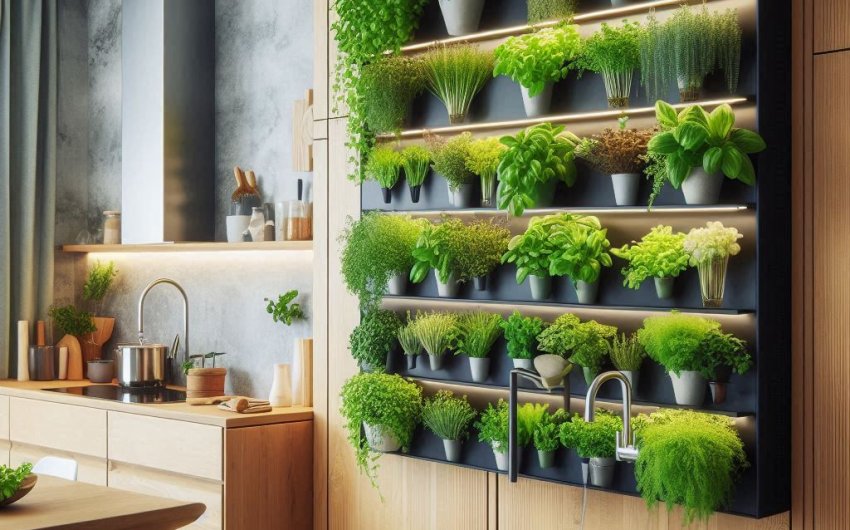
The best vertical herb garden ideas for your kitchen involve maximizing limited space to grow fresh herbs conveniently. These innovative setups allow you to harvest culinary delights right where you cook, enhancing flavors and minimizing waste.
What Are the Benefits of a Vertical Herb Garden in the Kitchen?
A vertical herb garden in your kitchen offers numerous advantages beyond just aesthetics. It's a practical solution for fresh ingredients and sustainable living.
Space Saving: Maximize Your Kitchen Footprint
One of the most significant benefits is its ability to save space. Traditional potted herbs can quickly clutter countertops. A vertical garden utilizes wall space, windows, or unused corners, making it perfect for apartments or small kitchens.
- Small Footprint: Takes up minimal floor or counter space.
- Vertical Growth: Allows you to grow multiple plants in a stacked or tiered system.
- Ideal for Urban Living: Perfect for city dwellers with limited outdoor access.
Fresh Herbs at Your Fingertips: Culinary Convenience
Imagine snipping fresh basil for your pasta sauce or rosemary for roasted potatoes just moments before serving. A kitchen herb garden brings this convenience to your daily cooking.
- Instant Access: Herbs are always within reach.
- Enhanced Flavors: Fresh herbs have a more potent and vibrant flavor than dried or store-bought alternatives.
- Reduced Waste: Harvest only what you need, reducing spoilage.
Aesthetic Appeal: A Living Kitchen Decor
Beyond functionality, a vertical herb garden adds a touch of natural beauty to your kitchen. It's a living art piece that brings warmth and freshness into your home.
- Greenery Indoors: Boosts ambiance and air quality.
- Visual Interest: Creates a focal point in your kitchen.
- Natural Scents: Many herbs release pleasant aromas.
Cost Savings and Sustainability: Grow Your Own
Growing your own herbs is more economical and sustainable in the long run. You avoid repeated purchases of plastic-packaged herbs from the grocery store.
- Economical: Saves money compared to buying fresh herbs regularly.
- Eco-Friendly: Reduces plastic waste and transportation emissions.
- Empowering: You control the growing process, often without pesticides.
What Types of Vertical Herb Garden Systems Are Best for Kitchens?
Several types of vertical herb garden systems are well-suited for kitchen environments, each with unique features and suitability.
Wall-Mounted Planters: Sleek and Space-Efficient
Wall-mounted planters are an excellent choice for kitchens with available wall space. They come in various styles, from simple individual pots to multi-tiered pocket systems.
Individual Pot Holders: Modular and Flexible
These systems feature brackets or rails where individual pots can be hung. This allows for easy rotation and replacement of plants.
- Flexibility: Easily rearrange or add new herbs.
- Ventilation: Good air circulation around each plant.
- Material Options: Available in metal, wood, or ceramic.
Consider a set of Wall-Mounted Pot Holders for a customizable setup.
Pocket Planters: Fabric or Felt Systems
Pocket planters are typically made from durable felt or fabric, featuring multiple pockets in which to plant herbs. They are lightweight and easy to install.
- Lightweight: Easy to hang on most walls.
- Breathable: Promotes healthy root growth.
- Modern Aesthetic: Creates a lush, green wall effect.
- Watering Considerations: Can dry out quickly; careful watering is needed to prevent over-saturation of lower pockets.
A Vertical Felt Planter with Pockets is a popular choice.
Tiered Wall Shelves: Display and Grow
Simple shelving units mounted to the wall can hold multiple potted herbs. This offers both vertical growing space and a display area.
- Versatile: Can hold various pot sizes.
- Easy Access: Herbs are at different heights for easy harvesting.
- Decor Friendly: Blends well with existing kitchen decor.
Install some Floating Wall Shelves to create your display.
Freestanding Vertical Gardens: Flexible and Moveable
For kitchens with floor space but no suitable walls, freestanding vertical garden structures are a great alternative. They can often be moved, allowing you to optimize light exposure.
A-Frame Planters: Stable and Attractive
A-frame planters are sturdy structures with shelves or pockets on both sides, maximizing growing space in a compact footprint.
- Stability: Less likely to tip over.
- Two-Sided Growth: Offers ample space for a variety of herbs.
- Visual Appeal: Can be a decorative centerpiece.
A Wooden A-Frame Planter adds rustic charm.
Tiered Planters: Stackable Pot Systems
These systems involve pots that stack or nest on top of each other, forming a tall column of greenery.
- Small Footprint: Very efficient use of vertical space.
- Easy Watering: Water flows down through the tiers.
- Good for Small Spaces: Fits into corners or narrow areas.
Look for a Stackable Vertical Planter for a compact solution.
Window-Based Systems: Leveraging Natural Light
The best kitchen herb gardens utilize natural light. Window-based systems are perfect for maximizing sunlight exposure.
Window Shelf Planters: Simple and Effective
Simple shelves that attach to your window frame or hang in front of it can hold multiple pots.
- Maximizes Light: Direct access to sunlight.
- Space-Saving: Uses otherwise unused window space.
- Visibility: Easy to monitor plant health.
Consider a Window Herb Shelf for easy setup.
Suction Cup Planters: Minimalist Approach
Small, lightweight planters with strong suction cups can be attached directly to window panes. Ideal for a few choice herbs.
- Ultra-Compact: Takes up no additional space.
- Easy Installation: No drilling required.
- Limited Capacity: Best for just a few herbs.
Search for Suction Cup Window Planters.
Hydroponic Vertical Gardens: High-Tech and Efficient
For those seeking a more advanced system, hydroponic vertical gardens offer rapid growth and minimal mess, as they don't use soil.
- Faster Growth: Plants often grow quicker than in soil.
- No Soil Mess: Clean and pest-resistant.
- Water Efficiency: Uses less water than traditional gardening.
- Automated Systems: Many come with built-in pumps and grow lights.
- Initial Cost: Can be more expensive upfront.
An Indoor Hydroponic Herb Garden System is a great choice for tech-savvy gardeners.
How Do You Choose the Right Herbs for Your Kitchen Vertical Garden?
Not all herbs are equally suited for vertical kitchen gardens. Choosing the right ones ensures success and a bountiful harvest.
Light Requirements: The Most Crucial Factor
Most herbs thrive in bright, direct sunlight for at least 6 hours a day. Kitchens can be tricky, so assess your light situation first.
- South-Facing Window: Ideal for most herbs, providing ample light.
- East/West-Facing Window: Good for morning or afternoon sun, but may require supplemental light for some herbs.
- North-Facing Window: Generally not enough light for most herbs without a grow light.
Herbs that love sun (6+ hours direct light):
- Basil
- Rosemary
- Thyme
- Oregano
- Sage
- Chives
Herbs that tolerate some shade (4-6 hours bright indirect light):
- Mint
- Cilantro
- Parsley
- Lemon Balm
If your kitchen lacks natural light, consider a Full Spectrum LED Grow Light.
Growth Habits: Upright vs. Trailing
Consider how the herbs grow. This impacts how they fit into a vertical system.
- Upright Growers: Basil, chives, rosemary, cilantro, parsley are generally bushy or upright. These fit well in individual pots or tiered systems.
- Trailing/Sprawling Growers: Mint, oregano, thyme can trail. These are good for top pockets or where they can cascade down.
Watering Needs: Grouping Similar Herbs
Different herbs have different watering preferences. Grouping those with similar needs can simplify care.
- Drought-Tolerant Herbs (like less water): Rosemary, thyme, oregano, sage. Plant these together if possible.
- Water-Loving Herbs (like consistent moisture): Basil, mint, parsley, cilantro. These need more frequent watering.
A good watering can with a long spout makes watering easier in a vertical setup. Find a Small Watering Can for Indoor Plants.
Culinary Uses: What Do You Cook With Most?
Prioritize herbs you use frequently in your cooking.
| Herb | Common Uses | Best for Vertical Garden? |
|---|---|---|
| Basil | Pesto, Italian dishes, Caprese salads | Yes, needs warmth & light |
| Mint | Teas, desserts, cocktails, Middle Eastern | Yes, can be invasive |
| Rosemary | Roasts, breads, potatoes | Yes, slow grower |
| Thyme | Meats, stews, vegetables | Yes, hardy |
| Oregano | Pizza, pasta, Greek dishes | Yes, can trail |
| Chives | Eggs, potatoes, garnishes | Yes, easy to grow |
| Parsley | Soups, salads, garnishes | Yes, needs consistent water |
| Cilantro | Mexican, Asian, Indian cuisine | Yes, can bolt in heat |
How to Set Up and Care for Your Kitchen Vertical Herb Garden?
Setting up and maintaining your vertical herb garden requires attention to a few key details for long-term success.
Step-by-Step Setup Guide
- Choose Your System: Decide on the type of vertical garden that best suits your space, light, and budget (wall-mounted, freestanding, hydroponic, etc.).
- Select Your Herbs: Pick herbs based on your culinary needs, light conditions, and growth habits.
- Gather Supplies:
- Good quality potting mix: A well-draining indoor potting mix for soil-based systems.
- Pots/containers: Ensure they fit your chosen system and have drainage holes.
- Herb seeds or seedlings: Starting with seedlings often gives quicker results.
- Small shovel/trowel: For planting.
- Watering can: With a narrow spout for precise watering.
- Prepare Your Herbs:
- If using seedlings, gently remove them from their nursery pots.
- Loosen any root-bound roots at the bottom.
- Planting:
- Fill each pocket or pot with potting mix, leaving space at the top.
- Create a small hole, insert the herb, and gently backfill with soil.
- Water thoroughly after planting.
- Install Your System: Follow the manufacturer's instructions for hanging or assembling your chosen vertical garden. Ensure it's secure.
Watering: The Golden Rule
Consistent and appropriate watering is vital. Overwatering is a common killer of indoor herbs.
- Check Soil Moisture: Stick your finger about an inch into the soil. If it feels dry, it's time to water.
- Watering Frequency: Herbs in smaller pots or fabric planters will dry out faster. This might mean daily or every other day. Larger pots might need watering every few days.
- Drainage: Ensure all pots/pockets have good drainage to prevent root rot. If water collects, you might need a drip tray underneath.
A Soil Moisture Meter can help take the guesswork out of watering.
Light: Natural vs. Supplemental
As mentioned, light is key.
- Rotate Plants: If your light source is directional, rotate your pots every few days so all sides of the plants get exposure.
- Supplemental Lighting: If natural light is insufficient, a grow light is a game-changer. Position it about 6-12 inches above your plants and run it for 12-16 hours a day.
Feeding Your Herbs: Nutrients for Growth
Indoor herbs benefit from occasional feeding.
- Start with Good Soil: A quality potting mix will have nutrients for the first few weeks.
- Liquid Fertilizer: After a month or so, use a balanced liquid organic fertilizer at half strength every 2-4 weeks during the growing season (spring and summer).
- Compost Tea: A natural, nutrient-rich option.
Choose an Organic Liquid Plant Food specifically for herbs.
Pruning and Harvesting: Encourage Bushy Growth
Regular harvesting encourages your herbs to grow bushier and produce more leaves.
- Pinch Back: When a stem has a few sets of leaves, pinch off the top set. This encourages the plant to branch out.
- Harvest Regularly: Don't be afraid to snip off leaves for cooking. The more you harvest, the more the plant will produce.
- Prevent Flowering: For most herbs, prevent them from flowering (bolting) by pinching off flower buds as they appear. This keeps the plant focused on leaf production, improving flavor. Basil, for instance, becomes bitter after flowering.
Pest Control: Keep Them Bug-Free
Indoor herbs can occasionally attract pests like aphids or spider mites.
- Inspect Regularly: Check the undersides of leaves frequently.
- Organic Solutions:
- Neem Oil: A natural insecticide that is safe for edibles. Dilute and spray according to package directions.
- Insecticidal Soap: Effective against soft-bodied pests.
- Wipe with Damp Cloth: For small infestations, simply wipe pests off with a damp cloth or a gentle stream of water.
- Isolate Affected Plants: If you spot pests, move the affected plant away from others to prevent spread.
Keep a bottle of Organic Neem Oil Spray on hand.
What Are Some Creative DIY Vertical Herb Garden Ideas for the Kitchen?
If you enjoy crafting, there are many innovative ways to create a unique and personal vertical herb garden using repurposed materials.
Mason Jar Herb Garden: Charming and Simple
Mason jars are perfect for individual herbs and add a rustic touch to your kitchen.
Mason Jars on a Wooden Pallet: A Farmhouse Look
Attach hose clamps or metal straps to a reclaimed wooden pallet and use them to hold mason jars. Mount the pallet on your kitchen wall.
DIY Steps:
- Source a clean, heat-treated wooden pallet.
- Clean and sand the pallet. Apply a food-safe sealant if desired.
- Attach hose clamps or metal pipe straps to the pallet where you want each jar.
- Secure the pallet to the wall using sturdy screws into studs.
- Place herbs in mason jars with drainage (pebbles at the bottom, or drill small holes if confident).
Mason Jars in Macrame Hangers: Bohemian Vibe
Create or buy macrame plant hangers for individual mason jars and hang them at varying heights near a window.
DIY Steps:
- Source several quart-sized mason jars.
- Find macrame plant hangers (or make your own).
- Pot herbs in each jar (ensure drainage and proper potting mix).
- Hang the macrame hangers from sturdy hooks in your ceiling or a curtain rod.
Repurposed PVC Pipes: Modern and Industrial
PVC pipes can be cut and configured into unique vertical planters.
DIY Steps:
- Purchase food-grade PVC pipes (larger diameter, like 4-6 inches).
- Cut pipes into desired lengths.
- Cut out openings on the top side of each pipe section for planting.
- Cap the ends of the pipes.
- Stack and secure the pipes using brackets or adhesive, or mount them directly to a wall.
- Drill small drainage holes at the bottom of each section.
- Fill with potting mix and plant herbs.
A PVC Pipe Cutter will be helpful for this project.
Ladder Shelf Planter: Easy and Rustic
An old wooden ladder can be repurposed into a charming tiered herb display.
DIY Steps:
- Find a sturdy wooden ladder (old, decorative ladders work best).
- Clean and sand the ladder. Apply a non-toxic sealant if it will be exposed to moisture.
- Place wooden planks or sturdy trays on each rung to create shelves.
- Place potted herbs on the shelves. This is a very simple and flexible setup.
Plastic Bottle Vertical Garden: Eco-Friendly and Budget-Conscious
Used plastic bottles can be transformed into a hanging vertical garden. This is a great way to recycle.
DIY Steps:
- Collect several large plastic bottles (e.g., 2-liter soda bottles).
- Cut a large opening on one side of each bottle, leaving the ends intact.
- Drill small drainage holes in the bottom of the cut-out section.
- Thread sturdy twine or wire through the tops and bottoms of the bottles to create a vertical string of planters.
- Hang the string of bottles from a sturdy hook or curtain rod.
- Fill each bottle with potting mix and plant herbs.
What Are Common Challenges with Kitchen Vertical Herb Gardens and How to Solve Them?
Even with the best intentions, vertical herb gardens can face challenges. Knowing how to troubleshoot helps ensure your herbs thrive.
Insufficient Light: The Silent Killer
This is the most common problem for indoor herbs.
- Problem: Leggy, pale plants; slow growth; poor flavor.
- Solution:
- Relocate to a brighter window.
- Invest in a full-spectrum LED grow light. Place it 6-12 inches above plants for 12-16 hours/day.
- Consider light-loving herbs like basil and rosemary for your brightest spots, and shade-tolerant ones like mint and parsley for slightly less bright areas.
Overwatering or Underwatering: Getting the Balance Right
Root rot from overwatering or wilting from underwatering are frequent issues.
- Problem:
- Overwatering: Yellowing leaves, soft stems, moldy soil, gnats.
- Underwatering: Wilting leaves, dry crispy edges, stunted growth.
- Solution:
- Watering Routine: Develop a consistent watering schedule based on checking soil moisture, not just arbitrary days.
- Drainage: Ensure all pots have drainage holes and your system allows excess water to escape or be collected.
- Potting Mix: Use a well-draining potting mix specifically for containers or indoor plants.
Pests: Unwanted Visitors
Pests can find their way indoors.
- Problem: Sticky residue on leaves, tiny bugs on plants, chewed leaves, webbing.
- Solution:
- Quarantine New Plants: Isolate new plants for a week or two before introducing them to your existing garden.
- Regular Inspection: Check plants daily, especially the undersides of leaves.
- Organic Treatments: Use insecticidal soap or neem oil spray at the first sign of pests.
- Wipe Down: For small infestations, manually wipe off pests with a damp cloth.
Nutrient Deficiencies: Hungry Herbs
Over time, your herbs will use up nutrients in the soil.
- Problem: Stunted growth, discolored leaves (e.g., yellowing between veins, purple tints).
- Solution:
- Fertilize Regularly: Use a diluted liquid organic fertilizer every 2-4 weeks during the active growing season.
- Repot Annually: Fresh potting mix provides new nutrients.
Poor Air Circulation: Stuffy Plants
Lack of air movement can lead to fungal issues or encourage pests.
- Problem: Moldy soil, weak stems, fungal spots on leaves.
- Solution:
- Spacious Placement: Don't crowd your plants too closely together in your vertical garden.
- Fan: A small oscillating fan can improve air circulation in a stuffy kitchen.
- Pruning: Remove excess foliage to improve airflow through the plant.
By addressing these common challenges, your vertical herb garden in the kitchen can provide a continuous supply of fresh, flavorful herbs, making your culinary endeavors truly soar.