
Brew for Growth: How to Make Compost Tea for Seedlings
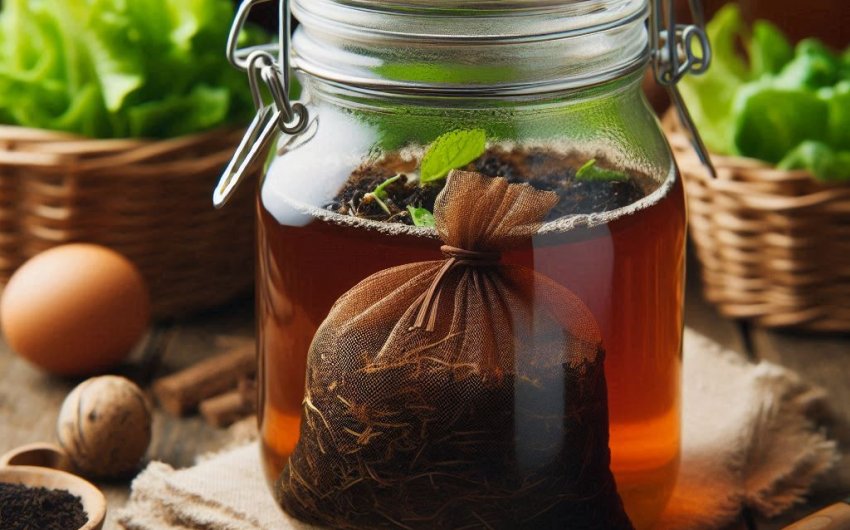
Nurturing delicate seedlings into robust young plants requires careful attention, especially when it comes to providing the right nutrients. While commercial fertilizers are an option, gardeners increasingly turn to organic, natural solutions that foster overall plant and soil health. Learning how to make compost tea for seedlings is an excellent way to provide a gentle, nutrient-rich boost, encouraging stronger root development and more resilient growth without the risk of burning tender young plants.
What is compost tea and why is it beneficial for seedlings?
Compost tea is essentially a liquid extract made by steeping finished compost in water. It's often referred to as "liquid gold" for gardeners because it's packed with beneficial microorganisms and soluble nutrients from the compost.
Benefits for Seedlings:
- Gentle Nutrient Boost: Unlike strong chemical fertilizers that can burn tender young roots, compost tea provides a mild, balanced dose of nutrients. It acts more as a tonic or supplement than a heavy meal.
- Microbial Powerhouse: The primary benefit of compost tea is the introduction of a diverse array of beneficial bacteria, fungi, protozoa, and nematodes. These microorganisms are vital for:
- Nutrient Cycling: They help break down organic matter in the soil, making existing nutrients available to plant roots.
- Disease Suppression: A healthy population of beneficial microbes can outcompete or even actively suppress harmful pathogens in the soil, protecting seedlings from common diseases like damping-off.
- Improved Soil Structure: Microorganisms contribute to healthy soil structure, improving aeration and water retention around delicate roots.
- Root Development: The hormones and enzymes present in compost tea can stimulate stronger and healthier root growth, which is crucial for seedlings transitioning from germination to active growth.
- Enhanced Resilience: By fostering a robust microbial environment and providing gentle nutrition, compost tea helps seedlings develop stronger immune systems, making them more resilient to stress, pests, and diseases.
- Eco-Friendly: It's an all-natural, organic, and sustainable way to fertilize and protect your seedlings, reducing reliance on synthetic chemicals.
Types of Compost Tea:
There are two main types of compost tea:
- Passive (Non-Aerated) Compost Tea: This is the simpler method, involving just steeping compost in water. It tends to extract more soluble nutrients and a smaller, less diverse population of microbes. It's perfectly suitable and safe for home use on seedlings. This is the method we'll focus on.
- Aerated Compost Tea: This involves actively bubbling air through the compost-water mixture using an air pump. This encourages the rapid multiplication of aerobic (oxygen-loving) microorganisms, leading to a much more potent and microbe-rich tea. While highly beneficial, it's more complex and requires specific equipment. If done incorrectly, it can promote anaerobic (oxygen-lacking) bacteria, which can produce harmful compounds. For seedlings, the passive method is generally sufficient and safer for beginners.
What essential supplies do I need to make passive compost tea for seedlings?
Making passive compost tea is quite straightforward and requires only a few readily available items.
1. High-Quality Finished Compost
- The Foundation: Your compost tea is only as good as the compost you start with. Use mature, finished compost that is dark, crumbly, and smells earthy.
- Source: Use compost from your own backyard compost bin, or purchase high-quality organic compost from a garden center.
- Avoid: Immature or unfinished compost can contain harmful compounds or pathogens. Also, avoid compost made with pet waste or diseased plant material.
2. Non-Chlorinated Water
- Chlorine is Harmful: Chlorine in tap water can kill the beneficial microorganisms you want to cultivate in your tea.
- Options:
- Rainwater: Ideal! Collect rainwater if possible.
- Well Water: Generally good if not chlorinated.
- Dechlorinated Tap Water: If using tap water, let it sit out in an open container for 24-48 hours to allow the chlorine to dissipate. Stirring occasionally can speed this up. For chloramine (a more stable disinfectant), a carbon filter or a few drops of vitamin C powder can help.
3. A Container for Steeping
- Size: A 1-gallon jug, a 5-gallon bucket (with a lid), or any clean, food-grade plastic container will work.
- Material: Avoid metal containers that can react with the compost and affect the tea.
- Cleanliness: Ensure the container is clean and free of soap residue or chemicals.
4. A Porous Bag (or Method to Strain)
- Purpose: To hold the compost while it steeps, making it easy to remove the solids.
- Options:
- Burlap Bag: A small burlap bag or piece of burlap.
- Mesh Laundry Bag: A clean, unused mesh laundry bag.
- Old Nylon Stocking: Clean and free of holes.
- Cheesecloth: Multiple layers will be needed.
- Paint Strainer Bag: New and clean.
- Alternative: If you don't have a bag, you can simply put the compost directly into the water and strain the finished tea through a colander lined with cheesecloth.
5. Stick or Stirring Utensil
- Purpose: To stir the mixture periodically.
6. Watering Can (for Application)
- Fine Rose: A watering can with a fine rose or a spray bottle is ideal for gently applying the tea to delicate seedlings.
How do I make passive compost tea for seedlings step-by-step?
This method is straightforward and effective for a gentle microbial boost.
Step 1: Prepare Your Water
- Dechlorinate (if using tap water): Fill your container (e.g., a 1-gallon jug or 5-gallon bucket) with tap water. Leave it uncovered for 24-48 hours to allow chlorine to evaporate. If you suspect chloramines, you might need a carbon filter or a tiny pinch of vitamin C powder per gallon.
- Room Temperature: Use water that is at or near room temperature. Very cold water can shock the microbes and slow down the brewing process.
Step 2: Prepare Your Compost "Tea Bag"
- Amount of Compost: A general ratio is about 1 part compost to 5-10 parts water. For a 1-gallon container, use roughly 1-2 cups of finished compost. For a 5-gallon bucket, use about 1 gallon of compost.
- Fill Bag: Place the measured amount of finished compost into your porous bag (burlap, mesh, stocking).
- Tie Securely: Tie the top of the bag securely so the compost doesn't escape. Leave a long string or tail so you can easily retrieve the bag.
Step 3: Steep the Compost
- Submerge Bag: Place the compost-filled bag into your container of non-chlorinated water.
- Weight Down (if needed): If the bag floats, you can gently weigh it down with a clean, non-reactive rock (like a river rock) to keep it submerged.
- Cover Loosely: Cover the container loosely with a lid or cloth. This keeps out debris while allowing some air exchange. Avoid airtight seals.
- Steep Time: Allow the compost to steep for 12-36 hours.
- 12-24 hours: Generally sufficient for a good extract.
- Longer times (up to 36 hours): Can extract more, but beyond 48 hours, especially without aeration, the tea can start to become anaerobic and develop a foul odor, which is undesirable.
- Temperature: Warmer temperatures (70-75°F / 21-24°C) will speed up the process. Cooler temperatures will slow it down.
Step 4: Stir Periodically (Optional but Beneficial)
- Agitation: Every few hours (or at least a few times during the steeping process), gently stir the compost tea mixture with a clean stick or wooden spoon. This helps agitate the compost in the bag, encourages more extraction, and introduces a bit of oxygen.
Step 5: Harvest the Tea
- Remove Bag: Once steeping is complete, remove the compost bag from the container. Squeeze any excess liquid from the bag back into the tea.
- Dilution (Important for Seedlings): For seedlings, dilution is key to prevent over-fertilization or root burn. A common dilution for passive compost tea for seedlings is 1 part tea to 5-10 parts non-chlorinated water. For very young or sensitive seedlings, start with a more diluted solution (e.g., 1:10 or 1:20).
- Use Immediately: Compost tea is best used within 4-6 hours of brewing, while the beneficial microbes are most active. After this time, the microbial population may start to decline, especially without aeration.
Step 6: What to Do with the Spent Compost
- Return to Pile: The compost from the bag is still valuable! Return it to your main compost bin to continue breaking down. It will still have nutrients and beneficial microbes.
- Direct Application: You can also mix it directly into your garden soil.
How do I apply compost tea to seedlings?
Applying compost tea gently and effectively ensures your young plants receive maximum benefit.
1. Timing for Seedlings
- When to Start: Wait until your seedlings have developed their first set of true leaves (the leaves that appear after the initial cotyledons or seed leaves). They are too delicate before this stage.
- Frequency: For a gentle boost, apply diluted compost tea once every 1-2 weeks.
- After Transplanting: It's particularly beneficial to apply compost tea shortly after "potting up" seedlings to larger containers, or after transplanting them outdoors, to help them establish and recover from transplant shock.
2. Application Methods
- Soil Drench: This is the most common and effective method for seedlings.
- Method: Using a watering can with a fine rose (sprinkler head) or a gently flowing spout, apply the diluted compost tea directly to the soil around the base of each seedling.
- Benefits: Delivers nutrients and microbes directly to the root zone where they are most needed and utilized. It also helps settle the soil around the roots.
- Foliar Spray (Optional, for older seedlings):
- Method: For slightly older, more robust seedlings, you can also use a fine mist spray bottle to apply diluted compost tea directly to the leaves.
- Benefits: Some nutrients can be absorbed through the leaves, and the microbes can help suppress foliar diseases.
- Caution: Apply early in the morning or late in the evening to avoid leaf burn if applied during hot, sunny conditions. Ensure a fine mist so leaves aren't dripping wet, which can encourage fungal issues.
3. Considerations for Application
- Dilution is Key: Always dilute! When in doubt, dilute more. It's better to give a very mild dose than to overdo it.
- Avoid Overwatering: Ensure you're not overwatering your seedlings when applying the tea. Check soil moisture before applying.
- Cleanliness: Keep your watering cans and spray bottles clean.
Troubleshooting and FAQs for Compost Tea
Even with a straightforward process, questions and minor issues can arise.
1. My compost tea smells bad!
- Cause: This usually indicates that your tea has gone anaerobic (lacked oxygen), often from steeping for too long, using an airtight container, or using poor quality compost. Anaerobic bacteria produce foul odors.
- Solution: Discard the tea. Do not use it, as it can contain compounds harmful to plants. Next time, use a loose lid, shorten steeping time, and ensure you're using high-quality compost.
- Healthy Tea Smell: Good compost tea should smell earthy, like fresh soil, or mildly sweet. It should never smell rotten, sour, or like sewage.
2. Is there a "best" type of compost for tea?
- Vermicompost: Compost made with worm castings (vermicompost) is often considered excellent for compost tea due to its high microbial diversity and nutrient content.
- General Composting: Any good quality, finished backyard compost will work well. The more diverse the ingredients in your compost pile, the more diverse the microbes in your tea.
3. Can I make a stronger compost tea?
- For a more potent, microbe-rich tea, you would need to use an aerated compost tea brewer setup, which involves an air pump and air stone to continuously oxygenate the water during brewing. This is more advanced and often not necessary for home gardeners, especially for seedlings.
4. How much compost tea should I apply?
- For a soil drench on seedlings, apply enough diluted tea to thoroughly moisten the soil around the seedling, similar to a regular watering. Avoid saturating the soil.
5. Can I use too much compost tea?
- It's much harder to over-fertilize or "burn" plants with passive compost tea compared to synthetic fertilizers, especially when diluted. However, consistently excessive application could lead to minor imbalances or simply be wasteful. Sticking to the recommended dilution and frequency is best.
6. What if my tap water has chloramines?
- Chloramines are more stable than chlorine and won't completely off-gas by just sitting out.
- Solution: Use an activated carbon filter on your hose or tap, or add a tiny pinch of vitamin C powder (ascorbic acid) to your water \( \frac{1}{4} \) teaspoon per 5 gallons) to neutralize chloramines. Let it sit for 30 minutes.
7. Can I store compost tea?
- Passive compost tea is best used immediately (within 4-6 hours) while the aerobic microbes are most active.
- Storing it for longer, especially in an airtight container, will deplete oxygen and lead to anaerobic conditions. If you need to store it briefly, keep it loosely covered in a cool, dark place, but try to use it within 24 hours.
Learning how to make compost tea for seedlings is a gentle yet powerful technique that aligns perfectly with organic gardening principles. By providing your young plants with this nutrient-rich, microbe-filled elixir, you're not just feeding them; you're actively building a thriving, resilient foundation for healthy growth, ensuring a vibrant garden from the very start.