
Spice Up Your Space: Tips for Growing Chili Peppers Indoors
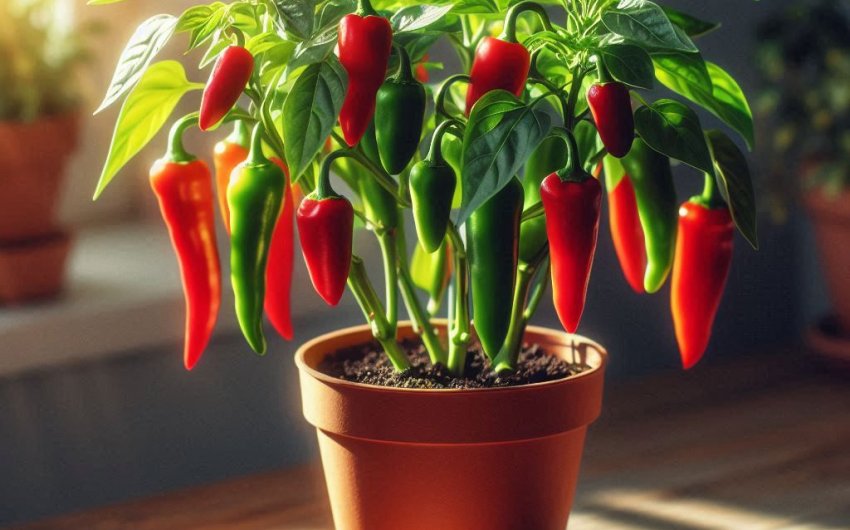
Growing chili peppers indoors provides a continuous supply of fresh, spicy flavor and vibrant color to your home, regardless of outdoor climate. Success depends on replicating their preferred warm, sunny conditions through adequate light, proper watering, and consistent care.
Why Grow Chili Peppers Indoors?
Growing chili peppers indoors is an incredibly rewarding endeavor for any spice lover, transforming your living space into a year-round source of fresh, vibrant heat. It offers convenience, flavor, and a unique touch of living decor.
What are the Benefits of Growing Chili Peppers Indoors?
- Year-Round Harvests: The most significant advantage. Chili peppers are warm-weather plants that often struggle or die back in cooler climates outdoors. Indoors, you can bypass seasonal limitations, enjoying fresh peppers even in the dead of winter.
- Optimal Flavor and Heat: Peppers picked at their peak ripeness from your own plant often have superior flavor and a more consistent heat level than store-bought varieties that may be picked early for transport.
- Unmatched Convenience: Imagine needing a fresh chili for a recipe and simply plucking it from your windowsill. No more last-minute grocery runs or settling for dried flakes.
- Control Over Growing Conditions: When growing chili peppers indoors, you dictate the environment. You can ensure they are grown organically, free from unwanted pesticides or chemicals, which is especially important for edible produce.
- Aesthetic Appeal: Chili plants are beautiful! Many varieties produce brightly colored peppers (red, orange, yellow, purple, black) and attractive foliage, making them vibrant, living decorations for your kitchen, living room, or office.
- Therapeutic Hobby: Nurturing plants and harvesting your own food is a proven stress reliever. The process of watching your chili plants grow and fruit can be incredibly satisfying and calming.
- Space Efficiency: Chili peppers, particularly dwarf and compact varieties, can be grown in pots on windowsills, shelves, or under grow lights, making them suitable for apartments or homes with limited outdoor space.
- Protection from Outdoor Elements/Pests: Indoors, your plants are safe from harsh weather (frost, strong winds, hail) and many common outdoor garden pests.
What Challenges Might I Encounter When Growing Chili Peppers Indoors?
While rewarding, there are a few common hurdles to be aware of:
- Intense Light Requirements: Chili peppers are sun-worshippers. Providing enough bright, direct light indoors is often the biggest challenge, especially without supplemental grow lights.
- Pollination: Indoor plants lack natural pollinators (bees, wind). You'll need to hand-pollinate to ensure fruit set.
- Humidity: Indoor air can sometimes be too dry for peppers, leading to flower drop or pest issues.
- Pest Management: Indoor environments can still attract specific pests like spider mites or aphids, which require vigilance.
- Temperature Consistency: Peppers love warmth and dislike sudden temperature fluctuations or cold drafts.
Despite these considerations, the joy and spicy rewards of growing chili peppers indoors make it a fantastic project for any home gardener.
Which Chili Peppers Are Best for Indoor Growing?
When growing chili peppers indoors, selecting the right variety is crucial for success. Some types are naturally more compact, prolific, and adaptable to indoor conditions, making them ideal choices for containers and limited spaces.
Top Chili Pepper Varieties for Indoor Cultivation:
- Pequin Peppers:
- Characteristics: Tiny, very hot (50,000-100,000 SHU), and grow on small, bushy plants.
- Why they're great indoors: Their compact size makes them perfect for windowsills or small grow tents. They are very prolific for their size, producing numerous berries.
- Uses: Sauces, oils, dried.
- Thai Chili (Prik Kee Noo):
- Characteristics: Medium to hot (50,000-100,000 SHU), often grow upright on relatively compact plants.
- Why they're great indoors: Can be managed to stay bushy with pruning, providing a steady supply of flavorful, hot peppers.
- Uses: Asian cuisine, stir-fries, hot sauces.
- Serrano Peppers:
- Characteristics: Medium heat (10,000-25,000 SHU), slightly larger than Thai chilies, good for fresh use. Plants can be managed to a reasonable size indoors.
- Why they're great indoors: Offers a versatile heat level and fresh flavor. Plants are productive.
- Uses: Salsas, hot sauces, fresh in dishes.
- Tabasco Peppers:
- Characteristics: Medium heat (30,000-50,000 SHU), thin-walled, juicy, and grow upright on bushy plants.
- Why they're great indoors: Known for their key role in Tabasco sauce, they are productive indoor growers.
- Uses: Hot sauces, vinegars.
- Cayenne Peppers:
- Characteristics: Medium-hot (30,000-50,000 SHU), long and slender. Plants can become fairly large, but are manageable with pruning.
- Why they're great indoors: A versatile pepper for drying or making powder.
- Uses: Dried flakes, powder, hot sauces.
- Ornamental Chili Peppers (e.g., 'Black Pearl', 'Bolivian Rainbow', 'Explosive Ember'):
- Characteristics: Often produce small, brightly colored peppers that change color as they ripen. Heat levels vary.
- Why they're great indoors: Bred for their striking appearance, they make beautiful edible houseplants.
- Uses: Primarily decorative, but often edible (check heat level before consuming a lot!).
Considerations When Choosing:
- Heat Preference: Decide how much heat you want. Are you looking for a mild kick or extreme fire? (Check the Scoville Heat Unit - SHU - range).
- Space Available: For windowsills, choose compact, bushy varieties. For larger setups with grow lights, you have more flexibility.
- Usage: Will you use them fresh, dried, or for sauces? This might influence the pepper's size and wall thickness.
- Compact Varieties: Look for varieties specifically described as "dwarf," "bushy," or "container-friendly" for easier indoor management.
No matter which variety you choose, providing consistent warmth, abundant light, and proper care are the keys to successful growing chili peppers indoors. Consider seeds from a reputable supplier like Baker Creek Heirloom Seeds for unique varieties.
What are the Ideal Growing Conditions for Indoor Chili Peppers?
Replicating the warm, sunny conditions chili peppers love in their native environments is paramount for growing chili peppers indoors successfully. Attention to light, temperature, humidity, and airflow will ensure healthy, productive plants.
Optimal Conditions for Indoor Chili Peppers:
Light (Absolutely Crucial!):
- Requirement: Chili peppers are sun-worshippers. They need a minimum of 8-10 hours of bright, direct sunlight per day to thrive and produce fruit indoors. More is even better. Insufficient light is the leading cause of poor fruiting and leggy growth.
- Natural Light: A south-facing window (in the Northern Hemisphere) that receives direct sun for most of the day is the best natural spot. West-facing windows can work, but watch for scorching in intense afternoon sun. North-facing windows are almost always insufficient.
- Grow Lights (Highly Recommended!): For truly robust plants and consistent fruit production, especially in regions with short winter days or less-than-ideal natural light, full-spectrum LED grow lights are essential.
- Placement: Position the grow light about 6-12 inches (15-30 cm) above the top of your chili plant.
- Duration: Provide 12-16 hours of light per day. Use a timer for consistency, and allow for a dark period of 8-12 hours for metabolic processes.
- A powerful option like the Spider Farmer SF-1000 LED Grow Light can provide excellent coverage for several plants.
Temperature:
- Requirement: Chili peppers love warmth. They thrive in consistent temperatures between 70-85°F (21-29°C) during the day and no lower than 60°F (15°C) at night.
- Avoid Cold: Keep plants away from cold drafts, exterior doors, or uninsulated windows, especially in winter. Temperatures below 55°F (13°C) can stunt growth, cause leaf drop, and prevent fruit set.
- Consistency: Avoid sudden, drastic temperature fluctuations.
Humidity:
- Requirement: Peppers prefer moderate humidity, typically around 50-70%. Indoor air, especially in winter with heating, can be much drier.
- Low Humidity Problems: Dry air can lead to flower drop, poor fruit set, and increased susceptibility to spider mites.
- Solutions:
- Pebble Tray: Place the potted pepper on a pebble tray filled with water (ensure the pot sits above the water). As the water evaporates, it increases humidity locally.
- Humidifier: A small room humidifier can benefit both your peppers and other houseplants.
- Avoid Misting: While misting might offer a temporary humidity boost, it's generally ineffective for long-term humidity and can promote fungal issues.
Air Circulation:
- Requirement: Good airflow around pepper plants is important. It helps strengthen stems, reduces the risk of fungal diseases (especially in higher humidity), and aids in pollination.
- Solutions: Don't overcrowd plants. If growing in an enclosed area like a grow tent, a small oscillating fan set to a gentle breeze for a few hours a day can be very beneficial.
By meticulously controlling these environmental factors, you will create the optimal conditions for growing chili peppers indoors that are not just alive, but consistently productive and full of heat.
What is the Best Soil and Pot Type for Indoor Chili Peppers?
Choosing the right soil and pot is fundamental for successful growing chili peppers indoors. These elements directly impact drainage, aeration, moisture retention, and nutrient availability, all critical for the extensive root system and fruit production of pepper plants.
Best Potting Mix for Indoor Chili Peppers:
- Never Use Garden Soil: This is a crucial rule for container gardening. Outdoor garden soil is too dense, compacts easily in pots (leading to root suffocation), and can introduce pests, diseases, and weed seeds indoors. It does not provide the aeration and drainage necessary in a confined container.
- High-Quality, Well-Draining Potting Mix: Opt for a premium, well-draining potting mix specifically formulated for containers or labeled "potting soil for indoor/outdoor plants." Pepper roots need good aeration. The mix should drain freely but also hold enough moisture to keep the roots consistently hydrated without becoming waterlogged. A good mix will feel light, airy, and fluffy.
- Enhance Drainage (Optional): While good potting mixes are usually sufficient, you can ensure even better drainage by mixing in about 1 part perlite to 4-5 parts potting mix. Perlite is a lightweight, porous volcanic rock that significantly improves aeration and drainage.
- Nutrient Content: Look for a potting mix that contains some initial nutrients, or be prepared to fertilize regularly once the pepper plant is actively growing. Some quality mixes are even formulated specifically for vegetables or fruiting plants.
A reliable choice for a well-balanced potting mix that supports robust root development is FoxFarm Ocean Forest Potting Soil.
Selecting the Ideal Pot Type and Size for Indoor Chili Peppers:
- Drainage Holes Are Non-Negotiable: This is the absolute most critical feature for any pot used for growing chili peppers indoors. Every single pot MUST have drainage holes at the bottom. Without them, excess water accumulates, depriving roots of essential oxygen and leading to root rot – a common killer of pepper plants. If you love a beautiful decorative pot without holes, use it as a cachepot (an outer, decorative pot) and place your pepper plant in a plain nursery pot (with drainage holes) inside it.
- Consider Pot Material:
- Fabric Grow Bags: Highly recommended for peppers. They offer excellent aeration to the root zone ("air pruning" roots, preventing circling) and superior drainage. They also help prevent the soil from overheating in direct sun.
- Pros: Excellent drainage/aeration, lightweight, reusable.
- Cons: Dry out faster, may need more frequent watering.
- Consider VIVOSUN Fabric Grow Bags.
- Terracotta/Unglazed Clay Pots: Their porous nature allows excess water to evaporate through the sides, promoting faster soil drying and excellent air circulation. Good for peppers if you monitor watering.
- Plastic Pots: Inexpensive, lightweight, and retain moisture longer than terracotta. They can work, but require careful watering to prevent soggy conditions.
- Glazed Ceramic Pots: Aesthetically appealing but non-porous. Ensure adequate drainage holes.
- Fabric Grow Bags: Highly recommended for peppers. They offer excellent aeration to the root zone ("air pruning" roots, preventing circling) and superior drainage. They also help prevent the soil from overheating in direct sun.
- Choose the Right Pot Size:
- Peppers need ample root space to support fruit production. Do not skimp on pot size.
- Minimum Size: For most common chili varieties, a minimum of a 5-gallon (approx. 19 liters) container is recommended per plant.
- Optimal Size: For larger or more productive plants, 7-10 gallon (approx. 26-38 liters) pots are even better.
- Dwarf/Compact Varieties: Smaller patio or dwarf chili varieties might do well in a 3-gallon (approx. 11 liters) pot, but will still need diligent watering.
- Why Large Pots? Larger pots provide more soil volume, which means more consistent moisture and nutrient availability, and less frequent watering compared to smaller pots. This helps prevent nutrient deficiencies and moisture stress that can impact fruit set.
By diligently selecting the appropriate well-draining potting mix and choosing a sufficiently large pot with excellent drainage, you will establish a robust and healthy environment, critically contributing to the success of growing chili peppers indoors.
How Do I Water and Fertilize Chili Peppers Indoors?
Mastering watering and understanding fertilization are vital for keeping your chili peppers indoors thriving and producing abundant, flavorful fruit. These aspects are critical for robust growth and optimal chili production.
Watering Chili Peppers Indoors:
Chili peppers prefer consistently moist soil, but they absolutely detest soggy feet. Overwatering is a common killer.
- The Golden Rule: Check the Soil First: This is the most crucial step. Stick your finger about 1-2 inches (2.5-5 cm) deep into the soil.
- If it feels moist, wait.
- If the top 1-2 inches feel dry, it's time to water.
- You can also learn to judge by lifting the pot; a dry pot will feel significantly lighter than a freshly watered one.
- Water Thoroughly: When you water, apply water slowly and evenly over the entire soil surface. Continue watering until you see water draining generously from the bottom of the pot. This ensures that the entire root ball is thoroughly moistened.
- Drain Excess Water (CRITICAL!): Never allow your potted chili peppers to sit in standing water in their saucer or decorative pot for extended periods. Within 15-30 minutes of watering, empty any accumulated water. Stagnant water deprives roots of essential oxygen and leads to root rot.
- Water Temperature: Always use room-temperature water. Cold water can shock the plant's roots.
- Frequency: Chili peppers generally need watering every 1-3 days, depending on the pot size, the warmth of your home, and the amount of light they receive. In very sunny, warm conditions, larger plants in smaller pots might need daily watering. Watch for slight wilting as a sign of thirst.
Fertilizing Chili Peppers Indoors:
Chili peppers are heavy feeders, especially once they start producing flowers and fruit. Regular fertilization is essential.
- Initial Potting Mix Nutrients: Most good quality commercial potting mixes contain initial nutrients sufficient for the first 4-6 weeks of growth. You generally don't need to fertilize newly potted chili peppers immediately.
- Active Growing Season (and Fruiting): Fertilize regularly during the active growing season, which extends through flowering and fruiting.
- Choose a Balanced Fertilizer, Then a Bloom Booster:
- Vegetative Growth (Early Stage): Start with a balanced liquid fertilizer (e.g., 5-5-5 or similar NPK ratio) to promote healthy foliage and stem growth.
- Flowering and Fruiting Stage: Once flowers start to appear, switch to a fertilizer with a lower nitrogen (N) content and higher phosphorus (P) and potassium (K) (e.g., a "bloom booster" like 2-10-10 or 5-10-5 NPK). Phosphorus promotes flowering and fruiting, while potassium contributes to overall plant health and fruit quality.
- Organic Options (Recommended for Edibles): Many gardeners prefer organic fertilizers for edibles. Look for organic liquid concentrates formulated for fruiting vegetables.
- FoxFarm Big Bloom Liquid Concentrate is a popular organic bloom booster.
- Dilute Properly (Absolutely Critical!): Always dilute liquid fertilizers to half or even quarter strength of the recommended dosage found on the product label. Over-fertilization is a very common problem for indoor plants and can lead to "fertilizer burn," which severely damages roots and causes leaf tips to turn brown and crispy. Excess nitrogen can promote leafy growth at the expense of fruit. When in doubt, err on the side of under-fertilizing.
- Apply to Moist Soil: Never apply fertilizer to a dry plant. Always water your chili pepper thoroughly first, ensuring the soil is evenly moist. Then, apply the diluted fertilizer. Applying fertilizer to dry soil can shock the roots and cause severe chemical burns.
- Frequency: During the active growing and fruiting season, fertilize your chili peppers indoors approximately every 1-2 weeks. Heavy feeders might benefit from more frequent, very dilute applications.
By diligently following these watering and fertilizing guidelines, you will significantly boost the health and productivity of your chili peppers indoors, ensuring a continuous supply of fresh, spicy harvests.
How Do I Pollinate and Prune My Indoor Chili Peppers?
Successful growing chili peppers indoors requires hands-on attention to two crucial tasks: pollination (since there's no wind or bees) and pruning (to encourage bushiness and fruit production).
Hand Pollinating Indoor Chili Peppers:
Outdoors, wind and insects naturally pollinate pepper flowers. Indoors, you need to step in as the matchmaker.
- Why It's Needed: Pepper flowers are "perfect" (contain both male and female parts), but they still need help transferring pollen for fruit to set.
- When to Pollinate: Pollinate when the flowers are fully open, typically in the late morning or early afternoon when pollen is most abundant and dry. Do this daily or every other day during the flowering period.
- Methods:
- Gentle Shake: Gently shake the entire plant or tap the flowers and stems. This dislodges pollen and allows it to fall onto the stigma (the female part).
- Paintbrush/Cotton Swab: Use a small, soft artist's paintbrush or a cotton swab. Gently swirl or dab the anthers (male parts, usually yellow and dusty with pollen) of each flower, then gently touch the collected pollen to the stigma (the central sticky part).
- Electric Toothbrush (Vibration Method): For highly effective pollination, gently touch the vibrating head of an electric toothbrush to the stem just behind each open flower. The vibrations will release pollen onto the stigma. This mimics a buzzing bee.
- What to Look For: After successful pollination, the small green "pepper" at the base of the flower will begin to swell and grow. If it shrivels and falls off, pollination was likely unsuccessful or the plant is stressed.
Pruning Indoor Chili Peppers:
Pruning encourages bushier growth, more flowering sites, and can keep the plant a manageable size for indoor spaces.
Pinching/Topping Young Plants (Optional but Recommended):
- When: When your pepper seedling is about 6-8 inches (15-20 cm) tall and has 5-7 sets of true leaves.
- Method: Pinch or cut off the very top growth tip (the main stem, just above a set of leaves).
- Why: This removes the apical dominance, encouraging the plant to branch out into multiple stems instead of growing tall and spindly. It leads to a bushier plant with more flowering nodes.
- Note: This might delay the first fruit by a week or two, but it results in a higher overall yield and a sturdier plant.
Removing Suckers (Optional):
- What they are: Side shoots that emerge in the "armpits" (leaf axils) of the main stem.
- Why: For indoor plants, removing some suckers (especially those that won't get enough light) can improve air circulation and direct energy to the main branches and fruit. However, for a bushier plant, you might leave some. It's a personal preference based on plant vigor and space.
- Method: Pinch or snip off suckers when they are small.
Removing Non-Productive Lower Leaves:
- When: As the plant grows and the lower leaves start to yellow or are shaded out.
- Why: Improves air circulation at the base of the plant (reducing fungal disease risk), redirects energy to upper growth and fruit, and prevents pests from hiding.
- Method: Snip off yellowing or unproductive lower leaves.
Pruning for Size and Shape (Maintenance Pruning):
- When: Throughout the growing season, as needed.
- Why: Keeps the plant a manageable size for your indoor space and encourages more branching.
- Method: Prune back any overly long or unruly branches by cutting just above a leaf node or branch junction.
Overwintering Pruning (If keeping plants for multiple years):
- When: Before bringing an outdoor plant indoors for winter, or if an indoor plant goes dormant.
- Method: Cut back the plant significantly, removing about half to two-thirds of its foliage and any remaining fruit. This prepares it for a resting period.
Consistent hand pollination and strategic pruning are key to successful growing chili peppers indoors, ensuring a continuous and abundant harvest of your favorite spicy delights.
What Are Common Problems When Growing Chili Peppers Indoors and How to Fix Them?
Even with careful attention, growing chili peppers indoors can present a few common challenges. Knowing how to identify and address these issues quickly will help maintain healthy plants and ensure a productive harvest.
Common Problems and Their Solutions:
Problem: Flowers Dropping (No Fruit Set)
- Appearance: Flowers form but turn yellow, shrivel, and fall off before any fruit begins to swell.
- Cause:
- Lack of Pollination (Most Common): No wind or insects indoors to transfer pollen.
- Extreme Temperatures: Too hot (above 85°F/29°C) or too cold (below 60°F/15°C) can cause flower drop.
- Humidity Issues: Too low (dry air) or too high can hinder pollen viability.
- Nutrient Imbalance: Too much nitrogen can promote foliage over flowers.
- Water Stress: Both overwatering and underwatering.
- Fix:
- Hand Pollinate: This is the primary solution. Daily or every other day, gently shake the plant, tap flowers, or use a paintbrush/electric toothbrush to transfer pollen.
- Regulate Temperature: Maintain optimal temperatures (70-85°F daytime, 60-70°F nighttime).
- Adjust Humidity: Use a pebble tray or humidifier if air is too dry. Ensure good air circulation.
- Fertilize Correctly: Switch to a bloom-boosting fertilizer (lower N, higher P & K) when flowering.
- Consistent Watering: Ensure even moisture.
- Prevention: Maintain ideal environmental conditions and always hand-pollinate.
Problem: Leggy, Stretched, or Pale Growth
- Appearance: Stems are long and spindly, leaves are pale green or yellow, and the plant appears sparse.
- Cause: Insufficient light (most common for indoor peppers).
- Fix:
- Increase Light Intensity/Duration: Move the plant to a brighter south-facing window or, more effectively, bring a full-spectrum LED grow light closer (6-12 inches away) and increase duration to 12-16 hours per day.
- Prune: Cut back leggy growth once light conditions improve to encourage bushier new growth.
- Prevention: Provide ample bright, direct light from day one, especially with grow lights.
Problem: Yellowing Leaves
- Appearance: Leaves turn yellow, sometimes accompanied by wilting or mushiness.
- Cause:
- Overwatering (Most Common): Roots are suffocating.
- Nutrient Deficiency: Especially nitrogen (overall yellowing) or iron/magnesium (interveinal yellowing).
- Underwatering: Severe underwatering can also cause yellowing before browning.
- Fix:
- Overwatering: Let soil dry out significantly between waterings. Ensure good drainage. Check for root rot.
- Nutrient Deficiency: Fertilize with a balanced liquid fertilizer (for overall yellowing) or specific micronutrient supplement if needed (e.g., Epsom salts for magnesium, chelated iron).
- Underwatering: Water thoroughly.
- Prevention: Follow proper watering guidelines. Fertilize consistently.
Problem: Wilting Despite Watering
- Appearance: Leaves and stems droop and lose turgor.
- Cause:
- Underwatering (Most Common): Soil is bone dry.
- Overwatering/Root Rot: Roots are damaged or suffocating from excess water, so they can't absorb water even if the soil is wet.
- Heat stress: Plant is too hot or in direct, intense sun without enough water.
- Fix:
- Underwatering: Water immediately and thoroughly. Plant should perk up within hours.
- Overwatering/Root Rot: Immediately stop watering. Ensure drainage. Remove from pot to check roots; repot into fresh, dry soil if root rot is present (cut off mushy roots).
- Heat Stress: Move to a slightly cooler spot. Ensure consistent water.
Problem: Pests (Spider Mites, Aphids, Fungus Gnats, Whiteflies)
- Appearance: Visible insects, sticky residue (honeydew), stippling on leaves, fine webbing, or tiny flies hovering around soil.
- Cause: Pests can be introduced with new plants, or thrive in certain conditions (dry air for mites, wet soil for gnats).
- Fix:
- Manual Removal: Dab with alcohol swabs (aphids, mealybugs), blast with water (aphids, mites, whiteflies), hand-pick.
- Organic Insecticidal Soap/Neem Oil: Apply carefully according to directions, avoiding blooms when pollinators are active. Ensure the product is safe for edibles.
- For Fungus Gnats: Let soil dry out more between waterings; use yellow sticky traps or BTI dunks.
- Prevention:
- Quarantine new plants: Isolate new plants for 1-2 weeks.
- Inspect regularly: Check tops and undersides of leaves.
- Good airflow: Prevents many issues.
- Avoid overwatering: Key for fungus gnats.
- A Safer Brand Insecticidal Soap & Mite Killer can be a targeted solution.
By being vigilant and consistently addressing these common problems, you can ensure your chili peppers indoors remain healthy, productive, and provide you with a continuous supply of fresh, spicy flavor.