
Beyond Beauty: Growing Edible Flowers in Containers
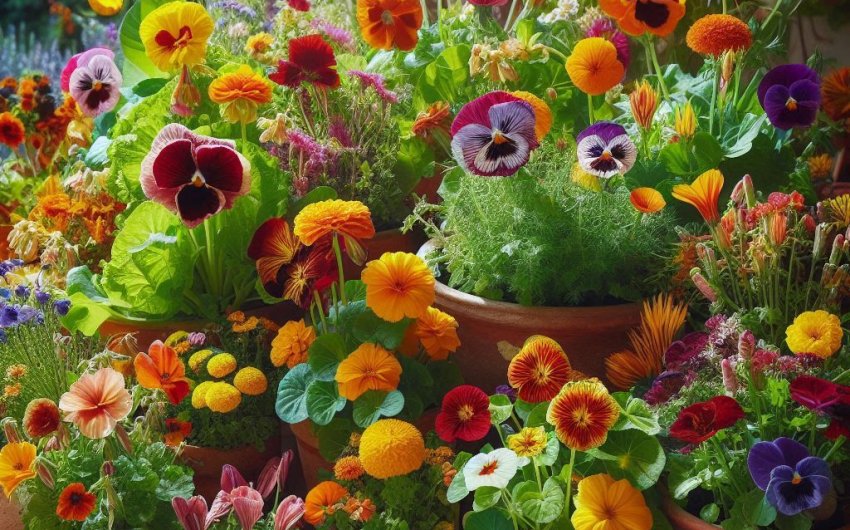
Growing edible flowers in containers is an excellent way to add vibrant colors, unique textures, and unexpected flavors to your culinary creations, even in small spaces. This accessible gardening method allows you to enjoy fresh, beautiful ingredients right from your patio, balcony, or windowsill.
Why Grow Edible Flowers in Containers?
Growing edible flowers in containers is a delightful and practical way to infuse your cooking with beauty and flavor, offering numerous advantages for gardeners of all levels and spaces. It's a culinary adventure that transforms your garden into a living pantry and art gallery.
What are the Benefits of Container-Grown Edible Flowers?
- Elevated Cuisine: Edible flowers add a gourmet touch, vibrant colors, and unique flavors to salads, desserts, drinks, and main courses. They can be peppery, sweet, citrusy, or even taste like chocolate!
- Space-Efficiency: This is a major advantage. Containers allow you to cultivate a diverse array of edible flowers even if you have limited space, such as a balcony, patio, windowsill, or small urban yard. You can maximize vertical space with hanging baskets or tiered planters.
- Portability and Flexibility: Container-grown edible flowers can be easily moved to optimize sun exposure throughout the day or season. You can bring tender varieties indoors before frost, move them to shelter during heavy rain, or rearrange them for entertaining.
- Pest and Disease Management: Potted plants are generally easier to monitor for pests and diseases. Isolating and treating an affected plant is simpler than in a large garden bed, and you can prevent soil-borne diseases from spreading. Plus, some edible flowers (like nasturtiums and marigolds) can act as trap crops or pest deterrents.
- Soil Control: You have complete control over the potting mix, ensuring perfect drainage, aeration, and nutrient levels tailored to each flower's specific needs. This is particularly beneficial if your native garden soil is poor or unsuitable.
- Weed Control: Weeds are much less of an issue in containers, as you're starting with sterile potting mix, and weeds have less opportunity to establish themselves.
- Aesthetic Appeal: Edible flowers are inherently beautiful! They add stunning colors, intricate shapes, and delightful textures to your outdoor space or indoors. You can choose containers that complement your home's style and create visually appealing groupings.
- Freshness and Purity: Harvesting edible flowers fresh from your own organic garden ensures peak flavor and purity. You control what goes onto your plants, guaranteeing they are free from pesticides and harmful chemicals. This is vital when consuming flowers.
- Attracts Pollinators: Many edible flowers are also excellent for attracting beneficial pollinators like bees and butterflies to your garden.
What Challenges Might I Encounter?
While the benefits are numerous, there are a few considerations:
- Increased Watering: Containers dry out much faster than in-ground beds, especially in hot, sunny, or windy conditions. This requires more frequent monitoring and watering.
- Nutrient Depletion: Containerized plants rely solely on the nutrients you provide in the potting mix and through regular fertilization.
- Winter Protection: While moving indoors is a benefit, it does require suitable indoor space and light during colder months for perennial varieties.
- Pot Size Matters: Choosing the right size pot is crucial; too small can stunt growth and accelerate drying.
Despite these minor points, the ability to enjoy fresh, beautiful, and delicious ingredients by growing edible flowers in containers is a truly enriching experience.
Which Edible Flowers Grow Well in Containers?
Selecting the right varieties is paramount for successfully growing edible flowers in containers. Some flowers are particularly well-suited to container life due to their size, growth habit, and relatively easy care, offering a continuous supply of beauty and flavor.
Top Edible Flowers That Thrive in Containers:
These varieties are excellent choices for adding both beauty and flavor to your container garden:
Nasturtiums:
- Flavor: Peppery, spicy, like watercress. The leaves, flowers, and seeds are all edible.
- Why they're great in containers: Bushier varieties are perfect for pots; vining types can spill beautifully from hanging baskets. They are relatively low-maintenance.
- Light: Full sun to partial shade.
- Container Tip: Can also act as a "trap crop" for aphids, luring them away from other plants.
- Uses: Salads, sandwiches, garnishes.
- Consider Nasturtium 'Alaska' Seeds for variegated leaves.
Pansies and Violas:
- Flavor: Mild, slightly sweet, often minty.
- Why they're great in containers: Compact, long-blooming (especially in cooler weather), and add cheerful pops of color. Excellent for small pots or window boxes.
- Light: Full sun to partial shade.
- Container Tip: Deadhead regularly for continuous blooms.
- Uses: Garnish for desserts, salads, drinks, candying flowers.
Calendula (Pot Marigold):
- Flavor: Mildly tangy to peppery or bitter. The petals are the edible part.
- Why it's great in containers: Hardy, long-blooming, and tolerant of various conditions. Grows in a bushy form.
- Light: Full sun.
- Container Tip: Deadhead often.
- Uses: Soups, stews (petals can act as a saffron substitute for color), salads, garnishes.
Borage:
- Flavor: Fresh cucumber flavor. Both leaves and star-shaped blue flowers are edible.
- Why it's great in containers: A vigorous annual that adds a unique flavor. Its vibrant blue flowers are highly attractive to pollinators.
- Light: Full sun.
- Container Tip: Can get large, so use a substantial pot (10-12 inches).
- Uses: Salads, drinks (infuse in water/gin), sandwiches.
Chives (and their Flowers):
- Flavor: Mild onion flavor in flowers, slightly sweeter than the greens.
- Why it's great in containers: Forms neat clumps and produces beautiful purple globe-shaped flowers. Perennial.
- Light: Full sun to partial shade.
- Container Tip: Harvest greens regularly. Allow some to flower for edible blooms.
- Uses: Garnish for savory dishes, salads.
Dianthus (Pinks):
- Flavor: Spicy, clove-like (remove white heel at base of petal as it's bitter).
- Why it's great in containers: Compact, often fragrant, and produces abundant blooms.
- Light: Full sun.
- Container Tip: Deadhead regularly.
- Uses: Desserts, salads, infused drinks.
Scented Geraniums:
- Flavor: Varies greatly by variety (rose, lemon, mint, chocolate-mint). Leaves and flowers are edible.
- Why they're great in containers: Easy to grow, fragrant, and can be brought indoors for winter.
- Light: Full sun.
- Container Tip: Pinch back for bushiness.
- Uses: Desserts, teas, flavored sugars/jellies.
Roses (Unsprayed, Heirloom Varieties):
- Flavor: Varies (sweet, spicy, fruity). Focus on fragrant, heirloom varieties.
- Why they're great in containers: Many compact or shrub roses do well in large pots.
- Light: Full sun.
- Container Tip: Must be organically grown and free from systemic pesticides.
- Uses: Teas, jams, desserts, flavored syrups.
Important Note on Edible Flowers:
- Positive Identification: Always be 100% sure you have correctly identified a flower before consuming it. Many ornamental flowers are toxic.
- Pesticide-Free: Only consume flowers that you have grown yourself organically, or know for certain have never been sprayed with any pesticides, herbicides, or fungicides. This is absolutely critical for your safety.
By focusing on these versatile and safe varieties, you'll find immense joy and flavor from growing edible flowers in containers.
What is the Best Soil and Pot Type for Edible Flowers in Containers?
The right potting mix and pot type are fundamental for successfully growing edible flowers in containers. They directly influence drainage, aeration, moisture retention, and nutrient availability, all critical factors for healthy root development and vibrant blooms.
Choosing the Best Potting Mix for Edible Flowers:
- Never Use Garden Soil: This is a crucial rule for container gardening. Outdoor garden soil is too dense, compacts easily in pots (leading to suffocation of roots), and can introduce pests, diseases, and weed seeds. It does not provide the aeration and drainage properties necessary in a confined container.
- High-Quality, Well-Draining Potting Mix: Opt for a premium, well-draining potting mix specifically formulated for containers or labeled "potting soil for indoor/outdoor plants." A good mix will feel light, airy, and fluffy to the touch. This composition allows for excellent aeration (providing oxygen to roots) and quick drainage, while still retaining enough moisture.
- No Added Fertilizers or Pesticides (for edibles): For edible flowers, specifically look for potting mixes that do NOT contain synthetic fertilizers, chemical pesticides, or wetting agents. While some basic fertilizers are fine, "organic" or "natural" blends are preferable. You want control over what your flowers are consuming.
- Enhancing Drainage (Optional but Recommended): To ensure optimal drainage and prevent root rot, especially for flowers that prefer slightly drier conditions (like nasturtiums or calendula once established), you can amend your potting mix:
- Perlite: A lightweight, porous volcanic rock. Mix in about 1 part perlite to 3-4 parts general potting mix to substantially improve aeration and drainage without adding significant weight.
- Coarse Sand: Use horticultural sand, not fine play sand. This also aids drainage.
A reliable choice for a general-purpose potting mix that supports healthy root development and is suitable for edibles is FoxFarm Ocean Forest Potting Soil.
Selecting the Ideal Pot Type and Size for Edible Flowers:
- Drainage Holes Are Non-Negotiable: This is the absolute most critical feature for any pot used for growing edible flowers in containers. Every single pot MUST have drainage holes at the bottom. Without them, excess water accumulates, depriving roots of essential oxygen and leading to root rot – the leading cause of death for container plants. If you love a beautiful decorative pot without holes, use it as a cachepot (an outer, decorative pot) and place your flower in a plain nursery pot (with drainage holes) inside it.
- Consider Pot Material: Different materials have distinct properties regarding moisture retention and aeration:
- Terracotta/Unglazed Clay Pots: Highly recommended for many edible flowers. Their porous nature allows excess water to evaporate through the sides of the pot, promoting faster soil drying and excellent air circulation directly to the roots. This is beneficial for flowers that prefer slightly drier conditions. They are also heavier and more stable.
- Plastic Pots: Lighter, less expensive, and durable. They retain moisture longer than terracotta. They can be a good choice for flowers that prefer consistently moist soil (e.g., pansies in summer), but require careful watering to prevent soggy conditions.
- Glazed Ceramic Pots: Aesthetically appealing and come in a wide range of designs. Like plastic, they are non-porous and retain moisture. Always double-check that they have adequate drainage holes.
- Choose the Right Pot Size:
- Don't Overpot: Do not put a tiny seedling into a giant pot. A pot that is too large holds an excessive amount of soil and moisture, which can stay wet for too long and suffocate the roots.
- For young seedlings, begin with pots that are approximately 4-6 inches (10-15 cm) in diameter.
- As your flower grows, repot it into a container that is only 1-2 inches (2.5-5 cm) larger in diameter than its current root ball.
- Most annual edible flowers will thrive in pots that are around 6-8 inches (15-20 cm) in diameter. Larger, bushier varieties like borage or mature calendula might need 10-12 inch (25-30 cm) pots.
- For perennial edible flowers (like roses or scented geraniums), choose a pot that accommodates their mature size and root system – often 12-18 inches (30-45 cm) or larger.
- If you plan on planting multiple compatible edible flowers in one larger container, ensure the container is large enough to accommodate their mature sizes without overcrowding (e.g., pansies and violas do well together in a window box).
By diligently selecting the appropriate well-draining, sterile potting mix and pots with excellent drainage, you will establish a robust and healthy environment, critically contributing to the success of growing edible flowers in containers.
How Do I Water and Fertilize Edible Flowers in Containers?
Consistent watering and careful fertilization are vital for keeping your edible flowers in containers vibrant, blooming prolifically, and safe for consumption. Container-grown plants have unique needs compared to those in garden beds, primarily due to faster drying out and limited nutrient access.
Watering Edible Flowers in Containers:
Watering is where many container gardeners struggle, with both overwatering and underwatering causing problems.
- The Golden Rule: Check the Soil First: This is the most crucial step. Stick your finger about 1 inch (2.5 cm) deep into the soil.
- If it feels moist, wait.
- If the top inch feels dry, it's time to water.
- You can also learn to judge by lifting the pot; a dry pot will feel significantly lighter than a freshly watered one.
- Water Thoroughly: When you water, apply water slowly and evenly over the entire soil surface. Continue watering until you see water draining generously from the bottom of the pot. This ensures that the entire root ball is thoroughly moistened.
- Drain Excess Water (CRITICAL!): Never allow your potted edible flowers to sit in standing water in their saucer or decorative pot for extended periods. Within 15-30 minutes of watering, empty any accumulated water. Stagnant water deprives roots of essential oxygen and leads to root rot.
- Water Temperature: Always use room-temperature water. Cold water can shock the plant's roots.
- Bottom Watering (Recommended for Delicate Varieties): For very delicate flowers, or to prevent disturbing small seedlings, try bottom watering. Place the potted flower in a saucer filled with 1-2 inches of water. Let the plant absorb water from the bottom up until the topsoil feels moist. Remove the pot from the tray to drain any excess.
- Frequency Varies Greatly:
- Flower Type: Some prefer consistent moisture (e.g., pansies in hot weather), while others prefer to dry out completely between waterings (e.g., nasturtiums once established).
- Pot Material: Terracotta pots dry out faster than plastic or glazed ceramic pots due to their porous nature.
- Size of Pot: Smaller pots hold less soil volume and dry out much faster than larger pots.
- Environmental Factors: Hot, sunny, or windy conditions will increase evaporation, requiring more frequent watering (possibly daily in summer). In contrast, cooler, darker conditions will demand less frequent watering.
Fertilizing Edible Flowers in Containers:
Potted edible flowers rely entirely on you for their nutrients, as their root systems are confined.
- Initial Potting Mix Nutrients: Most good quality commercial potting mixes contain initial nutrients sufficient for the first 4-6 weeks of growth. You generally don't need to fertilize newly potted flowers immediately after planting or repotting.
- Active Growing Season Only: The best time to fertilize your edible flowers is exclusively during their active growing season, which is typically spring and summer for most annuals, and whenever perennials are actively producing new growth and blooms. Reduce or stop fertilization in fall and winter.
- Choose an Organic, Balanced Liquid Fertilizer: For edible flowers, it's crucial to use organic-certified fertilizers that are safe for food crops. A balanced liquid fertilizer (e.g., 5-5-5 or 2-4-2 NPK) is generally suitable for promoting both healthy foliage and abundant blooms.
- Options: Liquid seaweed, fish emulsion (can have an odor), or specific organic bloom-boosting fertilizers.
- Dilute Properly (Absolutely Critical!): This is one of the most important rules for fertilization. Always dilute liquid fertilizers to half or even quarter strength of the recommended dosage found on the product label. Over-fertilization is a very common problem for container plants and can lead to "fertilizer burn," which severely damages roots and causes leaf tips to brown and crispy. Excess nitrogen can also promote leafy growth at the expense of flowers. When in doubt, err on the side of under-fertilizing.
- Apply to Moist Soil: Never apply fertilizer to a dry plant. Always water your edible flowers thoroughly first, ensuring the soil is evenly moist. Then, apply the diluted fertilizer. Applying fertilizer to dry soil can shock the roots and cause severe chemical burns.
- Frequency: During the active growing season, fertilize your edible flowers in containers approximately every 2-4 weeks, depending on the plant's growth rate and how frequently it blooms. Heavy bloomers may benefit from more frequent, very dilute feeding.
A good organic choice for feeding your potted edible flowers is Espoma Organic Indoor! Liquid Plant Food, or an organic bloom-booster like FoxFarm Big Bloom Liquid Concentrate. By diligently following these watering and fertilizing guidelines, you will ensure your edible flowers in containers thrive, producing beautiful and safe-to-eat blooms.
How Do I Harvest and Use Edible Flowers?
Harvesting edible flowers in containers is the exciting culmination of your gardening efforts, allowing you to infuse your dishes with beauty and unique flavors. Knowing when and how to harvest, along with safe preparation, is crucial for an enjoyable culinary experience.
When to Harvest Edible Flowers:
- Open and Fresh: Harvest flowers when they are fully open and at their peak freshness, typically in the morning after the dew has dried but before the midday sun causes them to wilt. This is when their flavor and color are most vibrant.
- Avoid Over-Ripe or Fading Flowers: Do not harvest flowers that are wilting, browning, or past their prime. Their flavor will be diminished, and they may be bitter.
- Before Pesticides (Critical!): Only harvest flowers that you are 100% certain have been grown organically and are completely free from any pesticides, herbicides, or fungicides. This is paramount for safety.
How to Harvest Edible Flowers:
- Use Clean Tools: Use small, clean, sharp scissors or pruners, or gently pinch off the flower with your fingers.
- Handle Gently: Edible flowers are delicate. Handle them minimally to avoid bruising the petals.
- Harvest What You Need: It's often best to harvest edible flowers as you need them, just before use, for maximum freshness.
- Remove Non-Edible Parts: For many flowers, you may need to remove certain parts:
- Rose Petals: Remove the white heel at the base of the petal, as it can be bitter.
- Dianthus/Carnation: Remove the bitter white base of the petals.
- Chamomile: Harvest the whole flower head.
- Borage: Harvest individual star-shaped flowers.
- Nasturtium: Harvest whole flowers.
Preparing Edible Flowers for Use:
- Inspect Thoroughly: Carefully inspect each flower for any hidden insects, dirt, or debris.
- Gently Rinse: If necessary, gently rinse the flowers in a colander under cool, very light running water. Do not blast them with water.
- Pat Dry: Very gently pat them dry with a paper towel or lay them on a clean cloth to air dry. Excess moisture can make them wilt quickly or become soggy.
How to Use Edible Flowers in the Kitchen:
The possibilities for using edible flowers in containers are as vast as your imagination!
- Salads: Sprinkle fresh petals over green salads for a pop of color and unexpected flavor (e.g., nasturtium, pansy, calendula, borage).
- Desserts: Use as elegant garnishes for cakes, cupcakes, tarts, and fruit platters (e.g., violas, pansies, rose petals, scented geranium petals).
- Drinks: Float petals in cocktails, mocktails, lemonade, or iced tea. Infuse them into syrups or ice cubes (e.g., borage, rose, scented geranium, lavender).
- Soups and Stews: Stir in petals just before serving for added color and subtle flavor (e.g., calendula, chive blossoms).
- Sandwiches and Wraps: Add a layer of petals for visual appeal and a flavor boost.
- Infused Oils and Vinegars: Steep clean petals in olive oil or vinegar for a flavored condiment.
- Compound Butters: Mix chopped petals into softened butter for a savory or sweet spread.
- Candied Flowers: A classic way to preserve delicate flowers for cake decoration (e.g., pansies, violas, rose petals). This involves coating them lightly in egg white and superfine sugar, then drying.
Storing Edible Flowers:
- Best Immediately: For peak quality, consume edible flowers immediately after harvest.
- Short-Term Storage (1-3 days):
- Gently place unwashed (or very carefully dried, if rinsed) flowers between layers of slightly damp paper towels.
- Place the paper towels in an airtight container or a resealable plastic bag.
- Store in the crisper drawer of your refrigerator.
- Tip: Some delicate flowers (like violas) may not store well, while others (like calendula petals) can last a bit longer.
By following these harvesting, preparation, and usage tips, you'll unlock the full potential of growing edible flowers in containers, transforming your meals into vibrant, flavorful, and beautiful culinary experiences.
What are Common Problems When Growing Edible Flowers in Containers and How to Fix Them?
Even with their beauty and versatility, growing edible flowers in containers can present a few common challenges. Knowing how to identify and address these issues ensures your blooms remain healthy, vibrant, and safe for consumption.
Common Problems and Their Solutions:
Problem: Leggy or Sparse Growth, Few Blooms
- Appearance: Plants look stretched, spindly, with long gaps between leaves, and sparse or no flowers.
- Cause: Insufficient light (most common). Could also be under-fertilization.
- Fix:
- Increase Light: Move containers to a sunnier location (at least 6 hours of direct sun). If indoors, invest in a full-spectrum LED grow light and provide 12-16 hours of light daily, positioned 6-12 inches above the plants.
- Prune: Pinch back leggy growth to encourage bushiness once light improves.
- Fertilize: Ensure consistent, gentle feeding during the active growing season with an organic, balanced fertilizer.
- Prevention: Research light needs for each specific flower before planting.
Problem: Yellowing Leaves
- Appearance: Leaves turn yellow, sometimes accompanied by wilting or mushiness.
- Cause:
- Overwatering (most common): Roots are suffocating from too much water.
- Nutrient deficiency: Especially nitrogen (overall yellowing).
- Underwatering: Severe underwatering can also cause yellowing before browning.
- Fix:
- Overwatering: Immediately check soil moisture. Ensure pots have excellent drainage holes. Let the soil dry out significantly between waterings. If severe, consider repotting into fresh, drier soil after inspecting for root rot (mushy, brown roots).
- Nutrient Deficiency: Fertilize with a diluted organic liquid fertilizer.
- Underwatering: Water thoroughly until drainage, then monitor.
- Prevention: Always check soil moisture before watering. Use well-draining potting mix.
Problem: Wilting Despite Watering
- Appearance: Leaves and stems droop and lose turgor.
- Cause:
- Underwatering (most common): Soil is bone dry.
- Overwatering/Root Rot: Roots are damaged or suffocating, so they can't absorb water even if the soil is wet.
- Heat stress: Too hot, especially in smaller pots that heat up quickly.
- Fix:
- Underwatering: Water immediately and thoroughly.
- Overwatering/Root Rot: See "Yellowing Leaves" fix.
- Heat Stress: Move pot to a slightly shadier spot during peak heat, or mist foliage in early morning (ensure good airflow). Consider larger pots next time.
- Prevention: Consistent watering, appropriate pot size, proper drainage.
Problem: No Blooms or Few Flowers
- Appearance: Plant grows foliage but produces few or no flowers.
- Cause: Insufficient light, too much nitrogen fertilizer (promotes leaves over flowers), lack of deadheading, or plant is stressed.
- Fix:
- Increase Light: Ensure 6+ hours direct sun or use grow lights.
- Adjust Fertilizer: Switch to a balanced organic fertilizer or one with higher phosphorus and potassium (the "P" and "K" in NPK) which encourage flowering.
- Deadhead: Promptly remove spent flowers to encourage new blooms.
- Reduce Stress: Address watering, pest, or temperature issues.
- Prevention: Provide optimal light. Fertilize appropriately for flowering.
Problem: Pests (Aphids, Spider Mites, Fungus Gnats, Whiteflies)
- Appearance: Visible insects, sticky residue (honeydew), stippling on leaves, fine webbing, or tiny flies hovering.
- Cause: Pests can be introduced with new plants, or thrive in certain conditions (dry air for mites, wet soil for gnats).
- Fix:
- Manual Removal: Dab with alcohol swabs (aphids, mealybugs), blast with water (aphids, mites), hand-pick.
- Organic Insecticidal Soap/Neem Oil: Apply carefully according to directions, avoiding blooms (especially when pollinators are active). Ensure the product is safe for edibles.
- For Fungus Gnats: Let soil dry out more between waterings; use yellow sticky traps or BTI dunks.
- Prevention (CRITICAL for edibles):
- Quarantine new plants: Isolate new plants for 1-2 weeks.
- Inspect regularly: Check tops and undersides of leaves.
- Good airflow: Prevents many issues.
- No pesticides: Only consume flowers that have been grown organically and are chemical-free.
- A Safer Brand Insecticidal Soap & Mite Killer can be used as a targeted spray.
By being vigilant and consistently addressing these common problems, you'll ensure your edible flowers in containers remain healthy, beautiful, and safe for adding those vibrant, fresh flavors to your culinary creations.