
Maximize Your Harvest: Raised Bed Garden Plans for Small Yards
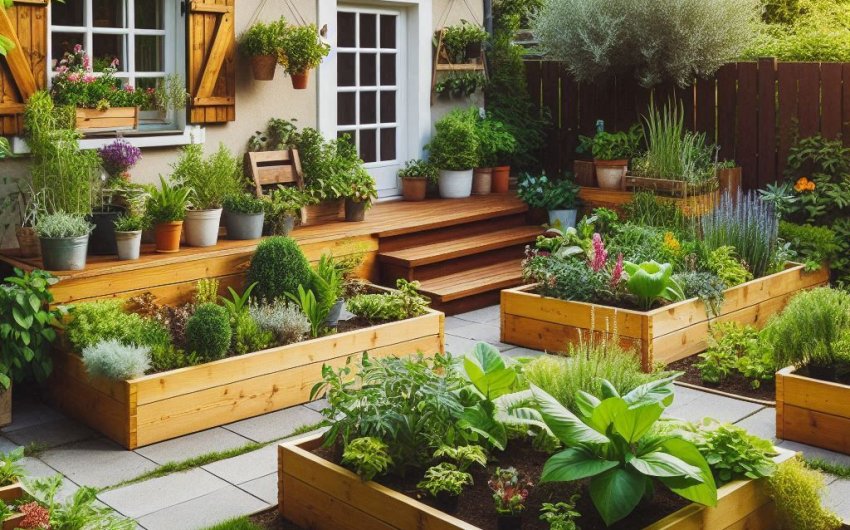
Having a compact outdoor space doesn't mean you can't cultivate a thriving garden brimming with fresh produce or vibrant flowers. In fact, small yards are often ideal for focused, efficient gardening, and raised bed garden plans for small yards offer the perfect solution. These elevated planting areas allow you to create incredibly productive growing zones, transforming limited square footage into a highly organized and bountiful oasis.
Why are raised beds ideal for small yards?
Raised garden beds offer distinct advantages over traditional in-ground gardens, making them particularly well-suited for compact spaces where every inch counts.
- Space Efficiency: Raised beds allow for intensive planting, meaning you can grow more plants in a smaller footprint. Their defined edges make it easy to plan and utilize every square inch.
- Better Soil Control: You get to choose and create the perfect soil mix for your plants, free from existing compacted soil, poor drainage, or weed seeds in your native ground. This leads to healthier roots and more vigorous growth.
- Improved Drainage: The elevated structure naturally provides excellent drainage, preventing waterlogging which can be a common problem in small, often poorly drained urban yards.
- Reduced Weeds: With imported, sterile soil mix, you'll start with far fewer weed seeds. The contained nature of the bed also makes it harder for weeds from surrounding areas to invade.
- Ergonomics: Raised beds elevate the growing area, reducing bending and kneeling. This makes gardening more accessible and enjoyable, especially for those with physical limitations.
- Pest Control (Minor): The raised sides can offer a slight barrier to some crawling pests like slugs and snails, especially if combined with pest deterring strategies.
- Aesthetics: Raised beds create a neat, organized, and attractive appearance, adding structure and visual appeal to a small yard.
- Earlier Planting: The soil in raised beds warms up faster in the spring, allowing you to plant earlier and extend your growing season.
What factors should I consider when planning raised beds for a small yard?
Careful planning is the cornerstone of a successful raised bed garden, especially when space is limited. Think through these key elements before you build.
1. Sunlight (The Most Important Factor!)
- Minimum Requirement: Most vegetables and fruiting plants need at least 6-8 hours of direct sunlight per day to thrive. Flowering plants often need 4-6 hours for good blooms.
- Observation: Spend a full day (or several days) observing your yard. Note where the sun falls at different times of the day (morning, midday, afternoon).
- Shade Obstacles: Identify any trees, fences, sheds, or buildings that cast shade. Remember that sun patterns change with the seasons.
- Prioritize Sunniest Spots: Even in a small yard, locate the sunniest areas and prioritize placing your raised beds there. If full sun isn't possible, choose plants that tolerate partial shade.
2. Raised Bed Dimensions
- Width: The most crucial dimension. Aim for a width of no more than 4 feet. This allows you to easily reach the center of the bed from either side without stepping on the soil, preventing compaction. If the bed is against a fence or wall, make it no wider than 2-2.5 feet so you can reach the back.
- Length: Flexible. Can be any length that fits your space, typically 4, 6, or 8 feet. For very small yards, multiple smaller beds (e.g., 2'x4') might be more versatile than one long one.
- Height:
- Minimum (6-8 inches): Sufficient for root crops like carrots and most leafy greens.
- Ideal (10-12 inches): Good for most common vegetables, provides enough soil depth, and improves drainage.
- Accessible (18-24 inches): Offers excellent ergonomics, reducing bending significantly. Great for those with mobility issues or deep-rooted plants. Be aware, taller beds require more soil to fill.
3. Materials for the Raised Bed Frame
- Wood (Naturally Rot-Resistant):
- Cedar: Excellent choice. Naturally resistant to rot and insects, looks beautiful, but more expensive. Cedar raised garden bed kits are available.
- Redwood: Similar properties to cedar, also excellent but pricey.
- Cypress: Good rot resistance, more affordable than cedar/redwood.
- Pine/Fir (Untreated): More affordable, but will decompose faster (5-10 years) unless treated with a food-safe preservative (e.g., tung oil, linseed oil). Avoid pressure-treated wood as older types contained arsenic (though modern pressure-treated wood uses different chemicals, many gardeners still avoid it for edible gardens).
- Metal:
- Galvanized Steel/Corrugated Metal: Durable, long-lasting, modern look. Can get hot in direct sun. Many galvanized raised garden beds come as kits.
- Stone/Brick/Concrete Blocks:
- Pros: Very durable, permanent, aesthetically pleasing.
- Cons: More expensive, labor-intensive to build, difficult to move. Can absorb and radiate heat.
- Recycled Materials:
- Pallets: Free and sustainable, but ensure they are heat-treated (HT stamp), not chemically treated (MB stamp). Can be bulky.
- Composite Decking: Long-lasting, doesn't rot, but can be expensive.
4. Soil Mix for Raised Beds
This is where your plants will thrive or struggle. Don't skimp here!
- Never Use Garden Soil Alone: Native soil compacts too easily in raised beds and may contain weed seeds, pests, or diseases.
- Ideal Blend: A good raised bed mix is a loose, well-draining, nutrient-rich blend. A common mix is:
- 50% Topsoil: Good base, provides mineral structure.
- 30% Organic Compost: Provides essential nutrients, improves drainage and water retention, introduces beneficial microbes. Buy organic compost in bulk if filling many beds.
- 20% Perlite or Vermiculite: Improves aeration and drainage.
- Pre-Made Raised Bed Mix: Many garden centers sell pre-blended raised bed soil mix that's ready to go.
- Calculating Volume: Measure your bed's length, width, and height (in feet) and multiply them to get the cubic feet needed. Convert to bags or yards from there (1 cubic yard ≈ 27 cubic feet).
5. Access and Pathways
- Pathways are Essential: Even in a small yard, leave enough space for comfortable pathways between beds. Aim for at least 18-24 inches (45-60 cm) wide for main paths, allowing easy access with a watering can or wheelbarrow.
- Material: Mulch (wood chips, straw), gravel, or pavers make for clean, weed-suppressing, and mud-free pathways.
What are effective raised bed garden plans for small yards?
Let's explore some practical layouts and strategies that maximize productivity in limited spaces.
Plan 1: The Single Productive Bed (2'x4' or 2'x8')
- Description: This is the simplest and most common setup for very small yards or patios. A single, well-placed rectangular bed.
- Why it works: Easy to manage, perfect for beginners, and surprisingly productive. Its narrow width means you can easily reach all plants.
- Layout:
- Place against a fence, wall, or in an open area that receives maximum sunlight.
- Planting Strategy:
- Intensive Planting (Square Foot Gardening): Instead of rows, divide the bed into smaller squares (e.g., 1'x1' squares) and plant a set number of plants per square based on their mature size. This dramatically increases yield.
- Vertical Gardening: Incorporate a small trellis or cage for vining plants like cucumbers, pole beans, or determinate tomatoes. Place these on the north side of the bed so they don't shade out other plants.
- Example 2'x4' Layout (Square Foot):
- Square 1: 1 determinate tomato (with cage)
- Square 2: 9 spinach plants
- Square 3: 4 bush beans
- Square 4: 4 radishes (quick harvest, then replace with lettuce)
- Square 5: 1 Head of Cabbage
- Square 6: 1 Bell Pepper (with stake)
- Square 7: 9 Swiss Chard plants
- Square 8: 4 bush beans
Plan 2: The L-Shaped Corner Garden
- Description: Utilizing a corner of your yard, two raised beds are arranged to form an "L" shape.
- Why it works: Effectively uses corner space that might otherwise be underutilized. Provides more growing area than a single bed while maintaining good access.
- Layout: Two rectangular beds (e.g., 2'x6' each) meeting at a right angle. Ensure you have clear access pathways to both sides of the L.
- Planting Strategy:
- Varying Heights: Use the corner for taller plants, or strategically place shorter plants where they won't be shaded by the other arm of the "L".
- Zone Allocation: Dedicate one arm to sun-loving fruiting plants (tomatoes, peppers), and the other to leafy greens that might appreciate a bit of afternoon shade from the corner structure or other plants.
Plan 3: The U-Shaped or C-Shaped Garden
- Description: Three or more beds arranged to create a U or C shape, providing a central access area.
- Why it works: Creates an immersive gardening experience in a small space, with all plants easily reachable from the central pathway.
- Layout: Typically a longer back bed (e.g., 3'x8') with two shorter side beds (e.g., 3'x4') extending outwards, forming the U-shape.
- Planting Strategy:
- Tallest at Back: Place your tallest plants (vining tomatoes, pole beans on trellises, corn if space allows) along the back of the "U" to avoid shading other plants.
- Succession Planting: Ideal for rotating crops and continuous harvest. As one crop finishes in a section, replant with something else.
- Herb/Flower Edges: Use the outer edges of the beds for herbs or beneficial flowers to attract pollinators and deter pests.
Plan 4: Tiered or Stepped Raised Beds
- Description: Multiple beds of varying heights, stacked or stepped, creating a multi-level garden.
- Why it works: Visually appealing, adds dimension, and allows for deeper root growth in taller sections. Good for drainage.
- Layout: Can be a simple two-tiered box, or a series of beds stepping up a slight incline.
- Planting Strategy:
- Deep-Rooted in Tallest Tier: Potatoes, root crops, or long-season plants in the deepest section.
- Shallow-Rooted in Shorter Tiers: Lettuces, spinach, herbs, radishes in shallower sections.
- Aesthetics: Use different materials for tiers to create visual interest.
Plan 5: Raised Beds with Integrated Features (for Maximum Utility)
- Description: Incorporating additional elements like seating, trellises, or cold frames directly into the raised bed design.
- Why it works: Maximizes every inch by combining functions.
- Layout:
- Integrated Trellis: Build a trellis directly into the back or center of the bed for vertical growth. Garden obelisks or a simple wooden grid.
- Seating Edges: Build wider edges (6-8 inches) on your raised beds to serve as a convenient place to sit while gardening.
- Cold Frame/Hoop House: Add a removable frame and plastic cover to extend your growing season into cooler months.
- Planting Strategy: Plan plant placement around these features. For example, vining plants near the trellis, herbs along the seating edge.
Essential Tips for Success with Small Yard Raised Beds
Beyond the basic plans, these strategies will ensure your raised beds are productive and easy to maintain.
1. Intensive Planting Techniques
- Square Foot Gardening: As mentioned, this method divides your bed into 1-foot squares and assigns a specific number of plants per square. This eliminates wasted space. Look for a square foot gardening book for detailed charts.
- Succession Planting: As soon as one crop finishes (e.g., radishes, lettuce), plant something else in its place. This keeps the bed continuously productive.
- Vertical Gardening: Grow upwards! Use trellises, cages, stakes, or netting for vining plants like:
- Tomatoes (Determinate/Bush Varieties): Easier to manage in small spaces.
- Cucumbers: Can be trained up a trellis.
- Pole Beans: Will climb a trellis or pole.
- Peas: Similarly, climb vertically.
- Squash (Smaller Vining Varieties): Some can be trained vertically if fruit is supported.
- Interplanting: Grow compatible plants close together. For example, plant quick-maturing radishes between slower-growing carrots. Or, plant basil around tomatoes.
2. Strategic Crop Selection
- Compact Varieties: Choose "bush" or "dwarf" varieties of vegetables (e.g., bush beans, dwarf tomatoes, compact cucumbers).
- High Yield/Space Ratio: Prioritize crops that produce a lot in a small space:
- Leafy Greens (Lettuce, Spinach, Swiss Chard, Kale)
- Herbs
- Radishes
- Carrots (short varieties)
- Bush Beans
- Peppers
- Eggplants
- Determinate Tomatoes
- Strawberries
- Avoid Sprawlers: Unless you have dedicated vertical support, avoid very sprawling plants like large pumpkins or melons, or expansive corn patches, unless you dedicate an entire bed to them.
3. Smart Watering Systems
- Drip Irrigation or Soaker Hoses: These are highly efficient, delivering water directly to the plant roots and minimizing evaporation. Perfect for raised beds where water retention is key. A small drip irrigation kit for raised beds can save time and water.
- Consistent Watering: Raised beds, especially taller ones, can dry out faster than in-ground gardens. Check soil moisture daily, especially during hot, sunny weather.
4. Mulching
- Benefits: A layer of organic mulch (straw, wood chips, shredded leaves, grass clippings) on top of the soil helps:
- Retain soil moisture
- Suppress weeds
- Regulate soil temperature
- Add organic matter as it breaks down
- Application: Apply a 2-4 inch layer of mulch around your plants, but keep it a few inches away from the plant stems.
5. Fertilization
- Initial Boost: While your initial raised bed soil mix will be rich, regular feeding is important as plants use up nutrients.
- Organic Fertilizers: Use organic granular fertilizers, liquid feeds, or regularly top-dress with a layer of compost to replenish nutrients.
- Compost Tea: A diluted "tea" made from steeped compost can provide a gentle nutrient boost.
Long-Term Maintenance for Raised Beds
Keeping your raised beds productive year after year requires a little ongoing attention.
1. Soil Replenishment
- Compost Annually: Over time, the soil in raised beds settles and nutrients are used up. Each spring (or fall), top-dress your beds with a 2-4 inch layer of fresh, organic compost.
- Avoid Compaction: Never walk on the soil in your raised beds to avoid compacting it.
2. Crop Rotation
- Why it's Important: Even in raised beds, rotating crops (planting different types of vegetables in different areas each season) helps prevent nutrient depletion and reduces the buildup of soil-borne pests and diseases.
- Example: If you grew tomatoes in one bed this year, plant beans or leafy greens there next year.
3. Pest and Disease Management
- Vigilance: Regularly inspect your plants for any signs of pests or diseases. Early detection is key.
- Natural Solutions: Utilize natural pest control methods like hand-picking pests, attracting beneficial insects, and using organic sprays (e.g., insecticidal soap, neem oil).
- Companion Planting: Strategically plant herbs and flowers that deter pests or attract beneficial insects near your vegetables.
Building and maintaining raised bed garden plans for small yards is a highly rewarding endeavor that allows you to transform even the most compact outdoor spaces into productive, beautiful, and accessible gardens. With careful planning and smart gardening techniques, you can enjoy a continuous harvest of fresh produce, proving that big gardening dreams can indeed flourish in small spaces.