Plant Problems Gardening Tips and Plant Care
Even the healthiest gardens sometimes face challenges—but identifying and solving plant problems quickly can save your greenery and keep your garden thriving. In our Plant Problems category at GardenBotany.com, we help you recognize common issues like pests, diseases, nutrient deficiencies, and environmental stress, offering clear, practical advice to get your plants back on track. From spotting early symptoms to implementing effective treatments, our guides simplify troubleshooting so you can maintain a lush, healthy garden, indoors and out.
Recent Posts of Plant Problems - Gardening Ideas
-

Why are my geraniums getting leggy?
When your geraniums are getting leggy, it means their stems are becoming long, stretched out, and often sparse, rather than growing into a compact, bushy plant. The primary reason for this lanky growth is almost always insufficient light. Geraniums are sun-loving plants, and when they don't receive enough sunlight, they "reach" and stretch their stems in an attempt to find more light, leading to that characteristic leggy appearance.
-
What causes red leaves on tomato plants?
Red leaves on tomato plants are a common sight that often signals a problem, though not always a serious one. The most frequent cause is a phosphorus deficiency, especially in young plants. When tomato plants can't get enough phosphorus, they produce a pigment called anthocyanin, which gives the leaves their purplish-red hue. This deficiency is often triggered by cold soil temperatures, which make phosphorus harder for the roots to absorb.
-
How to treat leaf scorch in hydrangeas?
Leaf scorch in hydrangeas is primarily caused by insufficient water supply to the leaves, often during hot, sunny, or windy conditions. It's essentially the plant showing signs of severe dehydration, where the leaves lose water faster than the roots can take it up. The immediate treatment involves providing consistent and adequate moisture, especially during heatwaves.
-
Advertisement
-
Why do orchids drop buds before blooming?
When your beautiful orchid develops buds only to drop them before they open, it's called bud blast, and it's a common and often frustrating problem for orchid owners. The primary reason orchids drop buds is a sudden change or instability in their environment. Orchids are quite sensitive, and once they start forming buds, they need consistent conditions to see them through to blooming.
-
How to save an overwatered cactus?
Saving an overwatered cactus starts with immediate action to stop the rot from spreading. The very first thing to do is to stop watering the plant and remove it from its wet soil. Cacti are built for dry conditions, so too much moisture is their biggest enemy, leading quickly to root rot. Gently remove all the old, soggy soil from around the roots.
-
What causes yellow leaves on lemon tree?
Yellow leaves on a lemon tree are a common worry for gardeners, and they can signal a few different issues. Often, the main culprits are related to how the tree is watered or fed. Too much or too little water can stress the roots, leading to leaves turning yellow and sometimes dropping off. Similarly, a lack of important nutrients in the soil, like iron or nitrogen, can cause the green color to fade.
-
How to handle downy mildew on cucumbers?
Downy mildew on cucumbers can be a real headache for gardeners, but with the right approach, you can manage it effectively. The key is a multi-pronged strategy that includes prevention, early detection, and appropriate treatment. Starting with resistant varieties is your first line of defense. Ensuring good airflow around your plants and avoiding overhead watering can significantly reduce the risk of this fungal-like disease.
-
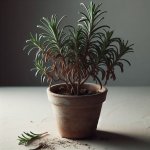
How to revive a wilted rosemary plant?
Reviving a wilted rosemary plant requires a bit of detective work to figure out why it's wilting in the first place, as wilting can be a sign of both too much and too little water, along with other issues. The most common reasons for a rosemary plant to wilt include improper watering (either severe underwatering or, more commonly, overwatering leading to root rot), poor soil drainage, insufficient sunlight, temperature stress, pests, or nutrient deficiencies. Once you identify the specific cause, you can take targeted steps to bring your aromatic herb back to health.
-
Why is my lavender not blooming?
It can be disappointing when your lavender plant isn't showing off its beautiful, fragrant blooms. The main reasons why your lavender might not be blooming usually come down to a few key factors: not enough sunlight, improper watering (either too much or too little), poor soil conditions (especially soil that's too rich or doesn't drain well), incorrect pruning, over-fertilization, or simply a plant that's too young. Lavender is a relatively low-maintenance plant once established, but it has specific needs that, if not met, can prevent it from flowering.
-
What causes brown spots on fiddle leaf fig?
Brown spots on your fiddle leaf fig (Ficus lyrata) can be a frustrating sight for any plant parent. These spots are usually a sign that something is not quite right with your plant's environment or care routine. The most common culprits include improper watering (both overwatering and underwatering), bacterial or fungal infections, root rot, pests, lack of humidity, nutrient deficiencies, and environmental stress like sudden temperature changes or drafts. Identifying the specific type of brown spot and its location on the leaf can often give you clues about the underlying cause, helping you to take the right steps to heal your plant.