
How to revive a wilted rosemary plant?
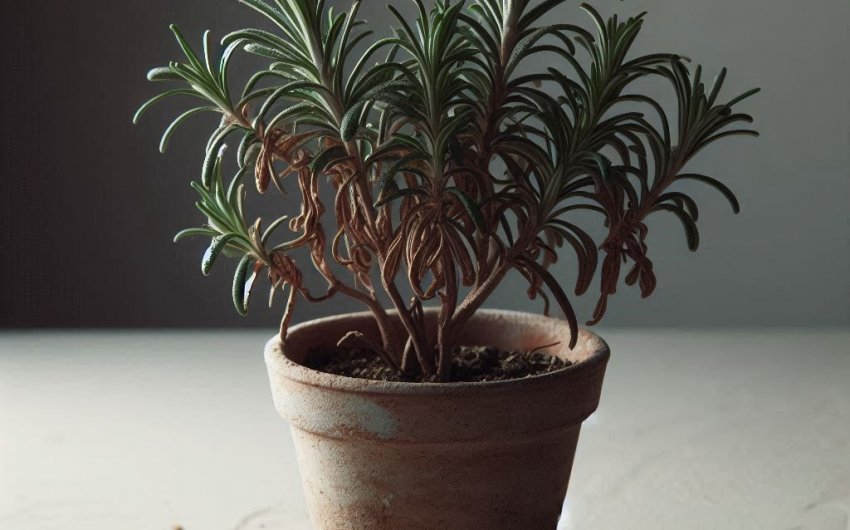
Reviving a wilted rosemary plant requires a bit of detective work to figure out why it's wilting in the first place, as wilting can be a sign of both too much and too little water, along with other issues. The most common reasons for a rosemary plant to wilt include improper watering (either severe underwatering or, more commonly, overwatering leading to root rot), poor soil drainage, insufficient sunlight, temperature stress, pests, or nutrient deficiencies. Once you identify the specific cause, you can take targeted steps to bring your aromatic herb back to health.
Rosemary ( Salvia rosmarinus, formerly Rosmarinus officinalis) is a relatively hardy, drought-tolerant herb once established, known for its resilience. However, when its specific needs aren't met, wilting is often the first visible symptom of distress. Addressing these underlying problems quickly is crucial, as prolonged wilting can lead to irreversible damage. Let's delve into each potential cause and its corresponding revival strategy to help you save your rosemary.
What are the immediate steps to revive a wilted rosemary?
When you notice your rosemary plant wilting, taking immediate action can often make the difference between recovery and decline. Your first steps should be diagnostic and provide immediate relief based on the most common causes.
- Check Soil Moisture (Crucial First Step!): This is the most important thing to do. Stick your finger 2-3 inches deep into the soil.
- If the soil is bone dry: Your rosemary is likely underwatered. Proceed to the next step for immediate watering.
- If the soil is soggy or wet: Your rosemary is likely overwatered and may have root rot. This requires a different, more urgent approach (see the section on root rot).
- Water if Dry (for underwatering): If the soil is dry, give the plant a thorough, deep watering. Water slowly until you see water draining from the bottom of the pot. For garden plants, water at the base until the soil is saturated to a good depth. Do not let the plant sit in standing water.
- Move to a Suitable Location:
- If currently in shade or low light: Move the rosemary to a spot where it receives at least 6-8 hours of direct sunlight daily. Rosemary needs full sun.
- If exposed to extreme temperatures: If it's too hot and sunny (scorching), move it to a slightly shadier spot during the hottest part of the day. If it's cold, bring potted plants indoors or provide protection for garden plants.
- Check for Drainage: Ensure your pot has adequate drainage holes and that they aren't blocked. If it's in the ground, assess the soil's drainage. If poor, this needs long-term amendment.
- Prune Damaged Parts: Snip off any completely dried, brittle, or mushy brown/black parts of the plant. This removes dead tissue and allows the plant to focus energy on recovery. Use clean, sharp pruning shears like Fiskars Pruning Shears.
After these immediate steps, monitor your rosemary closely. Wilting from underwatering often resolves within a few hours to a day after proper watering. Wilting from overwatering and root rot will require more drastic intervention, as described in later sections.
Can underwatering cause rosemary to wilt?
Yes, underwatering is a very common cause of a wilted rosemary plant, especially for potted plants or newly planted ones. While rosemary is famous for being drought-tolerant once established in the ground, it still needs consistent moisture, particularly when it's young or growing in a container where the soil dries out faster.
When a rosemary plant doesn't receive enough water, its cells lose turgor pressure (the internal water pressure that keeps plant tissues firm). This loss of pressure causes the stems and leaves to droop and appear limp, giving the characteristic wilted look. The needles might also turn dull, greyish, or eventually brown and crispy if the dryness persists.
To revive an underwatered rosemary:
- Water thoroughly: Give the plant a deep, slow watering until water freely drains from the bottom of the pot or the soil is saturated to a good depth in the garden. For very dry potted plants, you can try bottom watering by placing the pot in a saucer of water for 30-60 minutes to allow the soil to rehydrate from the bottom up.
- Monitor soil moisture: After watering, allow the top 1-2 inches of soil to dry out before watering again. Use your finger or a soil moisture meter like the XLUX T10 Soil Moisture Meter to check.
- Be consistent but not excessive: Establish a regular watering schedule that adapts to the weather and the plant's needs. Rosemary prefers cycles of drying out completely then receiving a good drink.
Often, rosemary that has wilted from underwatering will perk up dramatically within a few hours of receiving water.
How does overwatering lead to a wilted rosemary plant?
Paradoxically, overwatering is even more common than underwatering as a cause of a wilted rosemary plant, and it's often more serious. When a rosemary plant is overwatered, its roots sit in soggy, oxygen-deprived soil.
This leads to a condition called root rot. Root rot is a fungal disease (often caused by Phytophthora species) that thrives in wet conditions. The roots, being constantly wet and lacking oxygen, begin to decay and literally rot away. When the roots are damaged, they cannot properly absorb water and nutrients from the soil, even though water is abundant. This results in the plant showing symptoms of dehydration, such as wilting, yellowing, and eventually browning or blackening of the foliage, even while the soil is wet. The wilting often looks different from underwatering; leaves might feel somewhat soft or mushy, and the overall plant can appear sickly. You might also notice a foul, musty odor coming from the soil.
To revive an overwatered rosemary (especially if root rot is suspected):
- Stop watering immediately.
- Inspect roots: Carefully remove the plant from its pot (or gently dig around it in the garden). Healthy rosemary roots are firm and white or light tan. Rotted roots will be dark brown or black, mushy, and easily break apart.
- Prune rotten roots: Using sterilized scissors or pruning shears, cut away all affected, mushy, or discolored roots. Trim back any heavily damaged foliage as well to reduce stress on the remaining roots.
- Repot/Replant: If in a pot, repot into a clean pot with fresh, well-draining potting mix suitable for herbs or succulents. If in the ground, ensure the soil drains exceptionally well before replanting.
- Amend soil: If soil drains poorly, amend it with perlite, coarse sand, or small gravel to improve drainage (see section on soil drainage).
- Adjust watering habits: Allow the soil to dry out completely between waterings. Use a soil moisture meter if unsure.
- Ensure good drainage holes: Never plant rosemary in a pot without drainage holes.
Reviving an overwatered rosemary is much harder than an underwatered one, as root rot can progress quickly. Prevention through proper watering and soil is key.
What type of soil causes rosemary to wilt?
The type of soil your rosemary plant is in significantly impacts its health and can directly cause it to wilt, primarily due to issues with drainage. Rosemary is native to the Mediterranean region and thrives in conditions that mimic its dry, rocky, and somewhat sandy natural habitat.
The worst type of soil for rosemary is heavy clay soil or any soil that retains too much moisture and doesn't drain well. Here's why this leads to wilting:
- Poor Drainage: Heavy soils get waterlogged easily. As discussed, standing water around the roots quickly leads to root rot, which suffocates the roots and causes the plant to wilt because it can't absorb water.
- Lack of Oxygen: Dense, compacted soils reduce air pockets, depriving the roots of the oxygen they need to survive and function. Without oxygen, roots begin to die, leading to wilting.
- Nutrient Lock-up: In extremely waterlogged conditions, certain nutrients become unavailable to the plant, further stressing it.
To create the ideal soil for rosemary and prevent wilting:
- Ensure excellent drainage: This is paramount. If planting in the ground, amend heavy clay soils extensively with coarse builder's sand, perlite, small gravel, or pumice to improve aeration and drainage. Do not use fine play sand, which can worsen compaction.
- Light, well-draining potting mix: For potted rosemary, use a potting mix formulated for cacti, succulents, or herbs. You can also amend a regular potting mix with 30-50% perlite or pumice for extra drainage.
- Avoid overly rich soil: Rosemary prefers lean, somewhat infertile soil. Avoid adding too much compost or rich organic matter, as this can hold too much moisture and provide excessive nutrients (see section on fertilization).
- Proper pH: Rosemary prefers slightly acidic to neutral soil (pH 6.0-7.0). If your soil pH is far off, it can affect nutrient availability, stressing the plant. You can test your soil's pH with a Soil pH Meter.
If your rosemary is wilting and you suspect soil issues, carefully remove it, amend the soil significantly, and replant. For potted plants, repotting into a proper mix is crucial.
How does sunlight affect a wilting rosemary plant?
Sunlight is a fundamental need for rosemary, and insufficient sunlight can definitely contribute to a wilted rosemary plant, or at least a very sickly one that is more prone to other issues. While wilting is most commonly associated with watering problems, a lack of adequate light weakens the plant significantly.
Rosemary is a full sun plant, meaning it needs a minimum of 6-8 hours of direct sunlight per day to thrive. In its native habitat, it basks in intense sun.
- Weakened Plant: If rosemary doesn't get enough sunlight, it cannot perform photosynthesis efficiently. This means it can't produce enough energy to grow strongly, resist disease, or recover from stress. A weakened plant is much more susceptible to wilting from even minor watering inconsistencies.
- Leggy Growth: In low light, rosemary will become leggy and stretched as it tries to reach for light, making it look sparse and unhealthy, and more prone to drooping.
- Increased Risk of Overwatering: In shady conditions, the soil stays wet for much longer, dramatically increasing the risk of overwatering and subsequent root rot, which then leads to wilting. The plant is less able to use the water present.
To ensure your rosemary gets enough light:
- Relocate to Full Sun: Move your potted rosemary to the sunniest spot available, ideally a south-facing window indoors, or an unshaded spot outdoors. For garden plants, choose a location that receives full, direct sun throughout most of the day.
- Artificial Light (Indoors): If growing indoors and natural light is insufficient, supplement with a grow light like a GE Grow Light LED to provide the necessary spectrum and intensity.
While lack of sun might not cause instant wilting like extreme underwatering, it contributes to a long-term decline that makes the plant more vulnerable to wilting and other health issues.
Can temperature extremes cause rosemary to wilt?
Yes, temperature extremes can absolutely cause a rosemary plant to wilt, as they impose significant stress on the plant's system. Rosemary is quite hardy, but it has its limits for both hot and cold.
- Extreme Heat and Sun Scald: During very hot spells, especially combined with intense, direct sun, rosemary can wilt as it loses water faster than its roots can absorb it (transpiration). This is similar to severe underwatering, even if the soil is moist. The plant tries to conserve moisture by drooping its leaves. Prolonged exposure can also lead to sun scald, where leaves turn a bleached yellow or brown.
- Cold Stress and Frost Damage: While many rosemary varieties are cold-hardy down to certain temperatures, sudden, severe cold snaps or prolonged freezing temperatures below its hardiness zone can cause significant damage. Leaves can wilt, turn brown or black, and eventually die. If the roots freeze solid for too long, the plant cannot absorb water, leading to wilting that looks like dehydration, even with frozen ground water. This is often referred to as "winter kill" or "freeze-thaw" damage.
To protect your rosemary from temperature extremes and prevent wilting:
- Provide Afternoon Shade (Extreme Heat): In regions with scorching summers, a location that offers some afternoon shade might be beneficial, or you can temporarily move potted plants to a cooler spot.
- Winter Protection (Cold):
- Choose cold-hardy varieties: Select rosemary varieties known for their cold tolerance (e.g., 'Arp' or 'Madeline Hill').
- Mulch: Apply a generous layer of mulch (like straw or pine needles) around the base of garden plants to insulate the roots. Do not pile it against the stem, as this can encourage rot.
- Potted plants indoors: Bring potted rosemary indoors to an unheated garage, shed, or cool room for winter protection.
- Anti-desiccants: Some gardeners use anti-desiccant sprays like Bonide Wilt Stop to reduce moisture loss from leaves in windy, cold conditions.
Sudden wilting due to temperature stress might resolve once conditions stabilize, but severe damage can be irreversible.
Can pests cause a rosemary plant to wilt?
Yes, certain pests can cause a rosemary plant to wilt, though it's typically a slower, more gradual process compared to wilting from sudden watering issues or temperature shock. Pests damage the plant by feeding on its sap or tissues, weakening it and disrupting its ability to transport water and nutrients.
The most common pests that can lead to wilting or a sickly appearance in rosemary include:
- Aphids: These small, soft-bodied insects cluster on new growth and leaf undersides, sucking plant sap. Heavy infestations can cause leaves to curl, distort, and stems to wilt or become stunted due to nutrient and water loss.
- Spider Mites: Tiny arachnids that feed by piercing plant cells and sucking sap. Their damage appears as tiny yellow or brown stippling on the leaves, and heavy infestations can lead to a dull, faded look, widespread yellowing, and eventually wilting as the plant becomes severely dehydrated. Fine webbing may also be visible.
- Scale Insects: These appear as small, immobile bumps (often brown or grey) on stems and leaf undersides. They suck sap, leading to yellowing leaves, stunted growth, and general decline, which can include wilting. They also excrete sticky honeydew.
- Whiteflies: Tiny, moth-like insects that feed on sap, causing yellowing, wilting, and overall plant weakness.
To revive a wilted rosemary affected by pests:
- Inspect thoroughly: Carefully examine the undersides of leaves, stems, and new growth for any signs of pests.
- Hose off (for light infestations): A strong spray of water can dislodge many soft-bodied pests.
- Insecticidal Soap/Neem Oil: For more significant infestations, use an insecticidal soap like Bonide Insecticidal Soap or a neem oil spray like Garden Safe Neem Oil Extract. Always follow product instructions and reapply as needed. Rosemary can be sensitive to oil-based sprays in very hot, direct sun, so apply in the evening.
- Prune affected areas: Remove heavily infested or damaged branches to reduce pest populations and encourage new, healthy growth.
A pest-free rosemary plant will have more energy to dedicate to staying firm and healthy rather than combating invaders.
Does lack of nutrients cause rosemary to wilt?
While less common than watering issues or root rot, a severe lack of nutrients can cause a rosemary plant to become weak, show discoloration, and eventually wilt. Rosemary prefers lean soils and is not a heavy feeder, but chronic deficiencies can impact its health.
- Overall Weakness: If the soil is completely devoid of essential nutrients, the plant won't have the building blocks it needs for healthy cell structure, root function, or energy production. This can lead to a generalized decline, including stunted growth, pale foliage, and a lack of vigor, making it more susceptible to wilting from other stressors.
- Specific Deficiencies: While rare for rosemary to wilt solely from a nutrient deficiency, prolonged lack of a key macronutrient (Nitrogen, Phosphorus, Potassium) or micronutrient can manifest as specific symptoms. For example, nitrogen deficiency causes yellowing of older leaves, while potassium deficiency can lead to brown leaf edges, both of which might be mistaken for wilting if severe.
To address potential nutrient deficiencies without over-fertilizing:
- Avoid Over-Fertilization: Do not over-fertilize rosemary. It actively prefers poor to moderately fertile soil. Excessive fertilizer, especially nitrogen, can cause lush but weak growth and even fertilizer burn, which will cause wilting.
- Light, Balanced Feed: If your soil is truly very poor and you haven't fertilized in years, a very light application of a balanced, slow-release granular fertilizer or a very diluted liquid fertilizer like Dr. Earth Organic 5 Tomato, Vegetable & Herb Fertilizer can be given in early spring.
- Repotting: For potted rosemary, repotting every 1-2 years with fresh, well-draining potting mix usually provides sufficient nutrients for a non-heavy feeder like rosemary.
Typically, if rosemary is wilting, nutrient deficiency is lower on the list of probable causes than watering, drainage, or sunlight issues. Focus on getting the basics right first.
Can transplant shock cause rosemary to wilt?
Yes, transplant shock is a very common reason why a rosemary plant might wilt after being moved from one location or pot to another. Even hardy plants like rosemary can experience shock when their environment is suddenly changed or their root system is disturbed.
When a plant is transplanted, its delicate roots are often damaged or exposed to air. These roots are crucial for absorbing water and nutrients. During transplant shock, the damaged roots cannot adequately supply the foliage with enough water to compensate for transpiration (water lost through leaves). This leads to the plant showing signs of dehydration, primarily wilting. The leaves might also look dull or temporarily discolored.
To minimize transplant shock and help a wilted rosemary recover:
- Choose the right time: Transplant during cooler parts of the day (early morning or evening) or on an overcast day. Spring or early fall are generally the best seasons for transplanting.
- Prepare the new site: Dig the new hole and have the soil amendments ready before you remove the plant from its old location.
- Minimize root disturbance: Try to keep as much of the original root ball intact as possible. Gently loosen any circling roots, but avoid tearing them unnecessarily.
- Water before and after: Water the rosemary thoroughly in its original pot a few hours before transplanting. Immediately after planting in its new location, water it deeply again.
- Provide temporary shade: For the first few days after transplanting, provide some temporary shade if it's very sunny, using a piece of cardboard or shade cloth like Garden Netting Shade Cloth. This reduces water loss from leaves while the roots recover.
- Avoid fertilizing: Do not fertilize a newly transplanted or shocked plant, as this can add more stress.
- Be patient: It can take a few days to a few weeks for a plant to recover from transplant shock. Continue to monitor soil moisture and provide appropriate care.
With careful handling and good follow-up care, most rosemary plants will recover from transplant shock.
What is the role of humidity when a rosemary plant is wilting?
The role of humidity is generally less critical for a rosemary plant than factors like watering, soil, and sunlight, but it can play a minor supporting role, particularly in extreme conditions or for indoor plants. Rosemary prefers dry air and low humidity, consistent with its Mediterranean origins.
- High Humidity: When rosemary is exposed to consistently high humidity, especially combined with poor air circulation, it can become more susceptible to fungal diseases (like powdery mildew or botrytis blight). While these diseases don't always directly cause wilting, they weaken the plant and can lead to stem or leaf dieback, contributing to a sickly appearance that might be mistaken for wilting, or making the plant more vulnerable to other stressors that cause wilting. High humidity can also make overwatering more problematic, as the soil stays wet longer.
- Low Humidity: Extremely low humidity, especially in combination with dry soil, intense heat, or wind, can exacerbate wilting by increasing transpiration (water loss from leaves). While rosemary is designed for dry air, prolonged and extreme dryness without sufficient water uptake can overwhelm it.
For outdoor rosemary, managing humidity is generally not a concern unless you live in a very humid, tropical climate. In such cases, ensuring excellent soil drainage and good air circulation (proper spacing between plants) is even more critical. For indoor rosemary, typical household humidity levels are often within an acceptable range, but avoid placing it directly next to humidifiers used for other plants or in consistently steamy bathrooms, as this can encourage fungal issues. The most important humidity-related factor for rosemary is ensuring the environment is not too damp, which supports fungal growth leading to wilting or decline.
How to use pruning to revive a wilted rosemary?
Pruning can be an effective part of reviving a wilted rosemary plant, especially when combined with addressing the underlying cause. The goal of pruning in this scenario is to reduce stress on the struggling plant and direct its energy towards recovery.
Here's how to use pruning:
- Assess Damage First: Before pruning, assess the extent of the wilting and identify what parts are truly dead or dying. Completely brown, crispy, or mushy black branches are unlikely to recover.
- Remove Dead or Severely Damaged Parts: Using clean, sharp pruning shears, cut off any branches or sections that are clearly dead. This means they are completely brown, brittle, and snap easily, or are black and mushy. Cutting these off removes diseased or non-functional tissue and allows the plant to focus its energy on the healthy parts.
- Light Trim for Stress Reduction: If the wilting is widespread but some parts still seem salvageable (e.g., still some green, but limp), a very light trim of about 10-20% of the overall foliage can sometimes help. This reduces the amount of foliage the struggling roots need to support, lessening the plant's water demands. However, be cautious: do not prune aggressively on an already stressed plant, as this can add more shock. Avoid cutting into old, woody stems that have no green leaves unless they are completely dead. Rosemary typically doesn't regrow well from old wood.
- Improve Airflow (for overwatering/humidity issues): If wilting is due to overwatering or high humidity leading to disease, thinning out some inner branches (especially crossing or congested ones) can improve air circulation around the plant. This helps the foliage dry faster and reduces the risk of fungal issues.
- Sterilize Tools: Always sterilize your pruning shears with rubbing alcohol or a bleach solution before and after use, especially if you suspect disease, to prevent spreading pathogens.
Remember, pruning is a supportive measure. It helps the plant recover after you've fixed the primary issue (like watering, drainage, or sunlight). It won't revive a plant that is entirely dead or has irreversibly damaged roots.
Can fertilizer issues cause a rosemary plant to wilt?
Yes, fertilizer issues, specifically over-fertilization, can definitely cause a rosemary plant to wilt. While a severe lack of nutrients can lead to a weak plant, rosemary is notorious for preferring lean soils, and too much fertilizer is far more damaging than too little.
Here's how over-fertilization leads to wilting:
- Salt Burn: Most fertilizers are salt-based. When you apply too much fertilizer, these salts build up in the soil. High salt concentrations in the soil draw moisture out of the plant's roots instead of allowing the roots to absorb water. This process, called osmosis, effectively dehydrates the plant at a cellular level, causing the leaves to burn (turn brown and crispy at the edges) and the entire plant to wilt, even if the soil is moist. This is often called "fertilizer burn."
- Root Damage: High concentrations of salts can also directly damage and burn the delicate root hairs, impairing the roots' ability to absorb water and nutrients. Damaged roots lead to a wilted plant.
- Nutrient Imbalance: Too much of one nutrient (e.g., nitrogen) can inhibit the uptake of other essential nutrients, leading to an imbalance that stresses the plant.
To revive a wilted rosemary due to over-fertilization:
- Flush the soil: This is the most important step. For potted rosemary, water the plant thoroughly with plain water several times, allowing water to drain completely each time. This helps to leach out excess salts from the soil. You can do this by placing the pot in a tub and running water through it for a good 15-20 minutes. For garden plants, deeply water the affected area to wash salts deeper into the soil profile.
- Stop fertilizing immediately: Do not apply any more fertilizer for at least several months, or even for the rest of the growing season.
- Repot (if severe): If the fertilizer burn is very severe for a potted plant, consider repotting into fresh, unfertilized, well-draining potting mix after trimming any visibly damaged roots.
- Prune dead foliage: Remove any brown, crispy leaves or branches that are clearly dead from the fertilizer burn.
Always remember that rosemary is a light feeder. When in doubt, fertilize less or not at all.
Why is my indoor rosemary plant wilting?
An indoor rosemary plant often wilts for reasons similar to outdoor plants, but with a few unique challenges due to the indoor environment. The most common culprits for wilting indoor rosemary are improper watering, insufficient light, and low humidity.
- Improper Watering (Too Much or Too Little): This is still the number one cause.
- Overwatering: Indoors, pots often have less air circulation, and people tend to overwater. The soil stays wet too long, leading to root rot and wilting. Ensure your pot has drainage holes and the soil dries out between waterings. Use a soil moisture meter like the Gouevn Soil Moisture Meter to check deep into the pot.
- Underwatering: Indoor air can be very dry (especially with heating/AC), causing pots to dry out faster than you might expect. Check the soil regularly.
- Insufficient Light: Indoors, it's difficult to replicate the full sun rosemary craves. A dim corner or even a north-facing window might not provide enough light. This weakens the plant, makes it leggy, and increases its susceptibility to other stresses, including wilting from watering issues (because the soil stays wet longer in low light).
- Low Humidity: While rosemary prefers dry air, extremely low humidity from indoor heating systems can increase transpiration, potentially causing wilting or crispy needle tips, especially if the plant is also slightly underwatered.
- Lack of Air Circulation: Stagnant indoor air can contribute to fungal issues if the plant is overwatered.
- Pot Size and Drainage: A pot that's too small can lead to quick drying out (underwatering), while a pot that's too large can hold too much moisture, leading to overwatering. Ensure the pot has excellent drainage holes and you're using a well-draining potting mix.
- Temperature Swings: Indoor plants can be affected by drafts from windows, heating/AC vents, or sudden temperature drops at night if too close to a cold window.
To revive your indoor rosemary:
- Move to the brightest spot: Place it in a south-facing window if possible, or supplement with a grow light.
- Correct watering: Let the top 1-2 inches of soil dry out. When you water, water until it drains from the bottom.
- Ensure drainage: Repot if the pot lacks drainage or the soil is heavy.
- Provide airflow: Ensure it's not in a stagnant corner.
How to check for root rot in a wilting rosemary?
Checking for root rot in a wilted rosemary plant is crucial because it's a very common and serious cause of wilting, often requiring immediate and decisive action. Root rot occurs when roots are deprived of oxygen and attacked by fungi in soggy soil.
Here's how to check for root rot:
- Observe Foliage Symptoms:
- Wilting even when the soil is wet or moist. This is the classic, paradoxical sign.
- Yellowing or browning leaves that might feel soft or mushy, starting from the lower parts of the plant and progressing upwards.
- Stunted growth or overall decline in vigor.
- Unpleasant Odor: Sometimes, you might notice a musty, rotten, or sulfurous smell emanating from the soil, especially near the base of the plant.
- Gently Remove from Pot (for potted plants): Carefully tip the pot on its side and slide the rosemary plant out. Try to keep the root ball as intact as possible.
- Inspect the Roots:
- Healthy roots: Should be firm, pliable, and typically white or light tan in color. They might have a fresh, earthy smell.
- Rotted roots: Will be dark brown or black, mushy, slimy, and often emit a foul, sulfuric, or sewage-like odor. They will easily break off when gently tugged.
- Inspect Soil (in garden beds): For garden plants, gently dig around the base of the plant to expose some roots. Look for the same signs of discoloration and mushiness. Also, observe the soil itself: does it look waterlogged, heavy, and compacted?
If you confirm root rot:
- Prune affected roots: Use clean, sterilized pruning shears to cut away all the dark, mushy, and smelly roots. Cut back to healthy, firm, white tissue.
- Trim foliage: Remove about 25-30% of the top foliage to reduce the stress on the remaining healthy roots.
- Repot/Replant in Fresh, Well-Draining Soil:
- For potted plants, use a clean pot (sterilize old ones) and fresh, well-draining potting mix amended with extra perlite or pumice.
- For garden plants, if the issue is severe soil drainage, consider relocating to a raised bed or extensively amending the soil in the current spot with grit before replanting.
- Adjust watering habits: This is paramount to prevent recurrence. Always let the top 1-2 inches of soil dry out completely before watering again.
Catching root rot early is key to saving your rosemary. If a significant portion of the root system is already gone, revival can be challenging.
How to use proper watering techniques to revive a wilted rosemary?
Using proper watering techniques is the single most important factor in reviving a wilted rosemary plant, especially since wilting is often a direct symptom of either overwatering or underwatering. The goal is to provide consistent moisture without waterlogging the roots.
Here's a step-by-step approach to proper watering for revival and future health:
Assess Soil Moisture (Before Every Watering!): This is non-negotiable. Don't water on a schedule; water based on the plant's needs.
- The Finger Test: Stick your finger 2-3 inches deep into the soil. If it feels dry, it's time to water. If it feels moist, wait.
- Soil Moisture Meter: For greater accuracy, especially for larger pots or garden beds, use a soil moisture meter like the Tengyes 3-in-1 Soil Tester.
- Lift the Pot (for potted plants): A dry pot will feel significantly lighter than a wet one. Learn this feel.
Water Thoroughly When Dry:
- Slow and Deep: When the soil indicates it's time to water, apply water slowly and deeply. For potted plants, water until you see water freely draining from the bottom holes. For garden plants, water at the base of the plant until the soil is saturated to a depth of at least 6-8 inches.
- Avoid Overhead Watering: Watering the foliage can encourage fungal diseases, especially in humid conditions. Water the soil directly.
Allow to Dry Out Between Waterings: This is crucial for rosemary. It absolutely hates sitting in constantly wet soil. Letting the top layer of soil dry out allows oxygen to return to the root zone, preventing root rot.
Adjust for Conditions:
- Season: Rosemary needs more water during its active growing season (spring and summer) and less in fall and winter when growth slows down or it enters dormancy.
- Temperature/Evaporation: In hot, windy, or very sunny conditions, water will evaporate faster, and the plant will need more frequent watering. In cooler, cloudy weather, it will need less.
- Pot Size/Material: Smaller pots dry out faster. Terracotta pots allow for more evaporation than plastic pots, so they dry faster.
- Plant Size: Larger plants with more foliage will use more water.
Ensure Excellent Drainage: This ties directly into watering. If your soil or pot doesn't drain well, no amount of careful watering will prevent overwatering issues. Always use pots with drainage holes and well-draining soil.
By following these principles, you create a watering rhythm that suits rosemary's preferences, allowing it to recover from wilting and thrive long-term.