
How to handle downy mildew on cucumbers?
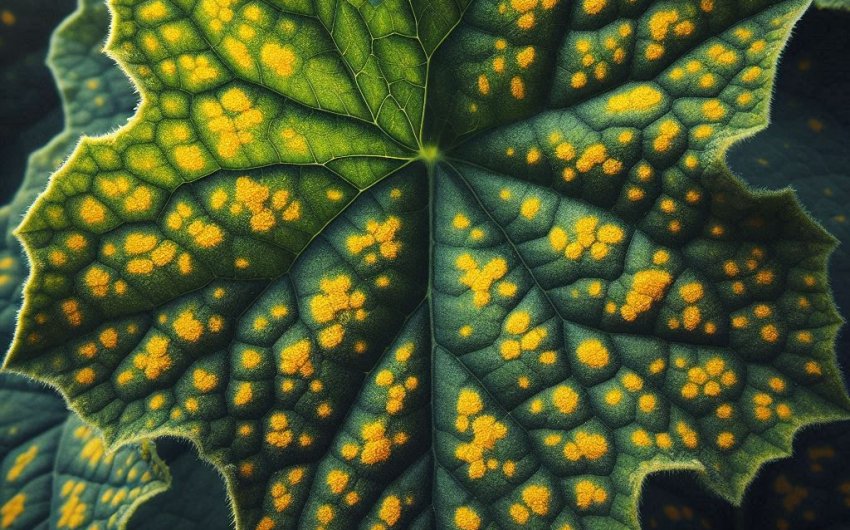
Downy mildew on cucumbers can be a real headache for gardeners, but with the right approach, you can manage it effectively. The key is a multi-pronged strategy that includes prevention, early detection, and appropriate treatment. Starting with resistant varieties is your first line of defense. Ensuring good airflow around your plants and avoiding overhead watering can significantly reduce the risk of this fungal-like disease.
If downy mildew does appear, acting quickly is crucial. Removing affected leaves immediately can slow its spread. Fungicides, both organic and synthetic, can be effective, but their timing and application are critical for success. Remember, consistency in your efforts will give your cucumbers the best chance to thrive, even when faced with this common plant ailment.
What causes downy mildew on cucumbers?
Downy mildew on cucumbers is caused by a water mold called Pseudoperonospora cubensis. It's not a true fungus, but it behaves very much like one. This pathogen thrives in cool, moist conditions, making it a common problem in many cucumber-growing regions. The spores of Pseudoperonospora cubensis are easily carried by wind and water, meaning they can travel long distances and infect new plants quickly. They need moisture on the leaf surface to germinate and infect the plant. This is why periods of high humidity, dew, or rain are perfect for its development. The disease spreads rapidly when temperatures are between 50°F and 75°F (10°C and 24°C) and leaves stay wet for extended periods.
How do you identify downy mildew on cucumber leaves?
Identifying downy mildew on cucumber leaves involves looking for specific symptoms. The first signs usually appear on older leaves, though it can affect younger ones too. You'll typically see small, yellowish-green spots on the upper surface of the leaves. These spots are often angular, meaning they are confined by the leaf veins, giving them a mosaic-like appearance. As the disease progresses, these spots turn yellow, then brown, and eventually the affected areas may merge, leading to large dead patches.
A key diagnostic feature is what appears on the underside of the infected leaves. In the morning, especially after a night of high humidity or dew, you might see a fuzzy, purplish to grayish growth on the underside of these spots. This fuzzy growth is made up of the sporangiophores and sporangia of the pathogen, which are essentially the structures that produce and release spores. If you suspect downy mildew, flipping over a leaf and looking for this fuzzy growth is often the most reliable way to confirm its presence.
What are the early signs of downy mildew on cucumber plants?
The early signs of downy mildew on cucumber plants are subtle but important to catch quickly. Initially, look for small, pale green to yellowish spots on the upper surface of the oldest leaves. These spots are usually no bigger than a pencil eraser and might be scattered across the leaf blade. They often have an angular shape, bordered by the leaf veins. At this very early stage, the fuzzy growth on the underside of the leaf might not be visible yet, or it might be very faint. It’s crucial to inspect your plants regularly, perhaps every few days, especially during periods of high humidity or when dew is common in the mornings. Catching these small, initial spots can make a big difference in controlling the disease before it spreads widely throughout your cucumber patch.
Can downy mildew be cured once established?
Once downy mildew is established on cucumber plants, it cannot be truly "cured" in the sense that the infected tissue will recover. However, it can be managed and controlled to prevent further spread and protect new growth. Think of it more as disease suppression rather than a cure. The goal is to stop the pathogen from producing more spores and infecting more leaves. This involves a combination of removing infected plant parts and applying fungicides. Early intervention is key. If the disease has progressed significantly and most of the plant is affected, it becomes much harder to save the plant and maintain a good harvest. In severe cases, removing and destroying the entire plant might be the best option to prevent further spread to other healthy plants in your garden.
What is the best fungicide for downy mildew on cucumbers?
Choosing the best fungicide for downy mildew on cucumbers depends on whether you prefer organic or synthetic options, and the severity of the outbreak. For organic gardening, copper-based fungicides like Bonide Copper Fungicide or a potassium bicarbonate product such as Monterey Fungus Control are often recommended. These work by disrupting the pathogen's cell structure. They are most effective as a preventative measure or when applied at the very first signs of disease.
For more severe outbreaks or conventional growing, synthetic fungicides offer stronger control. Products containing active ingredients like mancozeb (e.g., Mancozeb 80WP), chlorothalonil (e.g., Daconil Fungicide), or propamocarb are highly effective against downy mildew. Always rotate fungicides with different modes of action to prevent the pathogen from developing resistance. For example, you might use a chlorothalonil product for one application, and then switch to a propamocarb product for the next. Always read the label carefully for application rates, safety precautions, and the pre-harvest interval (PHI), which is the time you must wait between the last application and harvesting your cucumbers.
How do you apply fungicides for downy mildew on cucumbers?
Applying fungicides for downy mildew on cucumbers requires careful attention to detail for maximum effectiveness. First, always read the product label thoroughly; it contains specific instructions on mixing ratios, application rates, and safety precautions. Most fungicides are applied as a foliar spray, meaning you spray them directly onto the leaves. Use a dedicated garden sprayer like a Chapin 2054 Sprayer to ensure an even and fine mist.
It's crucial to cover all leaf surfaces, especially the undersides, where the fuzzy growth of downy mildew often appears. Many downy mildew pathogens release spores from the underside of leaves, so coating these surfaces is vital for prevention and control. Apply fungicides when rain is not expected for at least 24 hours to prevent the product from being washed off. The best time to spray is usually in the early morning or late evening when temperatures are cooler and there's no strong wind. Reapply according to the product's instructions, typically every 7 to 14 days, especially during periods of high disease pressure. Consistency is key for effective control.
Are there organic treatments for downy mildew on cucumbers?
Yes, there are several organic treatments for downy mildew on cucumbers that can be effective, especially when used preventatively or at the first signs of disease. Copper-based fungicides are a popular organic choice. Products like Bonide Copper Fungicide create a protective barrier on the plant surface that can kill fungal spores. Another effective option is potassium bicarbonate, found in products like Monterey Fungus Control. This works by raising the pH on the leaf surface, making it less hospitable for the pathogen.
Neem oil can also offer some preventative protection against downy mildew due to its fungicidal properties, though it's generally more effective against insect pests. Some gardeners also use beneficial microbes products, which contain microorganisms that compete with or suppress disease pathogens. Regardless of the product, organic treatments often require more frequent application than synthetic ones and are most effective when applied before or at the very first signs of the disease. Regular monitoring and proactive treatment are essential for successful organic management of downy mildew.
Can neem oil help with downy mildew on cucumbers?
Neem oil can offer some help with downy mildew on cucumbers, but it's generally considered more of a preventative or mild treatment rather than a strong curative solution for an established infection. Neem oil works in several ways: it can disrupt fungal growth and also acts as an anti-feedant and growth disruptor for many insect pests. For downy mildew specifically, its fungicidal properties can inhibit spore germination and growth of the pathogen to some extent.
However, neem oil's effectiveness against downy mildew is often less robust than dedicated fungicides, especially if the disease is already widespread. It's best used as part of an overall disease management plan, applied regularly to help prevent the disease from taking hold, particularly in conditions that favor its development. Always use a cold-pressed, 100% pure neem oil product, such as Hydrofarm Neem Oil, and mix it according to the label instructions. Apply it thoroughly to all leaf surfaces, including the undersides. Remember, consistent application is key for any benefit from neem oil against downy mildew.
What is the role of air circulation in preventing downy mildew?
Air circulation plays a vital role in preventing downy mildew on cucumbers. Downy mildew thrives in damp, humid conditions where water remains on leaf surfaces for extended periods. Good airflow helps to dry out the leaves quickly after rain, dew, or irrigation, making the environment less favorable for the pathogen to germinate and infect. When air moves freely around plants, it reduces humidity within the plant canopy and removes moisture from leaf surfaces.
You can improve air circulation by giving your cucumber plants adequate spacing. Avoid planting them too close together, as this can create a dense canopy where humidity gets trapped. Pruning lower leaves that don't get much light or air can also help, as can trellising or training your cucumbers vertically. Using a trellis system, such as a VIVOSUN Trellis Netting, lifts the foliage off the ground and exposes more of the plant to air movement. Essentially, anything you can do to promote quick drying of the leaves will significantly reduce the risk and severity of downy mildew.
How does trellising help with downy mildew control?
Trellising cucumbers helps significantly with downy mildew control primarily by improving air circulation and reducing leaf wetness. When cucumber vines are allowed to sprawl on the ground, their leaves create a dense, humid canopy close to the soil. This traps moisture, and leaves stay wet for longer periods after rain or dew, creating the perfect breeding ground for downy mildew.
By trellising your cucumbers, using a strong support like a heavy-duty garden trellis, you lift the vines and foliage off the ground. This allows air to circulate freely around and through the plant canopy. Improved airflow helps leaves dry out much faster, which is critical because the downy mildew pathogen needs water on the leaf surface to germinate and infect. Trellising also makes it easier to inspect your plants for early signs of disease and to apply any necessary treatments evenly to all leaf surfaces. It also keeps fruits cleaner and easier to harvest.
What are downy mildew resistant cucumber varieties?
Choosing downy mildew resistant cucumber varieties is one of the most effective preventative strategies. Plant breeders have developed many excellent varieties that have genetic resistance to Pseudoperonospora cubensis, the pathogen that causes downy mildew. While no variety is 100% immune, these resistant types can significantly reduce the likelihood and severity of infection, making them a great choice for areas prone to the disease.
Some popular and widely available downy mildew resistant cucumber varieties include:
- Diva: A slicing cucumber known for its excellent flavor and crispness.
- Marketmore 76: A classic slicing cucumber, very reliable.
- Suyo Long: An Asian slicing type with long, slender fruits.
- Tyria: A parthenocarpic (seedless) slicing cucumber that does well in greenhouses but can also be grown outdoors.
- Green Light: A pickling cucumber with good disease resistance.
- Salt & Pepper: A unique white pickling cucumber.
When purchasing seeds or starts, look for descriptions that explicitly state "Downy Mildew Resistant" or "DM Resistant." Many seed packets will also list the specific diseases they are resistant to using codes, so check for "DM" or "Pcu" (for Pseudoperonospora cubensis). While resistant varieties are a strong defense, combining them with good cultural practices like proper spacing and watering techniques will provide the best chance for a healthy harvest.
How does overhead watering affect downy mildew spread?
Overhead watering significantly promotes the spread and development of downy mildew on cucumbers. When you water your plants from above, using a sprinkler or hose, it wets the leaves. This extended period of leaf wetness creates the ideal environment for downy mildew spores to germinate and infect the plant. The spores, which are microscopic, need free water on the leaf surface to begin their attack.
Furthermore, overhead watering can physically splash spores from infected leaves onto healthy leaves, or even from infected plants to uninfected ones. This acts as a direct transport mechanism for the disease. To minimize the risk of downy mildew, it's highly recommended to use drip irrigation or a soaker hose, such as a Gilmour Flat Soaker Hose, which delivers water directly to the soil at the base of the plant, keeping the foliage dry. If overhead watering is your only option, try to do it in the early morning so the leaves have plenty of time to dry completely before nightfall.
When is downy mildew most prevalent on cucumbers?
Downy mildew is most prevalent on cucumbers during periods that offer the ideal combination of temperature and moisture. This usually means late spring through early fall, but it can vary by region. Specifically, the pathogen thrives in cool to mild temperatures, typically ranging from 50°F to 75°F (10°C to 24°C). However, the most critical factor is leaf wetness. Downy mildew spores need water on the leaf surface to germinate and infect.
Therefore, you'll see downy mildew outbreaks surge during:
- Periods of prolonged dew: Common in late summer and early fall mornings.
- Frequent rainfall: Especially light, drizzly rain that keeps leaves wet for hours.
- High humidity: Conditions where moisture in the air prevents leaves from drying quickly.
- Overhead irrigation: Watering methods that wet the foliage.
Gardeners should be particularly vigilant during these conditions, as the disease can spread very rapidly once it takes hold. Regular monitoring and proactive measures become even more important during these high-risk times.
How do you dispose of cucumber plants infected with downy mildew?
Properly disposing of cucumber plants infected with downy mildew is crucial to prevent the disease from spreading to healthy plants or persisting in your garden from one season to the next. The pathogen, Pseudoperonospora cubensis, can produce spores that overwinter or travel on plant debris.
Here's how to dispose of them:
- Do NOT compost them: The spores of downy mildew can often survive typical home composting temperatures and could reinfect your garden later.
- Bag and discard: The best method is to carefully remove all infected plant parts or entire plants, place them in sealed plastic bags, and dispose of them in your regular household trash. This ensures the spores are contained and removed from your property.
- Burn (where permitted): If local regulations allow and it's safe to do so, burning infected plant material is an effective way to destroy the pathogen.
- Deep burial: Another option is to bury the infected plants deeply (at least 18-24 inches) in a remote part of your property, away from your main garden beds.
Always clean your tools (pruners, gloves, etc.) with a bleach solution or rubbing alcohol after handling infected plants to avoid inadvertently spreading spores to healthy plants.
Can crop rotation help prevent downy mildew?
Crop rotation can be a helpful strategy in preventing downy mildew on cucumbers, but its impact is somewhat limited compared to other diseases. Downy mildew, caused by Pseudoperonospora cubensis, is often considered an "obligate parasite," meaning it needs a living host to survive. It generally does not overwinter in the soil or on plant debris in colder climates because the spores are short-lived. Instead, new outbreaks often originate from spores blown in from warmer regions where the pathogen can survive year-round.
However, crop rotation can still offer some benefits by:
- Breaking the disease cycle for other cucumber pests and diseases: While not directly impacting downy mildew as much, it can reduce overall plant stress and improve plant health, making them potentially more resilient.
- Improving soil health: Rotating crops helps maintain nutrient balance and reduce the buildup of other soil-borne pathogens.
For downy mildew specifically, focusing on resistant varieties, ensuring good air circulation, and proper watering techniques are often more critical preventative measures than crop rotation alone. Nevertheless, incorporating cucumbers into a broader crop rotation plan is always good practice for overall garden health.
What is the difference between downy mildew and powdery mildew?
It's common to confuse downy mildew and powdery mildew because they both affect leaves and have similar names, but they are caused by different types of organisms and have distinct appearances.
Here's a breakdown of the differences:
| Feature | Downy Mildew | Powdery Mildew |
|---|---|---|
| Pathogen Type | Water mold (Pseudoperonospora cubensis for cucumbers) | True fungus (e.g., Erysiphe cichoracearum) |
| Appearance | Upper Leaf: Angular yellow spots. | Upper & Lower Leaf: White, powdery patches. |
| Under Leaf: Fuzzy, grayish-purple growth. | Looks like talcum powder sprinkled on leaves. | |
| Conditions | Favors cool, wet, and humid conditions, needs water on leaf surface. | Favors warm, dry conditions with high humidity (but not wet leaves). |
| Impact | Can cause rapid, severe defoliation and plant death. | Rarely kills plants, but weakens them and reduces yield. |
| Smell | No distinct smell. | Sometimes has a faint musty smell. |
The key distinguishing factor is where you find the primary fuzzy growth: downy mildew causes fuzzy growth on the underside of leaves, while powdery mildew creates a white, powdery coating primarily on the upper surface of leaves. Recognizing these differences is crucial for choosing the correct treatment.
Can companion planting help with downy mildew?
While companion planting is a valuable strategy for overall garden health, pest control, and nutrient management, its direct impact on downy mildew on cucumbers is generally minimal. Downy mildew is caused by a wind- and water-borne pathogen that primarily relies on specific environmental conditions (cool temperatures, high humidity, leaf wetness) to thrive.
Companion plants like marigolds or basil are often touted for repelling insects or attracting beneficial ones, and some might even deter certain fungal diseases, but there's no strong scientific evidence that specific companion plants can directly prevent or cure downy mildew on cucumbers.
However, some indirect benefits might exist:
- Improved plant health: Healthy, vigorous plants are often more resilient to disease. Companion planting that enhances soil health or reduces other stresses might indirectly help.
- Modifying microclimate: Tall companion plants could potentially offer some slight shading, reducing leaf surface temperatures, but this is unlikely to be a significant factor in preventing downy mildew outbreaks.
Ultimately, while companion planting is a good gardening practice, it should not be relied upon as a primary defense against downy mildew. Focus on disease-resistant varieties, good air circulation, proper watering, and timely fungicide applications for effective downy mildew management.
What homemade remedies are effective against downy mildew?
When it comes to homemade remedies for downy mildew on cucumbers, it's important to set realistic expectations. While some remedies might offer mild preventative benefits or slight suppression in very early stages, they are generally less effective than commercial organic or synthetic fungicides, especially once the disease is established.
Some commonly suggested homemade remedies include:
- Baking Soda Spray: Mix 1 tablespoon of baking soda with 1 gallon of water, adding a few drops of liquid soap (like Dr. Bronner's Pure-Castile Liquid Soap) to help it stick to the leaves. Baking soda (sodium bicarbonate) can alter the pH on the leaf surface, making it less hospitable for some fungi. However, it can cause leaf burn if applied in strong concentrations or during hot, sunny conditions.
- Milk Spray: Dilute milk (dairy milk, usually skim) with water (often a 1:9 milk to water ratio). The proteins in milk are thought to have some antifungal properties when exposed to sunlight. This is more commonly cited for powdery mildew, but some gardeners try it for downy mildew.
- Garlic Spray: Crushed garlic steeped in water, then strained and sprayed, is believed by some to have fungicidal properties. Its effectiveness against downy mildew specifically is not well-documented.
These remedies often need frequent reapplication (every few days) and are best used as a preventative measure. Always test any homemade spray on a small part of a plant first to check for adverse reactions before applying it to your entire crop. For serious downy mildew problems, relying on proven commercial products or resistant varieties is generally a more reliable approach.
How do you clean garden tools after handling infected plants?
Cleaning your garden tools after handling plants infected with downy mildew is a crucial step in preventing the spread of the disease. The tiny spores of Pseudoperonospora cubensis can easily stick to pruners, knives, gloves, and even your clothes, acting as a vehicle to transport the pathogen to healthy plants.
Here's how to clean your tools effectively:
- Remove visible debris: First, wipe off any visible soil or plant matter from your tools.
- Disinfect:
- Bleach Solution: A common and effective disinfectant is a 10% bleach solution (1 part household bleach to 9 parts water). Submerge your tools in this solution for at least 10 minutes.
- Rubbing Alcohol: 70% isopropyl rubbing alcohol is also effective. You can simply wipe down blades with an alcohol-soaked cloth or spray them thoroughly.
- Hydrogen Peroxide: A 3% hydrogen peroxide solution can also be used.
- Commercial Disinfectants: There are also commercial horticultural disinfectants available, such as PHYTON 27 Fungicide Bactericide, which are specifically designed for plant pathogens.
- Rinse and Dry: After disinfecting, rinse your tools thoroughly with clean water to remove any chemical residue. This is particularly important for bleach, which can be corrosive.
- Oil (for metal tools): Once dry, apply a light coat of lubricating oil, like 3-in-One Oil, to metal parts to prevent rust, especially after using bleach or water-based solutions.
It’s a good practice to disinfect tools not just after handling infected plants, but also between pruning different plants or beds, especially if disease is a concern.
Can soil health influence downy mildew susceptibility?
While downy mildew is primarily an aerial disease, meaning it spreads through spores on the wind and water, soil health can indirectly influence a cucumber plant's susceptibility. A healthy plant with a robust immune system is generally better equipped to fend off diseases or recover more quickly from infection.
Here's how soil health plays a role:
- Nutrient Availability: Well-balanced soil provides all the essential nutrients a plant needs to grow strong cell walls and overall vigorous growth. Deficiencies, especially in potassium or calcium, can weaken plants, making them more vulnerable to stress and disease. Using a balanced organic fertilizer, like Jobe's Organics Vegetable & Tomato Fertilizer, can contribute to soil health.
- Water Management: Healthy soil, rich in organic matter, has better water retention and drainage. This helps prevent waterlogging (which stresses roots) while ensuring consistent moisture availability. Consistent, deep watering without overwatering helps maintain plant vigor.
- Root Health: Good soil structure, aeration, and beneficial microbial activity support a strong, extensive root system. Healthy roots are essential for nutrient and water uptake, which directly impacts the plant's overall health and ability to resist pathogens.
- Reduced Stress: Plants growing in healthy soil are under less stress from nutrient deficiencies or poor drainage, allowing them to allocate more energy towards defense mechanisms.
While improving soil health won't directly stop downy mildew spores from landing on leaves, it contributes to the overall resilience and vitality of your cucumber plants, indirectly making them less susceptible to the widespread and damaging effects of the disease.
What is the economic impact of downy mildew on cucumber production?
The economic impact of downy mildew on cucumber production can be devastating, leading to significant financial losses for both large commercial growers and small-scale farmers. This disease is particularly destructive because of its rapid spread and ability to cause severe defoliation.
Here's a breakdown of its economic impact:
- Yield Loss: This is the most direct and substantial impact. Severe downy mildew outbreaks can lead to a complete loss of crop yield. Infected leaves die off, which reduces the plant's ability to photosynthesize and produce fruit. Cucumbers that do develop are often smaller, malformed, or of poor quality.
- Increased Production Costs: Growers must invest more in disease management, including:
- Fungicides: Purchase and application costs, which can be substantial, especially with frequent applications required during outbreaks.
- Labor: For scouting, applying treatments, and removing infected plant material.
- Resistant Varieties: While a good investment, resistant seeds can sometimes be more expensive than susceptible ones.
- Reduced Market Value: Even if some cucumbers are harvested, their quality might be compromised, leading to lower prices at market.
- Loss of Future Revenue: Severe outbreaks can discourage growers from planting cucumbers in subsequent seasons, leading to a long-term loss of income.
- Supply Chain Disruption: Widespread regional outbreaks can affect the overall supply of cucumbers, leading to higher prices for consumers and difficulties for distributors.
Globally, downy mildew is considered one of the most economically damaging diseases for cucurbit crops, making its effective management a high priority for growers.
Can fungicides be used preventatively for downy mildew?
Yes, fungicides can be used preventatively for downy mildew on cucumbers, and in many cases, this is the most effective way to manage the disease. Downy mildew spreads rapidly, and once it's well-established, it's very difficult to control. Applying fungicides before the disease appears, or at the very first sign, creates a protective barrier on the plant's surface that prevents spores from germinating and infecting the leaves.
Preventative fungicide applications are especially recommended in areas with a history of downy mildew, or when weather conditions (cool temperatures, high humidity, frequent rain or dew) are favorable for its development. Common preventative fungicides include copper-based products for organic growers, and synthetic options like chlorothalonil or mancozeb for conventional growers. These products work as contact fungicides, meaning they sit on the leaf surface and kill spores upon contact.
Timing is crucial for preventative applications. Start spraying when conditions become favorable for the disease, and reapply according to the product label's recommended interval (typically 7-14 days), especially if there's rain that might wash the product off. This proactive approach significantly reduces the chances of a severe outbreak and helps maintain a healthy cucumber crop.
What is the ideal humidity level to prevent downy mildew?
The ideal humidity level to prevent downy mildew is generally as low as possible around the cucumber foliage, especially overnight. Downy mildew thrives in high humidity and, critically, requires free water on the leaf surface for its spores to germinate and infect the plant. This free water often comes from dew formation when relative humidity is very high (above 85-90%) and temperatures drop.
While you can't control the outdoor humidity of your region, you can manage the microclimate around your plants. The goal is to minimize the time leaves stay wet.
- Good air circulation: As discussed, this is paramount. When air can move freely through the plant canopy, it helps dry leaves quickly after dew, rain, or watering.
- Adequate plant spacing: Don't overcrowd plants.
- Trellising: Lifting vines off the ground.
- Avoid overhead watering: Deliver water directly to the soil to keep foliage dry.
- Ventilation in greenhouses: For protected cultivation, proper ventilation systems can actively reduce humidity.
There isn't a specific "ideal" percentage of relative humidity you can maintain in an outdoor garden to prevent downy mildew entirely, as environmental factors are dominant. Instead, focus on practices that ensure leaves dry quickly and remain dry for as long as possible.
Can removing affected leaves save the plant from downy mildew?
Removing affected leaves can certainly help in managing downy mildew and can sometimes save the rest of the plant, especially if the disease is caught very early. This practice, known as sanitation or rouging, helps by:
- Reducing inoculum: Each infected leaf produces millions of spores. By removing these leaves, you are drastically reducing the source of new spores, which slows down the spread of the disease.
- Preventing further spread: If an infected leaf is touching a healthy one, the disease can easily jump. Removing the infected leaf breaks this direct contact.
- Improving air circulation: Removing dense, infected foliage can also slightly improve air circulation within the plant, which indirectly helps the remaining healthy leaves dry faster.
However, there are caveats:
- Timing is key: This strategy is most effective when only a few leaves are infected and the disease has not spread widely. If the entire plant is covered, it might be too late.
- Thoroughness: You must be diligent and remove all visibly infected leaves.
- Disposal: Always dispose of infected leaves properly (bagged and in trash, not composted) to prevent re-infection.
- Combined approach: Removing leaves should be combined with other strategies like fungicide applications (if appropriate), improving air circulation, and avoiding overhead watering. It's usually not enough on its own for established infections.
So, while not a standalone "cure," removing affected leaves is a valuable tool in your downy mildew management arsenal.
What is the lifecycle of the downy mildew pathogen?
Understanding the lifecycle of the downy mildew pathogen (Pseudoperonospora cubensis) on cucumbers is key to effective management. It's a polycyclic disease, meaning it can go through many cycles of infection and spore production in a single growing season, leading to rapid spread.
Here's a simplified breakdown of its lifecycle:
- Survival/Overwintering: In tropical and subtropical regions, the pathogen can survive year-round on cucurbit hosts. In colder climates, it typically doesn't overwinter in the soil or on plant debris. New outbreaks usually start from spores that are wind-blown from warmer areas or from infected plant material brought into the garden.
- Primary Infection: When spores (specifically sporangia) land on a wet cucumber leaf and temperatures are favorable (50-75°F or 10-24°C), they germinate. They produce a germ tube that penetrates the leaf tissue, often through natural openings like stomata.
- Colonization: Once inside, the pathogen grows and spreads within the leaf tissue, feeding on the plant's cells.
- Symptom Development: After an incubation period (often 4-7 days depending on conditions), the characteristic yellow, angular spots appear on the upper leaf surface.
- Spore Production (Sporulation): Under humid conditions, especially at night or in the early morning, the pathogen produces new spore-bearing structures called sporangiophores (which look like fuzzy growth) on the underside of the infected leaves. These sporangiophores release thousands of new sporangia (spores).
- Secondary Infection: These new spores are then carried by wind, splashing rain, or even gardeners' hands and tools to other healthy leaves or plants, initiating new infections. This rapid cycle can repeat every 5-10 days under ideal conditions, leading to widespread epidemics.
The reliance on leaf wetness and its rapid polycyclic nature highlight why keeping foliage dry and applying protective fungicides are such important control measures.