
What causes yellow leaves on lemon tree?
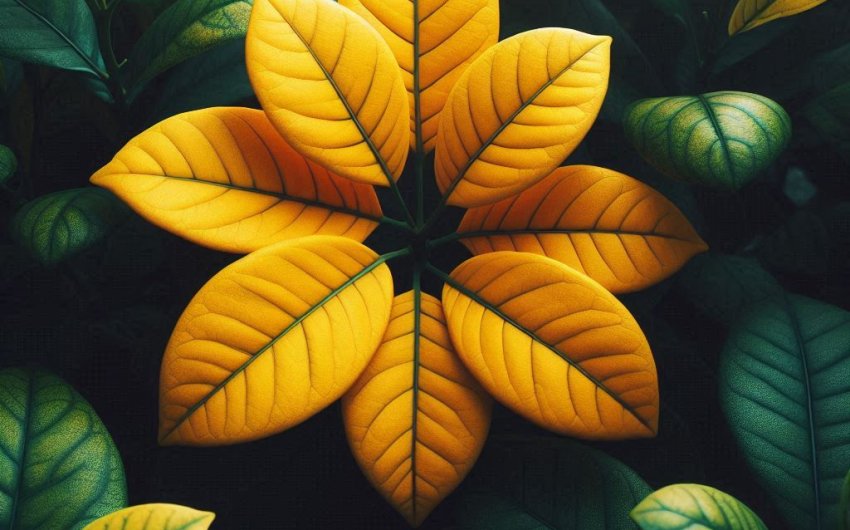
Yellow leaves on a lemon tree are a common worry for gardeners, and they can signal a few different issues. Often, the main culprits are related to how the tree is watered or fed. Too much or too little water can stress the roots, leading to leaves turning yellow and sometimes dropping off. Similarly, a lack of important nutrients in the soil, like iron or nitrogen, can cause the green color to fade.
Another big factor is the environment. Sudden changes in temperature, too much heat or cold, or even a lack of sunlight can make lemon tree leaves turn yellow. Pests and diseases are less common causes for widespread yellowing but can still play a role. To figure out the problem, it's helpful to look closely at the pattern of yellowing, which leaves are affected, and consider your watering and feeding habits.
What nutrient deficiencies cause yellow leaves on lemon trees?
Nutrient deficiencies are a very common reason for yellow leaves on lemon trees. Lemon trees, like all plants, need a balanced diet of various elements to stay healthy and green. When they don't get enough of a specific nutrient, their ability to make chlorophyll (the green pigment) is affected, leading to yellowing, also known as chlorosis.
Here are the most common nutrient deficiencies that cause yellow leaves:
- Nitrogen (N) Deficiency: This is arguably the most frequent cause. Nitrogen is crucial for overall plant growth and is a key component of chlorophyll. When a lemon tree lacks nitrogen, the oldest, lower leaves will typically turn uniformly pale green or yellow first. The yellowing often starts at the tip of the leaf and moves inwards. The new growth might appear stunted and light green. Lemon trees are heavy feeders, especially of nitrogen.
- Iron (Fe) Deficiency: Iron is essential for chlorophyll production, even though it's not part of the chlorophyll molecule itself. An iron deficiency usually shows up as interveinal chlorosis on new, younger leaves. This means the leaf tissue between the veins turns bright yellow, while the veins themselves remain distinctly green. As the deficiency gets worse, the entire leaf can turn bright yellow or even white, and growth can be stunted. This is common in alkaline soils where iron is present but "locked up" and unavailable to the plant.
- Magnesium (Mg) Deficiency: Magnesium is a central atom in the chlorophyll molecule, so its deficiency directly impacts green color. Symptoms often appear on older leaves first, similar to nitrogen. The yellowing starts at the leaf margins (edges) and moves inwards, leaving a green arrowhead shape at the base of the leaf. This pattern, where the veins remain green and the areas between them yellow, is also a form of interveinal chlorosis, but distinct from iron deficiency.
- Zinc (Zn) Deficiency: Zinc is vital for enzyme activity and growth regulation. A zinc deficiency often causes mottled yellowing between the veins on new leaves, similar to iron, but the leaves might also be noticeably smaller, narrower, and sometimes distorted, known as "little leaf" symptom. The twigs might also show shortened internodes (spaces between leaves).
- Manganese (Mn) Deficiency: Manganese deficiency also causes interveinal chlorosis on new leaves, similar to iron or zinc. The yellowing might be less intense than iron deficiency, and the veins usually remain green. It can be hard to tell apart from zinc or iron without a soil test.
To address nutrient deficiencies, a soil test is the best first step. It will tell you exactly what nutrients your soil is lacking. Based on the results, you can then apply specific fertilizers or soil amendments. For general lemon tree health and to prevent many deficiencies, using a balanced citrus-specific fertilizer like Jobe's Organics Citrus & Fruit Fertilizer Spikes or a liquid feed such as Dyna-Gro Grow 7-9-5 can be very beneficial. For iron deficiency in alkaline soils, using a chelated iron product like Southern Ag Chelated Citrus & Specialty Fertilizer can make the iron more available to the plant.
How does overwatering cause yellow leaves on lemon trees?
Overwatering is one of the most common reasons for yellow leaves on lemon trees, especially for potted trees. While lemon trees need consistent moisture, their roots also need oxygen. When a tree is overwatered, the soil becomes waterlogged, pushing out all the air from around the roots. This lack of oxygen essentially suffocates the roots.
Here's how it leads to yellow leaves:
- Root Suffocation: Without oxygen, the roots cannot properly absorb water and nutrients from the soil, even if they are present.
- Root Rot: Prolonged waterlogging creates an ideal environment for harmful fungi and bacteria to grow, leading to root rot. Rotted roots are mushy, black or brown, and can't do their job.
- Nutrient and Water Starvation: Even though the soil is wet, the damaged roots can't take up what the plant needs. This leads to symptoms of both dehydration and nutrient deficiency in the leaves, despite plenty of water being available.
The yellowing from overwatering often appears on older leaves first, and the leaves might also look dull, wilted, or droopy before turning yellow and falling off. The soil will feel constantly wet to the touch, and you might notice a musty smell if root rot is present.
To fix overwatering, the first step is to stop watering immediately and let the soil dry out significantly. For potted trees, make sure the pot has good drainage holes and isn't sitting in standing water. You might need to repot the tree into fresh, well-draining citrus potting mix like FoxFarm Ocean Forest Potting Soil. For in-ground trees, ensure your soil drains well and avoid watering too frequently. Always check the soil moisture before watering again, sticking your finger a few inches deep into the soil.
Can underwatering lead to yellow leaves on a lemon tree?
Yes, underwatering can absolutely lead to yellow leaves on a lemon tree, though the pattern of yellowing and other symptoms might differ slightly from overwatering. While both extremes of watering can cause stress and yellow leaves, they do so through different mechanisms.
When a lemon tree is consistently underwatered, it means the roots aren't getting enough moisture to transport water and nutrients to the rest of the plant. Water is crucial for almost every plant process, including photosynthesis (making food) and maintaining turgor (the stiffness that keeps leaves from wilting).
Here's how underwatering causes yellow leaves:
- Dehydration: Without enough water, plant cells lose their turgor, leading to wilting.
- Nutrient Transport Issues: Water acts as the vehicle for nutrients from the soil to the leaves. If there isn't enough water, nutrient uptake and transport become inefficient, mimicking nutrient deficiencies.
- Leaf Shedding: As a last resort to conserve water, the tree will sacrifice older, less efficient leaves, causing them to turn yellow and drop off.
The yellowing from underwatering might appear on older leaves first, and these leaves will often look limp, crispy, and dry to the touch before turning yellow. The soil will feel bone dry when you check it. Unlike overwatering, where the leaves might look swollen or dull, underwatered leaves often look shriveled.
To fix underwatering, gradually rehydrate the tree. Water slowly and deeply until water drains from the bottom of a pot, or for in-ground trees, ensure the water penetrates several inches into the soil. Avoid giving a heavily parched tree a massive flood all at once, as this can still shock it. Establish a consistent watering schedule based on soil moisture levels, climate, and the size of your tree. A good soil moisture meter, like an XLUX T10 Soil Moisture Meter, can be very helpful for accurate watering.
Does lack of sunlight cause yellowing in lemon tree leaves?
Yes, a lack of sunlight can absolutely contribute to yellowing in lemon tree leaves. Lemon trees are sun-loving plants; they are native to sunny, warm climates and need a lot of light to thrive. They require at least 6-8 hours of direct sunlight per day, and ideally even more, to produce healthy green leaves and abundant fruit.
Here's why insufficient light leads to yellowing:
- Chlorophyll Production: Sunlight is the energy source for photosynthesis, the process where plants make their food and create chlorophyll. If a lemon tree doesn't get enough light, it cannot produce enough chlorophyll, leading to chlorosis (yellowing).
- Reduced Energy: With less photosynthesis, the tree has less energy to support all its functions, including maintaining leaf health and nutrient uptake.
- Leggy Growth: Trees in low light will also often become "leggy," meaning they stretch out with long, weak stems in search of more light, and their leaves will be sparse and pale.
The yellowing from a lack of sunlight might be uniform across many leaves, especially on the shaded side of the tree or on leaves deep within the canopy that don't receive direct light. The leaves might look pale green rather than a vibrant yellow, and the tree might generally appear less vigorous.
To fix this, relocate your potted lemon tree to the sunniest spot available, ideally a south-facing window indoors or a location outdoors with full sun exposure. For indoor trees, consider using a supplemental grow light, such as a GE Grow Light Bulb for Seeds and Greens, during winter months or if natural light is insufficient. For outdoor trees, ensure no nearby buildings or larger trees are casting too much shade. Sometimes, judicious pruning of nearby dense canopy can improve light penetration.
Can pests cause yellow leaves on lemon trees?
Yes, pests can cause yellow leaves on lemon trees, although they usually don't cause uniform yellowing across the entire tree like nutrient deficiencies or watering issues do. Instead, pest damage often results in speckled, mottled, or localized yellowing, typically accompanied by other signs of infestation.
Here are some common pests that can lead to yellow leaves:
- Spider Mites: These tiny pests are almost invisible to the naked eye, but they suck sap from leaves. Their feeding causes tiny yellow or white stippling (dots) on the upper leaf surface. If you see fine webbing on the undersides of leaves or between branches, that's a strong sign of spider mites. Heavily infested leaves will turn yellowish and eventually drop. A good solution is a neem oil spray like Garden Safe Neem Oil Extract Concentrate.
- Aphids: These small, soft-bodied insects cluster on new growth, tender stems, and the undersides of leaves. They also suck sap, causing leaves to curl, distort, and sometimes turn yellow. They often leave behind a sticky substance called "honeydew."
- Scale Insects: These look like small, immobile bumps on stems and the undersides of leaves. They suck sap, leading to general weakening of the plant, stunted growth, and yellowing of affected leaves. Like aphids, they can produce honeydew.
- Mealybugs: Similar to scale, mealybugs are soft-bodied insects covered in a white, cottony wax. They feed on plant sap, causing yellowing, wilting, and distorted growth, often accompanied by honeydew.
- Citrus Leafminers: While their primary damage is tunnels within the leaves, severe infestations can cause significant curling and distortion, which can lead to parts of the leaf yellowing and becoming unhealthy.
When you see yellow leaves along with other symptoms like sticky residue, tiny dots, webbing, or visible insects, it's a good indication that pests are involved. Inspect your tree thoroughly, especially the undersides of leaves and new growth. Pest control typically involves horticultural oils, insecticidal soaps, or specific insecticides, depending on the pest and severity. Regular inspection helps catch infestations early.
What diseases cause yellow leaves on lemon trees?
While not as common as nutrient or watering issues, certain diseases can cause yellow leaves on lemon trees. These diseases are usually caused by fungi, bacteria, or viruses, and they often come with other distinctive symptoms.
Here are some diseases that can lead to yellowing:
- Root Rot (Phytophthora root rot): As mentioned with overwatering, this fungal disease attacks the roots when they are waterlogged. The diseased roots can't take up water and nutrients, leading to generalized yellowing and wilting of the leaves, starting with the older ones. The leaves may drop prematurely, and the entire tree can decline rapidly. This is a very serious disease.
- Citrus Tristeza Virus (CTV): This is a devastating viral disease that affects citrus trees. Symptoms vary depending on the strain and rootstock, but they can include yellowing of leaves (especially along the veins), stunting, stem pitting, and overall decline. There is no cure for viral diseases, and infected trees usually need to be removed.
- Greening Disease (Huanglongbing or HLB): This bacterial disease, spread by the Asian citrus psyllid, is one of the most destructive citrus diseases worldwide. Symptoms include blotchy yellowing on leaves that crosses leaf veins (unlike nutrient deficiencies where veins might stay green), stunted and upright growth, lopsided or small fruit, and eventually tree decline. Like CTV, there's no cure, and affected trees are usually removed.
- Fungal Leaf Spots: Various fungal pathogens can cause leaf spots. While the primary symptom is typically distinct spots, severe infestations can lead to widespread yellowing around the spots or premature leaf drop as the tree tries to shed infected foliage.
- Armillaria Root Rot (Oak Root Fungus): Another fungal root disease that causes general decline, yellowing, and eventual death of the tree. It often spreads from infected woody debris in the soil.
If you suspect a disease, especially a serious one like Greening or Tristeza, it's best to contact your local agricultural extension office or a certified arborist. They can help diagnose the problem and advise on the appropriate course of action, which might include removal to prevent spread to other citrus trees. For fungal issues, improving drainage and air circulation, and sometimes specific fungicides, might be recommended.
How does soil pH affect leaf color on lemon trees?
Soil pH plays a very important role in whether your lemon tree's leaves stay green or turn yellow. pH measures how acidic or alkaline your soil is, on a scale from 0 to 14. A pH of 7 is neutral, below 7 is acidic, and above 7 is alkaline. Lemon trees, like most citrus, prefer slightly acidic to neutral soil, typically a pH range of 6.0 to 7.0.
Here's why pH matters for leaf color:
- Nutrient Availability: The pH of the soil directly influences how easily plant roots can access essential nutrients. Even if a nutrient is present in the soil, it might be "locked up" and unavailable if the pH is too high or too low.
- Iron Chlorosis: This is a classic example. In highly alkaline (high pH) soils (above 7.5), iron, manganese, and zinc can become unavailable to the plant. As a result, the leaves turn yellow with green veins (interveinal chlorosis), a common symptom of iron deficiency, even if there's plenty of iron in the soil. The roots just can't absorb it.
- Nutrient Leaching: In very acidic (low pH) soils (below 5.0), some nutrients can become too soluble and leach out of the soil quickly, while others can become toxic. This is less common for lemon trees than alkaline issues.
If your soil pH is off, your lemon tree might show symptoms of various nutrient deficiencies, even if you're regularly fertilizing. The tree simply can't get what it needs from the soil.
To determine your soil pH, you'll need a soil test. You can buy a home soil test kit like a Rapitest Soil Test Kit or send a sample to your local agricultural extension office for a more detailed analysis.
If your soil is too alkaline, you can lower the pH by adding amendments like elemental sulfur or acidic organic matter such as peat moss or compost. For potted trees, always use a high-quality citrus potting mix designed for good drainage and a slightly acidic pH. Adjusting soil pH takes time, so be patient and re-test periodically.
Do temperature fluctuations cause yellow leaves on lemon trees?
Yes, temperature fluctuations can definitely cause yellow leaves on lemon trees, as citrus trees are sensitive to sudden or extreme changes in temperature. They prefer a stable, warm environment.
Here's how different temperature issues can lead to yellowing:
- Cold Stress/Frost Damage: Lemon trees are not very cold-hardy. Temperatures dropping below freezing (32°F or 0°C) can cause significant damage. Leaves may turn yellow, then brown, and become crispy before falling off. Even temperatures consistently below 50°F (10°C) can stress the tree, slowing growth and leading to a general pale or yellowing appearance. For potted trees, bringing them indoors or using a frost cloth like an Agfabric Plant Cover for outdoor trees is crucial during cold snaps.
- Heat Stress: While lemon trees love warmth, extreme heat (consistently above 100°F or 38°C), especially when combined with low humidity or insufficient water, can also cause stress. Leaves might turn yellow, scorch, or even fall off as the tree tries to protect itself.
- Sudden Changes: Lemon trees, particularly potted ones moved indoors for winter or outdoors for summer, can react poorly to sudden shifts in temperature. A quick move from a warm, sheltered spot to a very cold or very hot one can shock the tree, leading to yellowing and leaf drop. This is part of the phenomenon known as transplant shock or environmental shock.
When you see yellow leaves after a significant temperature change, it's often the tree reacting to stress. Provide protection from extreme cold, ensure adequate watering during hot spells, and try to acclimatize potted trees gradually when moving them between indoor and outdoor environments.
How does transplant shock affect lemon tree leaves?
Transplant shock is a common phenomenon that can cause yellow leaves on lemon trees after they've been moved to a new location or repotted. It's essentially the plant's stress response to being disturbed.
Here's why transplant shock occurs and leads to yellowing:
- Root Damage: Even with careful handling, some roots are inevitably damaged or severed during transplanting. These roots are crucial for absorbing water and nutrients.
- Inability to Absorb Water: With damaged roots, the tree can't take up enough water to supply its existing leaves, even if the soil is moist. This leads to symptoms of dehydration.
- Nutrient Uptake Impairment: Similarly, the absorption of essential nutrients is hindered.
- Leaf Shedding for Survival: To conserve limited water and energy while it regrows new roots, the tree might shed older, less efficient leaves. These leaves often turn yellow first, then brown, and eventually fall off.
The yellowing from transplant shock typically occurs within a few days to a couple of weeks after the move. The leaves might look generally dull, wilted, or droopy before turning yellow and dropping. The severity depends on how much root disturbance occurred and how well the tree is cared for post-transplant.
To minimize transplant shock and yellowing:
- Prune Judiciously: Sometimes, lightly pruning some of the upper foliage before transplanting can help reduce the water demand on the compromised root system.
- Water Well Before and After: Ensure the root ball is moist before transplanting, and water immediately and thoroughly after planting.
- Gentle Handling: Be as gentle as possible with the root ball to minimize damage.
- Avoid Fertilizing Immediately: Wait a few weeks after transplanting before fertilizing, as new roots can be sensitive.
- Consider a Root Stimulator: Products like Superthrive Vitamin Solution can help encourage new root growth.
- Stable Environment: Provide consistent watering, adequate light, and protection from extreme temperatures or strong winds in the new location.
Most lemon trees recover from transplant shock, but it might take some time for them to shed the yellow leaves and produce new, healthy green growth.
How does natural leaf senescence contribute to yellow leaves?
Natural leaf senescence is a normal, healthy process that causes yellow leaves on lemon trees and other plants. Senescence is the botanical term for aging and programmed death of leaves. It's essentially how a tree recycles its resources.
Here's how it contributes to yellowing:
- Resource Reclamation: As a leaf ages, it becomes less efficient at photosynthesis. Before the tree sheds it, it withdraws valuable nutrients, especially nitrogen (which is a major component of chlorophyll), from the old leaf and relocates them to newer, actively growing parts of the plant, or stores them for future growth.
- Chlorophyll Breakdown: When nitrogen and other nutrients are withdrawn, the chlorophyll breaks down. As the green pigment disappears, the underlying yellow pigments (carotenoids) become visible, causing the leaf to turn yellow.
- Normal Turnover: All trees shed old leaves as part of their natural growth cycle. For evergreen trees like lemons, this happens gradually throughout the year, rather than all at once in the fall like deciduous trees. You might notice a few old leaves turning yellow and dropping, particularly after a flush of new growth.
The key to identifying natural senescence is the pattern:
- It affects older, interior leaves (those closer to the trunk or inner branches).
- It's usually a gradual process, with only a few leaves turning yellow at a time, not a sudden, widespread yellowing.
- The overall tree still looks healthy and produces new, green growth.
If you see a few yellowing leaves on the inside of your lemon tree's canopy, and the rest of the tree looks vibrant and is putting out new growth, it's likely just natural leaf turnover and no cause for alarm. This is a sign of a healthy tree efficiently recycling its resources.
Can container size affect leaf yellowing on potted lemon trees?
Yes, container size can significantly affect leaf yellowing on potted lemon trees. The size of the pot directly impacts the root system's ability to grow, as well as water and nutrient availability.
Here's how an improper container size can lead to yellowing:
- Too Small a Pot (Root Bound): If a lemon tree outgrows its pot, its roots will become tightly packed, coiling around the inside of the container. This condition is called being "root bound."
- Poor Water Absorption: Densely packed roots struggle to absorb water efficiently. Water might run straight through the pot without being absorbed by the root ball, leading to symptoms of underwatering even if you apply water regularly.
- Nutrient Depletion: A small volume of soil in a small pot quickly runs out of essential nutrients. Even with regular fertilization, the roots might not have enough space or available surface area to take up what they need, leading to nutrient deficiencies and yellowing.
- Stressed Roots: Overcrowded roots are constantly under stress, making the tree weaker and more susceptible to various problems, including yellow leaves.
- Yellowing pattern: Often generalized yellowing, stunted growth, and leaves that don't look healthy.
- Too Large a Pot: While less common, using a pot that is too large can also cause issues.
- Overwatering Risk: A very large pot holds a lot of soil that may stay wet for too long, leading to a higher risk of overwatering and root rot. The roots might struggle to utilize all the moisture before it becomes stagnant, depriving them of oxygen.
- Yellowing pattern: Similar to overwatering, typically affects older leaves first, which may also appear dull or wilted.
To prevent yellowing related to container size:
- Repotting: As your lemon tree grows, repot it into a slightly larger pot, typically one that is 1-2 inches wider in diameter than the old one. Avoid jumping to a much larger pot all at once.
- Proper Drainage: Always use pots with ample drainage holes.
- Appropriate Potting Mix: Use a well-draining citrus-specific potting mix like Black Gold Organic Potting Mix.
Regularly check your potted lemon tree for signs of being root-bound (roots emerging from drainage holes, water running straight through, stunted growth) and repot as needed, usually every 1-3 years depending on the tree's growth rate.
How do environmental stressors like wind or sudden moves cause yellow leaves?
Environmental stressors like strong winds or sudden changes in location can indeed cause yellow leaves on lemon trees, leading to a form of stress-induced leaf drop. Lemon trees prefer stable conditions, and abrupt changes can be quite shocking to them.
Here's how these stressors cause yellowing:
- Wind Burn/Desiccation: Strong, persistent winds, especially hot or dry winds, can rapidly strip moisture from leaves, a process called transpiration. If the roots can't absorb water fast enough to replace what's lost, the leaves become dehydrated. This can lead to the edges turning yellow or brown, and eventually the entire leaf becoming crispy and yellow before falling off. This is a common issue for trees newly planted in exposed areas or moved outdoors after being indoors.
- Light Shock: Moving a lemon tree from a low-light indoor environment to direct, intense outdoor sun too quickly can cause sunburn or light shock. The leaves aren't accustomed to the intense light, and the chlorophyll can be damaged, leading to yellowing, bleaching, or even browning of the leaves. This often affects the top, exposed leaves first.
- Temperature Shock: As discussed earlier, sudden shifts from warm to cold or vice versa can stress the tree, causing yellowing and leaf drop as it tries to adjust or protect itself from damage.
- Humidity Changes: Moving a tree from a humid indoor environment to a very dry outdoor environment (or vice-versa) can also cause stress. Citrus trees prefer moderate to high humidity. Sudden drops in humidity can lead to increased water loss from leaves, resulting in yellowing and crisping.
When you notice yellow leaves after a significant environmental change, it's often the tree's way of shedding leaves it can no longer support under the new stressful conditions.
To mitigate these issues:
- Acclimatization (Hardening Off): When moving potted lemon trees from indoors to outdoors, or from a sheltered spot to a sunnier/windier one, do so gradually over 1-2 weeks. Start by placing them in a shaded outdoor spot for a few hours a day, increasing the time and sunlight exposure each day.
- Wind Protection: For young or newly planted trees, consider temporary windbreaks in very exposed locations.
- Consistent Care: Ensure consistent watering and proper nutrition to help the tree cope with any environmental challenges it faces.
Patience is key, as stressed trees often recover and produce new healthy growth once adapted to their new environment.
What is the specific yellowing pattern for nitrogen deficiency?
The specific yellowing pattern for nitrogen deficiency on lemon trees is quite characteristic and helps distinguish it from other causes of yellowing.
Here's what to look for:
- Affected Leaves: Nitrogen is a "mobile nutrient" in plants. This means that when there's a shortage, the tree will move nitrogen from its older, mature leaves to support new growth. Therefore, the yellowing typically appears on the oldest leaves first, usually those closer to the trunk or at the bottom of the plant. The newest leaves at the tips of branches might remain green initially, but they may be smaller and lighter green than normal.
- Yellowing Pattern on the Leaf: The entire leaf surface, including the veins, tends to turn a uniform pale green, then yellow. It doesn't usually show the distinct green veins with yellow tissue in between (interveinal chlorosis) that are characteristic of iron or magnesium deficiencies. The yellowing often starts at the tip or margins of the leaf and progresses inwards.
- Overall Plant Appearance: Beyond the yellow leaves, a nitrogen-deficient lemon tree will often show stunted growth, less vigorous new flushes, and an overall paler, weaker appearance compared to a healthy, dark green tree. Fruit production might also be reduced.
If you observe this pattern, it's a strong indicator that your lemon tree needs more nitrogen. Apply a high-nitrogen citrus fertilizer, such as a citrus food with a higher first number in the N-P-K ratio (e.g., Espoma Organic Citrus-tone Plant Food). Always follow label directions to avoid over-fertilizing, which can also harm the tree. Regular, balanced feeding is the best preventative measure for nitrogen deficiency.
What is the specific yellowing pattern for iron deficiency?
The specific yellowing pattern for iron deficiency on lemon trees is quite distinct and is one of the most common forms of nutrient-related yellowing. It's known as interveinal chlorosis.
Here's what to look for:
- Affected Leaves: Iron is an "immobile nutrient" in plants. This means that once it's incorporated into existing leaves, the plant cannot easily move it to new growth. Therefore, symptoms of iron deficiency primarily appear on new, young leaves at the tips of branches first. The older leaves usually remain green, unless the deficiency is very severe and prolonged.
- Yellowing Pattern on the Leaf: This is the most diagnostic symptom. The tissue between the veins turns yellow, while the veins themselves remain distinctly green. This creates a striking network of green veins against a yellow background. As the deficiency worsens, the entire new leaf can turn very pale yellow, almost white, and the leaf size may be reduced.
- Overall Plant Appearance: While the older leaves might still look healthy, the new growth will be visibly stunted and pale. In severe cases, new shoots might die back.
Iron deficiency is very common in soils with a high pH (alkaline soils), even if there is plenty of iron present in the soil. At high pH levels, the iron becomes chemically unavailable for the plant to absorb, even though it's physically there.
To address iron deficiency, first, check your soil pH. If it's too high, you might need to lower it. The most effective way to provide available iron is by using a chelated iron product, such as Sequestrene 138 Fe Chelated Iron. Chelated iron forms a protective ring around the iron molecule, preventing it from being locked up by high pH and making it readily available for the plant to absorb. You can apply it as a soil drench or a foliar spray.
What is the specific yellowing pattern for magnesium deficiency?
The specific yellowing pattern for magnesium deficiency on lemon trees is also a type of interveinal chlorosis, but it has a distinct appearance that helps differentiate it from iron deficiency.
Here's what to look for:
- Affected Leaves: Magnesium is a "mobile nutrient," similar to nitrogen. This means that when the tree is short on magnesium, it will pull magnesium from its older, mature leaves to supply new growth. Therefore, the yellowing symptoms typically appear on the oldest leaves first, usually on the lower or inner parts of the tree.
- Yellowing Pattern on the Leaf: The most recognizable symptom is a yellowing that starts at the margins (edges) of the leaf and progresses inwards, while a distinct green, inverted "V" or arrowhead pattern remains at the base of the leaf, often extending along the main central vein. The area between the veins will turn yellow, but the strong green V shape at the bottom is key. As the deficiency becomes more severe, the yellowing can spread across more of the leaf, and parts might eventually turn brown and fall off.
- Overall Plant Appearance: The overall growth might not be as stunted as with nitrogen or iron deficiencies initially, but prolonged magnesium deficiency will lead to reduced vigor and lower fruit production.
Magnesium deficiency is often seen in sandy soils where magnesium can leach out easily, or in soils that have been heavily fertilized with potassium (K) or calcium (Ca), as these nutrients can compete with magnesium for uptake.
To address magnesium deficiency, you can apply Epsom salts (magnesium sulfate) as a soil drench or a foliar spray. A common recommendation is 1 tablespoon of Epsom salts per gallon of water. For a more sustained release, you can amend the soil with dolomite lime (if your soil pH needs raising) or other magnesium-containing fertilizers. A soil test will confirm the deficiency and help determine the correct amount to apply. Consistent application of a balanced citrus fertilizer that includes micronutrients can help prevent this deficiency.
How to distinguish between overwatering and underwatering yellow leaves?
Distinguishing between overwatering and underwatering as the cause of yellow leaves on lemon trees can be tricky because both can lead to similar-looking symptoms. However, paying close attention to other signs and the pattern of the yellowing can help you figure out the culprit.
Here's a comparison to help you distinguish:
| Feature | Overwatering | Underwatering |
|---|---|---|
| Soil Condition | Constantly wet, soggy, heavy. | Bone dry, crumbly, pulling away from pot edges. |
| Leaf Appearance | Dull, heavy, may feel soft or slightly swollen before yellowing. Leaves may look droopy, but not crispy. | Limp, crispy, dry, brittle. Leaves may look shriveled. |
| Yellowing Pattern | Often uniform yellowing on older, lower leaves. Leaves might turn yellow and drop suddenly in large numbers. | Often uniform yellowing on older, lower leaves, but can progress to new growth if severe. Leaves may wilt first, then yellow. |
| Leaf Drop | Can be rapid and significant. | Slower, gradual drop. |
| Roots (if visible) | Brown, mushy, soft, may smell foul. (Sign of root rot) | Dry, brittle, shriveled. |
| Overall Plant Vigor | Tree looks stressed, potentially wilting, even though soil is wet. Growth may be stunted. | Tree looks parched, wilting, no new growth. |
| Drainage | Poor drainage in pot or soil. | Good drainage but insufficient water applied. |
Key questions to ask yourself:
- How do I usually water? Do I water on a strict schedule, or do I check the soil moisture?
- How does the soil feel? Stick your finger 2-3 inches deep. Is it still soaking wet, or bone dry?
- Does the pot have drainage holes? If it's a potted tree, is water accumulating in the saucer?
- What kind of potting mix am I using? Is it dense and heavy, or light and airy?
The most reliable indicator is almost always the soil moisture level. If the soil is still wet several days after watering, it's likely overwatering. If it's consistently dry when you check, it's underwatering. Adjust your watering habits based on what you find. Consider using a soil moisture meter like the REOTEMP Garden & Compost Thermometer with Moisture Sensor for more accurate assessment.
How can I improve drainage for my lemon tree to prevent yellow leaves?
Improving drainage for your lemon tree is crucial, especially if you suspect overwatering is causing yellow leaves. Good drainage prevents water from sitting around the roots, which can lead to oxygen deprivation and root rot.
Here's how to improve drainage for both potted and in-ground lemon trees:
For Potted Lemon Trees:
- Choose the Right Pot:
- Drainage Holes: This is non-negotiable. Always use a pot with multiple, adequate drainage holes at the bottom. Avoid decorative pots without holes unless you use them as cachepots with a nursery pot inside.
- Material: Terracotta pots are often recommended because their porous nature allows excess moisture to evaporate through the sides, improving aeration compared to plastic pots. However, plastic pots can work well if you are careful with watering.
- Use the Right Potting Mix:
- Citrus-Specific Mix: Invest in a high-quality, well-draining potting mix specifically formulated for citrus or other acid-loving plants. These mixes typically contain ingredients like perlite, pumice, or pine bark fines to create air pockets and improve drainage. Avoid dense, heavy garden soil or general-purpose potting mixes. Consider Miracle-Gro Citrus, Avocado & Mango Potting Mix.
- Amendments: You can amend a regular potting mix by adding 20-30% perlite or coarse sand to increase drainage, but using a pre-formulated citrus mix is often easier and more effective.
- Elevate the Pot: Don't let your potted tree sit directly on a solid surface in standing water. Use pot feet or bricks to elevate the pot slightly, allowing air to circulate under the pot and water to drain freely from the holes. A pot caddy with wheels can also serve this purpose and make moving the tree easier.
For In-Ground Lemon Trees:
- Assess Your Soil: Before planting, dig a test hole (about a foot deep and wide) and fill it with water. If the water drains very slowly (takes more than a few hours to drain), your soil has poor drainage.
- Amend the Soil:
- Organic Matter: Incorporate a significant amount of organic matter into the planting area. This could be compost, well-rotted manure, or aged pine bark. Organic matter improves soil structure, creating channels for water to drain while also retaining some moisture.
- Raised Beds: If you have very heavy clay soil that compacts easily, planting your lemon tree in a raised garden bed is an excellent solution. This allows you to create an ideal, well-draining soil mix that the tree can grow into. Use a garden bed like a Best Choice Products Raised Garden Bed.
- Avoid Compaction: Try not to walk directly over the root zone of your in-ground tree, as this can compact the soil and reduce aeration and drainage.
- Proper Watering: Even with good drainage, avoid overwatering. Water deeply but less frequently, allowing the top few inches of soil to dry out between waterings.
By ensuring proper drainage, you create a healthier root environment, significantly reducing the risk of root rot and related yellowing of leaves.
How often should I fertilize my lemon tree to prevent yellow leaves?
The frequency of fertilizing your lemon tree to prevent yellow leaves depends on several factors: whether it's in a pot or in the ground, its age, its size, and the type of fertilizer you're using. Lemon trees are considered heavy feeders, meaning they need a good supply of nutrients to produce abundant fruit and maintain lush green foliage.
General Guidelines:
For Potted Lemon Trees:
- More Frequent Feeding: Potted trees need more frequent fertilization because nutrients can leach out of the soil with each watering, and the soil volume is limited.
- Frequency: Typically, fertilize potted lemon trees every 2-4 weeks during their active growing season (spring through fall). Reduce or stop fertilizing during winter dormancy.
- Type of Fertilizer: Use a liquid citrus fertilizer like FoxFarm Grow Big Liquid Plant Food or a slow-release granular citrus fertilizer. Liquid feeds provide quick nutrient availability, while slow-release formulas feed over several months.
- Dilution: Always follow the product label for dilution rates, often using a weaker solution more frequently.
For In-Ground Lemon Trees:
- Less Frequent Feeding: In-ground trees have access to a larger volume of soil and its natural nutrients, so they don't need to be fertilized as often as potted trees.
- Frequency: Fertilize in-ground lemon trees generally 3-4 times per year during the active growing season. A common schedule might be late winter/early spring, late spring, mid-summer, and early fall. Adjust based on your local climate and the tree's needs.
- Type of Fertilizer: Use a granular citrus-specific fertilizer that contains essential micronutrients like iron, zinc, and manganese, in addition to nitrogen, phosphorus, and potassium. An example is Osmocote Smart-Release Plant Food Citrus, Avocado & Mango.
Important Considerations:
- Nitrogen Focus: Lemon trees are particularly heavy nitrogen feeders. If your leaves are uniformly pale or yellowing on older leaves, your tree likely needs more nitrogen. Look for a fertilizer with a higher first number (N) in the N-P-K ratio.
- Micronutrients: Don't forget micronutrients, especially iron, magnesium, zinc, and manganese. Many citrus fertilizers include these. If you see interveinal chlorosis on new leaves (green veins, yellow tissue), an iron deficiency is likely, often requiring a chelated iron supplement.
- Soil Test: The most accurate way to determine what your tree needs is through a soil test. This will tell you exactly what nutrients are present or lacking in your soil and its pH.
- Symptoms, Not Schedule: While a schedule helps, always adjust based on your tree's appearance. If leaves are yellowing, it's a sign to check your fertilizing and watering routine.
- Don't Over-fertilize: More is not better. Over-fertilizing can lead to nutrient burn, which can also cause yellowing and browning of leaf tips, and can even damage the roots. Always follow label instructions carefully.
- Water Before Fertilizing: Always water your tree thoroughly before applying fertilizer to prevent root burn.
By providing a consistent and balanced supply of nutrients, you give your lemon tree the best chance to maintain healthy, green leaves and produce delicious fruit.