
How to save an overwatered cactus?
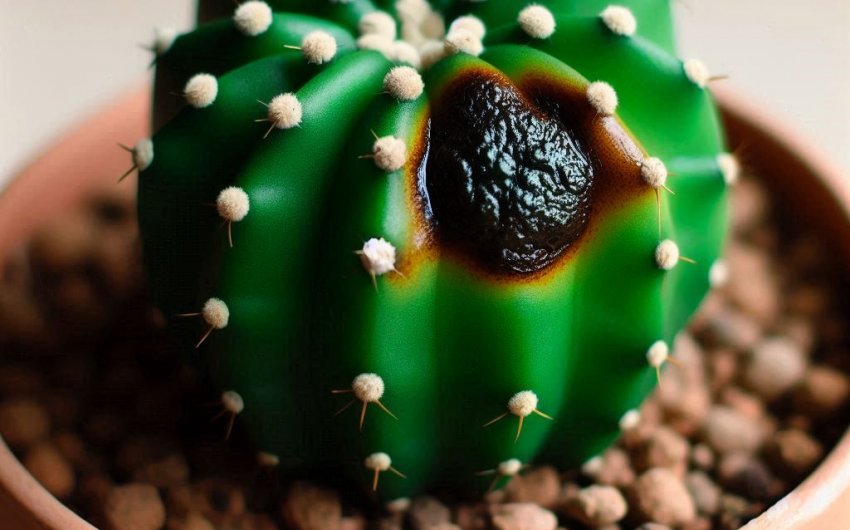
Saving an overwatered cactus starts with immediate action to stop the rot from spreading. The very first thing to do is to stop watering the plant and remove it from its wet soil. Cacti are built for dry conditions, so too much moisture is their biggest enemy, leading quickly to root rot. Gently remove all the old, soggy soil from around the roots.
Once the cactus is out of the pot, you'll need to inspect its roots and the base of the plant carefully. Any parts that are dark, soft, or mushy are likely rotted and need to be pruned away with a clean, sharp knife. After trimming, allow the cactus to dry out in the open air for several days to a week. This crucial step, called callusing, helps heal any wounds and prevents new rot when you eventually repot it in fresh, dry, well-draining soil.
What are the early signs of an overwatered cactus?
Catching the signs of an overwatered cactus early is key to saving it. Many people think cacti are unkillable, but overwatering is the quickest way to send them to an early grave. The symptoms often show up first in subtle ways, so regular inspection of your plant is important.
Here are the early signs to look out for:
- Softening or Mushiness at the Base: This is often the most critical and noticeable early sign. The base of the cactus, where it meets the soil, will start to feel soft, spongy, or mushy to the touch. It might even look discolored, turning dark brown or black. This is a clear indicator of stem rot starting, which often originates from root rot.
- Discoloration: While browning or blackening is a late stage, an early sign might be a dulling of the vibrant green color, or a slight yellowing or translucent appearance, especially at the base or lower sections. The plant might lose its healthy, firm appearance.
- Swollen or Puffed-Up Appearance: The cactus might look unusually plump or swollen, as if it's bursting with water. This can be followed by splitting of the stem, especially near the bottom, as the plant cells can't hold any more water.
- Drooping or Limpness: Instead of standing upright and firm, the cactus might start to sag, droop, or look limp. This isn't usually due to lack of water, but rather the internal structure of the plant breaking down.
- Unpleasant Odor: If root rot has begun, you might notice a distinct, unpleasant, musty, or foul odor coming from the soil or the base of the cactus. This smell is a strong indicator of bacterial or fungal activity in the decaying roots.
- Persistent Wet Soil: This is a direct cause and a major indicator. If the soil stays wet for days or even weeks after watering, especially if you're using a dense, non-gritty potting mix, it's a huge red flag that your cactus is getting too much moisture.
- No New Growth: A healthy cactus will usually show some signs of new growth, even if slow. If your plant seems completely stagnant and doesn't respond to appropriate light or temperature, it might be struggling with overwatering.
If you notice any of these signs, especially a soft base or persistent wet soil, it's time to take immediate action. Don't wait until the entire plant turns to mush, as by then, it might be too late to save.
How do you check if a cactus has root rot?
Checking for root rot in a cactus is a critical step in saving an overwatered plant. Root rot is a fungal or bacterial disease that occurs when roots are deprived of oxygen due to waterlogged soil, causing them to decay.
Here's how to check if your cactus has root rot:
- Gently Remove the Cactus from its Pot: Carefully tip the pot on its side and gently slide the cactus out. If it's a spiky variety, use thick gloves or a folded newspaper to handle it. Avoid pulling on the stem, as it can damage healthy roots.
- Shake Off Excess Soil: Gently shake or brush off as much of the old, wet soil as possible from the root ball. You want to expose the roots to get a clear view.
- Inspect the Roots: Look closely at the color and texture of the roots.
- Healthy Roots: Healthy cactus roots are typically pale, whitish, tan, or even slightly yellowish. They will feel firm, flexible, and often have a fibrous appearance.
- Rotted Roots: Rotted roots will look dark brown or black. They will feel soft, mushy, slimy, or stringy. If you gently pull on them, they might easily break off or disintegrate in your fingers. You might also notice a foul, musty, or sulfuric odor emanating from the rotted roots.
- Inspect the Base of the Stem: After inspecting the roots, also check the very bottom of the cactus stem where it meets the roots. This area can also show signs of rot, appearing dark, soft, or squishy. In some cases, the rot might have progressed up the stem itself.
- Examine Drainage Holes: While you're inspecting, also check the pot's drainage holes. Are they blocked? Is water pooling in the saucer? This can contribute to root rot.
If you confirm that your cactus has root rot, don't despair! You've identified the problem, and now you can take the necessary steps to prune away the diseased parts and give your cactus a chance to recover. This process is detailed in other sections, but identification is the first crucial step.
What tools do you need to prune a rotted cactus?
To effectively prune a rotted cactus and give it the best chance of survival, you'll need a few specific tools. Clean, sharp tools are essential to make precise cuts and minimize further stress or the introduction of new pathogens.
Here's a list of the tools you'll need:
- Sharp Knife or Pruners: This is the most important tool. You'll need a very sharp, clean knife (like a utility knife, box cutter, or even a very sharp kitchen knife) or a pair of small, sharp pruners, such as Fiskars Bypass Pruner. The sharpness ensures a clean cut, which helps the plant heal faster and reduces the risk of further infection. Avoid dull tools that might crush or tear the plant tissue.
- Disinfectant (Rubbing Alcohol or Bleach): Before and after each cut, especially when dealing with rot, you must sterilize your cutting tools. Isopropyl rubbing alcohol (70% or higher) is commonly used. You can also use a 10% bleach solution (1 part bleach to 9 parts water). This step kills any fungi or bacteria on the tool, preventing them from spreading to healthy plant tissue.
- Protective Gloves: Cacti have spines! Thick gardening gloves, like Wonder Grip Nitty Gritty Gloves, are essential to protect your hands from punctures and irritation. For very spiky cacti, you might even consider wrapping the cactus in several layers of newspaper or using tongs to handle it.
- Newspaper or Cardboard: Lay down newspaper or a piece of cardboard on your workspace. This helps catch loose soil and plant debris, making cleanup easier. It also provides a clean surface to work on.
- Paper Towels or Clean Cloth: For wiping your tools with disinfectant.
- Cinnamon Powder (Optional but Recommended): Ground cinnamon, like the McCormick Ground Cinnamon you find in your kitchen, acts as a natural antifungal and antibacterial agent. After making cuts on healthy tissue, you can lightly dust the cut surface with cinnamon to help prevent new infections during the callusing process.
- New, Well-Draining Potting Mix: Once you've pruned and callused the cactus, you'll need to repot it. Ensure you have a fresh bag of cactus and succulent potting mix, like Bonsai Jack Succulent and Cactus Soil.
- Clean Pot with Drainage Holes: Use a clean pot, preferably terracotta, with good drainage holes. Avoid reusing the old pot unless you sterilize it thoroughly with a bleach solution to kill any lingering pathogens.
Having these tools ready before you start pruning will make the process smoother and increase your chances of successfully saving your overwatered cactus.
How to prune the rotted parts of a cactus?
Pruning the rotted parts of a cactus is a critical step in saving it from overwatering. This process involves carefully removing all diseased tissue to prevent the rot from spreading further into healthy parts of the plant.
Here's a step-by-step guide:
Prepare Your Workspace and Tools:
- Lay down newspaper or cardboard to keep your area clean.
- Put on your protective gloves.
- Gather your sharp knife or pruners and your disinfectant (rubbing alcohol or bleach solution). Sterilize your cutting tool by wiping the blade thoroughly with alcohol or dipping it in the bleach solution.
Extract the Cactus: Gently remove the cactus from its pot. Discard all the old, wet soil, as it may contain rot pathogens. If the pot itself was the problem (e.g., no drainage holes), discard it or clean it thoroughly with a bleach solution.
Inspect and Locate the Rot: Carefully examine the roots and the base of the stem.
- Root Rot: Identify all roots that are dark brown or black, mushy, slimy, or easily fall apart. Healthy roots should be firm and light-colored (white, tan, or light yellow).
- Stem Rot: Look for any dark, soft, or spongy areas on the base of the cactus stem. The rot might have moved upwards into the main body of the cactus.
Start Cutting:
- Make Initial Cuts: Using your sterilized sharp knife or pruners, begin cutting away the rotted tissue. Make your first cuts into the obviously rotted parts.
- Cut Until You See Healthy Tissue: The most important rule is to keep cutting until you see absolutely no brown or black discoloration. You need to cut into healthy, firm, and clean-looking green (or the natural color of your cactus) tissue. This might mean removing a significant portion of the base or even multiple sections if the rot has spread.
- Slice Thinly: After removing the main rotted section, make thin slices (like slicing bread) from the bottom of the cactus, continually inspecting the cross-section. You are looking for a clean, uniform color across the cut surface, without any dark spots, streaks, or rings. If you see any brown or black, continue slicing until it's completely gone.
Re-sterilize Between Cuts: VERY IMPORTANT: After each cut into suspected rot, and especially if you transition from diseased to potentially healthy tissue, re-sterilize your knife or pruners. This prevents you from inadvertently spreading fungal or bacterial spores from the rotted parts into the healthy parts of your cactus.
Dust with Cinnamon (Optional but Recommended): Once you have a clean cut and are sure all the rot is removed, you can lightly dust the cut surface with ground cinnamon. Cinnamon acts as a natural antifungal and can help prevent new infections during the callusing process.
Discard Rotted Material: Immediately discard all the removed rotted plant material in the trash. Do not put it in your compost, as the pathogens can survive.
After pruning, the cactus will need to callus (dry out) before it can be repotted. This is a crucial step to allow the wound to heal and prevent new rot once it's placed in soil again.
Why is callusing essential after pruning an overwatered cactus?
Callusing is an absolutely essential step after pruning an overwatered cactus and before repotting it. It's often the difference between successful recovery and the complete demise of the plant.
Here's why callusing is so vital:
- Wound Healing: When you prune a cactus, you create an open wound. Just like a cut on your skin, this wound needs to heal. Callusing is the process where the cut surface dries out and forms a protective, hardened layer of tissue. This layer seals off the plant's internal tissues.
- Preventing Infection: An open wound on a plant is an entry point for various fungal and bacterial pathogens. If you repot a freshly cut cactus into soil, even dry soil, the moisture and microorganisms in the soil can easily infect the open wound, leading to new rot – even worse than before. The callused layer acts as a barrier, preventing these pathogens from entering the plant.
- Preventing Further Rot: Even if you think you've removed all the rot, some microscopic spores might remain. Allowing the plant to callus in dry air ensures that any remaining dormant pathogens cannot become active or spread. It also ensures that the internal tissues dry out thoroughly.
- Encouraging Root Development (for cuttings): If you had to cut so much that your cactus no longer has any viable roots (essentially, you've created a cutting), callusing is critical for it to form a new root system. The callus tissue is where new roots will eventually emerge. If you plant a fresh cutting, it's very likely to rot before it can form roots.
How to Callus: After pruning, simply leave the cactus in a dry, warm, well-ventilated area away from direct sunlight. Place it on its side on a clean paper towel or newspaper. The callusing process can take anywhere from a few days for small cuts to several weeks for large cuts, depending on the size of the wound, the type of cactus, and the ambient humidity. The cut surface should look and feel dry, firm, and slightly hardened before you consider repotting. Don't rush this step! Patience here greatly increases your chances of success.
How long should you let a cactus callus before repotting?
The time you should let a cactus callus before repotting it depends on a few factors, mainly the size of the cut surface and the ambient humidity in your environment. There's no single, fixed answer, but a general guideline can be provided.
- Small Cuttings/Minor Pruning: For small cuts or if you only had to trim off a small section of rotted root, the callusing process might only take 3-7 days.
- Larger Cuts/Significant Rot Removal: If you had to remove a large section of the stem, essentially creating a large cutting, the callusing could take 1-3 weeks or even longer, up to a month in some cases.
- Humidity Levels: In very humid environments, callusing will take longer because the moisture in the air slows down the drying process. In dry climates, it will happen much faster.
How to tell if it's callused enough: The key is to observe the cut surface. It should:
- Look dry: The moist, freshly cut appearance should be gone.
- Feel firm and dry to the touch: It should no longer feel damp, sticky, or soft. It should have formed a tough, skin-like layer.
- Potentially show new root nubs: For large cuttings that you're trying to root, you might even start to see small, pinkish root nubs forming around the edge of the callused area, although this isn't always necessary before repotting.
Never rush the callusing process. Repotting a cactus with an uncallused wound is almost guaranteed to lead to new rot. When in doubt, it's always better to let it dry for a few extra days than to repot too soon. Keep the cactus in a dry, well-ventilated area away from direct sun during this time.
What is the best soil mix for repotting an overwatered cactus?
The best soil mix for repotting an overwatered cactus is one that provides excellent drainage and aeration. Cacti are desert plants, and their roots are adapted to dry, gritty soils, not dense, moisture-retentive ones. Using the wrong soil is a primary cause of overwatering problems, even if you water sparingly.
Here's what makes an ideal cactus soil mix:
- Low Organic Matter: Traditional potting mixes are often high in peat moss or other organic materials that retain a lot of water. For cacti, you want a mix with a lower percentage of these water-retaining components.
- High Inorganic Matter/Gritty Components: The bulk of a good cactus mix should be made up of materials that don't absorb much water but create air pockets and facilitate rapid drainage. These include:
- Perlite: Lightweight, white, volcanic glass that improves drainage and aeration.
- Pumice: Similar to perlite, but denser. It's excellent for drainage and also absorbs some moisture and releases it slowly.
- Coarse Sand: Not play sand or builders' sand, which can compact. Use horticultural-grade coarse sand or grit.
- Small Gravel or Akadama: Can also be used for added drainage and stability.
- Sterile: Especially after dealing with rot, you want a sterile mix to avoid introducing new pathogens.
Options for Cactus Potting Mix:
- Pre-made Cactus & Succulent Mix: This is the easiest and often safest option, especially for beginners. Many brands offer specialized mixes that are ready to use. Look for mixes labeled specifically for "Cacti, Succulents, and Draining Plants." Brands like Espoma Organic Cactus Mix or Miracle-Gro Cactus, Palm & Citrus Potting Mix are good starting points.
- DIY Mix: If you want to customize or can't find a good pre-made mix, you can make your own:
- Basic Mix: 1 part regular potting soil (low peat) + 1 part perlite or pumice.
- Grittier Mix: 1 part regular potting soil + 1 part perlite/pumice + 1 part coarse sand or small gravel.
- Highly Gritty/Mineral Mix: For very rot-prone cacti, or those in humid environments, you might use 1 part organic (like coco coir or fine bark) to 2-3 parts inorganic (pumice, lava rock, akadama, calcined clay). A very popular and effective highly gritty mix is the Bonsai Jack Succulent and Cactus Soil.
No matter which mix you choose, the most important thing is that it drains water rapidly and doesn't stay soggy for long. When you water, the water should flow through almost immediately. This is the best defense against future overwatering issues.
What is the best type of pot for an overwatered cactus?
The best type of pot for an overwatered cactus is one that promotes excellent drainage and aeration. The material and design of the pot play a crucial role in preventing moisture from lingering around the roots, which is the root cause (pun intended!) of overwatering issues.
Here are the key features and recommended pot types:
- Drainage Holes (Non-Negotiable): This is the most important feature. The pot must have at least one, and preferably multiple, drainage holes at the bottom. Without proper drainage, excess water will accumulate, leading to waterlogged soil and root rot, regardless of the potting mix. Never use a pot without drainage holes or one where the holes are easily blocked.
- Terracotta (Unglazed Clay) Pots:
- Porosity: This is the most highly recommended type of pot for cacti. Unglazed terracotta is porous, meaning it breathes. Moisture can evaporate not only from the top surface of the soil but also through the sides of the pot.
- Drying Time: This porosity allows the soil to dry out much faster and more thoroughly between waterings, which is exactly what cacti need.
- Weight: Terracotta pots are heavier than plastic, which provides good stability for taller or top-heavy cacti.
- Consideration: They do dry out faster, so you might need to water slightly more frequently than in plastic, but this is generally a good thing for cacti.
- Unglazed Ceramic Pots: Similar benefits to terracotta, but often thicker and more decorative. Ensure they are truly unglazed inside and out for maximum porosity.
- Plastic Pots (with caution):
- Non-Porous: Plastic pots do not allow moisture to evaporate through their sides. They retain water longer than terracotta.
- Increased Risk: This increases the risk of overwatering if you're not careful with your watering habits.
- When to Use: If you do use plastic, ensure it has ample drainage holes. You might also want to incorporate more gritty components into your potting mix to compensate for the pot's moisture retention. Plastic pots can be a good choice for very dry climates where terracotta might dry out too quickly.
What to Avoid:
- Pots without Drainage Holes: No matter how pretty, these are death traps for cacti.
- Glazed Ceramic Pots without good drainage: While decorative, they share the non-porous nature of plastic and often have inadequate drainage holes.
- Pots that are too large: A pot that is too big for the cactus will hold too much soil, which retains too much moisture for too long, increasing the risk of overwatering and root rot. Choose a pot that is only slightly larger than the cactus's root ball.
In summary, a terracotta pot with excellent drainage holes is the gold standard for repotting an overwatered cactus, as it actively aids in keeping the roots dry and healthy. You can find a good selection of terracotta pots with drainage online.
How to repot an overwatered cactus after callusing?
Once your overwatered cactus has successfully callused (meaning the cut surfaces are completely dry and firm), it's time for the crucial step of repotting. This process needs to be done carefully to ensure the cactus has the best chance of establishing new roots in a healthy environment.
Here's how to repot an overwatered cactus after callusing:
Choose the Right Pot and Soil:
- Pot: Select a clean pot, preferably unglazed terracotta, with good drainage holes. The pot should be only slightly larger than the cactus's root system (or the part of the cactus you saved if it's now a cutting). A pot that's too big holds too much moisture.
- Soil: Use a fresh, well-draining cactus and succulent potting mix. This is vital to prevent future overwatering issues. Consider using Bonsai Jack Succulent and Cactus Soil.
Prepare the Pot:
- Add a layer of your chosen cactus potting mix to the bottom of the pot. The amount depends on the size of your cactus. You want the base of the cactus to sit at or slightly below the rim of the pot when it's fully planted.
- Avoid adding a layer of gravel or pot shards at the bottom. This old advice actually creates a "perched water table" that can worsen drainage issues. Just use the appropriate soil mix all the way down.
Position the Cactus:
- Carefully center the callused cactus in the pot on top of the soil layer. If your cactus has some healthy roots left, spread them out gently.
- If you're repotting a cutting (a cactus with no roots remaining after severe rot removal), simply place its callused base directly on the soil. You might need to prop it up with small stones or stakes if it's unstable, especially taller cacti. A bamboo plant stake can be useful.
Add Soil Around the Cactus:
- Gently fill the pot with more cactus potting mix, holding the cactus steady.
- Lightly tap the sides of the pot to help the soil settle around the roots or the base of the cutting. Do not pack the soil down too firmly, as this can impede drainage and aeration. You want it loose enough to drain well.
- Ensure the base of the cactus is adequately supported by the soil, but avoid burying too much of the stem, especially if it's a type prone to rot at the soil line.
Do NOT Water Immediately: This is one of the most critical steps after repotting an overwatered cactus (or planting a cactus cutting).
- Wait to Water: After repotting, do not water the cactus for at least 1-2 weeks for a cactus with remaining healthy roots. If you've planted a rootless cutting, wait even longer, sometimes 3-4 weeks or even a month.
- Why the Wait?: This waiting period allows any newly disturbed or cut roots to heal and for the cactus to begin sending out new roots in search of moisture. If you water too soon, before new roots have formed or existing roots have fully recovered, the unabsorbed water will sit in the soil and likely cause the rot to return.
Placement After Repotting: Place the freshly repotted cactus in a bright location, but keep it out of intense, direct sunlight for the first week or two. A spot with bright, indirect light is often ideal during this recovery phase. After the initial waiting period, you can gradually move it back to its preferred full sun location.
By following these steps, you're setting up your cactus for successful re-establishment and recovery from its overwatering trauma. Patience with watering after repotting is paramount.
How to properly water a cactus after it has been saved?
Properly watering a cactus after it has been saved from overwatering is the most important long-term step to ensure its survival. The key is to mimic its natural desert environment: long periods of drought followed by thorough, infrequent watering.
Here's how to properly water a saved cactus:
- The Golden Rule: Water Infrequently, Water Thoroughly.
- Infrequent: Cacti need their soil to dry out completely between waterings. This means waiting until the soil is bone dry, not just the top inch or two. Stick your finger deep into the soil (2-3 inches or more for larger pots) or use a wooden skewer to check for moisture. If the skewer comes out damp with soil clinging to it, wait longer.
- Thorough: When you do water, water deeply. Pour water slowly over the soil until it drains freely from the bottom of the pot. This ensures all the roots get moisture. Don't just give a few drops.
- Timing is Key:
- After Repotting: As mentioned, do NOT water immediately after repotting. Wait at least 1-2 weeks for cacti with roots, and 3-4 weeks (or until you see new growth/roots) for rootless cuttings. This allows any damaged roots to heal and new roots to form.
- Growing Season: Water more often (still infrequently) during the cactus's active growing season (typically spring and summer). This is when they are actively growing and using water.
- Dormancy: During their dormant period (often fall and winter for many indoor cacti), significantly reduce watering or stop it almost entirely. Cacti need a dry rest period. Too much water during dormancy is a common cause of rot.
- Method of Watering:
- Top Watering: Pour water evenly over the soil surface. Ensure it drains out the bottom.
- Bottom Watering (less common for cacti, but an option): Place the pot in a saucer of water and let the soil wick up moisture from the bottom. Remove the pot once the top of the soil feels damp, usually after 10-30 minutes. This method ensures thorough saturation without wetting the cactus body.
- Environmental Factors:
- Light: Cacti in brighter light will use water faster than those in low light.
- Temperature: Warmer temperatures increase water evaporation and plant transpiration, so you might need to water slightly more often in very hot weather.
- Humidity: In humid environments, soil dries slower, so you'll need to water less often.
- Pot Material: Terracotta pots dry out faster than plastic pots, so adjust accordingly.
Never water "on a schedule" (e.g., once a week). Always check the soil moisture first. It's almost always better to err on the side of underwatering a cactus than overwatering it. A cactus can recover from being a bit dry, but rot from overwatering is often fatal. Using a soil moisture meter like the XLUX T10 Soil Moisture Meter can take the guesswork out of watering.
How to tell if a salvaged cactus is recovering?
Knowing how to tell if a salvaged cactus is recovering from overwatering and root rot requires patience and keen observation. It won't happen overnight, but subtle signs will indicate it's on the mend.
Here are the signs to look for that indicate your cactus is recovering:
- Firmness Returns (if it was soft): If the base or stem of your cactus was soft or mushy due to rot, a positive sign is that the remaining healthy tissue starts to feel firm to the touch again. The discoloration (browning or blackening) should not be spreading.
- No Further Rot Spread: Crucially, the dark, mushy areas should not be getting larger or moving up the stem. This indicates that your pruning was successful in removing all the diseased tissue.
- New Growth (Stem and/or Areoles): This is the most exciting and definitive sign of recovery. Look for:
- New green (or the cactus's natural color) growth emerging from the top or sides of the cactus. This might be a new segment, a small offshoot, or simply a noticeable increase in the healthy part of the stem.
- New areoles: Cacti grow spines and often flowers/fruits from structures called areoles. Look for fresh, vibrant areoles developing.
- New roots: If you had to re-root a cutting, you won't see these directly, but new growth on top indicates successful rooting. For rooted cacti, careful observation during a future repotting might reveal new, healthy, light-colored roots.
- Healthy Color: The plant should start to regain its vibrant, healthy green or characteristic color, rather than appearing dull, translucent, or yellowed.
- No Odor: The foul, musty smell associated with root rot should completely disappear from the plant and the soil.
- Responds to Light and Water: Once you've started the proper watering routine (after the initial waiting period), the cactus should generally look perkier and respond as expected to its light and watering schedule. It shouldn't look perpetually wilted or stressed.
What to do during recovery:
- Patience: Recovery can take weeks or even months, especially for severely affected plants. Don't rush to over-fertilize or overwater, hoping to speed things up.
- Optimal Conditions: Continue to provide plenty of bright light, proper temperatures, and follow the strict infrequent, thorough watering method.
- Avoid Fertilizing: Do not fertilize a recovering cactus. Wait until it's clearly putting out healthy new growth, and even then, start with a very diluted cactus-specific fertilizer like Espoma Organic Cactus Plant Food. The focus during recovery is on root development and healing, not pushing top growth.
Seeing these signs of new life is a rewarding indicator that your efforts to save your overwatered cactus have been successful.
Can a fully rotted cactus be saved?
A fully rotted cactus usually cannot be saved. The term "fully rotted" implies that the rot has spread throughout the entire plant, including the very top and all the way down to the roots, leaving no healthy, firm tissue. At this point, the plant's internal structure has been completely compromised and it's essentially dead.
Here's why:
- Irreversible Damage: Rot, caused by fungi or bacteria, breaks down the plant's cells and tissues. Once this process has consumed the entire cactus, there are no living cells left to regenerate or fight off the infection.
- No Healthy Tissue to Prune: The saving technique for an overwatered cactus relies entirely on being able to cut away all the diseased, mushy tissue until you reach clean, firm, healthy plant material. If there's no healthy tissue left, there's nothing to save.
- Systemic Spread: In many cases, root rot progresses up the vascular system (the plant's internal transport system). Once it's spread systemically throughout the entire stem, it's impossible to reverse.
When is it too late?
- If the entire cactus feels uniformly soft, mushy, or slimy.
- If the discoloration (black or dark brown) extends throughout the entire body of the cactus, from base to tip.
- If you cut into the cactus and repeatedly find dark, discolored tissue, even after slicing higher and higher.
- If there's a strong, pervasive foul odor indicating widespread decay.
While it's always worth attempting to cut away rot if there's any hope of finding healthy tissue, sometimes the best course of action for a fully rotted cactus is to dispose of it. This prevents the spread of pathogens to other plants and frees up space for a new, healthy cactus with which you can start fresh, keeping the lessons learned about proper watering.
How to prevent future overwatering of cacti?
Preventing future overwatering of cacti is the most important lesson to learn once you've saved a plant, or if you're just starting your cactus collection. It's easier to prevent overwatering than to cure its effects. The key is to understand a cactus's natural habitat and needs.
Here’s a comprehensive guide to preventing overwatering:
Use the Right Potting Mix (Crucial):
- Gritty, Fast-Draining: Cacti need soil that drains almost instantly. A standard potting mix is too dense and retains too much moisture.
- Look for: A mix specifically labeled for "Cactus & Succulent." These mixes typically contain a high percentage of inorganic materials like perlite, pumice, coarse sand, or small gravel. You can find pre-made mixes like Espoma Organic Cactus Mix.
- Avoid: Regular garden soil, dense peat-based mixes, or mixes heavy in organic matter.
Choose the Right Pot (Essential):
- Drainage Holes: Always, always, always use a pot with at least one, and preferably multiple, drainage holes at the bottom. Never use pots with cork stoppers.
- Terracotta/Unglazed Clay: These are highly recommended. Their porous nature allows water to evaporate through the sides, promoting faster drying of the soil. A good option is Mkono 6-Inch Terracotta Pot.
- Size: Don't use a pot that is too large for your cactus. A large pot holds too much soil and thus too much moisture around the roots. Choose a pot that is only slightly larger than the root ball.
Master the "Water When Dry" Method:
- Never Water on a Schedule: This is the biggest mistake. Cacti's water needs vary greatly with light, temperature, humidity, and pot size.
- Check Soil Moisture: The only reliable way to know when to water is to check the soil moisture. Stick your finger 2-3 inches deep into the soil. If it feels at all damp, wait. For larger pots, a wooden skewer (pushed all the way to the bottom) or a soil moisture meter like the XLUX T10 Soil Moisture Meter can give you an accurate reading.
- Bone Dry: Wait until the soil is completely bone dry all the way through before watering again.
- Water Thoroughly: When you do water, water until it flows freely from the drainage holes. This ensures the entire root system is hydrated. Discard any standing water in the saucer after about 15-30 minutes.
Adjust Watering for Seasons and Dormancy:
- Growing Season (Spring/Summer): This is when cacti are most active. You'll water more frequently, but still only when the soil is completely dry.
- Dormancy (Fall/Winter): Most cacti go into a period of dormancy in cooler, shorter-daylight months. Their water needs drastically decrease. During this time, water very sparingly, perhaps once a month or even less, or not at all for some species, depending on your climate and indoor temperatures. A dry rest period is essential for many cacti to flower.
Provide Adequate Light:
- Cacti in brighter light will use water more efficiently and will dry out faster. Low light conditions slow down the plant's metabolism, making it more susceptible to overwatering if watering habits don't adjust. Most cacti need plenty of direct sunlight.
Ensure Good Air Circulation:
- Good airflow around the soil surface helps it dry out faster. Avoid placing cacti in stagnant, humid environments.
By consistently applying these preventative measures, you'll create an environment where your cacti can thrive and you'll significantly reduce the risk of ever facing another overwatering emergency.