
Why do orchids drop buds before blooming?
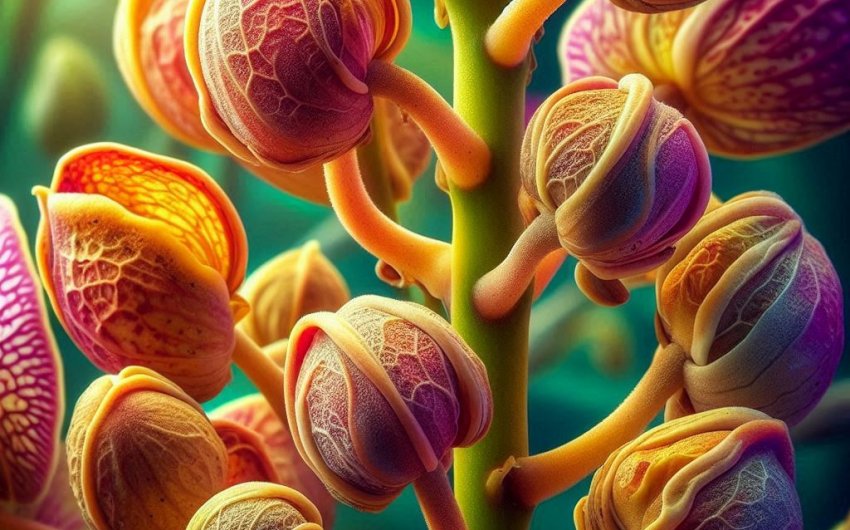
When your beautiful orchid develops buds only to drop them before they open, it's called bud blast, and it's a common and often frustrating problem for orchid owners. The primary reason orchids drop buds is a sudden change or instability in their environment. Orchids are quite sensitive, and once they start forming buds, they need consistent conditions to see them through to blooming.
The most common culprits behind orchid bud blast are sudden temperature swings, drafts, low humidity, or improper watering. Think of it as the plant getting stressed out. It decides it doesn't have enough resources or the right conditions to support blooming, so it aborts the buds to conserve energy. Pinpointing the exact cause usually involves reviewing your orchid's recent care and its immediate surroundings.
What are the most common environmental stressors that cause orchid buds to drop?
Environmental stressors are by far the leading cause of orchid buds dropping (bud blast). Orchids, especially popular varieties like Phalaenopsis (Moth Orchids), are very sensitive to their surroundings, particularly when they are in the delicate budding phase. Consistency is key for them to successfully bloom.
Here are the most common environmental culprits:
Sudden Temperature Swings or Extremes:
- Cold Drafts: This is perhaps the most frequent cause. Placing an orchid too close to an open window or door in cold weather, near an air conditioning vent, or even briefly exposing it to very cold temperatures during transport from a store to your home, can cause buds to yellow and drop. Orchids prefer temperatures generally between 60°F and 80°F (15°C to 27°C).
- Hot Drafts: Similarly, placing an orchid too close to a heat vent, radiator, or fireplace can cause the buds to dry out and drop due to excessive heat and often accompanying low humidity.
- Overnight Temperature Drops: While some orchids need a slight temperature drop at night to initiate blooming, a sudden or drastic drop (e.g., from a warm day to a very cold night) can stress developing buds.
Low Humidity:
Advertisement- Orchids are tropical plants and thrive in high humidity. Indoor environments, especially during winter when heating systems are running, often have very low humidity.
- When the air is too dry, the delicate bud tissue can dry out before it has a chance to fully develop and open. The buds might shrivel, turn yellow, or look crispy.
- Aim for humidity levels between 50% and 70%. Using a humidity tray or a room humidifier can help. An example is the LEVOIT Humidifiers for Bedroom Large Room.
Improper Watering (Both Under and Overwatering):
- Underwatering: If the orchid doesn't get enough water during the bud development phase, it conserves moisture by aborting the buds. The plant will prioritize its own survival over flowering. The buds might shrivel before dropping.
- Overwatering: Too much water, especially in a poorly draining pot or potting mix, can suffocate the roots, leading to root rot. Damaged roots can't supply enough water and nutrients to the developing buds, causing them to drop. The buds might turn mushy or discolored before falling.
Too Little or Too Much Light:
- Too Little Light: Orchids need sufficient light to develop healthy buds and flowers. If the light levels are too low during budding, the plant might not have enough energy to sustain the buds. The buds might turn pale or fail to develop properly.
- Too Much Direct Sun: Conversely, direct, intense sunlight can scorch the delicate buds and leaves, causing them to yellow, brown, and drop.
Ethylene Gas Exposure:
- Ethylene is a natural plant hormone that promotes ripening in fruits and can cause flowers to age rapidly or buds to drop.
- Sources include ripening fruits (especially apples and bananas), decaying plant material, smoke from cigarettes or fireplaces, and exhaust fumes.
- Keep your budding orchid away from fruit bowls and areas with significant air pollution.
By carefully evaluating your orchid's environment and recent care, you can often pinpoint which of these common stressors is causing the bud blast and make adjustments to ensure future successful blooms.
How does improper watering affect orchid bud development?
Improper watering, whether it's underwatering or overwatering, significantly impacts orchid bud development and is a common cause of bud blast. Orchids are very particular about their water supply, especially when they are putting energy into creating flowers.
Here's how each extreme affects them:
Underwatering:
When an orchid is underwatered during the budding phase, it means the plant isn't receiving enough moisture to support its normal functions, let alone the energy-intensive process of developing and opening flowers.
- Dehydration: The plant experiences dehydration. Water is crucial for transporting nutrients throughout the plant and for maintaining the turgor (firmness) of cells, including those in the delicate buds.
- Resource Conservation: Faced with a water deficit, the orchid's survival instinct kicks in. It decides to conserve its limited resources by aborting the buds, which are a luxury item compared to maintaining healthy leaves and roots.
- Symptoms: Buds will typically shrivel, dry up, turn yellow or brown, and then drop. The overall plant might look limp, shriveled, or dehydrated, with wrinkled pseudobulbs (if applicable) and limp leaves. The potting mix will be bone dry.
Overwatering:
Paradoxically, too much water can cause symptoms similar to underwatering because it damages the roots, preventing them from absorbing water.
- Root Suffocation: Orchid roots, especially those of epiphytic orchids (which grow on trees in nature), need air. If the potting mix stays wet for too long, the air pockets are replaced by water, suffocating the roots.
- Root Rot: Prolonged waterlogging creates an ideal environment for harmful fungi and bacteria to thrive, leading to root rot. Rotted roots are mushy, brown or black, and ineffective.
- Inability to Absorb Water/Nutrients: Even though the pot is full of water, the damaged or suffocated roots cannot absorb the water or essential nutrients the buds need. The plant effectively becomes dehydrated, similar to underwatering, but with wet roots.
- Symptoms: Buds may turn yellow, mushy, or discolored before dropping. The plant might look wilted or limp despite wet potting mix. The most telling sign is when you check the roots, they will be dark and soft. You might also notice a musty smell from the pot.
Proper Watering for Budding Orchids: To avoid both extremes, the key is to allow the orchid's potting mix to almost dry out between waterings but not become bone dry.
- Check the Media: Feel the weight of the pot; a light pot indicates dry media. Stick a wooden skewer or chopstick into the pot for 15-20 minutes; if it comes out damp, wait to water. Visible roots (if in a clear pot) should look silvery-gray, not green (when wet) or shriveled.
- Water Thoroughly: When you do water, soak the plant thoroughly until water drains completely from the bottom.
- Use the Right Potting Mix: Ensure your orchid is in a chunky, free-draining mix like rePotme Classic Phalaenopsis Orchid Mix and a pot with good drainage holes.
Consistent, appropriate watering is vital for orchid bud success.
How does humidity impact orchid bud blast?
Humidity has a profound impact on orchid bud blast because most cultivated orchids, especially Phalaenopsis, are epiphytes (meaning they grow on other plants, not in soil) native to tropical rainforests. In their natural habitat, they experience consistently high humidity levels. When moved into drier indoor environments, especially during the crucial budding phase, they can suffer.
Here's how humidity influences bud blast:
Direct Desiccation (Drying Out):
- Developing orchid buds are very delicate and contain a high percentage of water.
- In low humidity conditions, water rapidly evaporates from the surface of the buds. This process, called transpiration, occurs too quickly for the plant to replace the lost moisture, leading to the buds literally drying out.
- Symptoms: Buds will shrivel, wrinkle, turn yellow or brown, and become crispy before dropping. They look like they've been dehydrated.
Stomatal Closure and Reduced Photosynthesis:
- Plants regulate water loss through tiny pores on their leaves called stomata. In very dry conditions, orchids will close their stomata to conserve water.
- While this saves water, it also limits the intake of carbon dioxide, which is essential for photosynthesis (the process of making food).
- Reduced photosynthesis means the plant has less energy to support the demanding process of developing and opening flowers, leading it to abort the buds.
Overall Plant Stress:
- When an orchid is constantly in a low-humidity environment, it's under chronic stress. This general stress weakens the plant and makes it more susceptible to problems like bud blast, as it prioritizes its basic survival over flowering.
Ideal Humidity for Orchids: Most common orchids prefer relative humidity levels between 50% and 70%. Many homes, especially with heating or air conditioning running, can have humidity as low as 20-40%, which is insufficient for budding orchids.
Ways to Increase Humidity:
- Humidity Tray (Pebble Tray): Fill a tray with pebbles and add water to just below the top of the pebbles. Place the orchid pot on top of the pebbles (not in the water). As the water evaporates, it creates a more humid microclimate around the plant. You can use a large pebble tray for plants.
- Room Humidifier: For a more significant and consistent boost in humidity, especially in a dedicated plant area, a small room humidifier is highly effective. A small room humidifier can make a big difference.
- Grouping Plants: Grouping plants together can create a slightly more humid microclimate as they release moisture through their leaves.
- Avoid Misting Buds: While misting leaves can temporarily raise humidity, avoid misting the actual buds, as this can lead to fungal spots or rot on the delicate bud tissue.
Monitoring your humidity with a hygrometer (ThermoPro TP50 Digital Hygrometer Indoor Thermometer) and taking steps to increase it are crucial steps to prevent bud blast.
Can light levels cause orchid buds to drop?
Yes, light levels can definitely cause orchid buds to drop, whether there's too little or too much light. Orchids need the right amount and intensity of light to successfully develop and open their flowers.
Here's how improper light levels lead to bud blast:
Too Little Light:
- Insufficient Energy for Bud Development: Light is the energy source for photosynthesis, the process where orchids convert light energy into chemical energy (sugars) for growth and development. Developing buds and flowers is an energy-intensive process for the plant.
- Weak Budding: If an orchid isn't getting enough light, it simply won't have the energy reserves to sustain all the buds it initially sets. It will abort some or all of them to conserve energy for basic survival.
- Symptoms: Buds may fail to grow, turn pale, yellow, or simply stop developing before dropping. The overall plant might look leggy, with dark green but thin leaves.
Too Much Light (Direct Sun/Sunburn):
- Overheating and Desiccation: While orchids need bright light, most popular varieties (like Phalaenopsis) are native to dappled light environments, often under a tree canopy. Direct, intense sunlight, especially through a window, can cause the delicate bud tissue to overheat and dry out rapidly. This is essentially a form of sunburn.
- Damaged Tissues: Intense light can damage the chlorophyll in the buds and the tender bud scales, leading to cellular breakdown.
- Symptoms: Buds will often turn yellow or brown quickly, become shriveled or crispy, and drop. Leaves might also show signs of sunburn, such as bleached, yellow, or brown patches.
Ideal Light for Budding Orchids:
- Most orchids, especially Phalaenopsis, prefer bright, indirect light. This means a location where they receive plenty of light but are not exposed to direct, harsh sun, especially during the hottest parts of the day.
- An east-facing window is often ideal, providing gentle morning sun. A shaded south or west-facing window can also work, but monitor for signs of scorching.
- You can tell if the light is right by observing the leaves:
- Dark Green Leaves: Often indicate too little light.
- Olive Green with a Reddish Tint: Ideal light for Phalaenopsis.
- Yellow-Green or Bleached Leaves: Too much light.
If you suspect light issues, move your orchid to a more appropriate location. For insufficient light, consider adding a grow light like a GE Grow Light Bulb for Seeds and Greens to supplement natural light during budding. For too much light, use sheer curtains or move the plant further from the window.
Can exposure to ethylene gas cause orchid bud blast?
Yes, exposure to ethylene gas is a well-known cause of orchid bud blast. Ethylene is a naturally occurring plant hormone that plays a crucial role in the ripening of fruits and the aging (senescence) of flowers. While it's natural, excessive or prolonged exposure can be detrimental to developing orchid buds.
Here's why ethylene causes bud blast:
- Accelerated Aging: When orchid buds are exposed to ethylene, it signals them to accelerate their aging process. Instead of maturing and opening into flowers, the buds prematurely senesce (age and die).
- Abscission: Ethylene promotes the formation of an "abscission layer" at the base of the bud, which is essentially a weak point where the bud detaches from the flower stem.
- Rapid Deterioration: Buds exposed to ethylene often turn yellow quickly, then shrivel or look translucent, and drop, sometimes seemingly overnight.
Common Sources of Ethylene Gas in Homes:
- Ripening Fruits: This is the most common indoor source. Fruits like apples, bananas, tomatoes, and avocados release significant amounts of ethylene as they ripen. Keeping a fruit bowl near a budding orchid is a frequent culprit.
- Decaying Plant Material: Old, decaying flowers, leaves, or fruit on the orchid itself or nearby plants can also release ethylene. Promptly remove any spent blooms or yellowing foliage.
- Smoke: Smoke from various sources, including:
- Cigarette smoke: Tobacco smoke is a significant source of ethylene.
- Fireplaces or wood-burning stoves: Incomplete combustion produces ethylene.
- Kerosene or gas heaters: Unvented or poorly burning heaters can release ethylene.
- Exhaust Fumes: Car exhaust or other combustion byproducts (e.g., from a gas dryer or stove if ventilation is poor) contain ethylene.
- Newspapers and Cardboard: In some cases, the chemicals used in printing or manufacturing can release trace amounts of ethylene, though this is a less common and usually minor source compared to ripening fruit or smoke.
How to Prevent Ethylene-Induced Bud Blast:
- Keep Away from Fruit: Ensure your budding orchid is placed well away from fruit bowls or areas where fruits are ripening.
- Good Ventilation: Provide good air circulation around your orchid, especially if you have potential ethylene sources in your home.
- Avoid Smoke: Don't smoke near your orchids. Ensure good ventilation if using fireplaces or unvented heaters.
- Cleanliness: Regularly clean up any decaying plant material around your orchid.
Being mindful of these ethylene sources can significantly reduce the risk of your orchid's precious buds dropping prematurely.
Can temperature swings cause orchid buds to drop?
Yes, temperature swings are one of the most significant and frequent causes of orchid buds dropping, a phenomenon known as bud blast. Orchids, particularly Phalaenopsis, are very sensitive to their environment and prefer stable conditions, especially when they are in the delicate process of developing and opening flowers.
Here's how different temperature issues lead to bud blast:
Sudden Cold Exposure or Cold Drafts:
- This is often the primary culprit. Orchid buds are extremely vulnerable to cold.
- Sources: Placing an orchid near an unsealed window or door where cold air seeps in, near an air conditioning vent, or even a brief exposure to cold during transport from a store to your home (e.g., leaving it in a cold car for too long) can shock the plant.
- Impact: The delicate cells within the buds can be damaged by the cold. The plant's internal systems might slow down, or it might perceive the cold as an unfavorable survival condition, leading it to abort the buds to conserve energy.
- Symptoms: Buds will often turn yellow, then brown or black, shrivel, and fall off quickly.
Excessive Heat or Hot Drafts:
- While orchids are tropical, extreme heat is also detrimental.
- Sources: Placing an orchid too close to a heat register, radiator, fireplace, or even in direct, intense sunlight that overheats the plant can cause problems.
- Impact: High heat can rapidly dehydrate the delicate bud tissue. It can also stress the plant, causing it to abort buds as a survival mechanism.
- Symptoms: Buds may turn yellow, shrivel, become crispy, and drop.
Drastic Day-to-Night Temperature Fluctuations:
- Some orchids (like Phalaenopsis) do benefit from a slight drop in temperature at night (e.g., 5-10°F or 3-6°C lower than daytime temperatures) to help initiate flower spikes.
- However, a sudden or extreme drop (e.g., a 20°F+ swing) can shock the developing buds, causing them to blast. This can happen if a warm house suddenly gets very cold overnight, or if the plant is moved between very different temperature zones.
Ideal Temperature Range for Budding Orchids: Most common orchids prefer stable temperatures generally between 60°F and 80°F (15°C to 27°C). Avoiding extremes and rapid changes is crucial.
How to Prevent Temperature-Related Bud Blast:
- Stable Location: Choose a spot for your orchid that doesn't experience sudden drafts or extreme temperature changes. Keep it away from windows that get very cold, heating/cooling vents, and exterior doors.
- Insulate During Transport: If buying an orchid in cold weather, ensure it's well-wrapped for the journey home.
- Monitor Room Temperatures: If your home fluctuates widely, consider adjusting your thermostat to be more consistent during the budding phase.
- Use Thermometers: A simple indoor thermometer/hygrometer like the ThermoPro TP50 Digital Hygrometer Indoor Thermometer can help you monitor conditions in your orchid's spot.
By providing a consistent and appropriate temperature environment, you significantly increase the chances of your orchid's buds developing into beautiful blooms.
What is the role of potting mix in orchid bud blast?
The potting mix plays a significant, though indirect, role in orchid bud blast, primarily by influencing watering and root health. An improper potting mix can lead to either underwatering or overwatering, both of which stress the orchid and cause bud drop.
Here's how potting mix impacts bud blast:
Poor Drainage Leading to Overwatering/Root Rot:
- Dense, Fine Mixes: Many common household potting soils or fine-textured mixes are designed for terrestrial plants (those that grow in soil). If an epiphytic orchid (like Phalaenopsis, Cattleya, Oncidium) is planted in such a mix, it holds too much water and doesn't allow for enough airflow around the roots.
- Root Suffocation: Orchid roots, especially their velamen (the spongy outer layer), need air. In a waterlogged, dense mix, oxygen is replaced by water, suffocating the roots.
- Root Rot: Prolonged wetness promotes the growth of harmful fungi and bacteria, leading to root rot. Rotted roots are mushy, black or brown, and cannot absorb water or nutrients.
- Bud Blast: Even if you're watering regularly, if the roots are rotted, the plant is essentially dehydrated and starved of nutrients. It will then abort buds to conserve energy.
Too Fast Draining/Too Loose Leading to Underwatering:
- While less common, a potting mix that is too coarse or breaks down too quickly can also cause issues.
- Insufficient Moisture Retention: If the mix drains too quickly and you're not watering often enough, the roots may not have enough time to absorb adequate moisture, leading to chronic underwatering.
- Nutrient Leaching: Very coarse mixes can also allow nutrients to leach out too rapidly.
- Bud Blast: Consistent underwatering stresses the plant, forcing it to drop buds.
Broken Down or Degraded Mix:
- Over time, orchid potting mixes (which are often organic, like bark chips) break down. As they degrade, they become finer, denser, and hold more water.
- Increased Water Retention: A broken-down mix leads to the same problems as starting with a dense mix: poor drainage, reduced aeration, and a higher risk of root rot.
- Nutrient Imbalance: The breakdown process can also affect pH and nutrient availability.
Ideal Potting Mix for Orchids:
- Chunky and Airy: For most epiphytic orchids, use a chunky, free-draining orchid-specific potting mix. This typically includes large pieces of fir bark, charcoal, perlite, sphagnum moss (in moderation), or coconut husk chips. This blend provides excellent drainage and airflow around the roots.
- Freshness: Repot your orchid every 1-2 years, or when the mix starts to break down, to ensure good aeration and to refresh nutrients. You can find good quality mixes like rePotme Classic Phalaenopsis Orchid Mix.
By providing the correct potting mix, you create a healthy root environment that can properly supply water and nutrients to support the energy demands of budding and blooming, significantly reducing the risk of bud blast.
What is the right way to fertilize an orchid to prevent bud drop?
Fertilizing an orchid correctly is important for healthy growth and blooming, but improper fertilization can actually contribute to bud drop (bud blast). The key is to provide a balanced diet consistently, but avoid over-fertilizing, especially when the plant is budding.
Here's the right way to fertilize an orchid to prevent bud drop:
Use a Balanced Orchid-Specific Fertilizer:
- Orchids have unique nutrient needs. Use a fertilizer specifically formulated for orchids. A balanced formula like 20-20-20 or 10-10-10 is a good general choice. Some growers prefer "bloom booster" fertilizers (higher phosphorus, like 10-30-20) once a spike emerges, but balance is generally safest.
- An example is Orchid Love Orchid Food.
Dilute, Dilute, Dilute! ("Weakly, Weekly" or "Weakly, Bi-weekly"):
- This is the golden rule for orchid fertilization. Orchids are highly sensitive to fertilizer salts.
- Mix the fertilizer at half strength or even quarter strength of what the product label recommends for general houseplants.
- Frequency: Fertilize more frequently with this diluted solution. A common recommendation is "weakly, weekly" during the active growing season (spring and summer), or "weakly, bi-weekly" (every two weeks). Reduce or stop fertilizing during the dormant period (fall/winter, especially if no new growth or spike is present).
- During Budding: Continue to fertilize with a diluted solution during the bud development phase. Don't suddenly increase the strength, as this can shock the plant.
Flush with Plain Water Regularly:
- Fertilizer salts can build up in the potting mix over time, even with diluted solutions. This salt buildup can burn roots, leading to root damage and subsequently, bud blast (as damaged roots can't supply water/nutrients).
- How to Flush: At least once a month (or every few weeks if you fertilize weekly), water your orchid thoroughly with plain, clean water (distilled, RO, or rainwater if possible) before applying any fertilizer. Let copious amounts of water run through the pot to wash away accumulated salts. This "flushing" helps prevent salt buildup.
Avoid Fertilizing a Stressed or Dry Orchid:
- Never fertilize a dry orchid: Always water your orchid first with plain water. Fertilizing a dry plant can lead to severe root burn, which will cause bud blast and overall plant decline.
- Don't fertilize a sick or newly repotted orchid: Wait until the plant has fully recovered from stress or repotting and is showing signs of active, healthy new growth before resuming fertilization.
Monitor Your Orchid's Response:
- Observe your orchid. If you see browning leaf tips (a sign of fertilizer burn) or any other distress, reduce fertilizer strength and frequency, and flush the pot.
By following a consistent, diluted fertilization routine and remembering to flush regularly, you provide your orchid with the nutrients it needs to support healthy bud development without causing harmful salt buildup or shock.
What type of water is best for orchids to prevent bud blast?
The type of water you use can play a role in preventing orchid bud blast, though it's often a secondary factor compared to temperature, humidity, and proper watering frequency. The main concern with water quality is the buildup of mineral salts, which can harm roots over time and indirectly lead to bud drop.
Here's a breakdown of the best types of water for orchids:
Rainwater:
- Best Choice: Rainwater is often considered the ideal water for orchids. It is naturally soft, free of chlorine, fluoride, and dissolved mineral salts. It also contains trace amounts of nitrogen, which orchids can utilize.
- Collection: You can collect rainwater in clean barrels or containers. Just ensure it's not collected from a contaminated source or roof that might have harmful runoff.
Distilled Water or Reverse Osmosis (RO) Water:
- Excellent Alternatives: These waters are essentially pure H₂O, with almost all dissolved solids (minerals, chemicals) removed. They are great for orchids, as they eliminate the risk of mineral salt buildup.
- Availability: Distilled water can be bought in grocery stores, and RO systems can be installed at home. A home RO system like the APEC Water Systems RO-90 provides a continuous supply.
- Consideration: Since these waters contain no minerals, it's even more important to use a complete orchid fertilizer that provides all necessary nutrients, including micronutrients, if you're solely using distilled/RO water.
Tap Water (with precautions):
- Acceptable if Soft: If your tap water is naturally soft (low in dissolved mineral salts), it can be perfectly fine for orchids.
- Hard Water Issues: Hard water (high in minerals like calcium and magnesium) is problematic. Over time, these minerals build up in the potting mix, leading to:
- Salt Buildup: A white crust on the potting mix, pot, or roots. This salt buildup can burn sensitive orchid roots, making them unable to absorb water and nutrients, leading to bud blast and overall plant decline.
- pH Shift: Hard water can also cause the pH of the potting mix to rise over time, making some nutrients unavailable to the orchid.
- Chlorine/Chloramine: Tap water often contains chlorine or chloramine. For chlorine, letting the water sit out for 24 hours allows it to dissipate. Chloramine does not dissipate by sitting out, but it's generally considered less harmful to orchids than heavy mineral salts.
- Testing: If you're unsure about your tap water quality, you can test its "Total Dissolved Solids" (TDS) with a HM Digital TDS-3 Meter. A TDS reading under 100-150 ppm is generally considered good for orchids.
Why Water Quality Matters for Buds: When roots are stressed by poor water quality (e.g., salt buildup), they can't effectively supply the developing buds with the necessary water and nutrients. This stress will cause the plant to prioritize its own survival and abort the energy-intensive blooming process.
While not always the primary cause of bud blast, poor water quality can be a contributing stressor, especially over time. Switching to better quality water, especially if you have hard tap water, can significantly improve your orchid's overall health and blooming success.
How does physical damage or stress affect orchid buds?
Physical damage or stress directly to the orchid plant or its flower spike can absolutely cause orchid buds to drop. Orchids, particularly their delicate flower spikes and buds, are surprisingly fragile during development.
Here's how physical damage or stress leads to bud blast:
Direct Damage to Buds or Spike:
- Bumping or Knocking: Accidentally bumping or knocking the flower spike while watering, moving the plant, or simply walking by can bruise or damage the delicate buds, leading them to blast.
- Rough Handling: When handling the orchid for repotting or routine care, being too rough can injure the spike or buds.
- Pet or Child Interference: Curious pets (cats especially) or playful children can easily break or damage a budding spike.
- Impact: Even minor damage can disrupt the vascular system supplying water and nutrients to the bud, causing it to yellow, shrivel, and drop.
Moving the Plant (Environmental Shock):
- While not physical damage in the sense of a broken stem, a sudden change in orientation or environment can shock an orchid that's in bud.
- Sources: Moving an orchid from one room to another with different light, temperature, or humidity conditions, or rotating the plant drastically.
- Impact: The orchid needs to re-orient itself to the new light source, which takes energy. Coupled with other environmental changes, this can be enough stress to cause the buds to drop.
Pest Infestations:
- While pests are a direct biological stress, they cause physical damage by feeding on the plant tissue, including the buds.
- Common Pests: Mites (especially spider mites), thrips, and aphids are common culprits. They suck the sap from the buds.
- Symptoms: Besides bud drop, you might see tiny yellow or white spots on the buds, distorted bud shape, or even visible insects or fine webbing. The damaged buds will then shrivel and blast.
Disease (Less Common for Direct Bud Drop):
- While diseases like bacterial rot can affect the entire plant, they typically impact roots or leaves first. If the plant is severely diseased, it won't have the energy to sustain buds, and they will blast as a secondary symptom of overall plant decline. Fungal spots can sometimes appear on buds themselves if humidity is too high and air circulation is poor, leading to localized bud rot and drop.
How to Prevent Physical Damage/Stress-Induced Bud Blast:
- Stable Location: Once an orchid starts developing a flower spike, choose a permanent, undisturbed location for it and try not to move or rotate it until after blooming.
- Gentle Handling: Be extremely careful when watering, inspecting, or moving the plant. Support the flower spike if needed with an orchid stake and clips.
- Pest Control: Regularly inspect your orchid for pests, especially on the undersides of leaves and on new growth/buds. Treat infestations promptly with appropriate, gentle solutions like horticultural oil or insecticidal soap.
- Pet/Child Awareness: Place orchids out of reach of curious pets and small children.
Protecting the delicate buds from physical harm and minimizing environmental shock are crucial for a successful bloom.
Can a sudden change in pot orientation lead to bud blast?
Yes, a sudden change in pot orientation can certainly lead to bud blast in orchids. This falls under the category of environmental stress or "shock." Orchids are highly attuned to their light source, and when that source suddenly changes, it can disrupt their delicate processes, especially during the energy-intensive budding phase.
Here's why it happens:
- Light Re-orientation: Plants grow towards light (phototropism). Once an orchid develops a flower spike and its buds, it has already oriented its growth to receive optimal light from a particular direction. If you suddenly rotate the pot 90 or 180 degrees, the plant has to re-orient itself to the new light direction.
- Energy Drain: Re-orienting involves cellular adjustments and a redirection of growth hormones, which consumes valuable energy. During bud development, the orchid is already using a significant amount of its energy reserves for flowering. This additional stress can tip the balance, causing the plant to abort its buds to conserve energy for basic survival.
- Disruption of Hormonal Balance: The subtle shifts in light perception can also affect the plant's internal hormonal balance that governs bud development, leading to their premature drop.
Symptoms: The buds might yellow, shrivel, or simply stop developing and drop off. This often happens within a few days to a week after the pot has been rotated.
How to Prevent It:
- "Set It and Forget It": Once your orchid starts developing a flower spike, try to avoid moving or rotating the pot. Choose its spot carefully – one with consistent bright, indirect light – and leave it there.
- Mark the Pot: Some growers even put a small mark or sticky note on the side of the pot facing the light source to ensure they always put it back in the exact same orientation after watering or inspection.
- If You Must Move/Rotate: If you absolutely must move the plant (e.g., for cleaning or temporary display), try to return it to its original position and orientation as precisely as possible. For significant moves to a new environment (e.g., from a nursery to your home, or indoors for winter), understand that some bud blast might be inevitable due to the accumulated stress of environmental changes.
While rotating a plant is often recommended for even growth in non-budding plants, it's generally discouraged once an orchid has initiated a flower spike and certainly once buds begin to form, to prevent the frustrating issue of bud blast.