
How to treat leaf scorch in hydrangeas?
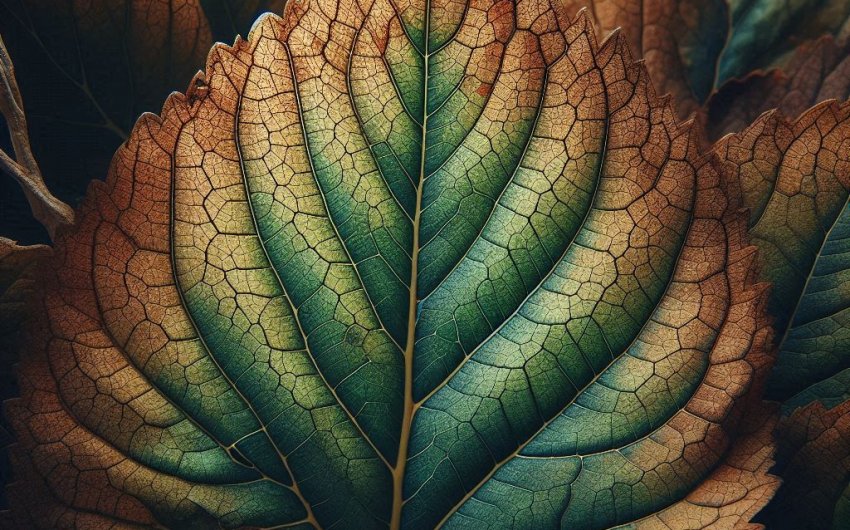
Leaf scorch in hydrangeas is primarily caused by insufficient water supply to the leaves, often during hot, sunny, or windy conditions. It's essentially the plant showing signs of severe dehydration, where the leaves lose water faster than the roots can take it up. The immediate treatment involves providing consistent and adequate moisture, especially during heatwaves.
To help a scorched hydrangea recover, focus on deep and regular watering, aiming for the root zone rather than just wetting the surface. Providing shade during the hottest part of the day is also crucial, either by relocating potted plants or using temporary shade cloths for in-ground hydrangeas. Improving soil health and applying mulch can further help retain moisture and reduce stress on the plant.
What are the early signs of leaf scorch on hydrangeas?
Catching leaf scorch on hydrangeas early is key to preventing more severe damage. The early signs are typically visual cues on the leaves that indicate the plant is struggling to get enough water to its foliage, especially when temperatures are high or it's windy.
Here are the early signs to look out for:
- Dull or Faded Green Color: One of the very first signs might be a general loss of vibrancy. The leaves may look less glossy and a slightly duller shade of green than usual. This suggests the plant is beginning to struggle with its internal water balance.
- Slight Wilting or Drooping: The leaves might appear somewhat limp or droopy, especially during the hottest part of the day. Unlike severe wilting where leaves completely collapse, this is often a subtle softening of the leaf turgor (firmness). If the leaves perk up noticeably after a good watering or as evening temperatures cool, it's a strong indicator of water stress.
- Yellowing Edges: Before the crisp browning sets in, the very edges of the leaves might start to turn a pale yellow. This is a subtle transition zone as the cells begin to dry out.
- Slight Browning or Bending of Leaf Tips/Edges: This is typically the first direct symptom of scorch. The tips or edges of the leaves will start to turn light brown and might even curl or bend slightly inwards or upwards. This browning is usually uneven and begins at the outermost parts of the leaf, which are the last to receive water.
- Crispy Texture at the Edges: If you gently touch the discolored areas, they might feel slightly brittle or crispy. This contrasts with the main part of the leaf, which might still feel soft and pliable.
If you observe any of these early signs, especially during a hot spell or after a period of neglect, it's a call to action. Promptly addressing the plant's water needs and providing protection from intense sun can often reverse these early symptoms and prevent more widespread damage.
What causes leaf scorch in hydrangeas?
Leaf scorch in hydrangeas is primarily a physiological problem caused by an imbalance between the water lost from the leaves and the water absorbed by the roots. Simply put, the leaves lose water faster than the plant can replenish it, leading to dehydration and cell damage.
Here are the main factors that cause leaf scorch:
Insufficient Water Supply (Drought Stress):
- Lack of Watering: This is the most straightforward cause. If hydrangeas don't receive enough water, especially during hot, dry periods, they will quickly become dehydrated.
- Competition: Other plants or tree roots nearby can outcompete the hydrangea for available water.
- Poor Watering Practices: Light, shallow watering encourages shallow roots. During stress, these shallow roots cannot access deeper moisture, making the plant more vulnerable.
High Temperatures and Intense Sunlight:
- Increased Transpiration: High temperatures drastically increase the rate of transpiration (water evaporation from the leaves). In full, direct sun, especially during the hottest part of the day, leaves can lose water incredibly quickly.
- Sunburn: Hydrangeas, particularly bigleaf ( Hydrangea macrophylla) and oakleaf (Hydrangea quercifolia) varieties, prefer morning sun and afternoon shade. Too much intense, direct afternoon sun can directly "burn" the leaf tissue, causing scorch.
Strong Winds:
- Accelerated Water Loss: Windy conditions, even if temperatures aren't extremely high, can rapidly strip moisture from leaves. The constant air movement increases the rate of transpiration, drying out the foliage faster than the roots can supply water.
Poor Root System or Root Damage:
- Newly Planted Hydrangeas: Plants that have just been transplanted often suffer from transplant shock. Their root systems are not yet established enough to efficiently absorb water from the surrounding soil, even if the soil is moist.
- Root Rot: Overwatering or poorly draining soil can lead to root rot, where roots become diseased and can no longer absorb water effectively. This ironically causes symptoms similar to underwatering (wilting, scorch).
- Physical Root Damage: Digging around the plant, construction, or compaction can damage roots, limiting their ability to supply water.
High Soil Salinity or Fertilizer Burn:
- Salt Accumulation: Excessive buildup of mineral salts (from hard water or over-fertilization) in the soil can draw water out of the roots rather than allowing absorption. This is a form of physiological drought, leading to scorch.
- Fertilizer Burn: Applying too much concentrated fertilizer can directly burn roots, inhibiting water uptake.
Essentially, anything that limits water uptake by the roots or excessively increases water loss from the leaves can lead to leaf scorch in hydrangeas. Understanding these causes helps you apply the correct treatment.
How to assess the severity of leaf scorch on your hydrangea?
Assessing the severity of leaf scorch on your hydrangea is important for determining the best course of action and understanding the plant's chances of recovery. It involves looking at the extent of the damage across the plant and the type of tissue affected.
Here’s how to assess the severity:
Observe the Extent of Yellowing/Browning:
- Mild: Only a few leaves show browning on the very edges or tips. The majority of the foliage remains green and healthy. The browning might be concentrated on leaves most exposed to sun or wind.
- Moderate: A significant number of leaves (e.g., 25-50% or more) show browning and crisping on their edges. The damage might extend further inward from the margins, but large central portions of the leaves are still green. Some wilting might be present even in cooler parts of the day.
- Severe: Most, if not all, leaves show extensive browning, crisping, and possibly curling. Large sections of entire leaves are affected, not just the edges. The entire plant might look severely wilted and stressed, even to the point where leaves feel dry and brittle. There might be visible branch dieback (browning of stems).
Identify Affected Leaves (New vs. Old):
- Older Leaves Only: If only the oldest, lowest leaves are affected, it might be due to root competition or a more gradual decline in water availability. It's often less severe than widespread damage.
- New and Old Leaves: If both new and old leaves are scorching, it indicates a more significant water stress issue affecting the entire plant's ability to hydrate.
Check Stem/Branch Health:
- Green, Flexible Stems: If the stems still look green and feel pliable (not brittle), the plant has a good chance of recovery, even if the leaves are severely scorched. The stems can store water and will often produce new leaves.
- Brown, Brittle Stems/Dieback: If stems are turning brown, shriveling, or feeling brittle and snapping easily, it indicates that the scorch has progressed beyond the leaves and has started to kill off branches. This is a sign of very severe stress and potentially widespread damage.
Examine Soil Moisture:
- Dry Soil: If the soil is bone dry, the problem is straightforward underwatering.
- Wet Soil (with scorch symptoms): If the soil is wet but the plant is scorching, it points to root rot or other root damage preventing water uptake. This is more serious.
What your assessment tells you:
- Mild/Moderate: Likely treatable with improved watering and immediate environmental adjustments. The plant will often recover within a few weeks with new growth.
- Severe (Leaves only): Recovery is still possible, but it will take longer, and the plant might look unsightly for a season. Focus on consistent, deep watering and shade.
- Severe (Stem dieback): This indicates a very high level of stress. Recovery is less certain, and affected branches may need to be pruned out. The long-term health of the plant might be compromised.
By carefully assessing the damage, you can tailor your treatment plan and have a realistic expectation for your hydrangea's recovery.
What is the immediate treatment for a scorched hydrangea?
The immediate treatment for a scorched hydrangea focuses on quickly rehydrating the plant and protecting it from the conditions that caused the scorch in the first place. Quick action can often prevent further damage and aid recovery.
Here's what to do immediately:
Provide Deep Watering (Immediately!):
- Slow and Steady: The most crucial step. Give the hydrangea a thorough, deep watering. Don't just sprinkle water on the surface. Water slowly at the base of the plant, allowing the water to penetrate deeply into the root zone. You want to moisten the soil to a depth of at least 6-8 inches.
- Repeat if Needed: Depending on how dry the soil was, you might need to water slowly again after an hour or two, especially if the soil was so dry it initially repelled water. Continue until the soil is thoroughly saturated.
- Avoid Overhead Watering: While tempting to spray the leaves, focus on the roots. Wet leaves in hot sun can exacerbate scorching or lead to fungal issues.
- For Potted Hydrangeas: If in a pot, ensure water drains from the bottom. If the pot is very dry, you can submerge the pot in a bucket of water for 20-30 minutes until bubbles stop, then let it drain completely.
Provide Immediate Shade:
- Relocate Potted Plants: If your hydrangea is in a pot, move it to a shadier location immediately, especially during the hottest part of the day (noon to 4 PM). A spot with morning sun and afternoon shade is ideal.
- Temporary Shade for In-Ground Plants: For hydrangeas planted in the ground, provide temporary shade. You can use a patio umbrella, a large cardboard box, or erect a temporary shade cloth, such as Coolaroo Shade Cloth, over the plant during peak sun hours. This reduces the leaves' water loss through transpiration.
Avoid Fertilizing:
- Do NOT fertilize a stressed plant. Fertilizer salts can draw water away from roots, exacerbating the dehydration. Wait until the plant shows clear signs of recovery (new, healthy growth) before considering any fertilization.
No Pruning of Scorched Leaves Yet:
- Resist the urge to immediately prune off scorched leaves. Even partially damaged leaves can still contribute to photosynthesis (making food for the plant) until they completely dry out or fall off naturally. The plant might also absorb some nutrients from these leaves as it recovers. Wait until the plant has stabilized and possibly pushed out new growth before pruning any completely dead, crispy leaves.
These immediate actions address the urgent need for water and protection, giving your hydrangea the best chance to recover from scorch. Follow up with long-term preventative measures.
How can proper watering techniques prevent future leaf scorch?
Proper watering techniques are the most effective way to prevent future leaf scorch in hydrangeas, as scorch is primarily a result of insufficient water reaching the leaves. Consistency and depth are key.
Here’s how to water your hydrangeas correctly to keep them hydrated and healthy:
Water Deeply and Thoroughly:
- Goal: The aim is to moisten the entire root zone, encouraging roots to grow deeper into the soil where moisture is more consistent. Shallow watering only wets the surface, leading to shallow, vulnerable roots.
- Method: Water slowly at the base of the plant using a soaker hose like a Gilmour Flat Soaker Hose, a drip irrigation system, or a watering can without spraying the foliage. Allow the water to soak in rather than running off.
- How Much: For mature hydrangeas, this often means 1-2 inches of water per week, or more during hot, dry, or windy periods. For newly planted hydrangeas, they need even more frequent deep watering to establish their root system.
- Check Depth: After watering, check the soil moisture depth using your finger or a trowel. You want it moist to at least 6-8 inches down.
Water Consistently (But Not Constantly Wet):
- Frequency: Hydrangeas generally prefer consistently moist, but not soggy, soil. The frequency of watering depends heavily on your climate, soil type, and the plant's size.
- Feel the Soil: The best indicator is to feel the soil. Water when the top 1-2 inches of soil begin to feel dry to the touch. Don't wait until the plant is visibly wilting, as that's already a sign of stress.
- Avoid Daily Sprinkling: Frequent, light watering does more harm than good as it encourages shallow roots and can lead to fungal issues.
Water in the Morning:
- Best Time: The ideal time to water hydrangeas is in the early morning. This allows the plant to absorb water before the heat of the day increases transpiration, and it gives any splashed foliage time to dry before nightfall, reducing the risk of fungal diseases.
- Avoid Evening Watering: Watering in the evening can leave foliage wet overnight, making it susceptible to powdery mildew or other fungal problems.
Adjust for Weather Conditions:
- Hot/Dry/Windy: Increase both the frequency and duration of watering during heatwaves, prolonged dry spells, or windy periods. These conditions accelerate water loss.
- Cool/Rainy: Reduce watering during cool, cloudy, or rainy weather to prevent overwatering and root rot.
Consider Mulch:
- Applying a 2-4 inch layer of organic mulch, such as shredded bark or compost, around the base of the hydrangea (keeping it a few inches away from the stem) helps retain soil moisture, regulate soil temperature, and suppress weeds that compete for water. This reduces the frequency of needing to water. You can use Garden-Ville Hardwood Mulch.
By consistently employing these watering techniques, you ensure your hydrangeas have a steady supply of moisture, making them much more resilient to the environmental stressors that cause leaf scorch.
What is the ideal light exposure for hydrangeas to prevent scorch?
The ideal light exposure for hydrangeas to prevent scorch depends largely on the specific type of hydrangea you have and your local climate. However, as a general rule, most hydrangeas prefer a location that offers a balance of sun and shade to thrive without scorching.
Here's a breakdown of ideal light exposure:
Morning Sun, Afternoon Shade (General Rule):
- This is the most widely recommended light exposure for most popular hydrangeas, especially the bigleaf hydrangeas (Hydrangea macrophylla), which include the mophead and lacecap varieties.
- Why it works: Morning sun is less intense and provides the necessary light for photosynthesis. Afternoon shade protects the leaves from the harsh, scorching rays of the late afternoon sun, which are typically the hottest and most damaging, especially in warmer climates.
- Symptoms of too much sun: Scorch on leaf edges, bleaching of leaf color, stunted growth, and constant wilting despite adequate watering.
Hydrangea Types and Their Sun Preferences:
- Bigleaf Hydrangeas (Hydrangea macrophylla) & Oakleaf Hydrangeas (Hydrangea quercifolia): These are the most sensitive to direct afternoon sun. They absolutely thrive with morning sun and afternoon shade. In cooler, northern climates, they might tolerate a bit more sun, but still benefit from afternoon protection.
- Panicle Hydrangeas (Hydrangea paniculata, e.g., 'Limelight', 'Vanilla Strawberry'): These are generally the most sun-tolerant hydrangeas. Many varieties can handle full sun (6+ hours of direct sun) in cooler climates, or full sun with some afternoon shade in hotter climates. Too little sun can cause them to become leggy and produce fewer flowers.
- Smooth Hydrangeas (Hydrangea arborescens, e.g., 'Annabelle', 'Incrediball'): These are also quite tolerant of sun, especially compared to bigleaf types. They can handle full sun in cooler zones but perform best with some afternoon shade in hotter climates to prevent scorch and wilting.
- Climbing Hydrangeas (Hydrangea petiolaris): These prefer partial to full shade, especially in warmer regions. Too much sun will quickly lead to scorch.
Climate Considerations:
- Cooler Climates (e.g., USDA Zones 4-6): Hydrangeas in these regions can generally tolerate more direct sun, sometimes even full sun, without scorching as the sun's intensity is lower and temperatures are milder.
- Warmer Climates (e.g., USDA Zones 7-9+): Afternoon shade becomes increasingly critical in these zones. The intensity of the sun and higher temperatures make hydrangeas more prone to scorch if exposed to direct afternoon rays.
How to Achieve Ideal Light Exposure:
- Planting Location: When planting, choose a spot on the east side of a house, fence, or large tree that provides natural afternoon shade.
- Temporary Shade: For existing plants, as an immediate treatment, you can use temporary shade cloth or an umbrella during the hottest part of the day.
- Strategic Planting: Consider planting taller, shade-casting plants (but far enough away to avoid root competition) to provide natural dappled light in the afternoon.
By understanding your specific hydrangea type and providing the appropriate light conditions for your climate, you can significantly reduce the risk of leaf scorch.
Can applying mulch help prevent hydrangea leaf scorch?
Yes, applying mulch is an incredibly effective and highly recommended practice to help prevent hydrangea leaf scorch. Mulch directly addresses the root (no pun intended!) of scorch by optimizing soil moisture and temperature conditions, reducing stress on the plant.
Here's how mulch helps prevent leaf scorch:
Moisture Retention (Most Important):
- Reduces Evaporation: A layer of organic mulch acts like a blanket over the soil surface. It significantly slows down the rate at which water evaporates from the soil, especially during hot, dry, or windy weather.
- Consistent Moisture: By retaining moisture, mulch helps ensure that the hydrangea's roots have a more consistent supply of water, even between waterings. This is crucial for a plant that dislikes drying out.
Temperature Regulation:
- Cooler Soil in Summer: Mulch insulates the soil. In summer, it keeps the soil temperature cooler, preventing roots from overheating and helping them absorb water more efficiently. Hot soil temperatures can stress roots and reduce their water uptake capacity.
- Warmer Soil in Winter: In colder months, mulch can also help moderate soil temperatures, providing some insulation against extreme cold.
Weed Suppression:
- Reduced Competition: Mulch smothers weeds, which compete with your hydrangea for water and nutrients. Fewer weeds mean more resources for your hydrangea.
Improved Soil Health (Organic Mulches):
- As organic mulches (like wood chips or compost) slowly break down, they add organic matter to the soil.
- Enhanced Soil Structure: This improves soil structure, making it more permeable for water penetration and better aerated for root growth, further enhancing the plant's ability to absorb water.
- Nutrient Release: It also gradually releases nutrients into the soil.
Type of Mulch to Use:
- Organic Mulches are Best: Shredded bark, wood chips, compost, or pine needles are excellent choices. They provide all the benefits mentioned above.
- Avoid Inorganic Mulches: While gravel or rocks can suppress weeds, they absorb and radiate heat, potentially making the soil hotter and exacerbating scorch issues for hydrangeas.
How to Apply Mulch:
- Layer Thickness: Apply a layer of organic mulch 2-4 inches deep around the base of the hydrangea.
- Avoid the Stem: Keep the mulch a few inches away from the actual stem or crown of the plant. Piling mulch directly against the stem can trap moisture, leading to rot.
- Extend to Drip Line: Extend the mulch layer out to the plant's drip line (the outer edge of its canopy) or even further to benefit the entire root zone.
Applying mulch is a simple, low-cost, and highly effective preventative measure that significantly contributes to a hydrangea's overall health and resilience against leaf scorch. You can find quality options like Scotts Nature Scapes Advanced Mulch.
When should you prune scorched hydrangea leaves?
Knowing when to prune scorched hydrangea leaves is important, as pruning too early can actually hinder the plant's recovery. Resist the immediate urge to cut them off.
Here's the guideline for pruning scorched leaves:
Do NOT Prune Immediately After Scorch Appears:
- Why not?: Even if leaves are partially browned or crispy, any remaining green tissue can still perform photosynthesis (make food for the plant). The plant is under stress, and every bit of energy-producing foliage is valuable for its recovery. Pruning healthy or partially healthy tissue will further stress the plant.
- Resource Reclamation: The plant might also be drawing nutrients back from the damaged leaves before it fully sheds them.
Wait Until the Threat Has Passed and the Plant Stabilizes:
- After providing immediate deep watering and shade, give the plant a few weeks to show signs of recovery.
- Wait until the peak heat/drought period has passed.
Prune When Leaves Are Completely Dead and Crispy:
- Clear Signs: Once a leaf is entirely brown, dry, and crispy all over, it's no longer performing any useful function for the plant. It's essentially dead tissue.
- Aesthetics and Airflow: At this point, you can prune these completely dead leaves for aesthetic reasons or to improve airflow around the plant. Use clean, sharp pruners, such as Fiskars Bypass Pruner.
- Focus on New Growth: Your main goal should be to encourage new, healthy growth.
Prune Any Dead or Dying Stems/Branches:
- If the scorch was severe and you notice entire stems or branches turning brown, shriveling, or becoming brittle, this indicates dieback.
- Timing: You can prune these dead stems back to healthy, green wood (where you see active buds or leaves) once the plant is no longer actively wilting and has started to show some signs of recovery.
- Check for Life: Scratch the bark gently with your fingernail; if it's green underneath, the stem is still alive. If it's brown, it's dead.
In summary: Be patient with scorched leaves. The plant knows best when to shed them. Focus on providing optimal conditions for recovery first. Pruning is largely for aesthetics once the recovery is underway and the affected leaves are truly dead.
What is transplant shock and how does it relate to leaf scorch?
Transplant shock is a common stress response in plants, including hydrangeas, after they have been moved from one location to another (e.g., from a nursery pot to the garden, or from one spot in the garden to another). It's directly related to leaf scorch because it impairs the plant's ability to absorb and transport water, making it highly susceptible to dehydration.
Here's the connection:
Root Damage During Transplanting:
- When a plant is dug up or removed from a pot, its root system inevitably suffers some damage. Fine feeder roots, which are crucial for absorbing water and nutrients, are often broken or severed.
- This damage immediately reduces the plant's capacity to take up water from the soil.
Imbalance of Water Uptake vs. Water Loss:
- After transplanting, the remaining leaves continue to transpire (lose water through evaporation), often at the same rate as before the move.
- However, the newly damaged and disturbed root system cannot absorb water quickly enough to replenish what's being lost from the leaves.
- This creates a severe water deficit within the plant.
Symptoms of Dehydration (Leaf Scorch):
- The plant's inability to supply enough water to its foliage manifests as wilting (especially in the heat of the day, even if the soil is moist) and leaf scorch (browning and crisping of leaf edges and tips).
- The leaves essentially "burn" from dehydration because they are not getting the internal cooling and hydration they need.
- Newly planted hydrangeas are especially prone to scorch due to transplant shock combined with exposure to a new, potentially harsher environment.
How to Mitigate Transplant Shock and Prevent Scorch:
- Proper Planting Time: Plant hydrangeas in the spring or fall when temperatures are moderate, reducing transplant stress. Avoid planting during peak summer heat.
- Prepare the Planting Hole: Dig a wide hole (2-3 times the width of the root ball) but not much deeper than the root ball. Amend the soil as needed for good drainage.
- Gentle Handling: Be very gentle with the root ball when placing the plant in the new hole. Avoid breaking up the root ball unnecessarily, unless it's severely pot-bound.
- Water Immediately and Deeply: Water the plant thoroughly immediately after planting.
- Consistent Watering: For the first 1-2 years after planting, newly transplanted hydrangeas need consistent, deep watering to help them establish their root system. Do not let them dry out. A Garden Hose with Nozzle can help deliver water precisely.
- Provide Temporary Shade: Especially during the first few weeks or months after transplanting, provide temporary afternoon shade using a shade cloth or a makeshift barrier, even if the mature plant is expected to tolerate more sun. This greatly reduces water stress on the recovering roots.
- Mulch: Apply a 2-4 inch layer of organic mulch to conserve soil moisture.
By taking these steps, you can significantly reduce the severity of transplant shock and protect your newly planted hydrangeas from leaf scorch.
Can high soil salinity cause leaf scorch in hydrangeas?
Yes, high soil salinity can absolutely cause leaf scorch in hydrangeas. While scorch is most often linked to direct water shortage or heat, high salt levels in the soil create a condition known as physiological drought, which starves the roots of water even when moisture is present.
Here's how high soil salinity leads to leaf scorch:
Osmotic Imbalance:
- Plant roots absorb water through a process called osmosis. Water naturally moves from an area of higher water concentration (in the soil) to an area of lower water concentration (inside the root cells).
- When the soil has a high concentration of dissolved salts, the water concentration in the soil becomes lower than that inside the root cells. This reverses the normal osmotic gradient. Instead of water moving into the roots, water can actually be drawn out of the roots and back into the soil.
- This effectively means the plant cannot absorb enough water, even if the soil itself feels moist. It's like trying to drink saltwater – it makes you more dehydrated.
Root Damage:
- High salt concentrations can also directly burn and damage sensitive plant roots. Damaged roots are inefficient at water and nutrient uptake.
Toxicity:
- In some cases, specific ions in the salts (like sodium or chloride) can become toxic to the plant when they accumulate in high concentrations in the leaves, further damaging leaf tissue.
Sources of High Soil Salinity:
- Over-fertilization: This is a very common cause, especially with synthetic fertilizers. If too much fertilizer is applied, or if it's applied when the soil is dry, the concentrated salts can burn roots. Liquid fertilizers like Miracle-Gro Water Soluble Azalea, Camellia, Rhododendron Food used at too strong a concentration can quickly lead to issues.
- Hard Water: If your irrigation water is very "hard" (high in dissolved minerals), these minerals can accumulate in the soil over time, especially in potted plants or in areas with poor drainage.
- Poor Drainage: In poorly draining soils, salts aren't flushed away and build up.
- Coastal Regions: In some coastal areas, saltwater spray or saline groundwater can contribute to high soil salinity.
Symptoms of Salt-Induced Scorch: The symptoms are very similar to classic water deficit scorch: browning and crisping of leaf edges and tips. You might also see a white crust forming on the soil surface or pot edges. The plant may show signs of general decline and stunted growth.
Treatment and Prevention of Salt-Induced Scorch:
- Leaching: If you suspect salt buildup, leach the soil. Water deeply and thoroughly with plain water (distilled or rainwater if possible) for a prolonged period, allowing copious amounts of water to drain through the soil to flush out excess salts. For potted plants, do this outside where the water can drain away freely.
- Fertilize Correctly:
- Always follow fertilizer label instructions carefully.
- Never apply fertilizer to dry soil. Water first.
- Consider using slow-release fertilizers or organic fertilizers, which release nutrients more gradually and are less likely to cause salt buildup.
- Improve Drainage: Ensure good drainage in pots and in the garden bed to prevent salt accumulation.
- Monitor Water Quality: If you have very hard tap water, consider using rainwater or distilled water for your hydrangeas.
By managing soil salinity, you can prevent a subtle but significant cause of leaf scorch and keep your hydrangeas healthy.
What is the difference between leaf scorch and common fungal diseases in hydrangeas?
It's easy to confuse leaf scorch with some common fungal diseases in hydrangeas because both can cause discolored or brown spots on leaves. However, they have distinct appearances, patterns, and underlying causes.
Here's how to tell the difference:
| Feature | Leaf Scorch | Common Fungal Diseases (e.g., Leaf Spot, Powdery Mildew) |
|---|---|---|
| Cause | Physiological: Insufficient water, excessive sun/wind, root issues, salt buildup. | Pathogenic: Fungi, often exacerbated by high humidity/poor air circulation. |
| Appearance | Browning/Crisping on Leaf Edges/Tips: Starts at margins, moves inward. Often uniform on affected leaves. | Distinct Spots: Usually roundish, irregular spots of brown, black, or purple (Leaf Spot) or a white, powdery coating (Powdery Mildew). |
| Texture | Dry, crispy, brittle areas. | Spots may be dry, or powdery mildew has a fuzzy, powdery feel. |
| Location on Leaf | Primarily edges and tips. Can affect entire leaves if severe. | Scattered spots across the leaf blade; powdery mildew is often on upper and lower surfaces. |
| Spread Pattern | Affects leaves most exposed to sun/wind or furthest from water source. More uniform plant-wide. | Spreads from spore to spore; often starts in dense, humid areas of the plant. |
| Presence of Fungal Growth | None. | Visible fuzzy or powdery growth on leaf surface (Powdery Mildew) or rings/halos (some Leaf Spots). |
| Environmental Factors | Hot, dry, sunny, windy conditions. | High humidity, poor air circulation, wet foliage (for leaf spot), or dry conditions (for powdery mildew). |
| Effect on Plant | Dehydration stress, can lead to defoliation or decline if severe. | Reduces photosynthesis, weakens plant; rarely kills established plants unless severe. |
| Odor | No distinct odor. | No distinct odor, though sometimes a faint musty smell with severe powdery mildew. |
Key Differentiating Points:
- Location of Damage: Scorch almost always begins on the edges and tips. Fungal spots are usually scattered, more circular, and can be anywhere on the leaf.
- Presence of Fuzz/Powder: If you see a white, powdery coating, it's almost certainly powdery mildew, not scorch. If you see distinct, often dark, spots without the fuzzy growth, it's likely a leaf spot fungus.
- Crispy vs. Soft/Fuzzy: Scorch feels dry and crispy. Fungal diseases might have different textures depending on the specific fungus (e.g., powdery, velvety).
Treatment Differences:
- Scorch: Focus on watering, shade, mulch, and correcting root issues/salt buildup.
- Fungal Diseases: Focus on improving air circulation, avoiding overhead watering, cleaning up fallen leaves, and potentially using fungicides if the infection is severe (e.g., Bonide Sulfur Plant Fungicide).
Accurate identification is crucial because treating scorch with a fungicide or a fungal disease with more water can worsen the problem. When in doubt, consulting a local extension office or plant expert is always a good idea.