Plant Problems Gardening Tips and Plant Care
Even the healthiest gardens sometimes face challenges—but identifying and solving plant problems quickly can save your greenery and keep your garden thriving. In our Plant Problems category at GardenBotany.com, we help you recognize common issues like pests, diseases, nutrient deficiencies, and environmental stress, offering clear, practical advice to get your plants back on track. From spotting early symptoms to implementing effective treatments, our guides simplify troubleshooting so you can maintain a lush, healthy garden, indoors and out.
Recent Posts of Plant Problems - Gardening Ideas
-

How to Prevent and Fix Blossom End Rot in Tomatoes?
To prevent and fix blossom end rot in tomatoes, you must address the primary cause: a lack of consistently available calcium to the developing fruit, which is most often due to inconsistent watering, rapid growth, or damaged roots rather than a soil deficiency. Ensuring consistent soil moisture and a stable growing environment are key solutions.
-
How to Identify and Treat Common Plant Diseases?
There’s nothing quite as disheartening as watching your beautiful plants, once vibrant and thriving, succumb to mysterious spots, wilting, or fuzzy growths. Plant diseases are a common challenge for gardeners, whether in a sprawling outdoor bed or a cozy indoor pot. They can weaken plants, reduce yields, and sometimes even lead to total plant loss. But don't despair! Understanding how to identify and treat common plant diseases is a fundamental skill that every gardener can learn.
-
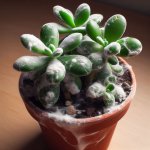
How to deal with white powder on jade plant?
Dealing with white powder on your jade plant typically involves identifying whether it's a pest issue like mealybugs or a fungal problem like powdery mildew. Once identified, apply targeted organic or chemical treatments and adjust environmental conditions to prevent recurrence and restore your jade's health.
-
Advertisement
-
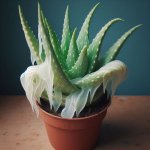
Why is my aloe vera turning mushy?
The Aloe Vera plant (Aloe barbadensis miller) is a household staple, cherished for its medicinal gel, striking succulent form, and reputation as an incredibly easy-to-care-for plant. It's often recommended for beginners and those who might forget to water regularly. So, it can be truly alarming and disheartening when you notice your resilient Aloe Vera turning mushy. Is it rotting? Is it beyond saving? Don't panic! Mushy Aloe Vera is a clear cry for help from your plant, and it's almost always a sign of a very common problem that, if caught early, can often be remedied.
-
How to fix leggy growth in tomato seedlings?
Starting tomato seedlings indoors is a fantastic way to get a head start on your garden season, ensuring strong, healthy plants ready for transplanting. There’s nothing quite like watching those tiny sprouts emerge! However, many gardeners, especially beginners, often encounter a common and frustrating problem: leggy tomato seedlings. These are seedlings that have long, thin, weak stems with sparse leaves, making them prone to toppling over and less likely to thrive. It’s disheartening to see your little plants reaching desperately for something they're not quite getting.
-
What causes black leaves on peace lilies?
The elegant Peace Lily (Spathiphyllum) is a favorite houseplant, beloved for its glossy green leaves, striking white spathes (which are often mistaken for flowers), and its reputation as an easy-care, air-purifying plant. It brings a touch of calm and sophistication to any indoor space. So, it can be quite alarming and concerning when you notice your beautiful Peace Lily leaves turning black. Is it dying? Are you doing something terribly wrong? Don't despair! Black leaves on Peace Lilies are a common cry for help from your plant, and usually, they're a clear signal that something in its environment or care routine needs immediate attention.
-
Why are my zz plant leaves curling?
If your ZZ plant leaves are curling, the most common reason is underwatering or low humidity, causing the plant to conserve moisture. Less frequently, it could indicate too much direct light or a pest infestation. Promptly identifying the specific cause is key to restoring your ZZ plant's flat, healthy foliage.
-
How to treat mealybugs on succulents?
Succulents are incredibly popular for their striking beauty, unique shapes, and relatively easy-care nature. Their ability to store water in their fleshy leaves makes them resilient and fascinating additions to any home or garden. However, even these tough plants can fall victim to pests, and one of the most frustrating and persistent is the dreaded mealybug.
-
Why is my pothos losing variegation?
The Pothos plant (Epipremnum aureum) is a beloved houseplant, famous for its easy-care nature and beautiful trailing vines. Many popular varieties, like 'Marble Queen', 'N'Joy', 'Golden Pothos', and 'Manjula', are prized for their stunning variegation – those lovely splashes, streaks, or patches of white, cream, or yellow against the green. This variegation adds a vibrant pop to any indoor space, making the plant truly shine. So, it can be quite disheartening when you notice your once brightly variegated Pothos slowly start producing leaves that are more green, or even entirely green. Why is my Pothos losing variegation?
-
How to Fix Brown Tips on Your Spider Plant Leaves?
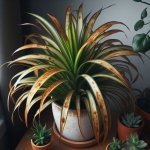
The classic spider plant (Chlorophytum comosum) is a beloved houseplant for a reason. Its arching, variegated foliage and adorable "spiderettes" (baby plants) make it a charming addition to any home. They're often hailed as easy-care and perfect for beginners. So, it can be quite perplexing and disheartening when you notice your otherwise thriving spider plant starting to develop brown tips on its leaves. Is it sick? Are you doing something wrong? Don't worry, you're not alone! Brown tips on spider plants are a very common issue, and usually, they're easy to fix once you know the cause.