
How to Prevent and Fix Blossom End Rot in Tomatoes?
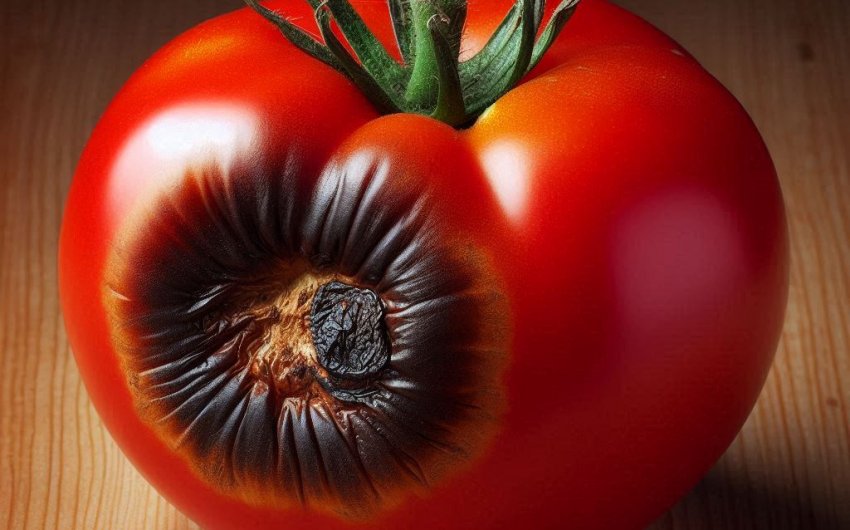
To prevent and fix blossom end rot in tomatoes, you must address the primary cause: a lack of consistently available calcium to the developing fruit, which is most often due to inconsistent watering, rapid growth, or damaged roots rather than a soil deficiency. Ensuring consistent soil moisture and a stable growing environment are key solutions.
What is Blossom End Rot and Why Does It Happen?
Blossom end rot in tomatoes is a common and frustrating physiological disorder that affects many gardeners. It's not a disease caused by a pathogen, but rather a nutrient deficiency within the fruit itself. Understanding its root causes is the first step to effective prevention and management.
What Does Blossom End Rot Look Like?
Blossom end rot appears as a dark, sunken, leathery spot on the blossom end (bottom) of the tomato fruit, opposite where the stem is attached.
- Initial Appearance: It usually starts as a small, watery, discolored spot.
- Progression: The spot quickly expands, becoming dark brown or black, sunken, and leathery in texture.
- Location: Always at the blossom end of the fruit.
- Internal Damage: The rot can extend deep into the fruit, making that portion of the tomato unusable.
- Affected Fruits: It typically affects the first fruits on a plant, especially early in the season when conditions are fluctuating, or during rapid growth spurts.
Why Does Blossom End Rot Occur?
The direct cause of blossom end rot in tomatoes is a localized calcium deficiency in the developing fruit. This means that the fruit isn't getting enough calcium to form its cell walls properly, leading to the breakdown of tissue.
However, it's crucial to understand that this deficiency is almost never due to a lack of calcium in the soil. Calcium is abundant in most garden soils. The problem is usually with the plant's ability to take up and transport calcium efficiently to the rapidly growing fruits.
Here are the primary reasons why calcium transport issues arise:
Inconsistent Watering (The #1 Cause):
- Calcium is absorbed by the roots and moves through the plant with water. If watering is inconsistent (periods of drought followed by heavy watering), the plant struggles to transport enough calcium to the rapidly expanding fruits.
- During dry spells: Water movement slows, limiting calcium uptake.
- During rapid growth/heavy watering: The plant prioritizes sending water (and thus calcium) to rapidly transpiring leaves, leaving less for the fruit.
- This is especially common in containers, raised beds, or during heat waves.
Rapid Plant Growth:
- Periods of very fast growth (often due to excessive nitrogen fertilizer, warmth, or heavy watering after a dry spell) can lead to blossom end rot.
- The leaves transpire (release water) at a high rate, pulling most of the available water and calcium towards them. The developing fruits, which have lower transpiration rates, get left behind.
Root Damage:
- Anything that damages the roots (e.g., cultivation too close to the plant, root-knot nematodes, planting stress) can impair the plant's ability to absorb water and calcium.
Soil pH Extremes:
- While rare, if soil pH is extremely low (acidic) or extremely high (alkaline), calcium might be present in the soil but become unavailable for plant uptake. Tomatoes prefer a pH of 6.0 to 6.8.
Cool Soil Temperatures:
- Early in the season, if soil temperatures are too low, root activity can be slowed, reducing nutrient uptake.
Varietal Susceptibility:
- Some tomato varieties are naturally more prone to blossom end rot, particularly larger, elongated, or paste tomatoes (e.g., Roma, Celebrity, Big Boy). Cherry tomatoes are generally less susceptible.
It's vital to remember that adding more calcium directly to the soil (e.g., eggshells, calcium supplements) is rarely the solution if your soil already has sufficient calcium. The real problem is usually a water management issue that hinders calcium transport. Understanding this will empower you to effectively prevent and fix blossom end rot in tomatoes.
How Can I Prevent Blossom End Rot in Tomatoes?
Preventing blossom end rot in tomatoes is far more effective than trying to fix it once it appears. The key strategies revolve around ensuring consistent soil moisture, providing a stable growing environment, and promoting healthy root development.
Core Prevention Strategies:
Consistent Watering (Most Important!):
- Deep and Regular: Provide deep, consistent watering, especially during dry spells and when fruits are beginning to form. Aim for at least 1-1.5 inches (2.5-4 cm) of water per week, either from rain or irrigation.
- Avoid Fluctuations: Prevent the soil from drying out completely between waterings, followed by sudden heavy watering. This roller coaster of moisture is the leading cause.
- Watering Frequency: Water slowly and deeply. Depending on your soil and climate, this might mean watering every other day or every 2-3 days, rather than light daily sprinkles.
- Drip Irrigation/Soaker Hoses: These are highly recommended. They deliver water directly and consistently to the root zone, minimizing evaporation and keeping foliage dry, which also helps prevent fungal diseases. A Drip Irrigation Kit can be a great investment.
Use Mulch:
- Apply a 2-4 inch (5-10 cm) layer of organic mulch (straw, shredded leaves, wood chips, untreated grass clippings) around the base of your tomato plants.
- Benefits: Mulch helps to:
- Conserve soil moisture by reducing evaporation.
- Regulate soil temperature, keeping it cooler in summer and warmer in spring.
- Suppress weeds, reducing competition for water and nutrients.
- Adds organic matter to the soil over time.
Proper Planting and Site Selection:
- Avoid Root Damage: Be very careful when planting and cultivating around tomato plants. Avoid deep tilling or digging near established plants to prevent damaging their root systems, which are essential for water and nutrient uptake.
- Acclimatize Transplants: If starting tomatoes indoors, harden them off gradually (expose them to outdoor conditions incrementally) before planting them permanently in the garden. This reduces transplant shock.
- Warm Soil: Plant tomatoes when soil temperatures are consistently above 60°F (15°C). Planting too early in cold soil can stunt root development and uptake.
Balance Fertilization:
- Avoid Excess Nitrogen: Too much nitrogen fertilizer can promote lush leafy growth at the expense of fruit production. This rapid vegetative growth can also exacerbate blossom end rot by directing too much water and calcium to the leaves instead of the developing fruits.
- Use Balanced or Low-Nitrogen Fertilizer: Opt for a balanced fertilizer or one with slightly higher phosphorus (P) and potassium (K) once fruits start to set. A good organic choice for fruiting vegetables is Espoma Tomato-tone.
- Amend with Compost: Incorporate plenty of well-rotted compost into your soil before planting. Compost provides a steady supply of nutrients, including calcium, in a slow-release, plant-available form.
Check Soil pH:
- While rare, extremely acidic (below 5.5) or alkaline (above 7.5) soil can make calcium unavailable.
- Solution: Perform a soil test. Tomatoes prefer a pH of 6.0 to 6.8. Adjust if necessary with lime (to raise pH) or elemental sulfur/peat moss (to lower pH).
Choose Resistant Varieties:
- Some tomato varieties are naturally more susceptible to blossom end rot, particularly large-fruited and elongated/paste types. Cherry tomatoes are generally more resistant.
- If you consistently struggle with it, consider planting varieties known for their resistance to blossom end rot.
By focusing on these preventative measures, especially consistent watering and proper soil management, you can dramatically reduce the likelihood of blossom end rot in tomatoes and ensure a healthy, productive harvest.
How Can I Fix Blossom End Rot If It Appears?
Even with the best preventative measures, blossom end rot in tomatoes can sometimes appear. While you can't "fix" the already affected fruits, you can take steps to remedy the underlying cause and ensure future fruits develop healthily.
Immediate Steps to Take:
Remove Affected Fruits:
- The first and most important step is to remove all affected fruits from the plant immediately. These fruits will not recover, and they represent a drain on the plant's resources.
- Removing them allows the plant to focus its energy and calcium transport on newly forming fruits.
- Dispose of them, do not compost if the rot has led to secondary fungal or bacterial issues.
Adjust Watering Immediately (If Inconsistent):
- This is the most common and effective "fix" if your watering has been inconsistent.
- Implement a consistent watering schedule: Provide deep, thorough watering regularly. This means watering enough so that moisture penetrates deep into the root zone, then allowing the top inch or two to dry slightly before watering again.
- Frequency: Depending on your climate, soil type, and plant size, this could be daily or every other day during hot, dry periods, or every 2-3 days in milder weather. The goal is even moisture, not a wet-dry cycle.
- Use Mulch: If you haven't already, apply a 2-4 inch (5-10 cm) layer of organic mulch (straw, shredded leaves, etc.) around the base of your plants. This helps immensely with soil moisture consistency and temperature regulation.
Check Soil Moisture (Seriously!):
- Don't just assume. Use your finger to feel the soil 2-3 inches deep. Or better yet, invest in a soil moisture meter (like a Moisture Meter for Plants). This will give you an objective measure of when your plants truly need water.
Provide Calcium Supplement (Short-Term/Foliar Spray - Use with Caution):
- While soil calcium is usually sufficient, rapid growth or severe inconsistency might mean the fruits aren't getting it fast enough.
- Foliar Calcium Spray: A quick, but temporary, fix can be a foliar spray of calcium chloride or a calcium nitrate solution. Dilute according to product instructions and spray on the leaves (both top and bottom) and developing fruits.
- Important Note: Foliar sprays are a band-aid solution. They provide calcium directly to the leaves, which might transfer some to fruits, but they do not address the underlying issue of inconsistent water uptake by the roots. You must still fix your watering practices.
- Frequency: Apply every 5-7 days as new fruits form.
- Caution: Too much foliar spray can burn leaves. Always follow label directions.
- Avoid Epsom Salts: Epsom salts provide magnesium, not calcium, and will not help blossom end rot.
Review Fertilization Practices:
- If you've recently applied a high-nitrogen fertilizer (which promotes leafy growth), stop using it.
- Switch to a balanced fertilizer or one with slightly higher phosphorus (P) and potassium (K) (like a 5-10-10 or specific tomato food) once fruits have begun to set. This helps balance the plant's growth towards fruit production.
What to Expect After Intervention:
- Patience is Key: It takes time for the plant to recover and for new, healthy fruits to develop.
- Affected Fruits Remain Affected: Any fruit that already shows signs of blossom end rot will not recover. They should be removed.
- New Fruits Should Be Healthy: If you successfully address the underlying cause (usually consistent watering), new fruits that develop after your interventions should be healthy and free of rot.
By acting quickly and, most importantly, addressing the root cause of inconsistent calcium delivery to the fruits, you can effectively fix blossom end rot in tomatoes and salvage the rest of your season's harvest.
Can Soil Amendments Help Prevent Blossom End Rot?
Understanding the role of soil amendments is key to the overall prevention strategy for blossom end rot in tomatoes. While the core issue is usually water consistency, a healthy, balanced soil provides the best foundation for robust plant growth and nutrient uptake.
How Soil Amendments Can Contribute to Prevention:
Compost (Highly Recommended):
- Role: Well-rotted compost is the gold standard for improving soil health. It's not just a fertilizer; it's a soil conditioner.
- Benefits:
- Improves Drainage: In heavy clay soils, compost helps break up compaction, allowing water to drain more efficiently and preventing waterlogging.
- Enhances Water Retention: In sandy soils, compost acts like a sponge, increasing the soil's ability to hold onto moisture, which helps maintain consistent water availability.
- Provides Nutrients (including Calcium): Compost contains a wide array of micronutrients, including plant-available calcium, released slowly over time. This provides a steady supply for healthy growth.
- Supports Microbial Life: A healthy soil microbiome improves nutrient cycling and makes nutrients more available to plants.
- Application: Incorporate a generous 2-4 inch (5-10 cm) layer of compost into the top 6-12 inches (15-30 cm) of your garden bed before planting. Top-dress annually.
Bone Meal:
- Role: A slow-release organic source of phosphorus and calcium.
- Benefits: Provides calcium in an available form over time. Its phosphorus content also supports root development, which aids in water and nutrient uptake.
- Application: Mix into the soil at planting time according to package directions.
- Caution: Don't rely solely on bone meal if your soil already has adequate phosphorus, as excess phosphorus can sometimes interfere with the uptake of other micronutrients.
Gypsum (Calcium Sulfate):
- Role: Provides calcium and sulfur. It's often used to improve soil structure, especially in sodic (high sodium) clay soils, where it helps loosen the soil and improve drainage without significantly changing pH.
- Benefits: Directly adds calcium. Improves soil structure, which can enhance water movement and root growth.
- Application: Incorporate into the soil at planting or as a top-dressing.
- Caution: Primarily used for soil structure issues or confirmed calcium deficiency in soil (rare).
Eggshells / Crushed Oyster Shells (Less Effective for Immediate Fix):
- Role: Pure calcium carbonate.
- Benefits: Adds calcium to the soil.
- Caution: These break down very, very slowly, especially if not finely ground. Their calcium is typically not readily available to plants in the short term, meaning they are unlikely to prevent blossom end rot in the current growing season if the problem is inconsistent watering. They are a long-term soil amendment for general calcium levels.
Agricultural Lime (Calcitic Lime):
- Role: Adds calcium and raises soil pH.
- Benefits: If your soil test shows low pH and low calcium, calcitic lime is an appropriate amendment.
- Application: Apply based on soil test recommendations.
- Caution: Do not apply lime indiscriminately. If your pH is already in the optimal range (6.0-6.8) or too high, adding lime will worsen the problem by making other nutrients unavailable.
Important Takeaways on Soil Amendments:
- Test Your Soil First: This cannot be emphasized enough. A soil test will tell you precisely what your soil needs. Without it, you might be adding unnecessary nutrients or worsening an existing imbalance.
- Compost is Your Best Friend: For the average gardener, consistently incorporating well-rotted compost is the most effective and safest way to improve soil health, fertility, and drainage, thereby creating the optimal conditions to prevent blossom end rot in tomatoes.
- Amend for Soil Health, Not Just for Blossom End Rot: While these amendments provide calcium, their primary benefit is often improving soil structure and overall fertility, which indirectly aids in consistent water and nutrient uptake. The direct "fix" for blossom end rot remains consistent watering.
By nurturing healthy soil through appropriate amendments, you lay a strong foundation that supports robust tomato plants, significantly reducing the risk of blossom end rot in tomatoes.
Can Potting Medium and Container Size Affect Blossom End Rot?
Yes, the potting medium and container size play a significant role in the likelihood of blossom end rot in tomatoes, especially for plants grown in containers. These factors directly influence soil moisture consistency and root health, which are critical to calcium uptake.
How Potting Medium Affects Blossom End Rot:
Water Retention vs. Drainage:
- Ideal Potting Mix: A good potting mix for tomatoes (especially in containers) needs to strike a balance between good drainage and sufficient water retention. It should drain freely but hold enough moisture to keep the roots consistently hydrated.
- Poorly Draining Mixes: Heavy, dense potting mixes (or garden soil used in pots) can become waterlogged. This suffocates roots, damages them, and impairs their ability to absorb water and calcium, even if water is present.
- Too Fast-Draining Mixes: Some mixes drain too quickly, leading to rapid drying out, which creates the very inconsistent moisture conditions that cause blossom end rot.
- Solution: Use a high-quality, lightweight potting mix specifically formulated for containers (not garden soil). You can amend it with perlite (for drainage) or coco coir (for moisture retention) if needed. A good choice is FoxFarm Ocean Forest Potting Soil for its balance.
Nutrient Availability (Including Calcium):
- While most potting mixes contain initial nutrients, these deplete over time.
- Solution: Ensure your potting mix is fresh (don't reuse old, depleted mix) and supplement with slow-release organic fertilizers or compost throughout the season, as needed. Some high-quality mixes come pre-fortified with calcium.
How Container Size Affects Blossom End Rot:
Container size is exceptionally important when growing tomatoes at home, particularly in relation to blossom end rot.
Limited Root Space:
- Problem: Tomatoes are heavy feeders and develop extensive root systems. If the container is too small, the roots quickly become root-bound. A root-bound plant struggles to absorb enough water and nutrients, especially calcium, to keep up with the demands of rapidly growing fruits.
- Solution: Choose a sufficiently large container from the start.
Rapid Drying Out:
- Problem: Smaller containers hold less soil volume, which means they dry out much faster than larger containers or in-ground beds. This rapid drying leads to extreme fluctuations in soil moisture (wet-dry cycles), which is the primary trigger for blossom end rot.
- Solution: Larger containers provide more thermal mass and a greater reservoir of moisture, making it easier to maintain consistent soil hydration.
Recommended Container Sizes for Tomatoes:
- Minimum for most indeterminate varieties: 15-20 gallon (approx. 57-76 liters) or a container at least 18-24 inches (45-60 cm) in diameter.
- Minimum for determinate/bush varieties: 10-15 gallon (approx. 38-57 liters) or a container at least 15-18 inches (38-45 cm) in diameter.
- For patio or dwarf varieties: A 5-gallon (approx. 19 liters) bucket or a 12-14 inch (30-35 cm) pot might suffice, but will still require very vigilant watering.
Tips for Container-Grown Tomatoes to Prevent BER:
- Choose the Right Size Pot: Don't skimp on size! This is perhaps the biggest factor for containers.
- Quality Potting Mix: Use a premium mix.
- Consistent Watering: This is even more critical in containers. Water deeply and frequently, potentially daily in hot weather. Consider self-watering containers or drip irrigation.
- Mulch: Apply a 1-2 inch (2.5-5 cm) layer of mulch to the top of the container soil to reduce evaporation.
- Avoid Over-Fertilizing Nitrogen: Especially true in containers where nutrient concentration can build up quickly.
By selecting an appropriate potting medium and, crucially, a large enough container, you create a more stable moisture environment and support healthy root growth, significantly reducing the risk of blossom end rot in tomatoes grown in pots.
How Can Environmental Factors Influence Blossom End Rot?
Beyond watering and soil, various environmental factors play a significant role in the occurrence of blossom end rot in tomatoes. Understanding these influences helps gardeners make informed decisions to mitigate the problem.
Key Environmental Factors:
Temperature Fluctuations:
- Problem: Extreme and sudden swings in temperature, particularly from very hot days to cool nights, can stress tomato plants. This stress can disrupt the plant's metabolic processes and its ability to consistently transport water and calcium to developing fruits.
- Solution:
- Plant at Optimal Temperatures: Ensure you plant tomatoes when soil temperatures are consistently warm (above 60°F or 15°C) to allow for good root establishment.
- Mulch: Helps regulate soil temperature, buffering against rapid heating and cooling.
- Shade Cloth (in extreme heat): In regions with intense, prolonged summer heat, a temporary shade cloth during the hottest part of the day can reduce plant stress and slow transpiration, allowing for more even calcium distribution.
Soil Temperature:
- Problem: Very cool soil temperatures (early in the season) can reduce root activity, making it harder for the plant to absorb water and calcium effectively, even if both are present in the soil.
- Solution:
- Planting Time: Wait until soil temperatures are consistently warm before transplanting.
- Warm Up Soil: For early planting, consider using black plastic mulch or row covers to warm the soil before planting.
Humidity:
- Problem:
- Very Low Humidity: In arid climates or during dry, windy conditions, plants transpire (lose water from leaves) very rapidly. This can pull water and calcium preferentially to the leaves, leaving fruits deficient.
- Very High Humidity: While less common for blossom end rot, extremely high humidity can reduce transpiration. If roots are unhealthy, this can also indirectly affect calcium movement.
- Solution:
- Consistent Watering and Mulch: These are the primary defenses against rapid transpiration in low humidity.
- Location: Try to provide some windbreak for plants in very windy, dry areas.
- Problem:
Wind:
- Problem: Constant strong winds can increase the rate of transpiration from leaves, similar to low humidity. This can put stress on the plant and deplete water rapidly, leading to inconsistent water supply to fruits.
- Solution:
- Location: Plant tomatoes in a sheltered spot, if possible, or provide a temporary windbreak (e.g., a temporary fence or taller companion plants) for exposed areas.
- Staking/Caging: Support your tomato plants well (with stakes or cages) to prevent wind stress and stem breakage. A good option is sturdy Tomato Cages for Garden.
Overcrowding:
- Problem: Planting tomato plants too close together can lead to competition for water, nutrients, and airflow. Stressed, overcrowded plants are more susceptible to various issues, including blossom end rot.
- Solution: Ensure proper spacing between plants according to variety recommendations. This allows for adequate root development, air circulation, and access to resources.
By understanding and proactively managing these environmental factors, you can create a more stable and favorable growing environment, significantly reducing the occurrence of blossom end rot in tomatoes. This holistic approach reinforces that managing blossom end rot is about much more than just calcium in the soil.