
Can I compost coconut husks and shells?
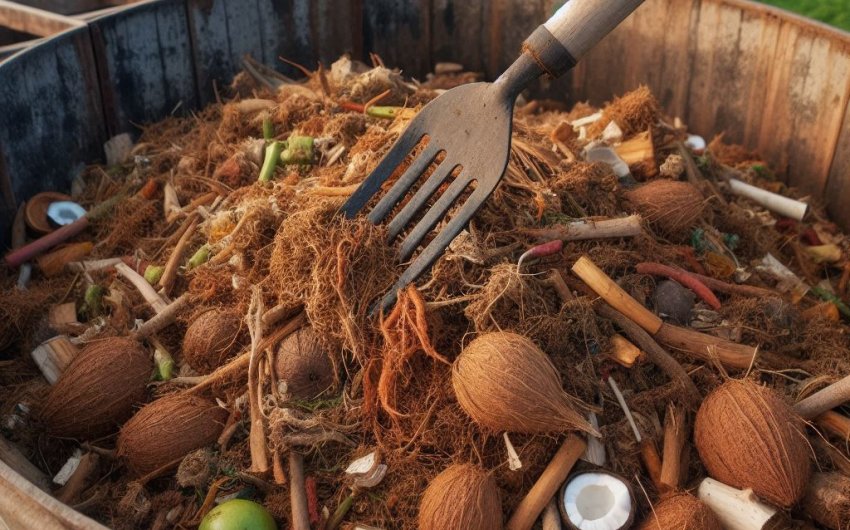
If you enjoy fresh coconuts, you know that once you've cracked them open and enjoyed the delicious water and flesh, you're left with a tough, fibrous husk and a hard, woody shell. Many gardeners and compost enthusiasts look at these leftovers and wonder: Can I compost coconut husks and shells? It's a great question, as turning kitchen and garden waste into rich, dark compost is a fantastic way to nourish your plants and reduce landfill waste.
The short answer is yes, you can compost coconut husks and shells. However, it's not quite as simple as tossing them in whole. They are tough materials and require a bit of extra effort to break down properly. But with the right approach, you can turn these tropical discards into valuable organic matter for your garden. Let's explore how to successfully add coconut husks and shells to your compost pile.
Why Compost Coconut Materials?
Composting is like magic for your garden. It takes kitchen scraps and yard waste and turns them into a super-rich soil amendment called compost. Compost improves soil structure, helps soil hold water, and provides nutrients to plants. So, why specifically bother composting coconut husks and shells?
Rich in Organic Matter
Coconut materials, like husks and shells, are made of a lot of organic matter. When they break down, they add valuable bulk and structure to your compost. This helps create a fluffy, rich compost that improves heavy clay soils by making them lighter and improves sandy soils by helping them hold water better.
Good Carbon Source ("Brown" Material)
In composting, we talk about "greens" and "browns."
- Greens are nitrogen-rich materials like fresh grass clippings, fruit and vegetable scraps, and coffee grounds. They get the compost pile hot.
- Browns are carbon-rich materials like dry leaves, straw, and wood chips. They provide the bulk and structure and help balance the greens.
Coconut husks and shells are definitely "brown" materials. They are high in carbon and relatively low in nitrogen. Adding them helps balance out your "green" kitchen scraps and keeps your compost pile from becoming too wet and smelly.
Excellent Water Retention (Once Broken Down)
You might have heard of coco coir (coconut fiber) being used as a growing medium. That's because it's fantastic at holding water. Once coconut husks and shells break down in your compost, they contribute to the compost's ability to retain moisture. This means your garden soil, when mixed with this compost, will stay moist longer, which is great for plants, especially during dry spells.
Sustainable and Reduces Waste
Every bit of waste we can divert from landfills helps the planet. If you're enjoying coconuts, composting their husks and shells is a very sustainable practice. Instead of throwing them away, you're turning them into a valuable resource for your garden. It closes the loop and supports an eco-friendly lifestyle.
What Are the Challenges of Composting Coconut Materials?
While the benefits are clear, it's important to know the challenges before you start tossing whole coconut shells into your compost bin. These materials are designed to protect the coconut seed, and they're very good at it!
Hard and Fibrous: Slow to Decompose
This is the biggest challenge. Coconut husks are incredibly fibrous, and the shells are very hard and woody. They are built to withstand harsh conditions, which means they take a long, long time to break down naturally.
- If you put a whole coconut shell in your compost, it might still be recognizable a year later, or even two!
- The tough fibers resist decomposition by microbes and fungi, the tiny helpers that do all the work in your compost pile.
Lack of Surface Area
Composting works best when materials have a lot of surface area. The smaller the pieces, the more places for microbes to attack and break them down. A whole coconut husk or shell has very little exposed surface area compared to its volume. This further slows down the decomposition process.
Moisture Balance Issues (Initial)
While finished coco coir is great at holding water, whole coconut husks can sometimes resist absorbing moisture at first, especially if they are very dry. This can make them slow to get involved in the composting process.
How to Prepare Coconut Husks and Shells for Composting?
To overcome the challenges, the key is proper preparation. You need to help nature out a bit by breaking down these tough materials before they even enter the compost pile.
1. Shred, Chip, or Chop Them Up – This is Crucial!
This is the most important step for composting coconut materials effectively. You absolutely must break them into much smaller pieces.
- Shredding Husks: The fibrous husks can be very difficult to shred at home. If you have access to a heavy-duty wood chipper or shredder wood chipper shredder, that would be ideal for breaking down the fibrous husks. However, most home gardeners don't have this.
- Chopping with Hand Tools: For the average home gardener, a hatchet, machete, or very sturdy pruning shears heavy duty pruning shears can be used to chop the husks into smaller pieces, but be very careful as this can be labor-intensive and potentially dangerous. Aim for pieces no larger than 1-2 inches.
- Hammering Shells: The hard shells can be smashed with a hammer large hammer. Place them in a sturdy bag (like a burlap sack) first to contain the pieces. Again, be very careful and wear safety glasses. Aim for pieces that are 1 inch or smaller if possible.
- Blender (Wet Husks/Flesh): If you're dealing with freshly opened coconuts, some people have had success roughly chopping the softer, wetter husks and then processing them in a high-powered blender with water (essentially making a slurry) before adding them to the compost. This is messy but very effective.
The goal is to increase the surface area so that microbes can get to work faster. Think about how long a whole tree branch takes to rot compared to wood chips – it's the same principle.
2. Soak Them (Optional, but Recommended for Dry Materials)
If your coconut husks and shells are very dry, they might initially repel water in your compost pile. Soaking them before adding them can help them absorb moisture and integrate better into the composting process.
- Soak in water: Submerge the chopped pieces in a bucket of water for 24-48 hours. This helps them become fully saturated and more appealing to the composting microbes.
- Compost Tea (Optional): Some people soak them in a weak solution of compost tea or even a bit of diluted urine (a nitrogen source) to give them a microbial kickstart.
3. Mix with "Green" Materials
Coconut materials are "browns" (carbon-rich). For efficient composting, you need a good balance of browns and greens (nitrogen-rich materials).
- Layering: When adding your prepared coconut pieces to the compost pile, layer them with "green" materials like kitchen scraps (fruit and vegetable peels, coffee grounds, tea bags), fresh grass clippings, or fresh plant trimmings.
- Ratio: Aim for roughly a 2:1 or 3:1 ratio of browns to greens by volume. This provides the right carbon-to-nitrogen balance for rapid decomposition. The "greens" provide the nitrogen that helps the microbes break down the "browns."
How to Optimize Your Compost Pile for Coconut Materials?
Even with proper preparation, you'll want to ensure your compost pile is running efficiently to break down tough materials like coconut.
1. Maintain Moisture Levels
Compost needs to be moist, like a wrung-out sponge.
- Don't Let It Dry Out: If your pile gets too dry, decomposition will slow down or stop.
- Don't Let It Get Waterlogged: If it's too wet, it can become slimy and smelly.
- Regular Watering: You might need to water your compost pile, especially during dry spells or if you're adding a lot of dry "brown" materials.
2. Turn Your Compost Regularly
Turning the compost pile does a few important things:
- Aeration: It adds air (oxygen) to the pile, which is essential for the helpful microbes that break down organic matter. Without enough oxygen, the pile can become anaerobic (without air) and smelly.
- Mixing: It mixes the different materials, ensuring that greens and browns are well distributed and that all parts of the pile get exposed to the active decomposition zone.
- Moisture Distribution: Helps spread moisture evenly.
Turn your pile once a week or every few weeks, especially if you're trying to speed up decomposition. A compost turning fork can make this task easier.
3. Consider a Hot Compost Pile
If you want the fastest breakdown, you'll need a hot compost pile. This requires:
- Right Size: A pile that is at least 3x3x3 feet (1 cubic meter) in size. This volume helps retain heat.
- Good Carbon/Nitrogen Ratio: As mentioned, a good balance of browns and greens.
- Regular Turning and Moisture: Consistent turning and moisture.
A hot compost pile can reach temperatures of 130-160°F (55-70°C), which significantly speeds up decomposition, even for tough materials. You can measure the temperature with a compost thermometer.
4. Be Patient (Even with Preparation)
Even with all the right steps, coconut husks and shells will take longer to break down than softer materials like fruit scraps or leaves. Expect them to take several months, or even up to a year, to fully decompose, especially if you can't shred them into very tiny pieces. You might find some recognizable pieces in your finished compost. If so, simply toss them back into your next batch of compost.
What Are Other Uses for Coconut Husks and Shells (If Not Composting)?
If you don't have the tools or patience to properly prepare coconut husks and shells for composting, or if you just have too many, there are other ways to use them in the garden or around the house.
Garden Mulch (Larger Pieces)
Larger chunks of coconut husk can be used as a coarse mulch around trees and shrubs.
- Moisture Retention: They will help retain soil moisture.
- Weed Suppression: They can suppress weeds.
- Slow Decomposition: They will break down very slowly, but that also means they will last a long time as mulch.
They don't provide as many quick nutrients as finer compost, but they are great for soil conditioning and water conservation.
Potting Medium (Coco Coir Substitute)
You can turn finely shredded coconut husk (essentially homemade coco coir) into a component of your potting mix.
- Water Retention: It's excellent for holding moisture and providing good aeration for roots.
- Drainage: It also helps with drainage, preventing root rot.
You'd need a very powerful shredder to get the fine consistency of commercial coco coir. However, coarser pieces can still be mixed into potting soil for specific plants that appreciate good drainage and aeration. You can find coco coir blocks commercially if you want to experience the benefits without making your own.
Crafts and Decorations
Coconut shells are hard and beautiful. Many people use them for crafts.
- Planters: Hollowed-out halves of coconut shells can make unique, natural-looking small planters for succulents or air plants.
- Bird Feeders: With a little drilling and string, you can turn a half-shell into a rustic bird feeder.
- Bowls or Cups: Polished shells can even be used as decorative bowls or cups. You can find coconut shell bowls already made.
Biochar (Advanced)
For advanced gardeners or those interested in more complex methods, coconut shells can be used to make biochar. Biochar is charcoal created by burning organic material in a low-oxygen environment.
- Soil Amendment: When added to soil, biochar improves soil structure, water retention, and nutrient holding capacity. It's also thought to promote microbial life.
Making biochar safely requires specific equipment and knowledge, so it's not a beginner-friendly option, but it's an interesting way to utilize the shells.
In conclusion, composting coconut husks and shells is definitely possible and beneficial for your garden. The key is to prepare them properly by breaking them into small pieces and integrating them into a well-managed compost pile. With a little effort and patience, you can transform these tough tropical discards into a valuable resource that will enrich your soil and help your garden thrive!