
Is it safe to compost avocado pits and skins?
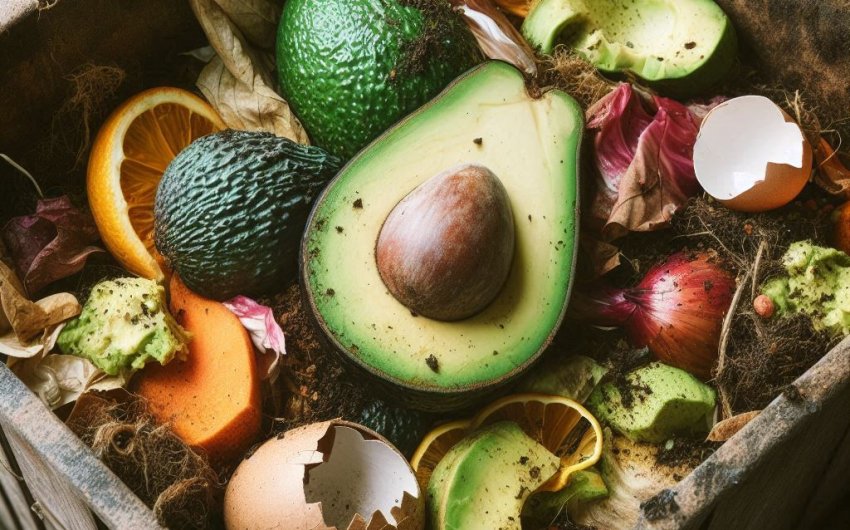
Avocados are a popular and delicious fruit, enjoyed in everything from guacamole to salads. But after you've scooped out the creamy green flesh, you're left with a large, hard pit and a thick, often dark skin. If you're a keen composter, you've probably wondered: Is it safe to compost avocado pits and skins? And if so, what's the best way to do it?
The good news is, yes, it is generally safe to compost avocado pits and skins. They are organic materials that can break down and contribute valuable nutrients and organic matter to your compost. However, like with coconut husks and shells, they present a few challenges due to their toughness and slow decomposition rate. With a little preparation, you can turn these avocado discards into garden gold. Let's dig into how to compost them effectively and safely.
Why Compost Avocado Waste?
Composting is an eco-friendly practice that turns organic waste into a rich, dark soil amendment. By diverting kitchen scraps from landfills, you reduce waste and create a natural fertilizer for your plants. Adding avocado pits and skins to your compost pile offers several benefits.
Rich in Organic Matter
Like most plant materials, avocado pits and skins are made of organic matter. When they break down, they add valuable bulk and structure to your compost. This improves the overall quality of your finished compost, making it better for your garden soil. Organic matter helps sandy soils hold more water and nutrients, and it helps heavy clay soils become lighter and drain better.
Good Carbon Source ("Brown" Material)
In the world of composting, we categorize materials as "greens" (nitrogen-rich) and "browns" (carbon-rich).
- Greens are typically fresh, moist materials like fruit and vegetable scraps, grass clippings, and coffee grounds. They provide the nitrogen that fuels the decomposition process and gets the pile hot.
- Browns are drier, tougher materials like dry leaves, wood chips, straw, and cardboard. They provide the carbon, which is the main building block for the finished compost, and add bulk and aeration to the pile.
Avocado skins and especially pits fall into the "brown" category due to their tough, woody nature and high carbon content. Adding them helps balance out your wetter "green" kitchen scraps, which is important for preventing your compost pile from becoming too wet, compacted, and smelly. A good balance helps maintain proper airflow and encourages healthy microbial activity.
Contains Nutrients for Soil
While they are mostly carbon, avocado pits and skins do contain a range of nutrients that are beneficial for soil and plants. These include small amounts of potassium, phosphorus, calcium, and magnesium. As they decompose, these nutrients are released into the compost, enriching it for your garden.
Sustainable Waste Reduction
Composting avocado waste is a great way to reduce your household's overall waste. Instead of throwing these tough bits in the trash, you're giving them a second life as a valuable garden resource. It's a simple step that contributes to a more sustainable lifestyle and helps close the loop on your food consumption.
What Are the Challenges of Composting Avocado Pits and Skins?
While composting avocado waste is safe, it's not always straightforward. The biggest hurdles come from the physical characteristics of the pit and skin.
Hardness and Density of the Pit
The avocado pit is very dense and hard. It's designed to protect the embryo inside and survive until conditions are right for germination. This toughness means it breaks down extremely slowly in a typical home compost pile.
- If you throw a whole pit into your compost, you'll likely find it largely intact months, or even a year, later.
- Its smooth, hard surface also offers very little area for microbes to begin their work.
Fibrous Nature of the Skin
Avocado skins are thick and fibrous, especially compared to softer fruit and vegetable peels. While not as tough as the pit, they still take longer to decompose than, say, a banana peel or an apple core. They can sometimes retain their shape for a surprisingly long time in a slower compost pile.
Sprouting Pits
Sometimes, if conditions are just right (warmth and moisture), an avocado pit might decide to sprout in your compost pile instead of breaking down. While a little avocado seedling isn't harmful, it means the pit isn't decomposing, and you'll just have to pull it out and re-add it or plant it elsewhere if you wish.
Persin Content (Minor Concern)
Some people worry about persin, a fungicidal toxin found in avocado leaves, bark, and fruit skin/pit. This substance is harmful to some animals (like birds, rabbits, and goats) in large quantities. However, the amount in the pit and skin of an edible avocado variety (like Hass) is very low. More importantly, persin breaks down rapidly during composting and is rendered harmless. So, for a healthy compost pile, this is generally not a concern for your plants or the animals that might eventually interact with the finished compost.
How to Prepare Avocado Pits and Skins for Composting?
To ensure your avocado waste breaks down efficiently and contributes fully to your compost, some preparation is highly recommended. The goal is to increase the surface area for microbes to work on.
1. Chop or Shred the Skins
Avocado skins are easier to manage than the pits.
- Chop into Small Pieces: The best way to help them break down faster is to simply chop them into small pieces (1-2 inches) with a knife before adding them to your compost bin.
- Blend (Optional): For a faster breakdown, you can even toss them into a blender with other wet kitchen scraps and a little water to create a slurry. This significantly increases their surface area.
2. Break Down the Pits – This is Essential!
This is where the real effort for composting avocado waste lies. A whole pit will take an extremely long time.
- Chop or Crush: The most effective method is to chop or crush the pit into smaller pieces. This requires some effort.
- Hammer: Place the pit in a sturdy bag (like a cloth bag or burlap sack) to contain the pieces, then use a hammer large hammer to smash it into fragments. Be sure to wear safety glasses to protect your eyes from any flying bits.
- Strong Knife: A very sharp, heavy-duty knife on a sturdy cutting board can be used to chop pits, but this requires significant force and extreme caution.
- Food Processor (High-Powered): Some very powerful food processors can handle avocado pits, but this can dull blades and strain the motor if not done carefully. Test with a small piece first.
- Grate (More Effort, Faster Breakdown): For even faster decomposition, you can grate the avocado pit. A sturdy box grater (the largest holes) can work. This creates a large amount of surface area, and the grated pieces will break down relatively quickly. This is labor-intensive but highly effective.
Aim for pieces that are as small as possible, ideally 1/2 inch or smaller. The smaller the pieces, the faster they will decompose.
3. Add to a "Hot" Compost Pile
If you're aiming for the quickest breakdown of tough materials like avocado pits and skins, add them to a well-managed hot compost pile.
- Optimal Conditions: A hot pile maintains temperatures between 130-160°F (55-70°C), which drastically speeds up the activity of microbes and fungi responsible for decomposition.
- Balance: Make sure your pile has a good balance of "greens" (nitrogen-rich, like fresh food scraps or grass clippings) and "browns" (carbon-rich, like dry leaves or shredded paper). The carbon-to-nitrogen ratio is key for heat.
- Moisture: Keep the pile consistently moist, like a wrung-out sponge.
- Aeration: Turn the pile regularly (every few days to a week) to introduce oxygen and redistribute heat and moisture. A compost aerator can help if you don't want to use a pitchfork as often.
Even in a hot compost pile, fully intact avocado pits would take a very long time. Pre-shredding or crushing them is still the most critical step.
4. Mix Well into the Pile
Don't just dump your avocado waste on top.
- Bury It: Always bury kitchen scraps, including avocado pits and skins, in the center of your compost pile. This helps with decomposition, prevents attracting pests, and keeps odors down.
- Distribute Evenly: When turning your compost, try to distribute the avocado pieces evenly throughout the pile to ensure they are fully incorporated and exposed to active microbial areas.
How Long Do Avocado Pits and Skins Take to Decompose?
The decomposition time for avocado pits and skins can vary widely depending on how well you prepare them and the conditions of your compost pile.
Whole Pits: Very Long Time
- If you put a whole avocado pit into a cold or slow compost pile, it could take anywhere from 6 months to 2 years or even longer to fully break down. You will likely find intact or barely broken-down pits when your compost is otherwise finished. You'll just have to toss them back into a new batch.
Shredded Skins: Medium Time
- Chopped avocado skins in a well-managed, warm compost pile might break down in 2-4 months. In a slower, cold pile, they could take 6 months or more.
Crushed or Grated Pits: Faster Time
- Crushed or grated avocado pits in a hot, active compost pile could break down in 3-6 months. In a slower pile, they might still take 6-12 months.
The more effort you put into breaking them down initially, the faster they will decompose in your compost pile. Patience is key when dealing with these tougher materials.
Other Uses for Avocado Pits (If Not Composting)
If composting the pits feels like too much work, or if you just want to try something different, here are a couple of popular alternatives for avocado pits:
Growing an Avocado Plant
The most common alternative is to grow a new avocado plant from the pit.
- Method: Suspend the pit in water with toothpicks, or plant it directly in potting mix, with the wide end down and the top half exposed. Place it in a warm, sunny spot.
- Result: While it's fun to watch them sprout, most avocado plants grown from pits don't produce fruit, or they take many years to do so, especially in non-tropical climates. It's more of a houseplant or a fun experiment.
Crafts and Dye
Avocado pits can be used for various creative projects:
- Natural Dye: Believe it or not, avocado pits can be boiled to create a lovely pinkish-brown natural dye for fabrics.
- Carving: Their hard, woody nature makes them suitable for carving small ornaments or beads.
Ultimately, composting avocado pits and skins is a perfectly safe and beneficial practice for your garden. While they require a bit more effort in terms of preparation (especially the pits), the resulting compost will be richer in organic matter and nutrients. By chopping, crushing, and mixing them into an active compost pile, you'll be successfully turning your avocado waste into a valuable resource, contributing to a healthier, more sustainable garden.