
How do I compost spoiled milk and dairy waste safely?
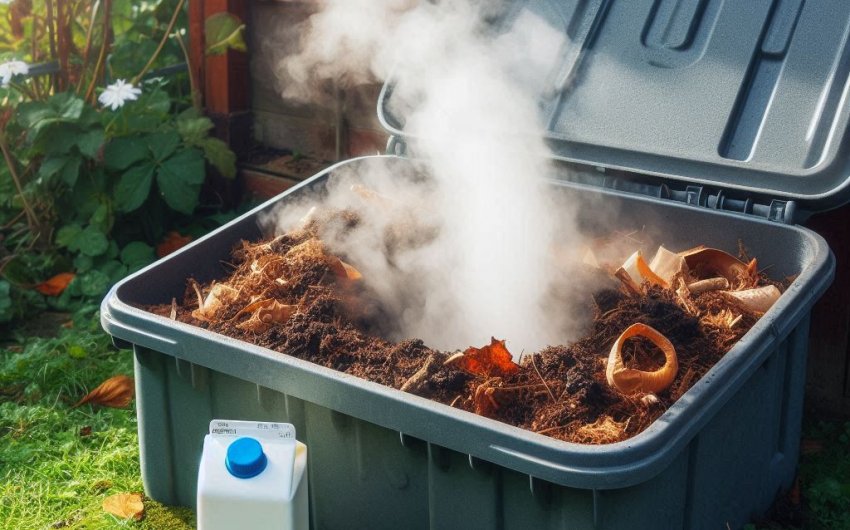
You've cleaned out your fridge, and there it is: that carton of milk that went sour, or a bit of yogurt past its prime, maybe some cheese rinds. If you're into composting, your first thought might be, "Can this go in the compost bin?" Many gardeners are told to avoid dairy products in their compost, and for good reason if not done correctly. But here's the secret: with the right approach, you can actually compost spoiled milk and dairy waste safely and turn it into rich, valuable compost for your garden.
It's a bit different from composting fruit peels or dry leaves. Dairy products are high in fats and proteins, and if not managed properly, they can cause problems. However, when done correctly, they add nitrogen and beneficial nutrients to your compost pile. This guide will walk you through the safest and most effective ways to include these items, so you can divert more waste from landfills and enrich your soil.
Why Do People Usually Avoid Composting Dairy?
Before we dive into how to do it safely, let's understand why dairy products often get a bad rap in the composting world. These concerns are real, especially for casual or open compost piles.
Odor and Pests
This is the number one reason. Dairy products, being high in fats and proteins, can break down in a way that creates strong, unpleasant smells.
- Rotten Milk Smell: Think of the smell of rotten milk or cheese. This is due to anaerobic decomposition (breakdown without enough oxygen) and the production of compounds that are very stinky.
- Attracts Pests: These strong odors, along with the rich, fatty nature of dairy, are highly attractive to unwanted visitors. We're talking about:
- Rats and Mice: They love fatty food scraps and can quickly become a nuisance.
- Flies: Especially fruit flies and house flies, which can lay eggs and infest your compost.
- Raccoons and Opossums: Larger critters are also drawn to the smell and can make a mess of your compost pile.
For an open compost pile, or one that's not actively "cooking" at high temperatures, these risks are significant.
Slow Decomposition of Fats
Fats and oils are generally slower to break down in a compost pile compared to carbohydrates (like fruit peels) or simple proteins. While they will eventually decompose, large quantities of fatty dairy can slow down the overall composting process if not managed correctly.
Risk of Pathogens (Minor for Home Composting)
While commercial composting facilities can reach very high temperatures that kill most harmful bacteria, a typical home compost pile might not always get hot enough. There's a theoretical, though minor, risk of pathogens (like E. coli or Salmonella) surviving if the dairy doesn't reach sufficient temperatures. However, for most home gardeners, this isn't a primary concern unless you're composting large amounts of spoiled dairy from a very sick animal, which is highly unlikely. The main concern remains odor and pests.
What Types of Dairy Waste Can Be Composted?
When we talk about dairy waste, we're referring to a range of products. Knowing what falls into this category helps you decide what to collect for your compost.
- Spoiled Milk: This is the most common. Whether it's milk that's gone sour, or the last bit in a carton you couldn't finish.
- Yogurt: Plain, flavored, Greek – any kind.
- Cheese: Rinds, moldy bits, or small pieces of cheese that have gone bad. Avoid very large chunks of hard cheese, which are slower to break down.
- Sour Cream, Buttermilk, Cottage Cheese: These are also dairy products rich in fats and proteins.
Avoid liquid dairy in very large quantities (like an entire gallon of milk every day) as this can make your compost pile too wet. Small to moderate amounts from a typical household are generally fine when managed correctly.
How Do You Safely Compost Spoiled Milk and Dairy?
The key to successfully composting spoiled milk and dairy waste without creating problems is a combination of proper preparation, good compost pile management, and thoughtful placement.
1. Small Quantities are Key
Don't add huge amounts of dairy at once. A little bit goes a long way.
- Moderation: Add small quantities of dairy waste at a time. For example, a half-cup of spoiled milk, a few spoonfuls of old yogurt, or a couple of cheese rinds from one meal.
- Spread it Out: If you have more, spread out the additions over several days or weeks, rather than dumping it all in at once.
2. Bury It Deep in a Hot Compost Pile
This is the most critical step for avoiding odors and pests.
- Active Pile: Only add dairy to a hot, active compost pile. This means a pile that is consistently getting warm (100°F+ or 38°C+) in the center due to microbial activity. A fast, hot pile will break down dairy quickly before it has a chance to attract pests or smell bad.
- Bury Deep: Never leave dairy on the surface of your compost pile. Always dig a hole in the center of the pile, deep enough that you can completely cover the dairy waste with at least 6-8 inches of other compost materials.
- Cover Completely: After adding the dairy, cover it immediately with a good layer of "brown" materials (like dry leaves, wood chips, shredded paper, or straw) and "green" materials (like fresh grass clippings or other kitchen scraps). This buries the smell and provides the necessary carbon and nitrogen for decomposition.
3. Balance with "Brown" Materials
Dairy products are considered "green" materials in composting because they are high in nitrogen and moisture. To ensure proper decomposition, you need to balance them with "brown" materials (carbon-rich).
- High Carbon Content: For every small amount of dairy, make sure you add at least double or triple the amount of dry, carbon-rich materials.
- Why Balance? The "browns" absorb excess moisture, provide bulk, and ensure there's enough carbon for the microbes to break down the nitrogen-rich dairy without creating a foul odor.
4. Keep the Pile Aerated (Turn Regularly)
Proper airflow is crucial for aerobic decomposition (decomposition with oxygen), which is the desired process for composting.
- Prevent Anaerobic Conditions: When compost becomes compacted or too wet, it loses oxygen and goes anaerobic, leading to foul, rotten smells (the kind that attract pests).
- Regular Turning: Turn your compost pile regularly with a pitchfork compost turning fork or a compost aerator compost aerator. This introduces oxygen, mixes materials, and helps maintain even moisture and temperature. For a hot pile, turning every few days to a week is ideal.
5. Maintain Proper Moisture Levels
Compost should be damp like a wrung-out sponge.
- Not Too Wet: Too much liquid from dairy can make the pile soggy. If this happens, add more dry "brown" materials to absorb the excess moisture.
- Not Too Dry: A pile that is too dry will stop decomposing. Ensure it has enough moisture to support microbial activity.
What Kind of Compost Setup Works Best for Dairy?
The type of compost system you use can greatly influence how successfully you can compost dairy waste.
Enclosed Bins or Tumblers: Highly Recommended
For composting dairy, an enclosed compost bin or a compost tumbler is highly recommended over an open pile.
- Pest Deterrent: These systems are designed to be pest-proof, keeping out rats, mice, raccoons, and other scavengers. They are sealed or have tight-fitting lids.
- Odor Containment: The enclosed nature helps contain any potential odors, though if managed correctly, there shouldn't be much smell.
- Temperature Control: Tumblers, in particular, are great for achieving and maintaining high temperatures, as they are easy to turn and mix frequently.
- Convenience: Many are easy to turn, making aeration simple.
Look for a sturdy compost tumbler or a well-sealed enclosed compost bin.
Worm Composting (Vermicomposting): Use with Caution
Worm composting (using red wigglers in a worm bin) is generally not recommended for dairy products.
- Attracts Pests: The odor from dairy can attract unwanted pests (flies, rodents) to your worm bin, which you definitely want to avoid indoors or close to your house.
- Worms' Diet: While worms can technically process some dairy, it's not their preferred food, and it can upset the balance of the worm bin, leading to smelly, anaerobic conditions or mite infestations.
- Fats: High fat content can be slow for worms to break down and can go rancid.
It's best to stick to traditional hot composting for dairy, and keep your worm bin for fruit and vegetable scraps, coffee grounds, and shredded paper.
Tips for Success with Dairy Composting
Beyond the basics, here are a few extra tips to ensure your dairy composting is safe and effective:
1. Freeze Small Amounts
If you only have small amounts of dairy waste but not an active, hot compost pile (or if you can't get out to the pile frequently), you can freeze it.
- Collect: Keep a small container in your freezer for dairy scraps.
- Add When Ready: Once you have enough other materials to build a good, hot pile, or when you're doing a big compost turn, add the frozen dairy. Freezing also helps break down the cell structure a bit, which can speed decomposition once thawed.
2. Drain Liquids
For very watery dairy like spoiled milk or watery yogurt, it's a good idea to drain off excess liquid before adding it to your pile. This prevents the pile from becoming too soggy. The solid curds can then be added and buried.
3. Consider Carbon to Nitrogen Ratio
Remember the carbon-to-nitrogen ratio (C:N). Dairy is a nitrogen source. For ideal composting, you want a C:N ratio of about 25-30 parts carbon to 1 part nitrogen.
- If your pile smells bad (ammonia-like): It's too high in nitrogen. Add more "brown" materials.
- If your pile is just sitting there (not heating up): It might be too high in carbon. Add more "green" materials or a bit of water.
4. Monitor Temperature
If you have a compost thermometer, use it. A hot compost pile (reaching 130-160°F or 55-70°C) is ideal for breaking down dairy quickly and safely. The heat also helps kill potential pathogens.
5. Trust Your Nose and Eyes
Your senses are your best composting tools.
- Smell: If your compost pile starts to smell strongly of rotten milk, it's a sign that it's going anaerobic. Add more brown materials and turn it immediately to introduce oxygen.
- Pests: If you see flies or rodents, it's a clear sign that you're not burying the dairy deep enough or your pile isn't hot enough to break it down quickly. Adjust your strategy.
Composting spoiled milk and dairy waste is absolutely achievable for the home gardener, provided you follow the right guidelines. By adding small, buried quantities to a hot, active, and well-aerated compost pile, you can safely transform these kitchen discards into valuable nutrients for your garden, without attracting unwanted pests or creating unpleasant odors. It's a great way to expand what you can compost and further reduce your household waste, contributing to a more sustainable and healthy garden.