
Can I compost bamboo leaves and garden stakes?
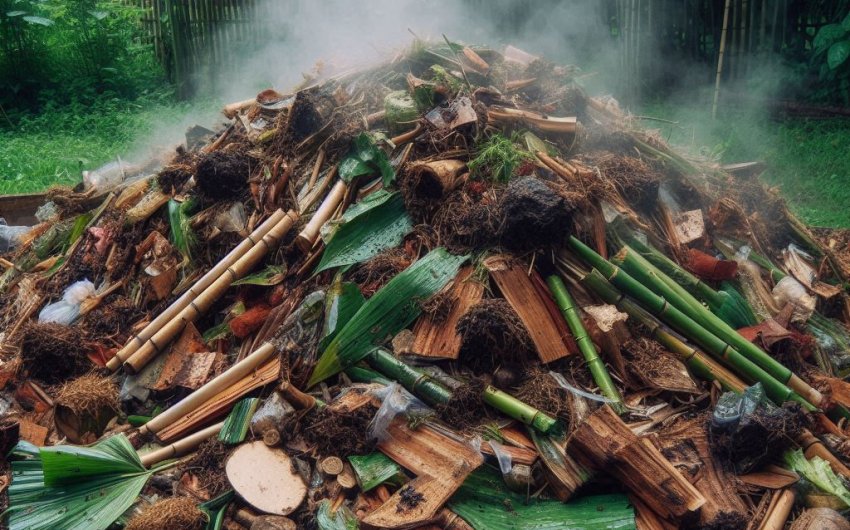
If you have bamboo in your garden, whether it's growing vigorously or you use bamboo stakes for your plants, you've probably wondered what to do with the trimmings and old stakes. Bamboo sheds a lot of leaves, and stakes eventually wear out. The question then becomes: Can I compost bamboo leaves and garden stakes?
The short answer is yes, you can compost bamboo leaves and garden stakes, but it comes with a few important considerations. Bamboo is famous for being incredibly strong and durable, which makes it an excellent building material and garden support. However, these very qualities mean it can be a bit challenging to break down in a compost pile. With the right approach and a bit of patience, you can turn this tough plant material into valuable compost for your garden. Let's learn how to make bamboo a part of your sustainable composting efforts.
Why Compost Bamboo Materials?
Composting is a fantastic way to turn garden waste into a rich, dark soil amendment. It's good for your plants and good for the environment. So, what are the benefits of specifically adding bamboo leaves and garden stakes to your compost pile?
Excellent Source of Carbon ("Brown" Material)
In composting, we talk about "greens" and "browns."
- Greens are nitrogen-rich materials like fresh grass clippings and fruit and vegetable scraps. They provide the nitrogen that helps the compost pile heat up.
- Browns are carbon-rich materials like dry leaves, straw, and wood chips. They provide the bulk and structure and help balance the "greens."
Bamboo leaves and garden stakes are both highly carbonaceous, making them excellent "brown" materials. Adding them helps balance out your "green" kitchen scraps and keeps your compost pile from becoming too wet, compacted, and smelly. A good supply of browns is essential for healthy, aerobic composting.
Adds Valuable Organic Matter
When bamboo breaks down, it contributes significant organic matter to your compost. Organic matter is crucial for healthy soil. It:
- Improves soil structure, making heavy clay soils lighter and easier to work.
- Helps sandy soils hold more water and nutrients.
- Provides a slow-release source of nutrients for plants.
- Supports a healthy soil food web (beneficial microbes and fungi).
Sustainable Waste Management
Instead of sending bamboo waste to the landfill, composting it is a sustainable and eco-friendly practice. You're diverting waste and creating a valuable resource for your garden, closing the loop on your garden's nutrient cycle. This reduces your carbon footprint and improves your soil health naturally.
What Are the Challenges of Composting Bamboo?
While composting bamboo is beneficial, it's important to be aware of the challenges. Bamboo's strength and durability, which make it useful, also make it slow to break down.
Slow Decomposition Rate
This is the main hurdle. The woody culms (stems) of bamboo are incredibly tough and fibrous. They are highly lignified, meaning they contain a lot of lignin, a complex polymer that is very resistant to decomposition by microbes.
- If you put a whole bamboo stake or a large piece of bamboo culm in your compost pile, it could take several years to fully break down, if at all.
- Even bamboo leaves are tougher and take longer than softer leaves like maple or oak.
Lack of Surface Area (for large pieces)
Composting relies on microbes and fungi breaking down materials. The more surface area available, the faster these tiny organisms can do their work. A whole bamboo stake has very little surface area exposed to decomposition compared to its volume. This significantly slows down the process.
Potential for Regrowth (Running Bamboo)
This is a critical concern, especially if you're dealing with running bamboo. Running bamboo spreads aggressively via underground rhizomes (roots).
- If you compost rhizomes or pieces of culm that still have viable nodes (points where new growth can emerge), there's a risk they could sprout and grow in your compost pile.
- Even worse, if you then spread that compost in your garden, you could accidentally introduce invasive bamboo to new areas, creating a huge problem.
For this reason, extreme caution is advised when composting any parts of running bamboo, especially rhizomes or lower culm sections.
How to Prepare Bamboo Materials for Composting?
Overcoming the challenges of composting bamboo primarily involves reducing the size of the material and being cautious about potential regrowth.
1. Shred, Chop, or Chip All Bamboo Materials – This is Essential!
This is the most important step for speeding up decomposition. You must break bamboo down into much smaller pieces.
- For Stems/Stakes:
- Wood Chipper/Shredder: If you have access to a heavy-duty wood chipper shredder, this is the ideal tool for processing bamboo culms and stakes. Aim for chips that are 1-2 inches in length or smaller.
- Hand Tools: For smaller amounts, you can use a machete, hatchet, or sturdy loppers heavy duty loppers to chop the bamboo into short sections (1-2 inches). This is labor-intensive and requires caution.
- Saw: A pruning saw pruning saw can also be used to cut bamboo into small rounds, which you can then split or smash.
- For Leaves:
- Lawn Mower: You can run a lawn mower over piles of bamboo leaves to shred them into smaller pieces.
- Shredder/Chipper: A garden shredder can also process leaves effectively.
The smaller the pieces, the more surface area for microbes, and the faster they will decompose. Aim for pieces no larger than 1-2 inches.
2. Kill Off Any Potential for Regrowth (Crucial for Running Bamboo)
If you're dealing with running bamboo (the type that spreads aggressively, unlike clumping bamboo), you must ensure that any rhizomes or culm sections with viable nodes are completely dead before composting.
- Drying/Curing: The most common and effective method is to completely dry out the bamboo. Spread it out in a sunny, dry location for several weeks or months. Ensure it's bone dry and brittle before chopping and adding to the compost.
- Soaking: Some people soak bamboo in water for an extended period (weeks or months) until it completely decomposes in the water and becomes soft. This is essentially a form of anaerobic composting (which can be smelly) or retting.
- Hot Composting (Cautious Approach): If you have a very active hot compost pile that consistently reaches and maintains temperatures of 140-160°F (60-70°C) for several days, these temperatures can kill rhizomes. However, this is hard to guarantee in a home compost pile, so the drying method is safer for running bamboo.
For clumping bamboo (which spreads very slowly and forms tight clumps), the regrowth risk from culms is much lower, but shredding is still key for decomposition.
3. Balance with "Green" Materials
Bamboo, being a "brown" material, needs to be balanced with "greens" (nitrogen-rich materials) for effective composting.
- Layering: When adding your prepared bamboo pieces to the compost pile, layer them with nitrogen-rich materials like kitchen scraps, fresh grass clippings, or fresh plant trimmings.
- Ratio: Aim for roughly a 2:1 or 3:1 ratio of browns to greens by volume. This provides the right carbon-to-nitrogen balance, which is crucial for microbial activity and heat generation in the pile.
How to Optimize Your Compost Pile for Bamboo Materials?
Even with proper preparation, you'll want to ensure your compost pile is running efficiently to break down tough materials like bamboo.
1. Maintain Consistent Moisture
Compost needs moisture to work. It should be damp like a wrung-out sponge, not soaking wet or bone dry.
- Regular Watering: You might need to water your compost pile, especially if you're adding a lot of dry bamboo.
- Good Drainage: Ensure your compost bin has good drainage to prevent waterlogging.
2. Turn Your Compost Regularly
Turning the compost pile is vital for breakdown, especially for tough materials.
- Aeration: Turning introduces oxygen, which is essential for the aerobic microbes that break down organic matter efficiently. Lack of oxygen leads to slower, smelly, anaerobic decomposition.
- Mixing: It mixes the materials, ensuring that greens and browns are well distributed and that all parts of the pile get exposed to the active decomposition zone.
- Heat Distribution: Helps distribute heat evenly in a hot pile.
Turn your pile once a week or every few weeks, especially after adding fresh material or if the pile has cooled down. A compost turning fork makes this much easier.
3. Aim for a Hot Compost Pile (If Possible)
For the fastest breakdown of tough materials like bamboo, a hot compost pile is your best friend.
- Size: A pile that is at least 3x3x3 feet (1 cubic meter) is usually necessary to generate and retain enough heat.
- Optimal Conditions: This requires a good carbon/nitrogen balance, consistent moisture, and regular turning.
- Benefits: Hot temperatures (130-160°F or 55-70°C) accelerate decomposition significantly and can help break down lignin more effectively.
You can use a compost thermometer to monitor the temperature of your pile.
4. Be Patient
Even with all the right preparation and optimal composting conditions, bamboo materials will still take longer to decompose than softer kitchen scraps or leaves. Expect them to take several months, or even up to a year, to fully integrate into your compost. You might find small, fibrous pieces remaining in your finished compost, which is perfectly fine – just toss them back into your next batch to continue breaking down.
What to Do If You Can't Compost Bamboo?
If you don't have the tools to shred bamboo, or if you're dealing with a large amount of invasive running bamboo, direct composting might not be the best solution for you. Here are some alternatives:
Use as Garden Supports (Repurpose)
This is a fantastic way to reuse bamboo stakes and culms.
- Stakes: Use them as plant stakes for tomatoes, beans, peas, or other climbing plants. Bamboo garden stakes are durable and naturally attractive.
- Trellises: Build simple trellises or supports for cucumbers, gourds, or sweet peas by lashing bamboo poles together.
- Fencing: Create rustic temporary fences or garden borders.
Chip and Use as Mulch
If you can chip or shred bamboo but don't want to compost it, the chips make an excellent mulch for pathways or around trees and shrubs.
- Weed Suppression: They suppress weeds effectively.
- Moisture Retention: They help retain soil moisture.
- Slow Release: They will break down very slowly, adding organic matter over a long period.
Take to a Green Waste Facility
Many municipal or commercial green waste facilities have industrial-grade shredders that can easily process bamboo. They then turn it into large-scale compost or mulch. This is often the best option for large quantities of bamboo, especially if it's running bamboo you want to ensure is fully killed off.
In summary, composting bamboo leaves and garden stakes is definitely possible, making them a valuable "brown" addition to your compost pile. The critical steps are to shred or chop them into small pieces to increase surface area and, for running bamboo, ensure any rhizomes are completely dead to prevent unwanted regrowth. With patience and good compost management practices, you can successfully turn these tough materials into rich, beneficial compost for your garden.