
What’s the best way to compost leftover rice and grains?
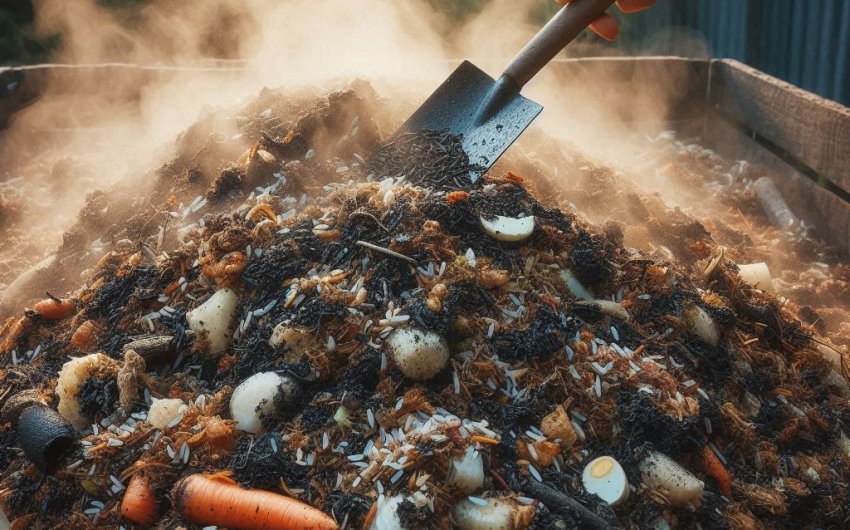
We've all been there: a pot of rice that was just a bit too much, or a forgotten bowl of quinoa from yesterday's dinner. Instead of tossing these leftovers in the trash, many eco-conscious folks wonder, "Can I compost leftover rice and grains?" It's a great question, as diverting food waste from landfills is a cornerstone of sustainable living.
The good news is, yes, you can compost leftover rice and grains! They are organic materials that will eventually break down and enrich your compost. However, like dairy waste, grains come with their own set of challenges if not managed properly. They can attract pests and become smelly if simply dumped on top of an open pile. But with the right techniques, you can safely and effectively turn your uneaten carbs into a valuable resource for your garden. Let's explore how to make your leftover grains a welcomed addition to your compost bin.
Why Compost Leftover Rice and Grains?
Composting is an amazing process that transforms organic waste into nutrient-rich soil amendment. It benefits your garden, reduces landfill waste, and lessens your carbon footprint. So, why specifically include leftover rice and grains in your compost?
Valuable Carbon and Nitrogen Source
Cooked rice and grains are a fantastic source of both carbon and nitrogen, though they lean slightly more towards nitrogen when fresh.
- They are generally considered "green" materials in composting because of their moisture and relatively higher nitrogen content compared to dry leaves or wood chips.
- However, they also contain complex carbohydrates (starches) which are carbon compounds. This makes them a great bridge material, helping to balance your compost pile. They break down quickly, providing energy for composting microbes.
Adds Moisture to the Pile
Leftover rice and grains, especially cooked ones, are quite moist. This can be beneficial for a compost pile that is too dry. Maintaining proper moisture is crucial for microbial activity, and these leftovers can contribute to that balance.
Contributes to Soil Structure and Nutrients
As rice and grains decompose, they add organic matter to your compost. This finished organic matter improves soil structure, enhances water retention, and provides a slow release of nutrients for your plants. While they might not be packed with a huge array of micronutrients, they contribute to the overall richness and health of your compost.
Reduces Food Waste and Landfill Burden
Globally, a significant amount of food goes to waste. Composting your leftover rice and grains is a direct way to reduce this waste from your household. It keeps these materials out of landfills, where they would otherwise produce methane, a potent greenhouse gas. By composting, you're transforming potential pollution into a valuable garden resource, contributing to a circular economy in your backyard.
What Are the Challenges of Composting Leftover Rice and Grains?
While composting grains is safe and beneficial, there are a few reasons why people might hesitate or encounter problems if they don't follow best practices.
Attracting Pests
This is the biggest concern with composting most cooked food, including rice and grains. The appealing smell, especially as they begin to decompose, can attract unwanted visitors:
- Rodents: Mice and rats are highly attracted to cooked grains and can quickly infest an open compost pile.
- Flies: Fruit flies, house flies, and other insects can lay eggs in exposed grains, leading to maggots and a general nuisance.
- Other Scavengers: Raccoons, opossums, and even bears (in rural areas) are drawn to easily accessible food sources.
For this reason, simply tossing grains on top of an open pile is strongly discouraged.
Odor
If leftover rice and grains don't get enough oxygen during decomposition, they can quickly go anaerobic. This means they break down without air, producing very foul, sour, or putrid smells. This is a sign that your compost pile is out of balance and can also attract pests.
Rapid Decomposition (Can be a double-edged sword)
While rapid decomposition is generally a good thing for composting, for very soft, moist items like cooked rice, it can mean they quickly putrefy if not properly incorporated into an active pile. They can clump together and become a slimy, smelly mess if they don't get enough air and are not balanced with "brown" materials.
How to Safely Compost Leftover Rice and Grains?
The key to successfully composting leftover rice and grains without creating issues is proper management. It all comes down to controlling odor and preventing pests.
1. Small Quantities are Key
- Moderation: Don't add huge amounts of rice or grains at once. A single meal's leftovers are usually fine.
- Spread it Out: If you have more, spread out the additions over several days or even weeks, rather than dumping a large batch all at once. This prevents overwhelming the pile and ensures proper breakdown.
2. Bury It Deep in an Active, Hot Pile
This is the most critical step for avoiding odors and pests.
- Active Pile: Only add rice and grains to a hot, active compost pile. This means a pile that is consistently heating up (ideally 100°F+ or 38°C+) in the center due to microbial activity. A fast, hot pile will break down grains quickly before they have a chance to smell bad or attract pests.
- Bury Deep: Never leave cooked food scraps on the surface of your compost pile. Always dig a hole in the center of the pile, deep enough that you can completely cover the rice or grains with at least 6-8 inches of other compost materials.
- Cover Completely: After adding the grains, cover them immediately and thoroughly with a good layer of "brown" materials (like dry leaves, wood chips, shredded paper, or straw) and "green" materials (like fresh grass clippings or other kitchen scraps). This buries the smell, helps prevent pests from finding it, and provides the necessary carbon and nitrogen for decomposition.
3. Balance with "Brown" Materials
Cooked rice and grains are moist and rich in nitrogen (relatively). To ensure proper decomposition and prevent a slimy, smelly pile, you need to balance them with "brown" (carbon-rich) materials.
- High Carbon Content: For every small amount of rice or grains, make sure you add a good amount of dry, carbon-rich materials. Aim for roughly a 2:1 or 3:1 ratio of browns to greens by volume for your overall pile.
- Why Balance? The "browns" absorb excess moisture, provide bulk, and ensure there's enough carbon for the microbes to break down the nitrogen-rich grains without creating foul odors. They also create air pockets crucial for aerobic decomposition.
4. Keep the Pile Aerated (Turn Regularly)
Proper airflow is crucial for avoiding anaerobic (smelly, oxygen-starved) decomposition.
- Prevent Anaerobic Conditions: When compost becomes compacted or too wet, it loses oxygen and goes anaerobic, leading to foul, sour smells.
- Regular Turning: Turn your compost pile regularly with a pitchfork compost turning fork or a compost aerator compost aerator. This introduces oxygen, mixes materials, and helps maintain even moisture and temperature. For a hot pile, turning every few days to a week is ideal.
5. Maintain Proper Moisture Levels
Compost should always be damp, like a wrung-out sponge.
- Not Too Wet: Cooked grains can add a lot of moisture. If your pile gets too soggy, add more dry "brown" materials to absorb the excess.
- Not Too Dry: A pile that is too dry will not decompose efficiently. Ensure it has enough moisture to support microbial activity.
What Kind of Compost Setup Works Best for Grains?
The type of compost system you use can significantly impact how successfully you can compost leftover rice and grains.
Enclosed Bins or Tumblers: Highly Recommended
For composting cooked food waste like rice and grains, an enclosed compost bin or a compost tumbler is by far the safest and most effective choice.
- Pest Deterrent: These systems are designed to be pest-proof, with sealed lids and sturdy construction that keeps out rodents and other scavengers.
- Odor Containment: The enclosed nature helps contain any potential odors, though if managed correctly, there shouldn't be much smell.
- Temperature Control: Tumblers, in particular, are excellent for achieving and maintaining high temperatures, as they are easy to turn and mix frequently.
- Convenience: Many are easy to turn, making aeration simple and ensuring quick decomposition.
Consider investing in a sturdy compost tumbler or a well-sealed enclosed compost bin if you plan to compost cooked food scraps regularly.
Open Piles: Use with Extreme Caution
Composting leftover rice and grains in an open compost pile is generally not recommended due to the high risk of attracting pests. If you must use an open pile:
- Strict Burial: You must bury the grains very deeply in the center of a very active pile, completely covered by several inches of other materials.
- No Surface Exposure: Never, ever leave cooked food scraps exposed on the surface.
- Frequent Turning: Turn your pile even more frequently to ensure rapid breakdown.
- Monitor Closely: Be extra vigilant for any signs of pests (tracks, droppings, or actual sightings) and address them immediately.
Worm Composting (Vermicomposting): Use with Caution
While worms can technically eat cooked grains, it's generally approached with caution in worm composting (vermicomposting).
- Attracts Pests: Like with dairy, cooked grains can attract flies and other pests to your worm bin, especially if it's located indoors or close to your home.
- Molding: Cooked grains can mold quickly if not eaten by the worms immediately, which can also attract mites or other undesirable organisms.
- Small Quantities Only: If you do add them, do so in very small quantities and always bury them deeply within the worm bedding. Monitor your bin closely.
It's safer to stick to raw fruit and vegetable scraps for most worm bins and use traditional hot composting for cooked grains.
Tips for Success with Grains Composting
Here are a few additional tips to help you successfully compost your leftover rice and grains:
1. Store Before Composting
If you're collecting scraps in your kitchen before taking them to the main compost bin, store cooked grains in a sealed container or even freeze them.
- Airtight Container: Use an airtight kitchen compost bin to store food scraps until you take them out.
- Freezing: If you have more than a small amount or can't get out to the compost pile frequently, freezing leftover grains (and other cooked food scraps) is a great strategy. It pauses decomposition and helps break down the cell structure, which speeds up composting once they thaw in the pile.
2. Monitor Temperature and Smell
Your senses are your best composting tools.
- Temperature: If you have a compost thermometer, aim for internal temperatures of at least 130°F (55°C) when composting cooked food. This heat helps break down grains rapidly and kills off potential pathogens and pests.
- Smell: If your compost pile starts to smell sour, ammonia-like, or putrid, it's a sign that it's going anaerobic. This means it lacks oxygen or has too much nitrogen/moisture. Immediately add more "brown" materials and turn the pile thoroughly to introduce oxygen.
3. Mix Different Materials
A diverse mix of materials creates the healthiest and most efficient compost pile. Don't just add grains; make sure you're adding a variety of "greens" (other fruit/veg scraps, coffee grounds) and plenty of "browns" (leaves, shredded cardboard, wood chips).
By understanding the unique properties of leftover rice and grains and implementing these safe composting practices, you can confidently turn your kitchen discards into a valuable resource for your garden. It's a satisfying way to minimize waste and contribute to a healthier, more sustainable home environment.