
Can I compost vacuum cleaner dust and hair?
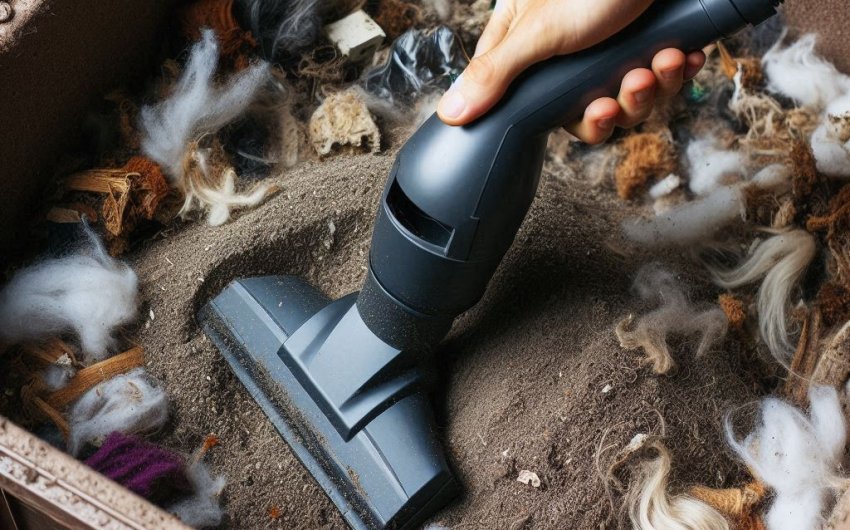
After a good clean, you're often left with a surprising amount of dust, fluff, and hair in your vacuum cleaner's bin. For those dedicated to zero waste and sustainable living, the question naturally arises: Can I compost vacuum cleaner dust and hair? It's a curious thought, and the answer, like many things in composting, is "it depends," but often, yes!
While it might seem unusual, the contents of your vacuum cleaner can indeed be a valuable addition to your compost pile, provided you know what's in it and how to manage it. This guide will help you understand the benefits, the potential pitfalls, and the best ways to safely and effectively compost vacuum cleaner dust and hair, turning household waste into garden gold.
Why Compost Vacuum Cleaner Dust and Hair?
Composting is all about taking organic waste and transforming it into rich, life-giving soil amendment. By diverting materials from landfills, you're reducing waste and nurturing your garden. So, what's the logic behind adding vacuum cleaner dust and hair?
Rich in Organic Matter
At its core, much of what your vacuum picks up is organic matter.
- Hair (Human and Pet): This is made of keratin, a protein. It's a nitrogen-rich material, similar to fresh grass clippings, though it breaks down much more slowly.
- Dust/Lint: This often consists of tiny fibers from clothing, carpet, and upholstery (which are often cotton, wool, or other natural materials), as well as skin cells, dirt particles, and other microscopic organic bits.
When these materials eventually break down, they contribute to the overall organic content of your compost, which improves soil structure, water retention, and nutrient availability.
Source of Nitrogen ("Green" Material)
Both human hair and pet hair are high in nitrogen. In composting terms, nitrogen-rich materials are considered "greens." Nitrogen is crucial for heating up your compost pile and fueling the microorganisms that do all the hard work of decomposition. Adding hair can help balance out your carbon-heavy "brown" materials like dry leaves or shredded paper.
Adds Bulk and Texture ("Brown" for Dust)
While hair is "green," the overall vacuum cleaner dust (especially from carpets and upholstery) often acts more like a "brown" material due to its carbon-rich fibers (cotton, wool, etc.) and small dirt particles. It can add bulk and texture to your compost, helping to create a well-aerated pile.
Reduces Household Waste
Every bit of waste you can divert from the landfill makes a difference. Composting vacuum cleaner dust and hair is a simple, yet effective, way to further reduce your household waste stream, contributing to a more sustainable lifestyle. It’s a win-win for your home and your garden.
What Are the Challenges of Composting Vacuum Cleaner Dust and Hair?
While there are benefits, it's not always as simple as emptying the vacuum bag directly into the compost bin. There are a few important challenges and considerations.
Slow Decomposition Rate of Hair
Hair, whether human or pet, is primarily made of keratin. Keratin is a very tough, resilient protein. It takes a long time to break down in a compost pile compared to softer organic materials.
- You might find recognizable strands of hair in your finished compost if your pile isn't consistently hot and active.
- If added in large clumps, hair can sometimes mat together, creating dense, impenetrable balls that are even slower to decompose.
Potential for Synthetic Fibers
This is the biggest caveat. Modern homes are full of synthetic materials.
- Polyester, Nylon, Acrylic: Many carpets, rugs, and clothing are made from synthetic (plastic-based) fibers. These will not decompose in your compost pile. They will remain as microplastics, contaminating your finished compost and potentially your garden soil.
- Foam/Rubber: Bits of disintegrated padding, foam, or rubber from shoes or household items can also end up in the vacuum and are not compostable.
It's impossible to completely separate natural from synthetic fibers in typical vacuum dust. This means any synthetic fibers will end up in your soil.
Hazardous Materials (Rare but Possible)
While unlikely for general household vacuuming, sometimes vacuums pick up things you don't want in your compost:
- Chemicals: Residues from cleaning products, pesticides tracked in from outside, or even tiny paint chips.
- Heavy Metals/Toxins: Dust in older homes might contain lead paint dust or other hazardous materials.
- Sharp Objects: Small pieces of glass, staples, or other sharp objects that could be dangerous in your finished compost.
This concern is generally low for routine vacuuming, but something to be aware of.
Attracting Pests (Minor Risk)
While less attractive than food scraps, some dust and hair can carry tiny bits of food residue, skin cells, or other appealing organic matter that could attract pests if left exposed on the surface of an open compost pile. However, this is usually a minor risk compared to composting cooked food or dairy.
How to Safely Compost Vacuum Cleaner Dust and Hair?
To overcome the challenges and make vacuum cleaner dust and hair a successful addition to your compost, focus on proper preparation and good compost management.
1. Know Your Source: Natural vs. Synthetic
This is the most important consideration.
- Natural Fibers ONLY: Only compost dust and hair if you are reasonably certain it primarily consists of natural fibers like cotton, wool, silk, linen, hemp, rayon (cellulose-based), human hair, and pet fur (from dogs, cats, etc.).
- Avoid Synthetics: If your carpets, rugs, or upholstery are mostly synthetic (polyester, nylon, acrylic), it's best to avoid composting that dust. It will only add microplastics to your garden.
- Mixed Homes: In most modern homes, it's a mix. If you have mostly natural materials (e.g., wool rugs, cotton clothes) and non-shedding synthetic carpets, you might choose to compost. If you have mostly synthetic carpets, it's safer to avoid.
- Hair is Always Safe: Human and animal hair (from brushing or haircuts) is always safe to compost, regardless of your vacuum dust situation.
2. Distribute Evenly and Bury Deep
- Avoid Clumps: Don't just dump a large clump of dust and hair into one spot. Instead, spread it out thinly as you add it to the compost pile. This prevents matting and ensures better aeration and faster breakdown.
- Bury Deep: Always bury vacuum cleaner dust and hair in the center of your compost pile. Cover it immediately and thoroughly with at least 6-8 inches of other compost materials, especially a mix of "greens" and "browns." This helps prevent it from blowing away, hides it from pests (though less attractive than food), and ensures it's in the active decomposition zone.
3. Balance with "Brown" Materials (and some "Greens")
Hair is a "green" (nitrogen-rich), while much of the dust acts as a "brown" (carbon-rich).
- Overall Balance: Ensure your compost pile has a good overall balance of "brown" materials (like dry leaves, shredded cardboard, wood chips) and "green" materials (like kitchen scraps, grass clippings).
- Provide Carbon: Adding sufficient carbon-rich materials helps the hair break down and prevents odors that can arise from too much nitrogen.
- Provide Moisture and Oxygen: The surrounding materials also provide the necessary moisture and aeration for the decomposition process.
4. Maintain a Hot, Active Compost Pile
For the fastest breakdown of tough materials like hair, a hot compost pile is best.
- High Temperatures: Aim for a pile that consistently reaches 130-160°F (55-70°C). These temperatures accelerate the activity of microbes and fungi that break down even resistant materials like keratin.
- Regular Turning: Turn your compost pile regularly (every few days to a week). This introduces oxygen, mixes materials, distributes heat, and exposes all parts of the pile to the active decomposition zone. A compost aerator or pitchfork is useful.
5. Consider a Shredder (for pure hair)
If you have large amounts of pure hair (e.g., from a pet groomer or hair salon, ensuring it's not chemically treated), you might consider running it through a specialized shredder or even a wood chipper if it's mixed with other materials. Shredding increases surface area and speeds decomposition. However, for typical household vacuum dust, this isn't practical.
What Kind of Compost Setup Works Best?
The type of compost system you use can influence how effectively you can compost vacuum cleaner dust and hair.
Enclosed Bins or Tumblers: Preferred
An enclosed compost bin or a compost tumbler is generally preferred for any household waste that might blow away or attract minimal attention from pests.
- Containment: Prevents light, fluffy dust and hair from being blown away by the wind.
- Pest Control: While not highly attractive, an enclosed system adds an extra layer of protection against scavengers.
- Heat Generation: Tumblers are excellent for generating and maintaining high temperatures, which is beneficial for breaking down hair.
A sturdy compost tumbler or a well-sealed enclosed compost bin can make the process easier and cleaner.
Open Piles: Use with Caution (mainly for dust)
If using an open pile, extra care is needed for vacuum cleaner dust.
- Wind: Dust and hair can easily blow away. Bury it immediately and completely under heavier materials.
- Pest Risk: While low, burying it still helps.
- Slower Breakdown: Unless your open pile is very actively managed as a hot compost pile, hair will take a very long time to decompose.
Worm Composting (Vermicomposting): Avoid (for dust), Limit (for hair)
Worm composting (vermicomposting) is generally not recommended for vacuum cleaner dust due to the high likelihood of synthetic fibers and potential chemical residues.
- Hair: Small amounts of pure human or pet hair (e.g., from a brush or haircut, not floor sweepings) can be added to a worm bin, but in moderation. It breaks down slowly, so don't add large quantities. Ensure it's not chemically treated.
What to Do If You Can't Compost Vacuum Cleaner Dust and Hair?
If your vacuum cleaner dust contains too many synthetics, or if you prefer not to compost it, here are some alternative disposal methods:
Bag and Dispose (Standard Trash)
The safest and most common method for dust containing synthetics is to simply bag it up and put it in your regular trash. This ensures any non-compostable materials don't end up in your garden.
Send Pure Hair to Pet Stores/Salons
Some pet grooming salons or hair salons might have specialized recycling or disposal programs for hair, or even accept it for specific uses (like oil spill cleanups, though this is rare for small household amounts). It's worth asking if you have a large quantity of pure hair.
In conclusion, composting vacuum cleaner dust and hair is possible, and a great way to reduce household waste, but it requires careful consideration. The most crucial factor is ensuring the material is primarily natural fibers and free from harmful chemicals. By separating synthetics, distributing the material evenly, burying it deep in an active compost pile, and maintaining good overall compost health, you can safely and effectively turn your household clean-up waste into a valuable amendment for your thriving garden.