
Should I compost moldy bread and baked goods?
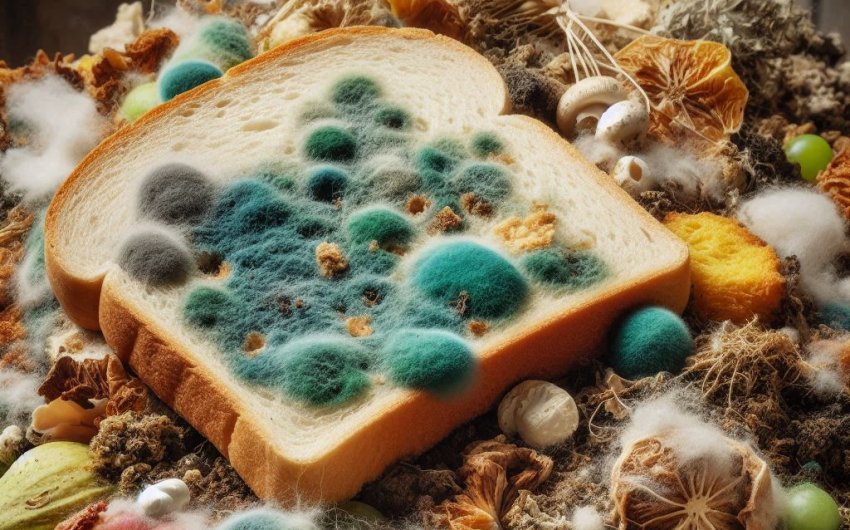
You open the bread bag, and there it is: fuzzy green or white patches marring what was once a perfectly good loaf. Or maybe that leftover muffin has seen better days. For keen composters, a common question pops up: Should I compost moldy bread and baked goods? It's a natural inclination to want to keep these food items out of the trash and turn them into garden gold.
The simple answer is yes, you can compost moldy bread and baked goods. Like most food waste, they are organic materials that will decompose and contribute nutrients to your compost. However, like other cooked foods or dairy, they come with a few challenges, mainly around attracting pests and potential odor, if not handled correctly. Understanding these nuances is key to safely and effectively composting your stale or spoiled baked goods, helping you reduce waste and enrich your soil.
Why Compost Moldy Bread and Baked Goods?
Composting is an amazing way to transform kitchen scraps and garden waste into a valuable soil amendment. It's good for the environment, good for your garden, and helps reduce your household's waste. So, what are the specific benefits of adding moldy bread and baked goods to your compost pile?
Rich in Organic Matter
Like most food waste, bread and baked goods are made primarily of organic matter. When they break down, they add valuable bulk and structure to your compost. This improves the overall quality of your finished compost, making it excellent for amending garden soil. Organic matter helps sandy soils hold more water and nutrients, and helps heavy clay soils become lighter and drain better.
Good Carbon and Nitrogen Source
Bread and baked goods can be a good source of both carbon and nitrogen, depending on their ingredients.
- They contain carbohydrates (starches and sugars), which are carbon compounds, but also proteins from flour and sometimes fats/dairy/eggs, which are nitrogen-rich.
- Generally, they lean more towards being a "green" material in composting because of their moisture and readily available nitrogen. They break down relatively quickly, providing quick energy for the composting microbes.
Provides Moisture to the Pile
Fresh or moist bread and baked goods contribute moisture to your compost pile. This can be beneficial for a pile that is too dry, as maintaining proper moisture is crucial for microbial activity and efficient decomposition.
Reduces Food Waste and Landfill Burden
Globally, a significant amount of food, including bread, goes to waste. Composting your moldy bread and baked goods is a direct and impactful way to reduce this waste from your household. Keeping these materials out of landfills helps prevent the production of methane, a potent greenhouse gas. By composting, you're turning potential pollution into a valuable garden resource, contributing to a more sustainable and circular system in your own backyard.
What Are the Challenges of Composting Moldy Bread and Baked Goods?
While the benefits are clear, there are important reasons why caution is advised when composting bread and baked goods, particularly if you don't have a very active compost system.
Attracting Pests
This is the biggest concern with composting most cooked or processed food items. Bread and baked goods are highly appealing to a range of unwanted creatures:
- Rodents: Mice and rats are very attracted to bread, crumbs, and any baked goods. They can quickly infest an open compost pile and become a nuisance in your yard or even try to get into your home.
- Flies: Fruit flies, house flies, and other insects can lay eggs in exposed baked goods, leading to maggots and unpleasantness.
- Other Scavengers: Raccoons, opossums, squirrels, and other larger animals are also drawn to easily accessible food sources and can make a mess of your compost pile.
For an open compost pile, or one that isn't actively "cooking" at high temperatures, these risks are significant.
Odor
If bread and baked goods are added in large quantities or are not properly buried and aerated, they can quickly break down in an anaerobic (without oxygen) environment. This leads to foul, sour, or putrid smells, which are highly unpleasant and also attract pests. They can become a slimy, dense mess if not managed properly.
Fungal Spores (Mold)
While the visible mold on bread is already a sign of decomposition (which is what you want in compost!), some people worry about the fungal spores.
- Will it harm my compost? No. The mold that grows on bread is just one type of fungus that helps break down organic matter. Your compost pile is already teeming with millions of different fungi and bacteria that do the work of decomposition. Adding moldy bread simply adds more of these decomposers.
- Will it harm my plants? Once the moldy bread breaks down completely in the compost, the specific mold spores will not typically transfer to your plants and cause disease. The composting process transforms the material.
- Human Health: The primary concern with moldy bread is consuming it, not composting it. When composting, simply avoid inhaling large amounts of airborne spores if you have mold sensitivities, or wear a mask if concerned.
Slow Decomposition of Fats and Sugars (in some baked goods)
While bread generally breaks down quickly, baked goods with high sugar, fat, or oil content (like cakes, cookies, or pastries) can be slower to decompose if added in large quantities. Fats, in particular, can be resistant to quick breakdown and can contribute to odors if not aerated.
How to Safely Compost Moldy Bread and Baked Goods?
The key to successfully composting moldy bread and baked goods without creating problems is a combination of proper preparation, good compost pile management, and thoughtful placement.
1. Small Quantities are Essential
- Moderation: Only add small quantities of bread and baked goods at a time. A slice or two of bread, or a small muffin, is generally fine.
- Spread it Out: If you have more, spread out the additions over several days or weeks, rather than dumping a large batch all at once. This prevents overwhelming the pile and ensures proper breakdown without attracting unwanted attention.
2. Shred or Break into Small Pieces
- Increase Surface Area: Breaking the bread or baked goods into smaller pieces (1-2 inches) greatly increases the surface area for microbes to act on. This speeds up decomposition.
- Avoid Clumping: Smaller pieces are also less likely to clump together and become a slimy, anaerobic mess.
3. Bury It Deep in an Active, Hot Pile
This is the most critical step for avoiding odors and pests.
- Active Pile Only: Only add bread and baked goods to a hot, active compost pile. This means a pile that is consistently getting warm (ideally 100°F+ or 38°C+) in the center due to vigorous microbial activity. A fast, hot pile will break down bread quickly before it has a chance to attract pests or smell bad.
- Bury Deep: Never leave bread or baked goods on the surface of your compost pile. Always dig a hole in the center of the pile, deep enough that you can completely cover the food waste with at least 6-8 inches of other compost materials.
- Cover Completely: After adding the food, cover it immediately and thoroughly with a good layer of "brown" materials (like dry leaves, wood chips, shredded paper, or straw) and "green" materials (like fresh grass clippings or other kitchen scraps). This buries the smell, provides a physical barrier to pests, and helps balance the compost.
4. Balance with Plenty of "Brown" Materials
Bread and baked goods are moist and generally higher in nitrogen (as "greens"). To ensure proper decomposition and prevent a stinky, matted pile, you need to balance them with dry, carbon-rich "brown" materials.
- High Carbon Content: For every small amount of bread or baked goods, make sure you add at least double or triple the amount of dry, carbon-rich materials.
- Why Balance? The "browns" absorb excess moisture, provide bulk, and ensure there's enough carbon for the microbes to break down the nitrogen-rich food waste without creating foul odors. They also create crucial air pockets for aerobic decomposition.
5. Keep the Pile Aerated (Turn Regularly)
Proper airflow is crucial for avoiding anaerobic (smelly, oxygen-starved) decomposition.
- Prevent Anaerobic Conditions: When compost becomes compacted or too wet, it loses oxygen and goes anaerobic, leading to foul, sour smells.
- Regular Turning: Turn your compost pile regularly with a pitchfork compost turning fork or a compost aerator compost aerator. This introduces oxygen, mixes materials, and helps maintain even moisture and temperature. For a hot pile, turning every few days to a week is ideal.
What Kind of Compost Setup Works Best for Bread and Baked Goods?
The type of compost system you use can greatly influence how successfully you can compost moldy bread and baked goods.
Enclosed Bins or Tumblers: Highly Recommended
For composting cooked food waste like bread and baked goods, an enclosed compost bin or a compost tumbler is by far the safest and most effective choice.
- Pest Deterrent: These systems are designed to be pest-proof, with sealed lids and sturdy construction that keeps out rodents, flies, and other scavengers.
- Odor Containment: The enclosed nature helps contain any potential odors, though if managed correctly, there shouldn't be much smell.
- Temperature Control: Tumblers, in particular, are excellent for achieving and maintaining high temperatures, as they are easy to turn and mix frequently, speeding up decomposition.
- Convenience: Many are easy to turn, making aeration simple and ensuring quick decomposition.
Consider investing in a sturdy compost tumbler or a well-sealed enclosed compost bin if you plan to compost cooked food scraps regularly.
Open Piles: Use with Extreme Caution
Composting moldy bread and baked goods in an open compost pile is generally not recommended due to the very high risk of attracting pests. If you absolutely must use an open pile:
- Strict Burial: You must bury the bread very deeply in the center of a very active pile, completely covered by several inches of other materials.
- No Surface Exposure: Never, ever leave cooked food scraps exposed on the surface.
- Frequent Turning: Turn your pile even more frequently to ensure rapid breakdown and discourage pests.
- Monitor Closely: Be extra vigilant for any signs of pests (tracks, droppings, or actual sightings) and address them immediately.
Worm Composting (Vermicomposting): Use with Caution
While worms can technically eat bread, it's generally approached with caution in worm composting (vermicomposting).
- Attracts Pests: Bread can attract flies and other pests to your worm bin, especially if it's located indoors or close to your home.
- Molding: Bread can mold quickly if not eaten by the worms immediately, or if the bin conditions are too wet, which can also attract mites or other undesirable organisms.
- Small Quantities Only: If you do add them, do so in very small, torn-up quantities and always bury them deeply within the worm bedding. Monitor your bin closely. Avoid baked goods with high fat/sugar content.
It's safer to stick to raw fruit and vegetable scraps for most worm bins and use traditional hot composting for bread and baked goods.
Tips for Success with Bread Composting
Here are a few additional tips to help you successfully compost your moldy bread and baked goods:
1. Store Before Composting
If you're collecting scraps in your kitchen before taking them to the main compost bin, store bread and baked goods in a sealed container or even freeze them.
- Airtight Container: Use an airtight kitchen compost bin to store food scraps until you take them out.
- Freezing: If you have more than a small amount or can't get out to the compost pile frequently, freezing leftover bread (and other cooked food scraps) is a great strategy. It pauses decomposition and helps break down the cell structure, which speeds up composting once they thaw in the pile.
2. Monitor Temperature and Smell
Your senses are your best composting tools.
- Temperature: If you have a compost thermometer, aim for internal temperatures of at least 130°F (55°C) when composting cooked food. This heat helps break down bread rapidly and kills off potential pathogens and pest larvae.
- Smell: If your compost pile starts to smell sour, yeasty (from the bread itself), or putrid, it's a sign that it's going anaerobic. This means it lacks oxygen or has too much nitrogen/moisture. Immediately add more "brown" materials and turn the pile thoroughly to introduce oxygen.
3. Mix Different Materials
A diverse mix of materials creates the healthiest and most efficient compost pile. Don't just add bread; make sure you're adding a variety of "greens" (other fruit/veg scraps, coffee grounds) and plenty of "browns" (leaves, shredded cardboard, wood chips). This ensures a balanced carbon-to-nitrogen ratio.
By understanding the unique properties of moldy bread and baked goods and implementing these safe composting practices, you can confidently turn your kitchen discards into a valuable resource for your garden. It's a satisfying way to minimize waste and contribute to a healthier, more sustainable home environment.