
Can I compost expired herbs and spices?
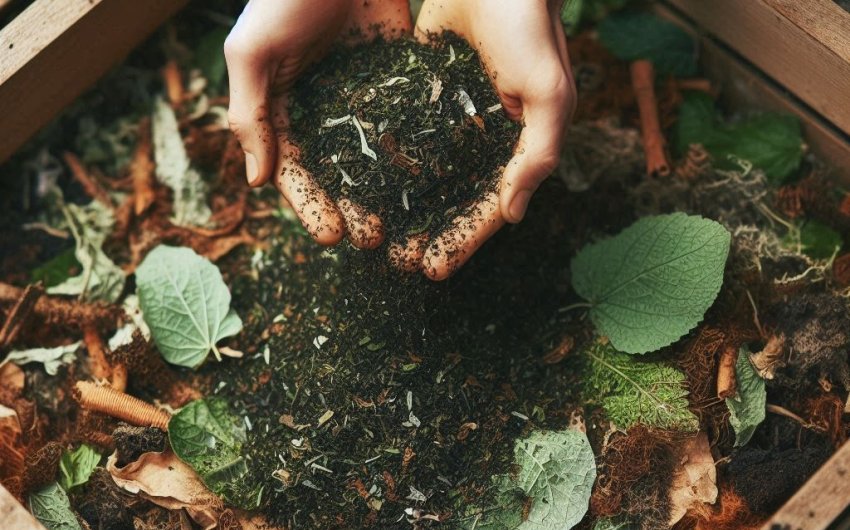
You're cleaning out your pantry, and you come across those old spice jars – dried basil from three years ago, a mysterious blend that's lost its scent, or a bag of whole peppercorns that never got used. They're past their prime for cooking, but the composting question pops into mind: Can I compost expired herbs and spices? It's a valid query for any gardener looking to reduce waste and enrich their soil.
The straightforward answer is yes, you can compost expired herbs and spices. They are natural, organic materials that will eventually break down and add their small contribution to your compost. However, like with many food-related items, there are a few considerations to ensure they decompose effectively and don't cause any unexpected issues in your compost pile. Let's explore how to safely and efficiently turn these aromatic discards into valuable organic matter for your garden.
Why Compost Expired Herbs and Spices?
Composting is an amazing way to transform organic waste into a rich, dark soil amendment. It's good for the environment, reduces landfill waste, and helps your garden thrive. So, what are the specific benefits of adding expired herbs and spices to your compost pile?
They Are Organic Matter
At their core, all herbs and spices originate from plants. They are completely organic materials composed of plant fibers, essential oils, and various compounds. When they decompose, they contribute to the overall organic content of your compost. This improves soil structure, enhances water retention, and provides a slow release of nutrients for plants.
Source of Carbon and Micronutrients
Dried herbs and spices are primarily carbon-rich, making them good "brown" materials for your compost pile. They can help balance out your wetter, nitrogen-rich "green" scraps. While the quantities are small, they also contain trace amounts of various micronutrients that were present in the original plant, which can contribute to the nutritional profile of your finished compost.
Add Diversity to Your Compost
A diverse mix of materials leads to a healthier, more robust compost pile. Adding a variety of "browns" and "greens," including small amounts of unique items like herbs and spices, can encourage a wider range of beneficial microorganisms, leading to more efficient decomposition.
Reduces Household Waste
Every little bit of waste you can divert from the landfill counts. Composting your expired herbs and spices is a simple way to further reduce your household's waste stream. Instead of just tossing them, you're giving them a second life as a valuable garden resource, contributing to a more sustainable and circular household system.
What Are the Challenges of Composting Expired Herbs and Spices?
While generally safe, there are a few considerations when adding expired herbs and spices to your compost pile, mainly related to their physical form and potent properties.
Slow Decomposition of Whole Spices
This is the main challenge. Whole spices, like whole peppercorns, star anise pods, cinnamon sticks, or bay leaves, are very hard, dense, or fibrous. They are designed to last and protect the plant's compounds.
- If added whole, they will take a very long time to decompose. You will likely find them still recognizable in your finished compost, similar to avocado pits or woody stems.
- Their hard, smooth surfaces also offer little area for microbes to attack.
Potential Pest Deterrence (and Attraction)
This is a double-edged sword. Some strong spices like chili powder or black pepper are often touted as pest deterrents.
- Deterrence: While they might deter some larger animals from the immediate area, the effect is generally temporary and quickly diminished as the spices break down.
- Attraction (Minor): Conversely, some very sweet or aromatic spices (e.g., vanilla beans, star anise) might theoretically attract very specific insects, though this is a very minor concern in a well-managed compost pile.
- Avoid Very Hot Spices in Large Amounts: While usually fine in small amounts, adding large quantities of very hot spices (like pure chili powder or cayenne) might be an irritant to some beneficial microbes or to your skin/lungs when turning the pile. It's generally not a common practice or problem, but moderation is key.
Essential Oils and Anti-Microbial Properties
Many herbs and spices contain essential oils and other compounds that give them their distinct flavors and aromas. Some of these compounds have anti-microbial properties, meaning they can inhibit the growth of bacteria and fungi.
- Impact on Compost: While beneficial in food preservation, in large quantities, these compounds could theoretically slow down the decomposition process in your compost pile by inhibiting the very microbes you want to encourage.
- Mitigation: However, in typical household quantities, the amount of these compounds is very small relative to the overall volume of the compost pile. They also break down over time. So, for the average home composter, this is usually a negligible concern.
How to Safely Compost Expired Herbs and Spices?
To ensure your expired herbs and spices decompose effectively and don't cause any issues, preparation and good compost management are key.
1. Shred or Grind Them – This is Crucial for Whole Spices!
This is the most important step for speeding up decomposition, especially for whole spices.
- Increase Surface Area: The smaller the pieces, the more surface area is exposed to the composting microbes, and the faster they will break down.
- Grind Whole Spices: For whole spices like peppercorns, whole allspice, cinnamon sticks, or bay leaves, use a spice grinder electric spice grinder or even a coffee grinder (that you dedicate to spices/compostables) to grind them into a powder. If you don't have a grinder, smash them with a mortar and pestle mortar and pestle set or a hammer (in a bag).
- Chop Dried Herbs: Dried leafy herbs (like basil, oregano, thyme) can be easily crumbled or roughly chopped with scissors.
Powdered or finely ground spices will decompose much faster than whole ones.
2. Use Small Quantities and Distribute Evenly
- Moderation: Herbs and spices are highly concentrated. Add them in small quantities to your compost pile. A few spoonfuls or a few empty jars' worth at a time is fine.
- Spread it Out: Don't dump a large clump in one spot. Instead, sprinkle them over a wider area of your compost pile as you add other materials. This ensures even distribution and better incorporation.
- Mix Well: When turning your compost, make sure the spices are thoroughly mixed in with the other "green" and "brown" materials.
3. Bury Deep in an Active Compost Pile
While herbs and spices are generally less attractive to pests than cooked food, it's still good practice to bury them.
- Hide from Pests: Burying prevents any curious critters from investigating unusual smells.
- Promote Decomposition: Placing them in the active, warm center of your compost pile ensures they are exposed to the highest microbial activity, speeding up their breakdown.
- Cover Completely: Always cover the herbs and spices with several inches of other compost materials immediately after adding them.
4. Maintain a Balanced and Aerated Compost Pile
A healthy, active compost pile is the best defense against any potential issues and ensures efficient decomposition.
- Carbon-to-Nitrogen Balance: Ensure your pile has a good mix of "brown" (carbon-rich) and "green" (nitrogen-rich) materials. Dried herbs and spices are mostly brown.
- Aeration: Regular turning of your compost pile is crucial. This introduces oxygen, which is essential for aerobic microbes that break down organic matter efficiently. Lack of oxygen leads to slower, smelly decomposition. Use a compost turning fork or a compost aerator.
- Moisture: Keep the compost consistently moist, like a wrung-out sponge, but not waterlogged.
5. Consider a Hot Compost Pile (for faster results)
If you're looking for the quickest breakdown of all materials, including herbs and spices, aim for a hot compost pile.
- High Temperatures: A hot pile consistently reaches 130-160°F (55-70°C). These temperatures significantly accelerate decomposition.
- Rapid Breakdown: The intense heat and microbial activity in a hot pile will quickly break down the volatile compounds in spices and ensure their smooth integration into the compost.
- Monitoring: You can use a compost thermometer to monitor your pile's temperature.
What Kind of Compost Setup Works Best?
Most standard compost setups can handle expired herbs and spices, but some offer advantages.
Any Well-Managed Compost System
- Open Piles: Are fine, as long as you mix the spices in well and cover them.
- Enclosed Bins: Are also fine, and offer the advantage of containing any lingering aromas during the initial breakdown phase. A compost bin with a lid is always a good idea.
- Compost Tumblers: Excellent for rapid mixing and heat generation, which is great for spices. A compost tumbler makes aerating very easy.
Worm Composting (Vermicomposting): Use with Caution and in Very Small Amounts
While worms can technically process herbs and spices, it's generally best to add them in very small quantities to a worm bin.
- Strong Aromas: Strong essential oils might deter worms or other beneficial microbes if added in large concentrations.
- Slow Breakdown: Whole or large pieces will break down slowly and can remain in the bin.
- Recommendation: If you're going to add them, grind them very finely and add them very sparingly, mixing them well into the bedding. Observe your worms' reaction. Most worm composters stick to traditional garden composting for spices.
Beyond the Compost Bin: Other Uses for Expired Herbs and Spices
If you have a lot of expired herbs and spices and don't want to compost them, or are looking for other uses, here are some ideas:
Potpourri or Sachets
- Aromatic Uses: While they might not be strong enough for cooking, many expired herbs and spices still retain enough fragrance for potpourri. Mix them with dried flower petals, citrus peels, and a few drops of essential oil to refresh a room.
- Sachets: Create small sachets to freshen drawers or closets. Spices like cinnamon, cloves, and star anise work well.
Natural Pest Deterrents (Outside)
- Around Plants: Some strong-smelling spices (like cayenne pepper or chili flakes) can be lightly sprinkled around plants (not on them) to temporarily deter squirrels, rabbits, or other critters. Be very cautious if you have pets, as ingesting large amounts could be irritating.
- Ant Repellent: A line of cinnamon or pepper can sometimes deter ants from crossing a barrier (like a windowsill), though this is often a temporary solution.
Art and Crafts
- Natural Dyes: Some spices like turmeric, paprika, or saffron can be used to create natural dyes for fabrics or paper, though they might not be as vibrant as fresh pigments.
- Sensory Bins: For children's sensory play, old herbs and spices (mixed with rice or beans) can provide interesting textures and smells.
In conclusion, composting expired herbs and spices is a safe and beneficial practice for your garden and for reducing household waste. The key is to prepare them properly by grinding whole spices, adding them in small, distributed quantities, and incorporating them into a well-managed, active compost pile. With these steps, you can confidently turn your old pantry items into a rich contribution to your vibrant compost.