
Is it okay to compost cooked vegetables with oil or seasoning?
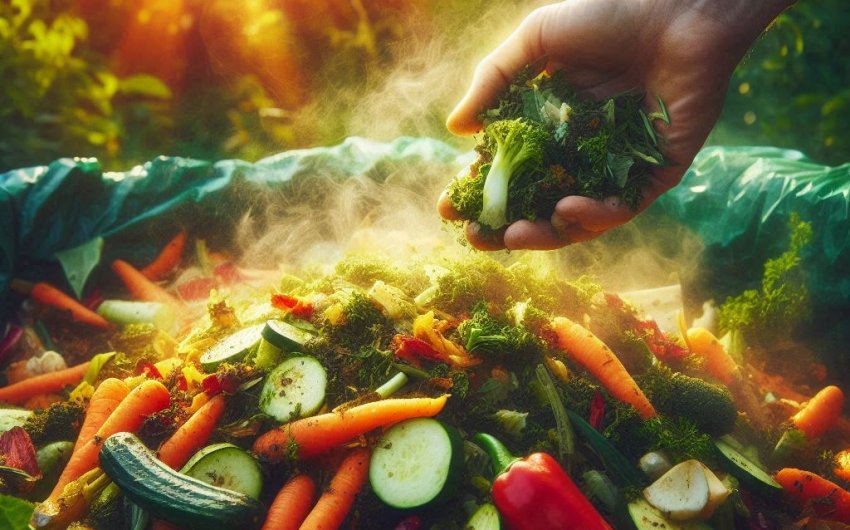
After a delicious meal, you're left with a handful of leftover cooked vegetables – maybe some roasted broccoli, a spoonful of sautéed greens, or a few seasoned potato chunks. As a dedicated composter, you instantly wonder, "Can I compost cooked vegetables with oil or seasoning?" This is a common question, as many composting guides caution against adding fats, oils, and sometimes even seasoned foods to the compost pile.
The truth is, yes, you can compost cooked vegetables with oil or seasoning, but it comes with a significant "how-to" caveat. Simply tossing them into an open compost bin without proper management can lead to problems like attracting pests and creating foul odors. However, with the right techniques, these leftovers are perfectly safe and beneficial additions, contributing valuable nutrients and organic matter to your garden. This comprehensive guide will explain the best practices for safely and effectively composting your seasoned and oily cooked vegetable scraps, helping you reduce food waste and enrich your soil.
Why Do People Usually Avoid Composting Oily or Seasoned Cooked Foods?
Before we dive into the safe methods, it's important to understand the reasons behind the common advice to avoid cooked foods, especially those with fats and seasonings, in compost. These concerns are very valid, particularly for traditional, open compost piles.
1. Attracting Pests
This is the number one reason to be cautious. Cooked foods, especially those with fats and proteins, create strong, appealing odors as they begin to decompose. These smells are highly attractive to a wide range of unwanted visitors:
- Rodents: Mice and rats are opportunistic feeders and will quickly be drawn to easily accessible food scraps like cooked vegetables. They can infest a compost pile, nest in it, and even try to get into your home.
- Flies: House flies, fruit flies, and other insects are attracted to decomposing food. They can lay eggs, leading to maggots and a general nuisance around your compost area.
- Larger Scavengers: Raccoons, opossums, skunks, and even bears (in rural areas) can be drawn to the smell and make a significant mess of an unprotected compost pile.
2. Odor Production
If cooked foods, especially those with oil and seasonings, don't get enough oxygen during decomposition, they can quickly go anaerobic. This means they break down without air, producing very strong, unpleasant, putrid, or sour smells. This is not only a nuisance to you and your neighbors but also a sign that your compost pile is out of balance and can exacerbate pest problems. Fats, in particular, can go rancid and contribute significantly to bad odors.
3. Slow Decomposition of Fats and Oils
Fats and oils are generally slower to break down in a compost pile compared to carbohydrates (like plain fruit peels) or simple proteins. While they will eventually decompose, large quantities of fatty foods can:
- Slow Down the Process: Form a greasy layer or clump together, reducing aeration and slowing down overall decomposition.
- Go Rancid: If not properly incorporated and aerated, fats can become rancid, contributing to unpleasant smells.
4. Seasonings and Salt Content
Concerns about seasonings and salt are often raised.
- Salt: High levels of salt can be detrimental to soil health and plant growth if too much accumulates in the finished compost. It can also inhibit the microbial activity in the compost pile.
- Other Seasonings: While most dried herbs and spices (as discussed in a previous post) are fine in moderation, very strong or concentrated seasonings, especially artificial ones, are best avoided in large quantities, simply because they don't add much benefit and could theoretically alter the microbial balance (though this is a minor concern).
What Types of Cooked Vegetables and Seasonings are We Talking About?
When we discuss composting cooked vegetables with oil or seasoning, we're typically referring to:
- Cooked Vegetable Scraps: Steamed broccoli, roasted carrots, sautéed spinach, boiled potatoes (peels or chunks), grilled zucchini, etc.
- Oils: Small amounts of cooking oils used to prepare these vegetables, like olive oil, vegetable oil, butter, or pan drippings from vegetarian dishes.
- Seasonings: Salt, pepper, herbs (fresh or dried), garlic powder, onion powder, paprika, curry powder, etc.
It's important to differentiate these from:
- Meat, Bones, Dairy: These are generally still discouraged for home composters unless you have a very robust, hot, and well-secured system (like commercial composting facilities). They pose a much higher risk of attracting large pests and can introduce pathogens. This post focuses solely on vegetarian cooked food with oils/seasoning.
- Heavily Processed Foods: Things like highly processed sugary desserts, large amounts of greasy fast food, or very salty items are still best avoided due to high fat, sugar, or salt content.
How to Safely Compost Cooked Vegetables with Oil or Seasoning?
The key to successfully composting cooked vegetables with oil or seasoning is a combination of proper preparation, meticulous compost pile management, and thoughtful placement. It's all about controlling odor and preventing pest attraction.
1. Small Quantities Are Essential
- Moderation is Key: Do not add large amounts of cooked, oily, or seasoned vegetables at once. A single meal's leftovers (a cup or two) are usually fine.
- Spread It Out: If you have more, spread out the additions over several days or weeks, rather than dumping a large batch all at once. This prevents overwhelming the compost pile's capacity to break them down quickly and minimizes odor.
2. Shred, Chop, or Cut into Small Pieces
- Increase Surface Area: Smaller pieces decompose much faster. Chop or cut larger cooked vegetable pieces into smaller bits (1-2 inches) before adding them. This is less about tough texture (as they are already cooked soft) and more about increasing the surface area for microbes to act on, speeding decomposition.
- Avoid Large Clumps: Break apart any large clumps of rice, pasta, or sticky vegetables. Evenly distributing them prevents them from becoming a dense, anaerobic mess.
3. Bury It Deep in an Active, Hot Pile
This is the most critical step for preventing pests and odors.
- Active, Hot Pile Only: Only add cooked vegetables (especially with oil or seasoning) to a hot, active compost pile. This means a pile that is consistently getting warm (ideally 100°F+ or 38°C+, but preferably 130-160°F or 55-70°C in the center) due to vigorous microbial activity. A fast, hot pile will break down these materials quickly before they have a chance to smell bad or attract pests.
- Bury Deep: Never leave cooked food scraps on the surface of your compost pile. Always dig a hole in the center of the pile, deep enough that you can completely cover the food waste with at least 6-8 inches of other compost materials.
- Cover Completely: After adding the food, cover it immediately and thoroughly. Use a good layer of "brown" materials (like dry leaves, wood chips, shredded paper, or straw) and "green" materials (like fresh grass clippings or other kitchen scraps). This buries the smell, provides a physical barrier to pests, and ensures the food is surrounded by balanced materials for decomposition.
4. Balance with Plenty of "Brown" Materials
Cooked vegetables are moist and generally considered "greens" (nitrogen-rich), and oils/fats also contribute to the "green" side. To ensure proper decomposition and prevent a slimy, smelly pile, you need to balance them with dry, carbon-rich "brown" materials.
- High Carbon Content: For every small amount of cooked vegetables, make sure you add a significant amount of dry, carbon-rich materials. Aim for roughly a 2:1 or 3:1 ratio of browns to greens by volume for your overall pile.
- Why Balance? The "browns" absorb excess moisture (preventing sogginess), provide bulk, and ensure there's enough carbon for the microbes to break down the nitrogen-rich food waste and fats without creating foul odors. They also create crucial air pockets for aerobic decomposition.
5. Keep the Pile Aerated (Turn Regularly)
Proper airflow is crucial for avoiding anaerobic (smelly, oxygen-starved) decomposition.
- Prevent Anaerobic Conditions: When compost becomes compacted or too wet, it loses oxygen and goes anaerobic, leading to foul, sour, or rancid smells.
- Regular Turning: Turn your compost pile regularly with a pitchfork compost turning fork or a compost aerator compost aerator. This introduces oxygen, mixes materials (distributing the cooked veg), and helps maintain even moisture and temperature. For a hot pile, turning every few days to a week is ideal.
6. Maintain Proper Moisture Levels
Compost should always be damp, like a wrung-out sponge.
- Not Too Wet: Cooked vegetables can add a lot of moisture. If your pile gets too soggy, add more dry "brown" materials to absorb the excess moisture.
- Not Too Dry: A pile that is too dry will not decompose efficiently. Ensure it has enough moisture to support microbial activity.
7. Considerations for Seasonings and Salt
- Small Amounts are Fine: In the quantities typically found on leftover vegetables, salt and common seasonings like dried herbs and spices (as previously discussed) are generally fine for a healthy compost pile. They will dilute and break down.
- Avoid Excessive Salt: Do not add very large quantities of pure salt or extremely salty brine to your compost. High salt concentrations can inhibit microbial activity and be detrimental to soil health.
- No Harmful Chemicals: Ensure seasonings don't contain any non-organic or harmful chemicals. For typical household spices, this is rarely an issue.
What Kind of Compost Setup Works Best for Cooked Vegetables with Oil or Seasoning?
The type of compost system you use can significantly impact how successfully you can compost cooked vegetables and other cooked food waste.
Enclosed Bins or Tumblers: Highly Recommended
For composting any cooked food waste, especially those with oils or seasonings, an enclosed compost bin or a compost tumbler is by far the safest and most effective choice for home composters.
- Pest Deterrent: These systems are designed to be pest-proof, with sealed lids and sturdy construction that effectively keeps out rodents, flies, and other scavengers. This is their primary advantage for cooked foods.
- Odor Containment: The enclosed nature helps contain any potential odors, though if managed correctly (with proper aeration and carbon/nitrogen balance), there shouldn't be much smell at all.
- Temperature Control: Tumblers, in particular, are excellent for achieving and maintaining high temperatures, as they are easy to turn and mix frequently, speeding up decomposition.
- Convenience: Many are easy to turn, making aeration simple and ensuring quick decomposition.
Consider investing in a sturdy compost tumbler or a well-sealed enclosed compost bin if you plan to compost cooked food scraps regularly.
Open Piles: Use with Extreme Caution and Limited Amounts
Composting cooked vegetables with oil or seasoning in an open compost pile is generally not recommended due to the very high risk of attracting pests. If you absolutely must use an open pile:
- Strict Burial: You must bury the food scraps very deeply in the center of a very active pile, completely covered by several inches of other materials.
- No Surface Exposure: Never, ever leave cooked food scraps exposed on the surface.
- Frequent Turning: Turn your pile even more frequently to ensure rapid breakdown and discourage pests.
- Monitor Closely: Be extra vigilant for any signs of pests (tracks, droppings, or actual sightings) and address them immediately. Any persistent pest problem means you should stop adding cooked food to an open pile.
Worm Composting (Vermicomposting): Use with Caution and in Very Small Amounts
While worms can technically eat cooked vegetables, especially soft ones, adding those with oil or heavy seasoning to a worm bin is generally approached with caution.
- Fats/Oils: Larger amounts of oil or fat can be difficult for worms to process, can go rancid, and can attract undesirable organisms like mites or even fruit flies to your worm bin.
- Salt/Seasoning: High salt levels can harm worms.
- Recommendation: If you do add them, do so in very small quantities, ensure there's minimal oil/fat, and always bury them deeply within the worm bedding. Observe your worms' reaction. For peace of mind and the health of your worm bin, it's often safer to stick to raw fruit and vegetable scraps and use traditional hot composting for cooked food waste.
Tips for Success with Cooked Food Composting
Here are a few additional tips to help you successfully compost your cooked vegetables with oil or seasoning:
1. Store Before Composting
If you're collecting scraps in your kitchen before taking them to the main compost bin, store cooked food waste properly.
- Airtight Container: Use an airtight kitchen compost bin to store food scraps until you take them out. This helps contain odors in your kitchen.
- Freezing: If you have more than a small amount or can't get out to the compost pile frequently, freezing cooked food scraps is a great strategy. It pauses decomposition and helps break down the cell structure, which speeds up composting once they thaw in the pile.
2. Monitor Temperature and Smell
Your senses are your best composting tools.
- Temperature: If you have a compost thermometer, aim for internal temperatures of at least 130°F (55°C) when composting cooked food. This heat helps break down food rapidly and kills off potential pathogens and pest larvae.
- Smell: If your compost pile starts to smell sour, putrid, or rancid (a sign of fats going bad), it's a clear indication that it's going anaerobic. This means it lacks oxygen or has too much nitrogen/moisture/fat. Immediately add more "brown" materials and turn the pile thoroughly to introduce oxygen.
3. Mix Different Materials
A diverse mix of materials creates the healthiest and most efficient compost pile. Don't just add cooked vegetables; make sure you're adding a variety of "greens" (other raw fruit/veg scraps, coffee grounds) and plenty of "browns" (leaves, shredded cardboard, wood chips). This ensures a balanced carbon-to-nitrogen ratio and good structure.
By understanding the unique properties of cooked vegetables with oil or seasoning and implementing these safe composting practices, you can confidently turn your kitchen discards into a valuable resource for your garden. It's a satisfying way to minimize waste and contribute to a healthier, more sustainable home environment.