
Can I compost natural fiber clothes or cotton scraps?
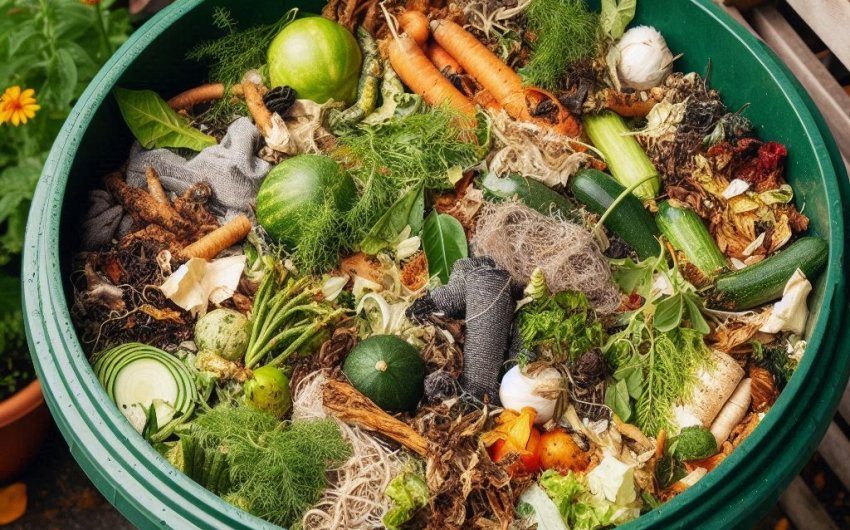
Can You Really Compost Old Clothes and Fabric Scraps?
Have you ever looked at a pile of old T-shirts, worn-out jeans, or fabric scraps from a sewing project and wondered if there was a better way to get rid of them than just throwing them in the trash? Good news! For many natural fiber clothes and cotton scraps, the answer is a resounding yes – you can often compost them! This is a fantastic way to reduce waste, keep usable materials out of landfills, and create something valuable for your garden: rich, nutrient-filled compost.
Composting textiles might seem a bit unusual at first. We're used to thinking of kitchen scraps and yard waste for our compost bins. But just like leaves and food waste, natural fibers like cotton, linen, hemp, and wool are made from organic matter. This means they can break down over time with the help of tiny organisms, returning their goodness to the soil. It's all part of a circular system, turning what might seem like trash into a treasure for your plants. Let’s dive into how this works and what you need to know to compost your fabric scraps successfully.
Why Should You Consider Composting Textiles?
Composting your natural fiber clothing and fabric scraps isn't just a quirky idea; it's a smart move for several important reasons, benefiting both your home and the planet.
How Does Composting Textiles Help the Environment?
The fashion industry is a huge source of waste. Think about how many clothes are produced and then eventually thrown away. Landfills around the world are overflowing with textiles. When these fabrics, especially those made from synthetic materials like polyester (which is essentially plastic), sit in landfills, they can take hundreds of years to break down, or sometimes never truly disappear. They can also release harmful chemicals into the soil and water.
By choosing to compost natural fibers, you’re directly addressing this problem. You're diverting waste from landfills, which reduces the amount of space needed for trash and lowers the production of harmful greenhouse gases like methane that occur when organic materials rot in anaerobic (oxygen-free) landfill conditions. You're also promoting a circular economy, where resources are reused and recycled instead of being constantly extracted and then discarded. It's a small action that adds up to a big positive impact on our planet, helping to ease the burden on our already strained waste management systems.
What Are the Benefits for Your Compost Pile and Garden?
Beyond the environmental perks, adding natural fiber materials to your compost pile can actually improve the quality of your finished compost. Fabrics like cotton and linen are rich in carbon, which is a vital component for a healthy compost pile.
Compost needs a good balance of "greens" (nitrogen-rich materials like food scraps and fresh grass clippings) and "browns" (carbon-rich materials like dry leaves, cardboard, and, yes, textiles). Natural fiber clothes act as excellent "brown" material. They help create the right carbon-to-nitrogen ratio that compost microbes love. This balance ensures your compost pile heats up properly and breaks down efficiently, turning into that rich, dark, earthy material we call humus.
When this humus is added to your garden, it does wonders. It improves soil structure, helping sandy soils hold water better and loosening up heavy clay soils. It provides essential nutrients for plant growth, reducing the need for chemical fertilizers. It also encourages beneficial soil microbes and earthworms, creating a healthier, more vibrant ecosystem in your garden. So, your old T-shirt isn't just disappearing; it's being transformed into a vital building block for new life.
What Types of Natural Fibers Can Be Composted?
Not all fabrics are created equal when it comes to composting. It's crucial to know which materials will break down safely and effectively, and which ones should stay out of your compost bin.
What Natural Fibers Are Safe to Compost?
The golden rule for composting textiles is to stick to 100% natural fibers. These are materials that come directly from plants or animals and haven't been heavily processed with synthetic chemicals or dyes that could harm your compost or garden.
- Cotton: This is the most common and perhaps the easiest fabric to compost. Think old cotton T-shirts, denim jeans (unbleached, undyed, and without synthetic stretchy fibers), cotton towels, bed sheets, and cotton scraps from sewing. Make sure they are 100% cotton.
- Linen: Made from the flax plant, linen is another excellent compostable material. It's strong but breaks down well.
- Hemp: Similar to linen, hemp fabric is very compostable. It's known for its durability but will decompose given the right conditions.
- Ramie: A plant fiber, ramie is also suitable for composting.
- Jute: Often used for bags or twine, jute is another plant-based fiber that breaks down well.
- Bamboo (Viscose/Rayon from Bamboo): This one can be a bit tricky. While bamboo itself is natural, most bamboo fabric (often labeled bamboo viscose or bamboo rayon) undergoes a chemical process to turn it into a soft fiber. Some sources suggest it's compostable, but it's important to be sure no harsh chemicals are left in the final product. If in doubt, avoid it or do a small test batch.
- Wool: Sheep's wool and other animal hairs like alpaca or cashmere are also compostable. They are protein fibers and break down slowly, adding nitrogen to your pile. Just be sure the wool isn't treated with harsh chemicals or moth-proofing agents.
When in doubt, check the label! If it says 100% cotton, 100% linen, or 100% wool, you're likely good to go.
What Should You Absolutely Avoid Composting?
Just as important as knowing what to compost is knowing what not to compost. Adding the wrong materials can contaminate your compost, slow down the decomposition process, or introduce harmful substances into your garden.
- Synthetic Fibers: This is the big no-no. Polyester, nylon, acrylic, spandex (also known as Lycra), rayon (unless specifically labeled bamboo viscose with caution), and microfiber are all types of plastic. They will not break down in a typical backyard compost pile. Instead, they will just sit there, or break into smaller and smaller pieces of microplastic, which can pollute your soil.
- Blends: Watch out for fabrics that are a mix of natural and synthetic fibers, like a cotton-polyester blend or wool-nylon blend. Even if it's 50% cotton, the synthetic portion will remain, creating microplastic pollution in your compost. It's often safer to assume blends are not compostable unless you are absolutely certain of every fiber's origin and treatment.
- Fabrics with Embellishments: Anything with metal zippers, buttons (plastic or metal), sequins, beads, glitter, or elastic bands should not go into the compost. These materials will not break down and will just become litter in your finished compost. You'll have to pick them out later, which is a hassle. Remove all such non-textile items before composting.
- Heavily Dyed or Chemically Treated Fabrics: While some dyes are natural and harmless, many conventional clothing dyes contain heavy metals and other chemicals that you don't want in your garden soil. If a fabric is very brightly colored or seems like it's been heavily processed, it's safer to avoid composting it. Organic, undyed, or naturally dyed fabrics are ideal.
- Fabrics Contaminated with Harmful Substances: Do not compost rags that have been used to wipe up oil, grease, paints, solvents, pesticides, or cleaning chemicals. These substances will contaminate your compost and, subsequently, your garden.
- Pet Waste Contaminated Fabrics: Avoid composting any fabrics that have been heavily soiled with pet waste, as this can introduce harmful pathogens into your compost.
Always read labels carefully. If a garment says "stretch denim," it likely contains spandex and is not compostable. When in doubt, leave it out!
How Do You Prepare Textiles for Composting?
Simply tossing a whole T-shirt into your compost bin won't do much good. To ensure your natural fiber clothes and scraps break down efficiently, a little preparation is key. Think of it like chopping up your vegetable scraps – smaller pieces compost faster.
What's the Best Way to Cut Fabric Scraps?
The smaller you cut your fabric, the faster it will break down. Large pieces of cloth will take a very long time to decompose, sometimes even years. Aim for pieces no larger than 1-2 inches.
- Scissors: For smaller quantities of fabric, a good pair of sharp fabric scissors or even kitchen shears will work. Cut the material into tiny squares or strips.
- Shredder: If you have a large amount of fabric, like old jeans or bed sheets, consider using a paper shredder (if it can handle fabric, check the manual first!) or even tearing the fabric into strips by hand before cutting them into smaller pieces. Some industrial shredders can handle textiles, but for home composting, manual cutting is usually the way to go.
- Tearing: Even simply tearing cotton fabrics into smaller pieces can help. The ragged edges provide more surface area for microbes to work on.
Think about how you prepare other "brown" materials like cardboard. You wouldn't throw a whole cardboard box in; you'd tear it up. Do the same for your textiles.
Should You Remove Labels, Zippers, and Buttons?
Absolutely, yes! This step is non-negotiable. Any non-compostable parts of the garment must be removed before you add the fabric to your compost pile.
- Zippers: These are almost always made of metal or plastic and will not break down. Cut them off completely.
- Buttons: Most buttons are made of plastic, metal, or treated wood. Remove all buttons.
- Snaps and Rivets: Common on jeans and other sturdy clothing, these metal fasteners must be removed.
- Labels: Many clothing labels are made of polyester or other synthetic materials. Carefully snip them off.
- Elastic: Any elastic bands or stretchy sections, common in waistbands or cuffs, usually contain spandex or rubber, neither of which are compostable. Cut these sections out.
- Drawstrings: If drawstrings are synthetic, remove them. If they are natural fibers like cotton, they can stay.
- Synthetic Thread: While hard to remove entirely, if a garment is sewn with polyester thread, those tiny bits will remain in your compost. For home composting, this is generally accepted as a minor imperfection, but it's worth noting. If you're a textile purist, you might only compost fabric scraps from projects where you've used cotton thread.
The goal is to have pure, uncontaminated natural fiber scraps ready for your compost bin. It takes a little extra effort, but it ensures your compost remains clean and beneficial for your garden.
How Do You Add Textiles to Your Compost Pile?
Once your natural fabric scraps are clean and cut into small pieces, it's time to add them to your compost pile. But don't just dump them all in one spot! Proper layering and moisture are key to successful decomposition.
How Should You Layer Textiles in Your Compost Bin?
Think of your compost pile as a lasagna. You want layers of different materials to create the ideal environment for decomposition. Textiles act as a "brown" material, meaning they are rich in carbon.
- Mix Browns and Greens: Don't put a huge pile of fabric scraps in at once. Instead, add them gradually, mixing them in with your "green" materials (like fresh grass clippings, fruit and vegetable scraps, or coffee grounds). A good ratio to aim for is roughly two to three parts "browns" to one part "greens."
- Avoid Matting: If you add a lot of fabric scraps in one thick layer, they can mat together and restrict airflow. This can lead to smelly, slow decomposition. Spread them out evenly throughout the pile.
- Bury Them: Bury your fabric scraps within the active part of your compost pile, not just on top. This helps them break down faster and prevents attracting pests.
- Consider Volume: Don't let textiles make up a huge percentage of your overall compost pile, especially if you're just starting out. A small to moderate amount of fabric scraps (e.g., 5-10% of the total volume) is a good target.
What is the Importance of Moisture and Air Circulation?
Moisture and air circulation are absolutely critical for successful composting. Without enough of either, your compost pile will slow down, become smelly, or simply won't decompose properly.
- Moisture: Your compost pile should feel like a wrung-out sponge – damp, but not soaking wet. If your fabric scraps are very dry, moisten them slightly before adding them, or add them along with wetter "green" materials. If your pile seems too dry, give it a good soak with a garden hose or a watering can. Too wet, and it will become slimy and anaerobic.
- Air Circulation (Turning): This is where those tiny microorganisms get the oxygen they need to do their work. Regular turning of your compost pile is essential.
- Frequency: Aim to turn your compost pile every week or two, especially during warmer months when decomposition is active. If your pile is very active (steaming and hot), you might turn it more often.
- Method: Use a compost fork or a compost aerator tool to thoroughly mix the materials. This moves materials from the outside to the inside, helping everything break down evenly. It also breaks up any compacted areas, including matted fabric.
- Benefits: Turning prevents bad odors, speeds up decomposition, and ensures all materials, including your fabric scraps, get the oxygen and moisture they need to break down.
Patience is also key here. While smaller food scraps might disappear quickly, textiles will take longer. Regular turning and proper moisture will significantly speed up their journey to becoming beautiful compost.
How Long Does It Take for Textiles to Decompose?
Composting is a natural process, and like all natural processes, it takes time. How long your natural fiber clothes and scraps take to fully decompose depends on several factors. It's not an overnight transformation, so patience is a virtue here!
What Factors Influence Decomposition Time?
Several elements play a role in how quickly your fabric scraps turn into rich compost:
- Size of Scraps: This is probably the biggest factor. As mentioned earlier, smaller pieces break down much faster. A tiny 1-inch square of cotton will disappear far quicker than a 6-inch strip of denim.
- Type of Fiber:
- Cotton and linen tend to break down relatively quickly compared to other textiles, especially if cut small.
- Wool and other animal fibers are protein-based and tend to break down more slowly, similar to bones or wood. They are still excellent compost additions, but expect them to take a bit longer.
- Thicker, denser fabrics (like heavy denim or canvas) will also take longer than thin cotton T-shirt material.
- Compost Pile Conditions:
- Heat: A hot, active compost pile (one that reaches temperatures of 130-160°F or 54-71°C) will decompose materials, including textiles, much faster than a cold pile.
- Moisture: The ideal moisture level (like a wrung-out sponge) is crucial. Too dry, and decomposition slows to a crawl. Too wet, and it can become anaerobic and smelly.
- Aeration (Turning): Regular turning introduces oxygen, which is vital for the microorganisms that break down organic matter. A well-aerated pile will decompose faster.
- Carbon-to-Nitrogen Ratio: A balanced mix of "greens" (nitrogen) and "browns" (carbon, including textiles) ensures the microbes have all the nutrients they need to thrive and work efficiently.
What Is a Realistic Timeline for Composting Textiles?
Given ideal conditions (small pieces, hot pile, good moisture and aeration), you might see thinner cotton or linen fabric scraps begin to disappear within a few months. However, for thicker materials like denim or wool, or in a less active, cooler compost pile, it could take anywhere from 6 months to over a year for the fabric to fully integrate into the compost.
You might notice that the fabric first starts to lose its color, then becomes softer and weaker, and eventually blends into the rest of the compost. Don't be surprised if you occasionally find recognizable, but much degraded, bits of fabric when you're turning your pile or harvesting finished compost. These pieces will continue to break down as they remain in the compost or are added to your garden soil.
The key is to integrate the textiles properly into your compost routine, treating them as another valuable "brown" material, and letting nature do its work over time. It's a process of patience and observation, but the reward of healthy soil and less landfill waste is well worth it.
What Are Some Best Practices for Composting Fabric?
To make your textile composting efforts as successful and hassle-free as possible, keeping a few best practices in mind can make a big difference. These tips will help ensure your compost pile stays healthy and your fabric breaks down efficiently.
How Can You Speed Up the Decomposition Process?
- Chop it Fine: As emphasized, the smaller the pieces, the faster they will decompose. This applies to all compostable materials, but it’s especially true for dense items like fabric. Think of it like shredding paper versus tossing in a whole newspaper.
- Maintain Moisture: Always ensure your compost pile has the right moisture level – damp like a wrung-out sponge. If your fabric scraps are dry, mist them with water or add them along with wetter materials. Dry fabric will just sit there.
- Turn Regularly: Frequent turning introduces oxygen, which fuels the decomposition process. Aim to turn your pile every 1-2 weeks. This also helps distribute the fabric scraps evenly and prevents them from matting.
- Balance "Greens" and "Browns": Fabric scraps are "brown" (carbon-rich) materials. Make sure you're balancing them with enough "greens" (nitrogen-rich materials) like food scraps, grass clippings, and fresh plant trimmings. A good carbon-to-nitrogen ratio is vital for an active, hot pile.
- Hot Composting: If you're serious about speed, aim for hot composting. This involves building a large pile (at least (3 \times 3 \times 3) feet or (0.9 \times 0.9 \times 0.9) meters), maintaining the correct moisture, and turning frequently to keep temperatures high (130-160°F or 54-71°C). A hot pile will break down textiles much faster.
What Should You Do with Finished Compost Containing Fabric Bits?
Even with the best practices, you might find small, recognizable fragments of fabric in your finished compost. This is completely normal and nothing to worry about, as long as they are truly natural fibers.
- Don't Worry About Small Bits: If you find tiny, thread-like pieces or very small, soft remnants of cotton, they are still decomposing and will continue to do so when mixed into your garden soil. They won't harm your plants or soil. In fact, they will continue to release nutrients over time.
- Sifting (Optional): If you desire a very fine, uniform compost for potting mixes or seed starting, you can sift your finished compost through a compost sifter or a screen. Any larger, undecomposed pieces of fabric (or other materials) can then be returned to your active compost pile for another round of decomposition.
- Direct Application: For most garden beds, simply mix your finished compost, fabric bits and all, directly into the soil. It will continue to break down, enriching your garden and providing beneficial organic matter.
What Are Alternatives to Composting Textiles?
Even with the best intentions, some textiles simply aren't suitable for home composting, or you might have items that are still perfectly usable. Before you even consider composting, think about other ways to extend the life of your fabrics.
When Should You Repurpose or Donate Clothes?
Repurposing and donating are often the very first options you should consider for old clothing and fabric. These methods give items a second life and are generally more resource-efficient than even composting.
- Donate Wearable Clothes: If clothes are still in good condition, clean, and free of major rips or stains, donate them to thrift stores, charities, or local shelters. This allows others to use them, reducing the demand for new clothing production. Many organizations, like Goodwill, accept a wide range of clothing.
- Repurpose Worn Clothes: Even if an item isn't suitable for donation, it might be perfect for repurposing around your home or for craft projects.
- Cleaning Rags: Old T-shirts, towels, and sheets make excellent, absorbent cleaning rags that can be washed and reused many times. Keep a stash under your sink!
- Dust Cloths: Soft cotton or flannel works well for dusting.
- Art and Craft Projects: Fabric scraps can be used for quilting, patchwork, making doll clothes, rag rugs, or various DIY crafts. Search online for "fabric scrap projects" for endless ideas.
- Pet Bedding: Shredded cotton or old towels can provide comfortable bedding for pets (though often best to avoid highly dyed fabrics for this).
- Stuffing: Fabric scraps can be used as stuffing for pet toys or draft stoppers.
- Garden Ties: Strips of old cotton sheets or T-shirts can be used as soft ties for plants in your garden, a gentle alternative to plastic ties.
- Textile Recycling Programs: For clothes that are too worn or damaged to donate or repurpose, but are still made of the right fibers (even synthetics or blends!), look for textile recycling programs in your area. These programs can often take materials that can't be composted and turn them into things like insulation, carpet padding, or even new yarns. Companies like TerraCycle offer boxes for hard-to-recycle items, including textiles. Check with your local waste management facility for options.
Always prioritize reducing, reusing, and recycling before you compost. Composting is a fantastic end-of-life solution, but giving an item another life as clothing or a useful household item is often the most impactful first step.
What About Specialized Composting or Worm Composting?
While standard backyard composting is usually sufficient for most natural fiber textiles, there are other methods you might consider, especially if you have a lot of fabric or want to experiment.
- Worm Composting (Vermicomposting): Worms, particularly red wigglers (Eisenia fetida) found in worm composting bins, are fantastic at breaking down organic matter. You can add very small pieces of natural cotton or linen to your worm bin. The worms will consume the fabric as part of their diet.
- Caution: Keep the pieces very small (shredded is best) and don't add too much at once, as it can be slower for worms to process than softer food scraps. Avoid adding wool or dense denim to a worm bin, as it's too tough for them.
- Bokashi Composting: Bokashi is a type of fermentation, not true decomposition, that pickles food waste using beneficial microbes. While it's great for food scraps (even meat and dairy!), it's generally not recommended for textiles. Textiles don't undergo the same fermentation process and won't break down in a Bokashi bucket. After Bokashi, the fermented material still needs to be buried or added to a compost pile for final decomposition.
- Trench Composting: This is a simple method where you bury organic materials directly into a trench in your garden bed. You can certainly trench compost small, natural fabric scraps. They will break down over time in the soil, adding organic matter. This is a good option if you have limited space for a traditional compost pile. Just be mindful of what you're burying and avoid anything synthetic.
Ultimately, for most home composters, adding appropriate, prepped natural fiber scraps to a well-managed backyard compost pile is the most straightforward and effective method. It’s a rewarding way to close the loop on your textile consumption and contribute to a healthier garden and planet.