
How to Grow Potatoes in Containers Easily?
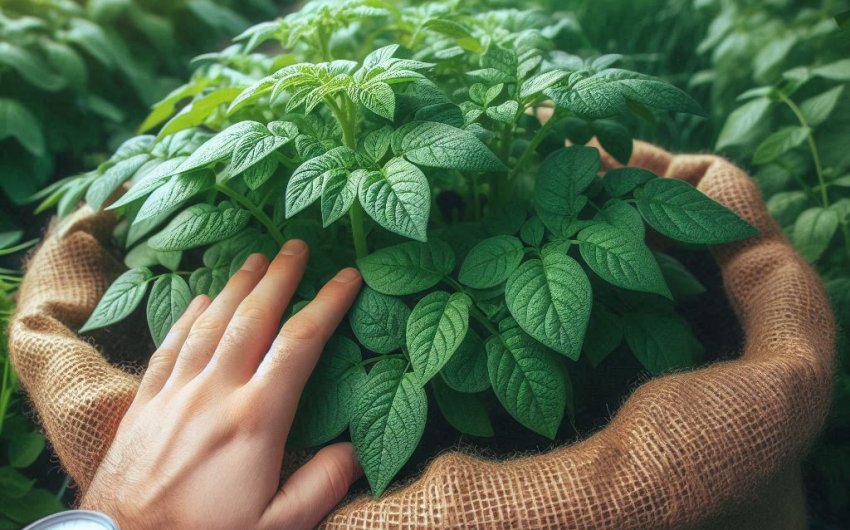
Why Grow Potatoes in Containers?
Have you ever dreamed of harvesting your own fresh potatoes, but thought you needed a huge garden patch to do it? Think again! Growing potatoes in containers is not only possible, but it's also incredibly easy, even for beginners or those with limited space. This method has become super popular, and for good reason!
One of the biggest advantages of container potato growing is that you don't need a traditional garden bed. You can grow them on a patio, balcony, deck, or even a small sunny spot in your yard. This makes fresh, homegrown potatoes accessible to almost everyone, no matter how small their outdoor space.
Another great benefit is the ease of harvesting. No more back-breaking digging through compacted soil! When your potatoes are ready, you simply tip over the container, and there they are, ready to be picked up. It's much cleaner and less effort. Plus, growing in containers can help protect your potatoes from some common soil-borne diseases and pests, giving you healthier plants and a better harvest. It's a fun and rewarding way to get delicious, organic potatoes right from your own home.
What Are the Best Containers for Growing Potatoes?
Choosing the right container is one of the most important steps for successful potato growing. Potatoes need plenty of room for their tubers (the actual potatoes!) to form and grow. They also need good drainage to prevent rot.
What Types of Grow Bags Work Well?
Fabric grow bags have become incredibly popular for container gardening, and they are especially fantastic for potatoes. These bags are made from a breathable, non-woven fabric, which offers several key advantages:
- Excellent Drainage: The fabric allows excess water to drain away freely, preventing waterlogging, which is deadly for potatoes.
- Air Pruning: The porous fabric naturally "air-prunes" the roots. When roots reach the edge of the bag, they stop growing outwards and instead branch out, creating a denser, healthier root system that can support more potato production.
- Temperature Regulation: Fabric bags help regulate soil temperature, keeping it cooler in hot weather and warmer in cool weather compared to plastic containers.
- Portability: Even large fabric bags are relatively easy to move around your yard if you need to chase the sun.
- Durability: Many grow bags are surprisingly durable and can be reused for several seasons. You can find excellent options like the VIVOSUN 10-gallon grow bags which are perfect for potatoes.
For potatoes, look for grow bags that are at least 10 gallons (about 38 liters) in size, but 15-gallon (57 liters) or even 20-gallon (76 liters) bags are even better, especially if you plan to plant multiple seed potatoes per container. Many potato grow bags are designed with a flap or window on the side, making it even easier to "steal" a few early potatoes without disturbing the whole plant.
Can You Use Plastic Totes or Buckets?
Yes, you can absolutely use plastic totes, buckets, or other plastic containers, but they require a little preparation. The main concern with plastic is drainage.
- Drill Drainage Holes: Any plastic container you use MUST have plenty of drainage holes drilled in the bottom. Use a drill with a large bit (at least 1/2 inch or 1.25 cm) and drill numerous holes across the entire bottom surface. Without proper drainage, your potatoes will sit in soggy soil and rot.
- Size Matters: Just like grow bags, bigger is better. Look for plastic containers that are at least 5 gallons (19 liters) for a single potato plant, but 10-gallon or larger is ideal for better yields.
- Color: Dark-colored plastic can absorb a lot of heat, which can cook your potato roots in direct sun. If using dark plastic, consider painting it a lighter color or shading the sides to keep the soil cooler.
- Food-Grade Plastic: If possible, use food-grade plastic containers to avoid any potential chemical leaching into your soil. Look for the recycling symbol with a number 2 (HDPE) or 5 (PP) on the bottom, which are generally considered safe.
What About Large Bins or Wooden Boxes?
For those with a bit more space and who want to grow a larger crop, large storage bins (like plastic storage tubs with drilled holes), wooden crates, or even purpose-built potato towers or boxes are excellent options.
- Storage Bins: Ensure they are sturdy and, again, drill plenty of drainage holes. The larger size allows you to plant more seed potatoes and get a bigger harvest.
- Wooden Boxes/Crates: These offer a rustic look and natural breathability. You can build your own simple potato box using untreated lumber (like cedar or pine) or find old wooden crates. Ensure there are gaps or drilled holes for drainage. Some people build stackable potato boxes that allow you to add layers as the plant grows, similar to the hilling process.
- Burlap Sacks or Old Tires: While creative, these options come with some caveats. Burlap sacks are breathable but break down quickly. Old tires are often not recommended due to potential chemical leaching and heat retention. It's generally safer and more effective to stick to purpose-built grow bags, plastic containers with good drainage, or untreated wooden boxes.
No matter which container you choose, remember the two golden rules: size (bigger is better) and drainage (absolutely essential!).
What Soil and Nutrients Do Potatoes Need?
The right soil mix is incredibly important for growing healthy potatoes in containers. They need a light, airy, and well-draining medium that provides plenty of nutrients. You can't just use garden soil from your backyard; it's usually too heavy and compacts easily in a container.
What is the Ideal Soil Mix for Container Potatoes?
The best soil mix for container potatoes is a light, fluffy, and well-draining potting mix. This allows the tubers to expand easily without resistance. Here's a great recipe you can make yourself or look for in commercial potting mixes:
- Potting Mix Base: Start with a high-quality, all-purpose potting mix. This provides a good foundation of balanced nutrients and organic matter. Look for brands that are specifically designed for containers, such as Miracle-Gro Potting Mix.
- Compost: Mix in a generous amount of well-rotted compost (about 30-40% of your total mix). Compost is like superfood for potatoes! It provides slow-release nutrients, improves soil structure, and helps retain moisture without becoming waterlogged. You can make your own or buy bagged organic compost.
- Perlite or Vermiculite: Add about 10-20% perlite or vermiculite. These materials are lightweight and excellent for improving drainage and aeration, which is crucial for potatoes. Perlite helps with drainage, while vermiculite holds moisture and nutrients. You can use a mix of both.
Avoid Heavy Garden Soil: Do not use heavy garden soil directly from your yard. It will compact in containers, making it hard for tubers to form and leading to poor drainage.
What Nutrients Do Potatoes Need to Thrive?
Potatoes are heavy feeders, meaning they need a good supply of nutrients throughout their growth cycle, especially potassium and phosphorus for tuber development.
- Balanced Fertilizer at Planting: When you first plant your seed potatoes, you can mix in a slow-release granular organic fertilizer that is balanced (like a 5-10-10 or similar, where the middle and last numbers, phosphorus and potassium, are higher). This gives the plants a good start. Look for a tomato and vegetable fertilizer since potatoes have similar nutrient needs.
- Top Dressing with Compost: Throughout the growing season, a great way to feed your potatoes is by top-dressing with more compost. As you add soil during the "hilling" process (more on that later), mix in a fresh layer of compost.
- Liquid Feed (Optional): Once your plants are growing vigorously, you can supplement with a liquid organic fertilizer every 2-4 weeks, especially once the plants start to flower (this is often when tubers begin to set). Choose a liquid seaweed or fish emulsion fertilizer that is higher in potassium and phosphorus. Dilute it according to package directions.
- Avoid Too Much Nitrogen: While nitrogen is essential for leafy growth, too much nitrogen (the first number in the fertilizer ratio) can lead to lots of green leafy growth at the expense of potato production. Balance is key.
Remember, healthy soil with plenty of organic matter is the foundation for nutrient availability. The compost you add will do a lot of the work for you!
How Do You Choose and Prepare Seed Potatoes?
You can't just plant any potato from the grocery store and expect a great harvest. For the best results, you need to start with proper seed potatoes.
What are Seed Potatoes and Why Use Them?
Seed potatoes are not seeds in the traditional sense. They are actual potatoes (or pieces of potatoes) specifically grown to be disease-free and vigorous for planting. They are certified to be free from common potato diseases that can wipe out your crop.
- Disease-Free: This is the most crucial reason. Regular grocery store potatoes might carry diseases that won't harm humans but can devastate your potato plants.
- Variety Specifics: Seed potatoes come in specific varieties, so you know exactly what kind of potato you're growing (e.g., Yukon Gold, Russet Burbank, Red Pontiac).
- Higher Yields: They are bred for good yields and strong growth.
You can buy seed potatoes from garden centers, online retailers like Burpee, or specialized potato suppliers. Order them a few weeks before your desired planting time.
What is Chitting and How Do You Do It?
Chitting (also called sprouting) is the process of encouraging your seed potatoes to sprout before planting. This gives them a head start and can lead to earlier harvests and potentially higher yields.
- How to Chit: About 2-4 weeks before you plan to plant, take your seed potatoes out of their bag. Place them in a single layer in an egg carton, a shallow box, or a tray with the "eyes" facing upwards. Place them in a cool, bright, and airy location (but out of direct sunlight). A windowsill that gets good indirect light or a cool garage is perfect.
- What to Look For: Over the next few weeks, you'll see short, stout, greenish or purplish sprouts (called "chits") emerge from the eyes. Avoid long, pale, stringy sprouts, which indicate they're in too warm or dark a place. You want short, strong sprouts.
Should You Cut Your Seed Potatoes?
If your seed potatoes are large, you can cut them into smaller pieces to get more plants. If they are small (about egg-sized), you can plant them whole.
- How to Cut: Use a clean, sharp knife to cut large seed potatoes into pieces. Each piece must have at least one or two "eyes" (the small indentations where sprouts emerge). Make sure each piece is roughly the size of a golf ball.
- Curing: After cutting, allow the pieces to "cure" for 1-2 days before planting. Spread them out in a single layer in a warm, airy spot (out of direct sun). This allows the cut surfaces to form a protective skin or callus, which helps prevent rot once planted. Don't skip this step!
By choosing quality seed potatoes, chitting them, and properly cutting and curing them, you're setting your container potato crop up for success.
How Do You Plant Potatoes in Containers?
The planting process for container potatoes is a bit different from planting in the ground, mainly due to the "hilling" method that comes later.
What's the "Initial Fill" Method?
The initial fill method is the standard way to start your potato plants in containers. It allows for subsequent "hilling" as the plants grow.
- Add Drainage Layer (Optional but Recommended): While your containers have drainage holes, adding a 1-2 inch layer of gravel or small stones at the very bottom can provide an extra layer of drainage, especially in plastic containers.
- Add Base Soil: Fill the bottom of your chosen container with about 6-8 inches (15-20 cm) of your prepared potting mix. This initial layer of soil will be where your seed potatoes first start to grow.
- Place Seed Potatoes: Gently place your chitted seed potato pieces on top of this initial soil layer, with the sprouts (chits) facing upwards.
- Spacing: How many per container depends on the container size:
- 10-gallon container: 1-2 seed potatoes
- 15-gallon container: 2-3 seed potatoes
- 20-gallon container or larger: 3-4 seed potatoes
- Give them some space, about 6-8 inches apart, so they have room to grow.
- Spacing: How many per container depends on the container size:
- Cover with Soil: Cover the seed potatoes with another 4-6 inches (10-15 cm) of your potting mix.
- Water Thoroughly: Water the container well until water drains from the bottom. This settles the soil around the seed potatoes.
- Location: Place your container in a location that receives at least 6-8 hours of direct sunlight per day. Potatoes are sun-loving plants!
What is Hilling and Why is it Important?
Hilling (or earthing up) is a super important step for growing potatoes, whether in the ground or in containers. It's the key to getting a big harvest. Potatoes form their tubers (the actual potatoes we eat) along their underground stems. When you "hill" them, you encourage more stem to grow underground, which means more potatoes! Hilling also protects the developing tubers from sunlight, which can turn them green and bitter (and produce a toxic compound called solanine).
- When to Start Hilling: Wait until your potato plants have grown about 6-8 inches (15-20 cm) tall above the soil surface.
- How to Hill: Gently add more of your potting mix (you can mix in more compost at this stage) around the base of the plants, covering the stems and leaving only the top 3-4 inches (7-10 cm) of foliage exposed.
- Repeat: As the plants continue to grow, repeat the hilling process every time they reach another 6-8 inches above the soil, until your container is nearly full, or until the plant stops putting on significant vertical growth. This might mean 2-4 rounds of hilling over the growing season.
- Top Layer: Make sure your final hilling leaves about 1-2 inches of space from the rim of the container for watering.
By consistently hilling, you are providing a continuously expanding underground "bedroom" for your potatoes to grow and multiply, maximizing your harvest in the limited space of a container.
How Do You Care for Container Potatoes?
Once your potatoes are planted and growing, they still need regular care to thrive. Watering and pest management are crucial, especially in containers.
How Often Should You Water Container Potatoes?
Watering is the most critical aspect of container potato care. Containers dry out much faster than garden beds, and potatoes need consistent moisture for good tuber development.
- Consistency is Key: Potatoes need consistently moist, but not soggy, soil. Fluctuations between very wet and very dry can lead to problems like cracking or "hollow heart" (a hollow spot in the center of the potato).
- Frequency: In warm weather, you might need to water your containers daily, or even twice a day, especially as the plants get larger and the tubers begin to swell. Stick your finger about 2 inches deep into the soil; if it feels dry, it's time to water.
- Thorough Watering: When you water, water deeply until you see water draining from the bottom of the container. This ensures the entire root ball is moistened.
- Mulch: Applying a layer of straw or wood chips (about 1-2 inches thick) on top of the soil surface can help retain moisture, suppress weeds, and regulate soil temperature.
What are Common Pests and Diseases and How to Manage Them?
While containers can reduce some issues, potatoes can still be susceptible to a few common pests and diseases.
Common Pests:
- Colorado Potato Beetle: These are probably the most notorious potato pest. Both the adult beetles (yellow and black striped) and their reddish, humpbacked larvae chew holes in leaves.
- Management: Hand-picking is often the most effective method for home gardeners. Drop them into a bucket of soapy water. Check plants daily. For heavy infestations, organic pesticides like neem oil or products containing Bacillus thuringiensis (Bt) can be used, following label instructions.
- Aphids: Small, soft-bodied insects that cluster on new growth and suck plant sap, leading to distorted leaves.
- Management: A strong spray of water can knock them off. Introduce beneficial insects like ladybugs. Use insecticidal soap if needed.
- Flea Beetles: Tiny, jumping beetles that chew small "shot holes" in leaves.
- Management: Use row covers early in the season to prevent them. Spray with neem oil.
Common Diseases:
- Early Blight and Late Blight: These are fungal diseases that cause brown spots on leaves, often with concentric rings, eventually leading to plant collapse. Late blight is particularly destructive and can rot tubers.
- Management: The best defense is prevention:
- Use certified disease-free seed potatoes.
- Ensure good air circulation around plants (don't overcrowd containers).
- Water at the base of the plant, avoiding wetting the leaves, especially in the evening.
- Keep an eye out for symptoms. Remove and destroy (don't compost!) any infected plant material immediately.
- In humid climates, organic fungicides like copper or sulfur sprays can be used preventatively, following label directions.
- Management: The best defense is prevention:
- Scab: Causes rough, corky spots on the potato skin. It's usually cosmetic and doesn't affect taste or edibility, but can be unsightly.
- Management: Scab is more common in alkaline soils. Keep soil consistently moist, especially during tuber formation, as dry conditions can make it worse. Using acidic compost (like pine needle compost) can help slightly lower soil pH.
Regular inspection of your plants is key to catching any problems early. Early detection and action can save your potato crop!
When and How Do You Harvest Container Potatoes?
Harvesting your container-grown potatoes is the moment you've been waiting for! The exact timing depends on the variety you planted, but there are clear signs your potatoes are ready.
How Do You Know When Potatoes Are Ready for Harvest?
The general rule of thumb for potato harvest is to wait until the plant's foliage (the green leafy tops) begins to yellow, wither, and die back.
- Early Varieties: Early season potato varieties typically mature in 70-90 days from planting. Their tops might start to yellow even while the weather is still warm.
- Main Season Varieties: Main season or late season varieties take longer, usually 90-120 days or more. Their tops will typically die back naturally as the season cools.
- Foliage Dies Back: Once about 75% of the plant's foliage has turned yellow and started to die back, this is a strong indicator that the tubers below ground have finished growing and are "setting their skin," making them ready for harvest and storage.
- Wait a Little Longer (Curing): For storage potatoes, once the tops have completely died back, it's a good idea to wait another 1-2 weeks before harvesting. This allows the potato skins to thicken and harden (a process called "curing"), which significantly improves their storage life.
How to Harvest Potatoes from Containers?
This is where container growing truly shines for ease of harvest!
- Stop Watering: About a week or two before you plan to harvest, stop watering the plants. Slightly drier soil makes it easier to harvest and helps with the curing process.
- Gentle Tipping: The easiest way to harvest is to simply tip the entire container over onto a tarp or a large sheet of cardboard.
- Sift Through Soil: Gently sift through the soil, carefully picking out all the potatoes. You'll be amazed at how many potatoes can be hiding in one container!
- Use Hands or Trowel: Use your hands to feel for potatoes. If you use a small hand trowel, be very careful not to pierce or damage the potatoes, as damaged potatoes won't store well.
- Separate and Cure: Separate any green potatoes (these are inedible and should be discarded, as they contain solanine) and any damaged potatoes. Take the healthy, undamaged potatoes to a cool, dark, well-ventilated area (like a garage or basement) to cure for another 1-2 weeks. Do not wash them yet. This second curing step further hardens their skins and helps heal any minor abrasions, which is vital for long-term storage.
After the curing period, gently brush off any excess dirt (do not wash!), and store your clean, cured potatoes in a cool, dark place (ideally 45-50°F or 7-10°C) with good air circulation. A mesh storage bag or cardboard box works well. Enjoy the taste of your homegrown bounty!
Can You Grow Different Potato Varieties in Containers?
The world of potatoes is incredibly diverse! There are thousands of varieties, and many of them are perfectly suited for container growing. Choosing the right variety can influence your harvest size, potato flavor, and even how long they take to mature.
What are the Best Potato Varieties for Containers?
While almost any potato variety can be grown in a container, some are particularly well-suited due to their growth habit, maturity time, or yield in confined spaces.
- Early Season Potatoes (New Potatoes): These varieties mature quickly, often in 70-90 days, and are excellent for "new potatoes" – small, tender, thin-skinned potatoes that are delicious boiled or roasted. They are great for containers because you get a quick harvest.
- 'Yukon Gold': A very popular and versatile yellow-fleshed potato, excellent for boiling, mashing, or roasting.
- 'Red Norland': A red-skinned, white-fleshed early variety, good for boiling and salads.
- 'Irish Cobbler': A classic white potato, good for general use.
- 'Kennebec': A white, late-early to mid-season potato, good for baking and frying.
- Mid-Season Potatoes: These take a bit longer, usually 90-110 days, offering larger yields.
- 'Russet Burbank': A classic baking potato, good for frying and mashing due to its high starch content. Can be productive in large containers.
- 'Red Pontiac': A red-skinned, white-fleshed potato that is very productive and good for mashing and boiling.
- Fingerling Potatoes: These are long, narrow, small potatoes with a nutty flavor. They are often very productive in containers due to their smaller size.
- 'French Fingerling': A red-skinned, yellow-fleshed fingerling with a rich flavor.
- 'Russian Banana': A yellow-skinned, yellow-fleshed fingerling, great for roasting.
- Potato Towers/Bags Varieties: Some people claim specific varieties perform better in the vertical growth style of potato towers or grow bags with harvest flaps. While most varieties will work, those known for prolific tuber set along the stem might be especially good.
When choosing, consider what you like to eat and how quickly you want a harvest. If you're a beginner, starting with an early or mid-season variety known for good container performance is a safe bet.
How Does Variety Affect Yield and Growth?
The potato variety you choose can significantly impact your container potato growing experience:
- Yield: Some varieties are naturally more prolific and will produce more potatoes per plant, even in a container. For example, 'Red Pontiac' is known for high yields.
- Size of Tubers: Varieties like 'Russet Burbank' produce large potatoes, which might mean fewer per plant but larger individual spuds. Fingerlings will give you many small potatoes.
- Maturity Time: Early varieties allow you to harvest sooner, potentially even allowing for a second crop in areas with long growing seasons. Late varieties require a longer commitment but can produce larger tubers and are often better for storage.
- Growth Habit: Some potato plants are more compact, while others have sprawling foliage. For containers, a more compact plant might be easier to manage, though the underground tuber development is more important than the top growth size.
- Disease Resistance: Some varieties offer natural resistance to common potato diseases like blight or scab, which can be a huge advantage, especially for organic growers. Check seed potato descriptions for disease resistance information.
- Culinary Use: Think about how you plan to use your potatoes. Waxy potatoes (like 'Red Norland' or most fingerlings) hold their shape well for salads and boiling. Starchy potatoes (like 'Russet Burbank') are fluffy and great for baking and mashing. All-purpose potatoes (like 'Yukon Gold') are versatile.
By researching different potato varieties and choosing ones that match your climate, space, and culinary preferences, you can enhance your container potato growing success and enjoy a diverse harvest!