
Best Flowers to Grow for a Cutting Garden
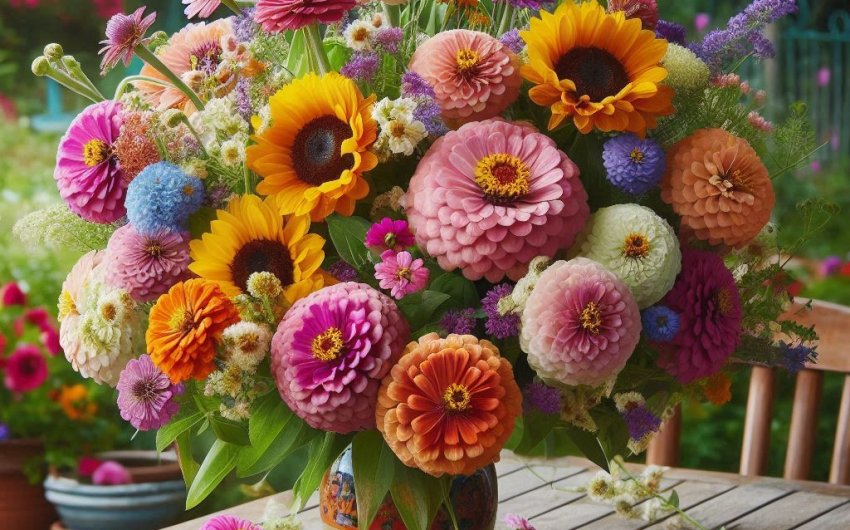
What is a Cutting Garden and Why Should You Start One?
Imagine stepping out into your backyard and gathering a stunning, fresh bouquet of flowers to brighten your home, all without feeling guilty about snipping blooms from your ornamental beds. That's the magic of a cutting garden! A cutting garden is simply a dedicated space in your yard where you grow flowers specifically for the purpose of cutting and bringing indoors. Unlike your regular flower beds that you design for curb appeal, a cutting garden is all about maximizing bloom production and providing you with an endless supply of beautiful flowers.
Why start one? There are so many reasons! First, it gives you an amazing source of fresh cut flowers right at your fingertips. No more expensive trips to the florist! You get to enjoy their beauty, fragrance, and vibrant colors indoors whenever you like. Second, growing your own flowers is incredibly rewarding and therapeutic. There's a special joy in nurturing a seed into a magnificent bloom. Third, a cutting garden often attracts beneficial insects like bees and butterflies, turning your yard into a buzzing hub of life. Lastly, it encourages you to experiment with new varieties and learn more about flower gardening. It’s a wonderful way to bring more beauty and nature into your daily life.
What Makes a Flower Good for a Cutting Garden?
Not all flowers are created equal when it comes to being a "cut flower." While any bloom can technically be snipped, some possess special qualities that make them ideal for a cutting garden. Choosing the right flowers means more beautiful bouquets and less frustration.
What are the Key Characteristics of a Great Cut Flower?
When selecting flowers for your cutting garden, keep these important traits in mind:
- Long Vase Life: This is probably the most crucial characteristic. A great cut flower should stay fresh and beautiful in a vase for at least 5-7 days, and ideally much longer. You want to enjoy your homegrown bouquets for as long as possible!
- Strong, Straight Stems: Weak or flimsy stems will flop in a vase. Look for flowers with sturdy, straight stems that can support their blooms and stand tall in an arrangement.
- Productive Bloomers (Cut-and-Come-Again): The best cutting garden flowers are often "cut-and-come-again" varieties. This means the more you cut them, the more flowers the plant produces. This ensures a continuous supply of blooms throughout the season.
- Vibrant Colors and Interesting Textures: You want a variety of colors, shapes, and textures to create dynamic and appealing bouquets. Think about combining bold colors with softer tones, and delicate petals with interesting foliage.
- Pest and Disease Resistance: Healthy plants produce more and better flowers. Choosing varieties that are naturally resistant to common pests and diseases will save you a lot of headaches.
- Ease of Growth: Especially for beginners, starting with flowers that are relatively easy to grow from seed or transplant will build your confidence and ensure a rewarding experience.
- No Milky Sap: Some plants, like poppies, produce a milky sap when cut. This sap can clog the stems and shorten vase life. While some can be conditioned (like by searing the stem), it's easier to choose those without.
- Minimal Shedding: Flowers that drop petals all over your table can be messy. Look for varieties that hold their petals well.
By focusing on these characteristics, you'll ensure your cutting garden is a productive powerhouse, providing you with endless beauty for your home.
Why is Bloom Time Important for a Continuous Supply?
To have fresh flowers from spring through fall, you need to consider the bloom times of the flowers you choose. A good cutting garden aims for a continuous succession of blooms, not just a massive flush for a couple of weeks.
- Succession Planting: This is a key strategy. It means planting a new batch of seeds every 2-3 weeks for certain annuals. For example, you might plant zinnia seeds in early spring, then again a few weeks later, and then again, to ensure a continuous supply rather than one big flush.
- Mixing Early, Mid, and Late Bloomers: Include flowers that bloom at different times of the season.
- Early Spring: Think of cool-season annuals like sweet peas and ranunculus, or perennials like peonies (if your climate supports them).
- Mid-Summer: This is often the peak, with zinnias, cosmos, sunflowers, and dahlias hitting their stride.
- Late Summer/Fall: Many mid-summer bloomers will continue, but also consider things like celosia and certain types of chrysanthemums that extend the season.
- Perennials, Annuals, and Biennials: A mix of these will give you the most diverse and long-lasting supply.
- Annuals: Grow, bloom, and die in one season. Many are "cut-and-come-again."
- Perennials: Come back year after year. They provide reliable blooms but often have a shorter individual bloom window.
- Biennials: Grow foliage one year, then bloom and die the next. Foxgloves are a good example.
Planning your cutting garden with an eye on bloom times will ensure you always have something beautiful to snip for your vases.
Top Annual Flowers for Your Cutting Garden
Annual flowers are often the backbone of a productive cutting garden. They grow quickly, bloom profusely, and many are "cut-and-come-again" varieties, meaning the more you harvest, the more they produce. They're perfect for providing continuous blooms throughout the growing season.
Why Are Zinnias a Must-Have?
If there's one flower that belongs in every cutting garden, it's the zinnia. They are incredibly easy to grow, come in a dazzling array of colors and shapes, and are super prolific.
- Easy to Grow from Seed: You can direct sow zinnia seeds directly into your garden after the last frost, and they germinate quickly. They are very forgiving!
- Vibrant Colors: Zinnias come in almost every color imaginable – bright reds, oranges, pinks, purples, yellows, and even whites. This makes them perfect for creating colorful bouquets.
- Variety of Shapes: You can find zinnias with different flower forms, from single petals to dahlia-like blooms, cactus-flowered, and pom-pom shapes. Look for varieties like Zinnia 'Benary's Giant' (known for large, sturdy blooms) or 'Queen Lime Orange' (unique muted tones). You can find zinnia seeds easily online, such as Johnny's Selected Seeds Zinnias.
- Long Vase Life: Zinnias have a decent vase life, usually 5-7 days, especially if cut at the right stage.
- Cut-and-Come-Again: This is their superpower! The more you cut them, the more side shoots and blooms the plant produces. This means a continuous supply of flowers from mid-summer until the first hard frost.
- Pollinator Friendly: Bees and butterflies absolutely love zinnias, making them a great addition for supporting beneficial insects in your garden.
To get the most out of your zinnias, cut them when the flowers are fully open but still firm, and make sure to snip deep down the stem to encourage new growth.
Why Are Cosmos Great for Airy Bouquets?
Cosmos bring a delicate, airy beauty to any bouquet. Their daisy-like flowers on long, slender stems create a wonderful sense of movement and lightness.
- Graceful and Whimsical: Cosmos come in a range of colors, from soft pinks, whites, and purples to vibrant oranges and yellows. Their feathery foliage adds to their charm.
- Easy to Grow: Like zinnias, cosmos are very easy to grow from seed. They thrive in full sun and well-drained soil, and surprisingly, they prefer soil that isn't too rich – too much fertilizer can lead to more foliage and fewer flowers.
- Long Stems: Many cosmos varieties produce long, strong stems, making them excellent for cutting.
- Cut-and-Come-Again: Regular harvesting encourages cosmos to produce more blooms throughout the season.
- Vase Life: Cosmos typically last 5-7 days in a vase.
- Popular Varieties: Look for Cosmos 'Sensation Mix' for classic tall varieties or 'Double Click' for unique fluffy double blooms. Botanical Interests Cosmos Seeds offer a wide selection.
Cosmos are perfect for adding a soft, natural touch to bouquets, acting as a filler or a delicate star in their own right.
Why Are Sunflowers a Statement Flower?
Nothing says summer like a sunflower! While many people think of them as gigantic single-stemmed plants, there are many varieties perfect for cutting that produce multiple blooms.
- Bold and Beautiful: Sunflowers are incredible for their large, cheerful faces and ability to instantly bring a smile to anyone's face. They add a striking focal point to any bouquet.
- Varieties for Cutting: Look specifically for branching sunflower varieties rather than single-stemmed giant types. These varieties produce multiple, smaller blooms on long stems, perfect for continuous cutting. Some popular cutting varieties include 'ProCut Bicolor', 'Lemon Queen', or 'Teddy Bear' (for a fluffy, pom-pom look).
- Long Stems: When grown properly, cutting sunflowers produce impressive long stems.
- Good Vase Life: Sunflowers can last a week or more in a vase if cut at the right stage (when petals are just beginning to unfurl).
- Edible Seeds (Some Varieties): Even after the flowers are done, some varieties will produce edible seeds, offering a dual purpose.
- Pollinator Magnets: They are a magnet for bees and other pollinators, adding life and buzz to your garden.
Make sure to give sunflowers plenty of sun and rich soil. You can buy a range of sunflower seeds for cutting from American Meadows.
What Other Annuals Are Great for Cutting?
Beyond these stars, many other annuals deserve a spot in your cutting garden:
- Celosia (Cockscomb/Plume Celosia): These come in vibrant, long-lasting plumes or brain-like crests. They add amazing texture and intense color (reds, oranges, yellows, pinks). They also dry beautifully for everlasting arrangements. Varieties like Celosia 'Pampas Plume' or 'Chief Series' are excellent.
- Marigolds: While often thought of as bedding plants, taller varieties of African marigolds (like 'Crackerjack') produce large, globe-shaped blooms in yellows and oranges that can make surprisingly good cut flowers with a long vase life. They also deter some pests.
- Snapdragons: These classic cottage garden flowers offer vertical interest and a lovely range of colors. They are cool-season annuals, preferring spring and fall temperatures. Varieties like the 'Rocket Series' or 'Madame Butterfly' are perfect for cutting.
- Sweet Peas: Beloved for their exquisite fragrance and delicate, ruffled blooms. They are cool-season climbers, so they need a trellis or support. Plant early for a spring flush of blooms. Look for Sweet Pea 'Royal Family' or 'Spencer' varieties.
- Gomphrena: Often called Globe Amaranth, these small, clover-like flowers come in vibrant pinks, purples, and whites. They have an exceptionally long vase life and dry wonderfully, making them a dual-purpose flower. Gomphrena 'Strawberry Fields' is a popular red variety.
- Borage: While known as an herb, the sky-blue, star-shaped flowers of borage are edible and add a charming touch to casual bouquets. It's a re-seeding annual, so it often pops up year after year.
Top Perennial Flowers for Your Cutting Garden
While annuals give you a season's worth of blooms, perennials are the workhorses of the garden, returning year after year. They provide reliable harvests and often offer different textures and forms that complement your annuals.
Why Are Peonies a Luxurious Addition?
Peonies are synonymous with luxury and romance. Their huge, fragrant blooms in spring are highly sought after for bouquets.
- Spectacular Blooms: Peonies produce large, lush flowers in shades of pink, white, and red. They are truly showstoppers.
- Intoxicating Fragrance: Many varieties are intensely fragrant, filling your home with their sweet perfume.
- Long-Lived: Once established, peony plants can live for decades, providing a reliable source of blooms each spring.
- Good Vase Life: If cut at the "marshmallow" stage (when the bud feels soft like a marshmallow), peonies can last a week or more in a vase, opening beautifully indoors.
- Planting and Care: Peonies need full sun and well-drained soil. Plant them in fall, ensuring the "eyes" (growth buds) are no more than 1-2 inches deep. They don't like to be moved once established. You can find peony roots from reputable nurseries.
The downside is their relatively short bloom window in late spring/early summer, but their beauty makes them well worth the wait.
Why Are Echinacea Great for Summer Bouquets?
Echinacea, also known as Coneflower, is a classic prairie perennial that brings cheerful, daisy-like blooms to your summer and fall bouquets.
- Hardy and Drought Tolerant: Once established, Echinacea is very tough and can handle heat and dry spells, making them a low-maintenance choice.
- Long Bloom Season: They bloom from mid-summer often right into fall, providing a continuous supply of flowers when many other plants are fading.
- Unique Shape: Their prominent central cone gives them an interesting texture in arrangements. They come in traditional purple, but also white, yellow, orange, and pink varieties.
- Pollinator Friendly: Bees and butterflies flock to Echinacea, making your garden a haven for beneficial insects.
- Good Vase Life: Echinacea typically lasts a week or more in a vase.
- Seed Heads: Even after the petals fade, the remaining seed heads can add architectural interest to dried arrangements or provide food for birds in winter.
Why Are Delphiniums Perfect for Vertical Drama?
For striking height and a touch of elegance in your bouquets, delphiniums are unmatched. Their tall spires of blue, purple, pink, or white flowers create dramatic vertical lines.
- Stunning Height: Delphiniums can reach impressive heights, with some varieties growing 4-6 feet tall, providing fantastic "line flowers" for arrangements.
- Vibrant Colors: Their intensely saturated blues and purples are particularly prized, though they also come in pinks, whites, and even some bicolor options.
- Reblooming (with care): Many varieties will produce a second flush of blooms if you deadhead (cut back spent flower stalks) promptly after the first bloom.
- Vase Life: Delphiniums can last 5-7 days in a vase.
- Support Needed: Due to their height, delphiniums often require staking or support to prevent their heavy flower spires from flopping, especially in windy areas.
Plant delphiniums in full sun with rich, well-drained soil. You can find delphinium seeds or bare roots for planting.
What Other Perennials Excel in a Cutting Garden?
Adding a variety of perennials ensures reliable blooms year after year:
- Lavender: Not only beautiful with its purple spires, but lavender also brings an exquisite, calming fragrance to bouquets. It dries wonderfully for sachets or everlasting arrangements. Varieties like English Lavender are best for fragrance.
- Salvia: Many varieties of Salvia (like Salvia nemorosa 'Caradonna' or 'May Night') offer long-lasting spikes of blue, purple, or pink flowers. They are drought-tolerant and attract pollinators.
- Sedum (Stonecrop): Varieties like 'Autumn Joy' or 'Autumn Fire' produce broad, flat heads of tiny flowers that emerge green, turn pink, then russet, and eventually brown. They have amazing texture, long vase life, and dry well. They are perfect for late-season bouquets.
- Yarrow: With its flat-topped clusters of tiny flowers, yarrow (Achillea) comes in shades of yellow, red, pink, and white. It adds a natural, meadow-like feel and dries beautifully. It's also very drought-tolerant once established.
- Astilbe: For shady cutting gardens, Astilbe offers feathery plumes in pinks, reds, and whites. They prefer moist, shady conditions and bring a delicate texture to arrangements.
- Hosta Flowers: While grown primarily for their foliage, the flowers of many hosta varieties are beautiful on their own or as a green accent in bouquets, particularly the fragrant varieties.
Essential Cutting Garden Planning and Maintenance
A successful cutting garden isn't just about choosing the right flowers; it's also about smart planning and consistent care. A little effort upfront and throughout the season will lead to a bountiful harvest of blooms.
Where Should You Locate Your Cutting Garden?
Choosing the right spot is fundamental for a thriving cutting garden.
- Full Sun is Key: Most of the best cut flowers need at least 6-8 hours of direct sunlight per day to produce abundant blooms. Choose the sunniest spot in your yard.
- Well-Drained Soil: Flowers do not like "wet feet." Ensure your chosen site has well-drained soil. If you have heavy clay soil, amend it generously with organic matter like compost to improve drainage and fertility.
- Accessibility: Place your cutting garden in an easily accessible location. You'll be visiting it frequently to cut flowers, weed, and water, so make it convenient. It doesn't have to be visually stunning from your patio, as its primary purpose is production.
- Water Source: Proximity to a water source (like a hose spigot or rain barrel) will make watering much easier. Consistent watering is crucial for healthy, productive plants.
How Do You Prepare the Soil for Optimal Growth?
Good soil is the foundation of a productive garden. Investing time in soil preparation will pay off with healthier plants and more blooms.
- Soil Test (Recommended): If you're serious, consider getting a soil test from your local cooperative extension office. This will tell you your soil's pH and nutrient levels, guiding your amendments.
- Clear the Area: Remove all weeds, grass, and debris from your chosen garden bed area.
- Loosen the Soil: Dig down at least 8-12 inches (20-30 cm) to loosen compacted soil. A garden fork or spade works well for this.
- Amend with Organic Matter: This is arguably the most important step. Incorporate a generous amount of well-rotted compost (3-4 inches or 7-10 cm deep worked into the top foot of soil), aged manure, or other organic matter. This improves soil structure, drainage, water retention, and provides a slow release of nutrients. You can get quality compost like Black Gold Compost.
- Level and Rake: Rake the bed smooth, creating a level surface or slightly mounded rows for planting.
What are Essential Tools for a Cutting Garden?
Having the right tools makes harvesting and maintaining your cutting garden much easier.
- Sharp Bypass Pruners/Snips: This is your most important tool! Clean, sharp cuts prevent damage to the plant and allow it to heal faster, encouraging more blooms. Look for Felco Bypass Pruners for durability and sharpness. Keep them clean and sharpen them regularly.
- Garden Gloves: Protect your hands from thorns, dirt, and blisters.
- Watering Can or Hose with Sprayer: For efficient and thorough watering.
- Hand Trowel and Cultivator: For planting, weeding, and light cultivation.
- Harvesting Bucket/Vase: Have a bucket filled with water ready when you go out to cut. Plunge stems directly into water to prevent wilting.
- Garden Fork and Spade: For soil preparation and moving compost.
How Do You Start Seeds and Plant Seedlings?
Many of the best cut flowers are grown from seed. You can either direct sow (plant directly into the garden) or start seeds indoors.
- Direct Sowing:
- When: After the last frost date for warm-season annuals (zinnias, cosmos, sunflowers). For cool-season annuals (snapdragons, sweet peas), plant as soon as the soil can be worked in early spring.
- How: Prepare the seedbed. Follow package directions for planting depth and spacing. Water gently.
- Thinning: Once seedlings emerge, thin them to the recommended spacing to ensure good air circulation and strong plants.
- Starting Seeds Indoors:
- Why: Gives plants a head start, especially in short growing seasons, or for plants that need a longer germination period (e.g., snapdragons, celosia).
- When: Count back from your last frost date. Most packets recommend starting 6-8 weeks before transplanting outdoors.
- How: Use seed-starting mix and seed trays or pots. Provide adequate light (grow lights are highly recommended for strong seedlings), warmth, and moisture.
- Hardening Off: Before transplanting outdoors, gradually expose seedlings to outdoor conditions over a week or two. This prevents shock and ensures they adapt well.
- Transplanting: Dig a hole slightly larger than the root ball, place the seedling, backfill with soil, and water well.
What is the Importance of Deadheading and Pruning?
Deadheading and pruning are vital practices for maximizing bloom production in a cutting garden.
- Deadheading: This means removing spent or faded flowers. When a flower goes to seed, the plant puts its energy into seed production instead of making more flowers. By removing spent blooms, you trick the plant into producing more flowers in an attempt to make seeds.
- How: Cut the spent flower stem back to a set of healthy leaves or a strong side shoot.
- Pruning (Cutting for Bouquets): When you cut flowers for a bouquet, think of it as a form of pruning that encourages more blooms.
- Cut Deeply: Don't just snip the flower head. Cut the stem deep into the plant, just above a strong leaf node or branching point. This encourages the plant to send up new, longer stems from that point, giving you more usable cut flowers later.
- Remove Lower Leaves: Once cut, strip off any leaves that would fall below the waterline in your vase. These leaves would rot and introduce bacteria, shortening the vase life.
How to Fertilize for Continuous Blooms?
As heavy feeders, especially with continuous cutting, your flowers will benefit from regular fertilization.
- Initial Fertilizer: As mentioned in soil prep, incorporating compost at planting provides slow-release nutrients. You can also mix in a slow-release granular organic flower fertilizer when planting.
- Liquid Feed (Mid-Season): Once your plants are actively blooming and you're regularly harvesting, consider using a liquid organic fertilizer every 2-4 weeks. Look for a fertilizer that is balanced or slightly higher in phosphorus (the middle number) and potassium (the last number), which support flowering and overall plant health. Dilute according to package directions. Espoma Organic Liquid Bloom! is a good option.
- Compost Tea: Making and applying compost tea is another excellent way to provide gentle, nutrient-rich liquid food to your plants.
- Avoid Over-Fertilizing Nitrogen: Too much nitrogen (the first number in the fertilizer ratio) can lead to lush green growth but fewer flowers. Balance is key.
What are Best Practices for Watering?
Consistent watering is crucial for lush, productive flowers, especially in sunny, warm conditions.
- Deep and Infrequent: Aim for deep watering that soaks the root zone, rather than frequent shallow sprinkles. This encourages roots to grow deeper, making plants more resilient.
- Check Soil Moisture: The best way to know when to water is to stick your finger into the soil. If it feels dry an inch or two down, it's time to water.
- Water at the Base: Try to water at the base of the plants, avoiding wetting the foliage, especially in the evening. Wet leaves can encourage fungal diseases.
- Mulch: A 1-2 inch layer of organic mulch (like straw, shredded leaves, or wood chips) around your plants will help retain soil moisture, suppress weeds, and regulate soil temperature, reducing your watering needs.
How to Harvest and Condition Cut Flowers?
Harvesting your flowers correctly and conditioning them properly are perhaps the most important steps to ensure a long vase life and beautiful bouquets. Don't let your hard work in the garden go to waste by improper handling!
What's the Best Time of Day to Cut Flowers?
The timing of your harvest can significantly impact how long your flowers last in a vase.
- Early Morning: The absolute best time to cut flowers is in the early morning, after the dew has dried but before the heat of the day sets in. At this time, the flowers are fully hydrated, plump with water, and their stems are turgid (firm). They will absorb water better and last longer.
- Late Evening (Second Best): If early morning isn't possible, late evening after the sun has set and temperatures have cooled can also work, as the plants have had a chance to rehydrate after the day's heat.
- Avoid Midday: Never cut flowers in the heat of the day. They will likely be stressed, dehydrated, and will wilt quickly in the vase.
How Do You Properly Cut Flower Stems?
Proper cutting technique is crucial for both the flower's vase life and the plant's continued production.
- Sharp Tools: Always use very sharp, clean bypass pruners or floral snips. Dull tools crush the stems, making it harder for the flower to take up water. Clean tools prevent the spread of diseases.
- Angle Cut: Make your cut at a 45-degree angle. This increases the surface area for water uptake and prevents the stem from sitting flat on the bottom of the vase, which could block water absorption.
- Cut Deeply: For cut-and-come-again annuals (like zinnias and cosmos), cut the stem deep into the plant, just above a leaf node or a strong side shoot with developing buds. This encourages the plant to send up new, longer stems from that point, ensuring future blooms. For perennials, cut back to the base of the plant or a strong lateral branch.
- Have a Bucket Ready: Immediately plunge the cut stems into a bucket of water right there in the garden. This prevents air bubbles from entering the stem, which can cause wilting.
What is the Process of Conditioning Flowers?
Conditioning is the critical step after harvesting that helps flowers take up water and extends their vase life. Don't skip it!
- Remove Lower Leaves: Once you've brought your bucket of freshly cut flowers indoors, remove any leaves that would fall below the waterline in your vase. Submerged leaves rot quickly, creating bacteria that will clog the stems and shorten the life of your flowers.
- Recut Stems (Optional but Recommended): You can recut the stems underwater or under running water, which helps prevent air bubbles from entering the stem's vascular system.
- Place in Water with Flower Food: Immediately place your cleaned stems into a clean vase or bucket filled with fresh, cool water mixed with floral food (flower preservative). Floral food provides sugar for energy, a bit of acid to help water uptake, and a bactericide to keep the water clean. You can buy Chrysal Fresh Flower Food easily.
- DIY Floral Food: If you don't have commercial floral food, you can make a simple solution with water, a teaspoon of sugar (for food), a few drops of bleach (to kill bacteria), and a few drops of white vinegar or lemon juice (to acidify the water).
- Hydrate: Place the vase of flowers in a cool, dark place for at least 2-4 hours, or even overnight. This allows the flowers to fully hydrate and firm up before you arrange them. They are essentially drinking up all the water and preparing for their display.
- Arranging: Once conditioned, your flowers are ready to be arranged into beautiful bouquets! Continue to change the water and recut the stems every 1-2 days to maximize vase life.
By following these harvesting and conditioning steps, you'll maximize the beauty and longevity of your homegrown blooms, making all your hard work in the cutting garden truly worthwhile.