
What to Plant with Tomatoes for Best Results?
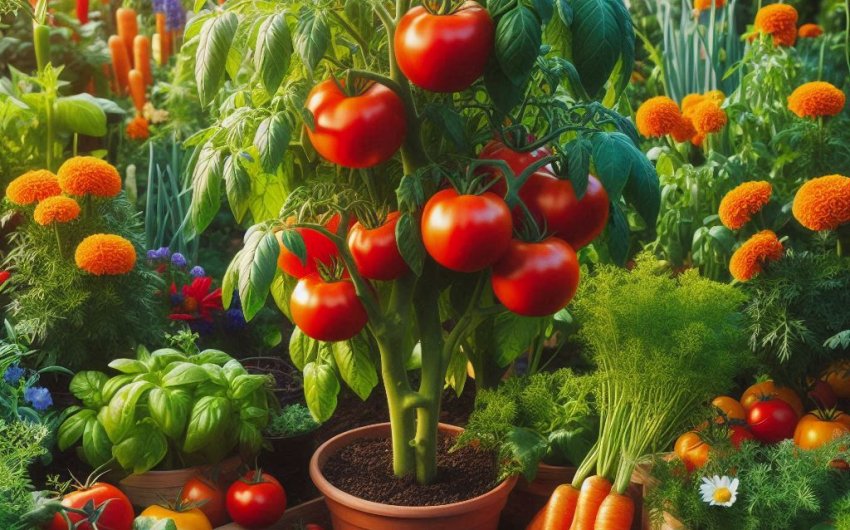
Tomatoes are a favorite in many gardens. There's nothing quite like biting into a fresh, juicy tomato grown right in your backyard. But sometimes, growing tomatoes can be a challenge. They can face issues with pests, diseases, or just not growing as big and healthy as you'd like. That's where companion planting comes in!
Companion planting is an old gardening trick. It's all about planting different kinds of plants close to each other so they can help each other out. Some plants can scare away bad bugs, while others attract good bugs. Some might even improve the soil or help their neighbors grow stronger. For tomatoes, choosing the right companion plants can lead to bigger harvests, fewer problems, and happier plants. Let's dive into the world of tomato companion planting and find out which plants are best buddies for your tomatoes!
Why Should You Use Companion Plants with Tomatoes?
Think of your garden as a community. In a healthy community, different members support each other. Companion planting works much the same way. When you plant specific plants near your tomatoes, they can offer many benefits:
Pest Control: Keep the Bad Bugs Away
One of the biggest reasons to use companion planting is to deal with garden pests. Tomatoes can attract a few annoying insects, like:
- Tomato hornworms: These big green caterpillars can munch through leaves in a hurry.
- Aphids: Tiny bugs that suck the sap from plants, making them weak.
- Whiteflies: Small, white flying insects that also feed on plant sap.
- Nematodes: Tiny worms in the soil that can damage roots.
Some companion plants act like a natural bug repellent. They give off smells that pests don't like, or they confuse pests so they can't find the tomato plants. Other companions attract insects that eat the bad bugs, becoming your garden's own natural pest control team.
Attracting Good Insects: Bring in the Helpers
Not all insects are bad! Many insects are beneficial insects because they help your garden.
- Pollinators: Bees and other insects that move pollen from flower to flower, helping tomatoes produce fruit. (Tomatoes are self-pollinating, but extra help can sometimes boost fruit set).
- Predators: Insects like ladybugs, lacewings, and hoverflies that feast on aphids, whiteflies, and other destructive pests.
- Parasitoids: Tiny wasps that lay their eggs inside hornworms, killing them from the inside out.
Some companion plants have flowers that beneficial insects love. By planting these near your tomatoes, you create a welcoming buffet for the good guys, turning your garden into a natural pest deterrent.
Improving Soil Health and Nutrients
Some plants have special powers when it comes to soil.
- Nitrogen fixers: Certain plants, especially legumes (like beans), can take nitrogen from the air and put it into the soil. Nitrogen is a key nutrient that helps plants grow strong leaves. While tomatoes don't need nitrogen fixers as much as some other plants, healthy soil is always a plus.
- Deep roots: Some plants have long roots that can break up compacted soil and bring up nutrients from deeper down, making them available for shallower-rooted plants like tomatoes.
Enhancing Growth and Flavor
This is one of the more debated benefits, but many gardeners swear by it! Some believe certain companion plants can actually make your tomatoes grow bigger, stronger, or even taste better. The science behind this isn't always clear, but it's thought that these plants might release chemicals into the soil or air that benefit their neighbors, or they simply create a more balanced environment.
What Are the Best Companion Plants for Tomatoes?
Now for the exciting part: which plants should you invite to your tomato party? Here are some of the top contenders that gardeners often plant alongside their tomatoes.
Herbs: Flavor Boosters and Pest Repellents
Herbs are fantastic companion plants because many of them offer a double benefit: they can help deter pests and, of course, you can harvest them for your kitchen!
Basil: The Classic Tomato Partner
Basil is probably the most famous tomato companion. Many gardeners believe that planting basil near tomatoes makes the tomatoes taste better! While that's hard to prove, basil definitely helps in other ways.
- Pest Repellent: Basil is thought to repel common tomato pests like tomato hornworms and whiteflies. The strong scent of basil might confuse these pests or simply drive them away.
- Attracts Pollinators: Basil flowers (if you let your basil go to seed) attract bees, which are good for general garden health.
Plant several basil plants around the base of your tomato plants. A basil seed packet is inexpensive and yields many plants.
Marigolds: Beautiful Bug Busters
Marigolds are known for their bright, cheerful flowers and their amazing pest-repelling abilities.
- Nematode Control: French marigolds (Tagetes patula) are especially good at deterring nematodes in the soil. These tiny worms can damage tomato roots. Planting marigolds actually releases a chemical from their roots that is toxic to nematodes.
- General Pest Repellent: The strong scent of marigolds is also thought to deter other pests like whiteflies and aphids.
- Attracts Beneficials: Some marigold varieties can attract beneficial insects like hoverflies, whose larvae eat aphids.
Plant marigolds around the perimeter of your tomato bed or intersperse them throughout. You can easily grow them from marigold seeds.
Borage: A Pollinator Magnet and Health Booster
Borage is a beautiful herb with fuzzy leaves and star-shaped blue flowers. It's a powerhouse for your garden.
- Attracts Pollinators: Its flowers are irresistible to bees and other pollinators, ensuring good fruit set for your tomatoes.
- Pest Repellent: Some gardeners believe it deters tomato hornworms.
- Soil Health: Borage is a dynamic accumulator, meaning its deep taproot brings up minerals from the soil. When it dies back or is chopped and dropped, these nutrients become available to other plants.
- Improves Flavor: Like basil, some claim borage improves tomato flavor and vigor.
Borage can grow quite large, so give it some space. You can get borage seeds to plant directly in your garden.
Mint: Use with Caution!
Mint can be a powerful pest repellent due to its strong scent. It's thought to deter aphids and even fleas if you have pets around. However, mint is a very aggressive spreader. Its roots will take over your garden if not contained.
- How to use: Plant mint in a pot and sink the pot into the ground near your tomatoes. Or keep it in a container on your patio near your tomato pots. This way, you get the benefits without the spread. You can find potted mint plants at most garden centers.
Parsley and Dill: Attracting Good Guys
Parsley and dill are excellent for attracting beneficial insects.
- Attracts Beneficial Insects: When allowed to flower (go to seed), their umbrella-shaped flowers are a favorite landing spot for tiny beneficial wasps, ladybugs, and hoverflies – all of which prey on tomato pests.
- Provides Shelter: The bushy foliage can also offer a bit of shelter for some good bugs.
Plant these nearby, but allow some to flower to get the full benefit. A dill seed packet and a parsley seed packet are good starts.
Vegetables and Flowers: More Smart Choices
Beyond herbs, several other vegetables and flowers can be great tomato companions.
Carrots: A Mutually Beneficial Relationship
Carrots can be a good neighbor for tomatoes.
- Loosen Soil: Carrots have deep taproots that help loosen the soil, making it easier for tomato roots to spread.
- Attract Beneficials: When carrot plants flower (if you let them bolt), they attract beneficial insects that prey on tomato pests.
- Shade: The tomato plants can offer a bit of shade to the carrot roots in hot climates, keeping the soil cooler.
Plant carrots in rows or clusters around your tomato plants. You can purchase carrot seeds to grow them.
Onions, Garlic, and Chives: Strong Scents and Pest Control
All members of the onion family (alliums) are known for their strong scents, which are great for pest deterrence.
- Pest Repellent: The pungent smell of onions, garlic, and chives can deter a wide range of pests, including aphids, spider mites, and possibly even slugs and snails. They are also thought to repel certain fungal diseases.
- Disease Prevention: Some gardeners believe alliums help prevent fungal diseases like blight in tomatoes.
Plant these bulbs or clumps around the base of your tomato plants. A garlic bulb for planting or a chive seed packet are simple ways to introduce them.
Nasturtiums: A Trap Crop (and Edible!)
Nasturtiums are beautiful, colorful flowers with edible leaves and flowers that have a peppery taste. They are also fantastic for pest management.
- Trap Crop: Nasturtiums are famous for being a "trap crop." This means they are highly attractive to aphids. Aphids will often prefer to feed on nasturtiums rather than your tomatoes. You can then easily remove and dispose of the infested nasturtium plants (or hose off the aphids).
- Attracts Pollinators: Their bright flowers also attract pollinators.
Plant nasturtiums a little distance away from your tomatoes (so they don't climb on them) to draw pests away. You can find nasturtium seeds easily.
Calendula: Attracts Beneficial Insects
Calendula, or pot marigold (not to be confused with French marigolds), is another bright orange or yellow flower that is great for attracting good bugs.
- Attracts Beneficial Insects: Its simple, open flowers are very attractive to ladybugs, lacewings, and other beneficial predatory insects that feed on pests like aphids and whiteflies.
- Edible Flowers: Like nasturtiums, calendula flowers are edible and can add a splash of color to salads.
Plant calendula freely around your tomato plants. Calendula seeds are usually easy to grow.
What Plants Should NOT Be Planted with Tomatoes?
Just as some plants are good companions, others can be bad neighbors. These "unfriendly" plants can stunt tomato growth, attract bad pests, or even spread diseases. Knowing who to avoid is just as important as knowing who to plant!
Brassicas (Cabbage Family): Unwanted Competition and Pests
The cabbage family, also known as brassicas, includes plants like:
- Cabbage
- Broccoli
- Cauliflower
- Brussels Sprouts
- Kale
- Kohlrabi
These plants generally don't get along well with tomatoes.
- Competition for Nutrients: They are heavy feeders and compete for the same nutrients in the soil that tomatoes need, potentially stunting growth.
- Shared Pests: They can also attract some of the same pests, like cabbage worms, which you don't want near your tomatoes.
Keep your brassicas in a separate garden bed away from your tomatoes.
Corn: Potential for Shared Pests
While corn and beans are classic companions (the "Three Sisters" method), corn generally isn't a good neighbor for tomatoes.
- Shared Pests: Both corn and tomatoes can be susceptible to corn earworm (which is also a tomato fruitworm). Planting them close together could lead to more serious infestations on both crops.
Give corn its own space in the garden, away from your prized tomatoes.
Fennel: A Poor Companion for Most Plants
Fennel is a beautiful herb with a distinct anise flavor, but it's often considered a poor companion for many garden plants, including tomatoes.
- Growth Inhibitor: It's believed that fennel can inhibit the growth of nearby plants, likely due to chemicals released by its roots or strong scent.
It's best to plant fennel by itself or in a separate container, far away from your tomatoes and other sensitive crops. You can find fennel seeds if you wish to grow it separately.
Walnuts: Harmful Toxins
If you have a walnut tree nearby, be aware that it produces a chemical called juglone from its roots.
- Juglone Toxicity: This chemical is toxic to many plants, including tomatoes, and can cause wilting, yellowing, and death.
Avoid planting tomatoes (and other susceptible plants like blueberries, apples, and peppers) within the drip line of a walnut tree. If you're unsure, it's safer to plant tomatoes in raised beds or containers away from any walnut trees.
Tips for Successful Companion Planting with Tomatoes
Putting companion planting into practice is pretty easy, but a few tips can help you get the best results.
Don't Overcrowd Your Plants
While the goal is to plant things together, remember that all plants need space, sunlight, and air circulation. Don't plant too many companions too close to your tomatoes, or you'll create too much competition for resources and potentially hinder airflow, which can lead to fungal diseases. Give your tomatoes room to grow big and strong.
Consider Sunlight Needs
Make sure your companion plants have similar sun requirements to your tomatoes (most tomatoes need full sun, 6-8 hours a day). Also, think about how tall your companions will grow. Don't plant a tall, bushy companion where it will shade out your tomato plants or vice versa, unless that's your intention (e.g., providing shade for carrots).
Rotate Your Crops
Companion planting is a great strategy, but it doesn't replace crop rotation. Don't plant tomatoes in the same spot year after year, even with good companions. Rotating your crops helps prevent the buildup of soil-borne diseases and pests specific to tomatoes.
Observe Your Garden
Every garden is different. What works wonders for one gardener might be less effective for another due to local pests, climate, and soil conditions.
- Watch your plants: See how they respond to their neighbors. Are they thriving? Are pests still an issue?
- Keep a garden journal: Note down what you planted where and how well it worked. This will help you learn and improve your companion planting strategies each year. A garden journal can be very helpful for this.
By thoughtfully selecting and placing their plant neighbors, you can give your tomato plants a significant boost, leading to a healthier garden and a more abundant harvest of those delicious, homegrown tomatoes!