
How to Make a Bee Hotel for Your Garden?
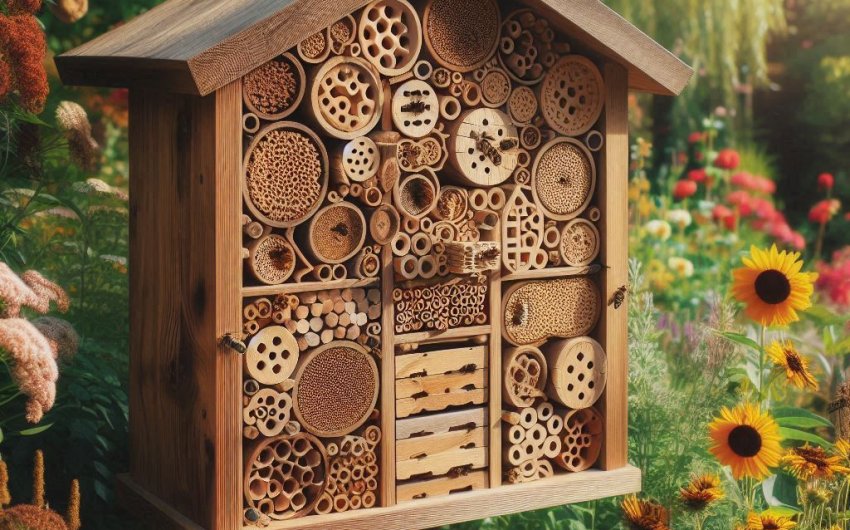
Bees are amazing! We all know how important honey bees are for making honey and pollinating our food. But did you know there are thousands of other types of bees? Many of them are native bees, and most of these are solitary bees. This means they don't live in big hives like honey bees. Instead, they live on their own, often nesting in small holes in wood, hollow plant stems, or even in the ground. These solitary bees are fantastic pollinators too! They visit flowers, collect pollen, and help plants make fruits and seeds.
Sadly, many native bee populations are struggling because they're losing their homes. This is where you can help! By building a bee hotel, you can provide safe nesting sites for these important insects in your own garden. It's a fun and easy project, and you'll be doing a huge favor for your local ecosystem. Plus, it's super cool to watch them come and go!
Why Do We Need Bee Hotels?
You might be thinking, "Don't bees live in hives?" And yes, honey bees do. But over 90% of the world's bee species are solitary. They don't have a queen, don't make honey, and don't live in a hive with thousands of other bees. Instead, a single female bee builds her own nest, lays her eggs, and provides food for her babies (larvae).
Many solitary bees, like mason bees and leafcutter bees, are known as "cavity nesters." This means they look for existing holes to lay their eggs in. In nature, they might use:
- Old beetle tunnels in dead wood.
- Hollow stems of plants like bamboo or reeds.
- Cracks in rocks or old walls.
As our gardens and wild spaces become tidier, these natural nesting spots are harder to find. That's where a bee hotel comes in. It's basically a collection of tubes or drilled holes of different sizes, mimicking the natural cavities these bees would seek out. By providing these homes, you're directly helping to boost their populations. And more bees mean more pollination for your flowers, fruits, and vegetables! It's a win-win.
What Materials Do You Need for a Bee Hotel?
Making a bee hotel can be as simple or as fancy as you like. The most important thing is to use the right materials for the nesting tubes. Here's a list of common and effective materials:
A Sturdy Outer Structure or Frame
This will be the main body of your bee hotel, holding all the nesting materials together and protecting them from the weather.
- Wood: This is a popular choice. You can use a small wooden box, an old birdhouse (without the entrance hole blocked), or build a simple box from untreated lumber. Untreated wood is key because chemicals can harm bees. Cedar or pine scraps work well. You could even use a sturdy wooden birdhouse kit and modify it.
- PVC Pipe: A short section of large-diameter PVC pipe can be used as a frame.
- Large Plastic Bottle: Cut the top and bottom off a large plastic bottle to create a cylinder. This isn't as durable but can work for a temporary solution.
Whatever you choose, make sure it has a roof that extends forward to protect the nesting tubes from rain. A slightly sloped roof is even better for shedding water.
Nesting Tubes: The Heart of the Bee Hotel
This is where the bees will actually lay their eggs. Variety in hole size is good to attract different species. All tubes or holes should be closed at one end to mimic natural nesting tunnels.
- Bamboo Canes: These are fantastic and very popular. Cut various lengths of bamboo canes (about 6-8 inches long is ideal). Make sure the internal "nodes" (the solid part inside the bamboo) act as the closed end. If not, you'll need to plug one end with mud or clay. Cut them cleanly to avoid splinters.
- Paper Tubes: Special paper tubes are designed for mason bees. These are often available from online bee suppliers. You can also make your own by rolling heavy paper (like cardstock) tightly around a dowel and securing it with tape or glue, then removing the dowel. The advantage of paper tubes is that you can often unroll them to inspect the cocoons or clean them at the end of the season. Look for mason bee tubes.
- Drilled Wood Blocks: Solid blocks of untreated wood (at least 4-6 inches thick) can have holes drilled into them. Use different drill bit sizes (from 1/8 inch to 3/8 inch, or even 1/2 inch) to create a variety of hole diameters. Drill the holes almost all the way through, but not completely, so they have a closed end. A simple wood drilling set will suffice. Make sure the inside of the holes are smooth and free of splinters.
Other Potential Nesting Materials (Use with Caution or as a Small Part)
Some other materials are sometimes suggested, but often come with downsides:
- Hollow Stems: Plant stems like elderberry, sunflower, or coneflower can be cut and used. Make sure they are truly hollow and dry.
- Pine Cones/Sticks/Straw: These are usually more for other insects like ladybugs or lacewings, not typically for cavity-nesting bees. If included, use them sparingly and keep them dry. Avoid cramming too many materials into a hotel; focus on the primary bee nesting tubes.
Tools You Might Need
- Saw: For cutting wood for the frame or bamboo canes. A hand saw is usually enough.
- Drill and Drill Bits: If you're drilling into wood blocks.
- Measuring Tape or Ruler: For precise cuts and hole depths.
- Pencil: For marking.
- Sandpaper: To smooth rough edges on wood or bamboo.
- Wood Glue or Screws: To assemble the wooden frame. A basic wood glue or a set of wood screws will be helpful.
- Strong Scissors or Pruning Shears: For cutting paper tubes or thin plant stems.
How Do You Build a Simple Bee Hotel?
Let's walk through building a basic, effective bee hotel. This method uses a wooden box frame and a mix of bamboo and drilled wood.
Step 1: Build the Outer Frame
- Design Your Box: Decide on the size. A good starting size might be about 8-10 inches wide, 6-8 inches high, and 6-8 inches deep. This size is manageable and can hold a good number of tubes.
- Cut the Wood: Cut four pieces of untreated wood for the sides and a back piece.
- Add a Roof: Cut a piece for the roof that is slightly wider and deeper than the box. It should extend forward a few inches to create an overhang that protects the tubes from rain. Angle the roof slightly down towards the front for better water runoff.
- Assemble: Use wood glue and screws to put the box together securely. Attach the back piece and then the roof. Make sure all connections are strong.
Remember, the wood should be untreated. No paints, stains, or varnishes on the inside or where bees might touch, as chemicals can be harmful. You can paint or stain the outside if you wish, but choose non-toxic, outdoor-safe paint non-toxic outdoor paint and let it dry completely before adding tubes.
Step 2: Prepare the Nesting Tubes
This is the most critical part. Variety is key!
- Bamboo Canes:
- Cut bamboo canes into lengths of about 6-8 inches.
- Make sure each piece has a natural node at one end to create a closed back. If not, you'll need to plug the open end with a bit of mud, clay, or even a small piece of wood.
- Use different diameters, from about 1/8 inch (3-4 mm) to 3/8 inch (8-10 mm).
- Smooth any rough edges or splinters with sandpaper or a file. Bees need smooth entrances to protect their wings.
- Drilled Wood Blocks:
- Get a block of untreated wood, at least 4-6 inches thick.
- Using a drill, bore holes into the wood. Again, aim for a variety of diameters (1/8 inch to 3/8 inch).
- Drill the holes almost all the way through, leaving about 1/2 inch of solid wood at the back for a closed end.
- The depth of the holes should be about 4-6 inches.
- After drilling, clear out any sawdust and smooth the inside of the holes with a pipe cleaner or small brush. Use fine-grit sandpaper to smooth the entrance edges.
- Paper Tubes (Optional):
- If using purchased paper tubes, they are ready to go.
- If making your own, roll heavy paper tightly around a dowel of the desired diameter (e.g., 5/16 inch for mason bees). Secure with a tiny bit of glue or tape. Remove the dowel.
The internal surface of the tubes and holes must be smooth. Rough surfaces can damage bee wings or make them less likely to use the tunnel.
Step 3: Arrange and Secure the Nesting Materials
- Once all your tubes and drilled blocks are ready, pack them tightly into the wooden frame. You want them to be snug so they don't fall out.
- Mix and match the different sizes and materials. The variety will attract a wider range of bee species.
- Ensure all the open ends of the tubes face the same way, outwards.
- You can use a bit of wood glue to secure the drilled blocks if they don't fit perfectly. You don't need to glue the individual tubes; a tight fit is sufficient.
Where Should You Place Your Bee Hotel?
The location of your bee hotel is almost as important as its construction. Proper placement will encourage bees to move in and help them thrive.
Sunny and South-Facing Location
Bees are cold-blooded and need warmth to be active.
- Place your bee hotel in a spot that gets plenty of morning sun. A south or southeast-facing location is ideal (in the Northern Hemisphere). The morning sun helps warm up the bees quickly so they can start foraging.
- Avoid shady spots, as bees prefer warmth.
Protect from Rain and Wind
- The roof overhang you built is crucial. It protects the nesting tubes from rain, which can lead to mold and mildew, harming developing bees.
- Mount the hotel securely so it doesn't swing in the wind. Bees prefer a stable home.
- Consider placing it under the eaves of your house, on a sturdy fence, or mounted to a wall.
Stable and Secure Mounting
- Mount the bee hotel at least 3-6 feet off the ground. This helps keep it safe from pests and pets.
- Use sturdy screws or brackets to attach it firmly to a post, wall, or tree. It should not wobble. A wobbly home is not appealing to bees.
Near Flowers and Water Sources
Bees won't move into a hotel if there's no food or water nearby.
- Place your bee hotel within about 100-300 feet of a good supply of nectar and pollen-rich flowers. Plant a variety of native plants that bloom at different times of the year to provide a continuous food source. Consider wildflower seed mixes for pollinators.
- Provide a shallow water source, like a bird bath with pebbles or marbles in it (so bees have something to land on and don't drown), or a small muddy patch. Bees need water for drinking and mixing with mud to build their nests.
Avoid Pesticides
This should go without saying, but it's vital: do not use pesticides anywhere near your bee hotel or in your garden where bees might forage. Pesticides, even "organic" ones, can be harmful or deadly to bees. Embrace natural pest control methods and a chemical-free garden.
How Do You Maintain Your Bee Hotel?
A bee hotel isn't a "set it and forget it" item, but it also doesn't require constant attention. A little annual maintenance goes a long way in keeping it a healthy and attractive home for bees.
Monitor for Occupancy (and Pests)
- Keep an eye on your bee hotel. You'll know a tube is occupied when you see its entrance plugged up. Mason bees use mud, while leafcutter bees use pieces of leaves.
- Look for signs of parasitic wasps or mites. These can sometimes lay eggs in bee nests or feed on bee larvae. A sign might be smaller, unusual holes in the mud or leaf plugs, or a lot of activity from tiny insects around the holes. If you see signs of parasites, gently remove the affected tubes (you might see small holes in the plugs where parasites have emerged).
Annual Cleaning or Replacement of Tubes
This is the most important maintenance step to prevent the buildup of diseases and parasites.
- Remove and replace paper tubes: If you used paper tubes, this is easy. In late fall or early winter (after all the bees have emerged for the year), you can gently remove the paper tubes, open them up, and carefully clean out the cocoons (the bee babies in their protective casings). Store the cocoons in a cool, dry place over winter (like an unheated garage or shed, or even in your fridge) until spring. Replace the old paper tubes with fresh ones in the spring.
- Clean drilled wood blocks: For drilled wood blocks, it's harder to clean the holes. Some experts suggest having removable inserts or replacing the entire block every few years. You can use a pipe cleaner or a small brush to try and clean out debris.
- Replace bamboo canes: If using bamboo, it's generally recommended to replace them every year or two, as they can also harbor diseases.
- Time it right: Do your main cleaning or replacement in late fall or early winter, once all the adult bees have emerged for the season. You don't want to disturb bees that are still developing inside their nests.
Proper cleaning breaks the cycle of disease and ensures a healthy environment for the next generation of bees.
Protect Over Winter
- In colder climates, you might want to move your bee hotel to an unheated shed or garage for the winter once all activity has stopped (usually late fall). This protects the dormant bee larvae from extreme cold and predators.
- Make sure it's still protected from mice and other pests while in storage. A mesh bag can work.
- Move it back out to its sunny spot in early spring, just as temperatures start to warm up.
By following these steps, you'll be providing a safe, welcoming, and healthy home for solitary bees, helping them thrive and contribute to the beauty and bounty of your garden. Enjoy watching these fascinating little pollinators at work!