
What Tools Do You Need to Start a Garden?
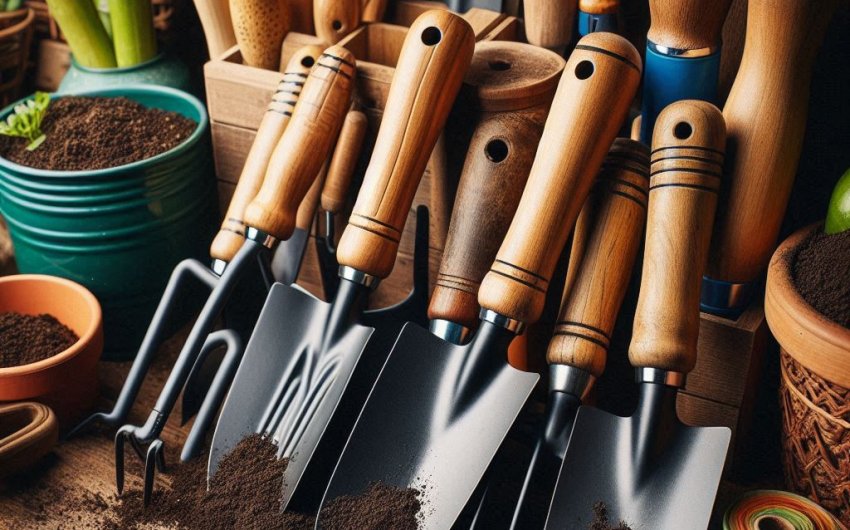
So, you've decided to start a garden? That's awesome! Gardening is a rewarding hobby. You get to connect with nature, grow your own food, or create a beautiful outdoor space. But before you dig in, you'll need some essential gear. Think of it like cooking: you wouldn't try to bake a cake without a mixing bowl and an oven, right? The same goes for gardening. Having the right tools makes all the difference. It makes the work easier, more efficient, and much more fun.
Don't worry, you don't need to buy every single garden tool out there. We're going to focus on the absolute must-haves for beginners. These are the tools that will help you with most gardening tasks, from preparing the soil to planting and caring for your plants. Let's get digging!
What Are the Essential Hand Tools for Gardening?
When you first start gardening, a few basic hand tools will be your best friends. These are small, easy-to-handle tools that you'll use for up-close work in your garden beds or containers.
Trowel: Your Go-To for Planting
The trowel is probably the first tool most gardeners reach for. It's like a small shovel that fits in one hand. You'll use it for all sorts of tasks:
- Digging small holes for planting seeds or young plants.
- Transplanting seedlings from small pots to bigger garden beds.
- Mixing soil amendments like compost or fertilizer.
- Scooping soil when potting plants.
Look for a trowel that feels comfortable in your hand. A good garden trowel will have a sturdy handle, often with a good grip, and a strong blade that won't bend easily when you hit a small rock. Stainless steel blades are good because they resist rust.
Hand Fork (Cultivator): Loosening Soil and Weeding
A hand fork, sometimes called a cultivator, is a small tool with several prongs. It looks a bit like a tiny pitchfork. This tool is fantastic for:
- Loosening compacted (hard) soil in small areas.
- Breaking up clumps of dirt.
- Gently working in compost or other soil conditioners.
- Weeding, especially getting under the roots of stubborn weeds.
A sturdy hand cultivator can save your back and fingers. Choose one with strong metal prongs that won't bend.
Weeder: Targeting Unwanted Plants
Weeds are a part of gardening, but they don't have to be a nightmare. A good weeder can make the job much easier. There are different types of weeders, but a common one has a V-shaped or notched tip. It's designed to dig down and pop out the taproot of weeds like dandelions.
Having a dedicated hand weeder helps you remove weeds cleanly, reducing the chance of them growing back quickly. Some gardeners also love a dandelion weeder, which is specifically shaped to dig out those deep roots.
Pruning Shears (Secateurs): For Clean Cuts
As your plants grow, you'll need to trim them. Pruning shears, also known as secateurs, are like strong scissors for plants. You'll use them to:
- Cut off dead or diseased branches.
- Shape your plants.
- Harvest vegetables or flowers with thick stems.
It's super important to have sharp and clean pruning shears. Dull shears can crush plant stems, which harms the plant and makes it harder for them to heal. There are two main types:
- Bypass pruners: These work like scissors, with two blades passing each other. They give clean cuts and are best for live stems.
- Anvil pruners: These have one sharp blade that closes onto a flat surface. They are good for dead or tougher woody stems. For most beginners, bypass pruners are the way to go.
Garden Gloves: Protect Your Hands
Your hands are your most important gardening tools, so protect them! Garden gloves shield your hands from thorns, sharp edges, dirt, and blisters.
- Look for gloves that are durable but still allow you to feel what you're doing.
- Some gloves have a waterproof coating on the palms to keep your hands dry when working in wet soil.
- For thorny plants like roses or brambles, you might want longer gardening gloves that protect your forearms.
A good pair of gloves makes gardening much more comfortable and prevents minor injuries.
What Larger Tools Are Important for Garden Prep?
Once you get beyond small pots and into garden beds, you'll need some larger garden tools to handle bigger jobs. These are for preparing the soil and moving materials.
Shovel: Digging and Moving Dirt
A shovel is a must-have for any garden. You'll use it for:
- Digging new garden beds.
- Moving soil, compost, or mulch.
- Transplanting larger plants.
- General heavy digging.
There are different types of shovels. A round point shovel has a curved, pointed blade and is good for digging into hard ground. A square point shovel has a flat blade and is better for scooping loose materials. For a beginner, a good quality round point shovel is usually the most versatile.
Choose a shovel with a strong handle, either wood or fiberglass. The connection between the blade and the handle should be solid.
Rake: Smoothing and Clearing
A rake is essential for clearing debris and smoothing out your garden beds.
- A bow rake (or garden rake) has short, stiff teeth and is great for leveling soil, breaking up clods, and spreading compost.
- A leaf rake (or lawn rake) has long, flexible tines and is used for gathering leaves and light debris.
For preparing garden beds, a bow rake is what you'll need. It helps create a nice, even surface for planting.
Garden Fork (Digging Fork): Loosening Large Areas
A garden fork, also called a digging fork or spading fork, has four strong, pointed tines. It's fantastic for:
- Loosening compacted soil in larger areas without completely turning it over (which can disturb helpful soil microbes).
- Aerating (adding air to) the soil.
- Breaking up stubborn clumps of dirt.
- Lifting and moving plant material, compost, or mulch.
A garden fork is less disruptive than a shovel for improving soil structure, especially in established beds. It's also great for harvesting root vegetables like potatoes without damaging them.
Wheelbarrow or Garden Cart: Moving Materials
Once you start moving soil, compost, mulch, or harvested crops, you'll quickly realize how handy a wheelbarrow or garden cart is. Carrying heavy bags of soil or piles of weeds by hand gets tiring very fast.
- A wheelbarrow has one wheel and two handles, making it easy to dump materials.
- A garden cart usually has four wheels, offering more stability and often a higher capacity, making it easier to pull heavy loads.
Consider your needs and storage space. A garden cart can be easier to maneuver for some people, especially if you have a lot of heavy items to move over flat ground. A wheelbarrow is often better for navigating uneven terrain or for dumping into specific spots. Either way, having one will save your back!
What About Watering Tools?
Water is life for plants! Having the right watering tools ensures your plants get the hydration they need without wasting water.
Watering Can: For Gentle and Precise Watering
A watering can is perfect for small gardens, containers, or for watering delicate seedlings.
- It allows for gentle, controlled watering, so you don't wash away seeds or damage young plants.
- You can easily mix liquid fertilizers or plant food into the water.
Look for a watering can with a comfortable handle and a "rose" (the sprinkler head) that provides a gentle, even shower. Capacity matters too – choose one that isn't too heavy when full for you to carry easily.
Garden Hose and Nozzle: For Larger Areas
For bigger garden beds, a garden hose is essential. You'll need one long enough to reach all parts of your garden.
- Look for a hose that is durable and kink-resistant. Flexible garden hoses are popular for their ease of use.
- Pair your hose with a good hose nozzle. A nozzle allows you to control the water flow, from a gentle shower for new plants to a stronger stream for cleaning tools.
Many hose nozzles have multiple spray patterns, which can be very handy. An adjustable one is a good starting point.
Sprinkler (Optional, but Handy)
If you have a large garden area or want to automate watering, a sprinkler can be a great addition. There are many types, from oscillating sprinklers that cover a rectangular area to rotating sprinklers that cover a circular area. A simple oscillating sprinkler can be very useful for uniform watering over a wide space.
While not strictly essential for starting, a sprinkler can save you a lot of time and effort in the long run, especially during hot, dry spells.
What About Safety and Comfort Tools?
Gardening should be enjoyable, not a pain! A few items can greatly improve your comfort and safety while working in the garden.
Knee Pads or Garden Kneeler: For Comfort
Spending time on your knees weeding or planting can be hard on your joints. Knee pads or a garden kneeler are lifesavers.
- Knee pads strap directly onto your knees, providing cushioning as you move around.
- A garden kneeler is a portable pad you can place on the ground. Some even have handles to help you push yourself back up. A good garden kneeler often has a firm foam core.
Your knees will thank you for this small investment!
Sun Hat and Sunscreen: Protect Your Skin
Gardening means spending time outdoors, often in the sun. Protect yourself from harmful UV rays.
- A wide-brimmed sun hat protects your face, neck, and ears.
- Sunscreen should be applied to any exposed skin, even on cloudy days.
These aren't "tools" in the traditional sense, but they are absolutely essential for safe and comfortable gardening.
First-Aid Kit: For Minor Scrapes
Accidents happen. A small cut from a thorny branch, a blister, or a bug bite. Having a basic first-aid kit nearby for minor scrapes and cuts is always a good idea. It doesn't need to be fancy, just some bandages, antiseptic wipes, and perhaps some bug bite cream.
You can get a small first-aid kit that you keep in your garden shed or even carry in your garden basket.
What Other Helpful Garden Accessories Should You Consider?
Once you have the basics, a few other items can make your gardening journey even smoother and more organized.
Garden Basket or Bucket: For Collecting and Carrying
A garden basket or sturdy bucket is incredibly useful.
- Use it to collect weeds as you pull them.
- Carry harvested vegetables or flowers.
- Hold your hand tools as you move around the garden.
- Transport soil amendments or compost in smaller quantities.
A garden trug (a specific type of garden basket) is a popular choice for its durability and comfortable handles.
Plant Markers: Remembering What You Planted
When you sow seeds or plant seedlings, it's easy to forget what's where, especially if you're planting a variety of things. Plant markers are simple stakes or tags that you write on and put next to your plants.
- They help you remember the type of plant.
- They can remind you of the planting date.
- They are especially helpful when seeds are slow to sprout.
You can find plant markers made from wood, plastic, or even slate. Reusable ones are great!
Seed Starting Trays and Pots: For Growing from Scratch
If you plan to start plants from seeds indoors before moving them to the garden, you'll need seed starting trays and small pots.
- Seed starting trays are shallow containers with small cells that provide the perfect environment for tiny seeds to sprout.
- Small nursery pots are great for potting up seedlings once they've grown a bit, giving them more room before they go into the ground.
Look for seed starting kits that often include trays, domes for humidity, and even some peat pellets.
Soil Testing Kit: Understanding Your Dirt
Understanding your soil is a bit like knowing the ingredients for your cake. A soil testing kit helps you learn about your soil's pH (how acidic or alkaline it is) and nutrient levels.
- Knowing your soil's pH helps you choose plants that will thrive in it or adjust the pH if needed.
- Knowing nutrient levels helps you decide what kind of fertilizer or amendments (like compost) your soil needs.
A basic soil test kit is easy to use and provides valuable information for long-term garden success.
Garden Journal or Notebook: Tracking Your Progress
While not a physical tool, a garden journal is incredibly powerful. Use it to:
- Record what you planted, where, and when.
- Note down planting dates, germination rates, and harvest times.
- Jot down observations about pests, diseases, or plant performance.
- Sketch out your garden layout for next year.
A garden journal helps you learn from your experiences and plan for even better gardens in the future. It's a record of your gardening journey!
How Do You Care for Your Garden Tools?
Your garden tools will last much longer if you take good care of them. A little bit of maintenance goes a long way.
Clean Tools After Each Use
Soil, sap, and plant debris can stick to your tools. If left on, they can encourage rust or even spread plant diseases.
- After each use, simply wipe down your tools with a damp cloth to remove any dirt.
- For stubborn sap, a little rubbing alcohol can help.
- For digging tools, you might need a stiff brush or a putty knife to scrape off caked-on mud.
Dry Tools Thoroughly
Water is the enemy of metal tools when it comes to rust. After cleaning, make sure all your tools are completely dry before putting them away. You can hang them up or lay them out to air dry.
Sharpen Cutting Tools Regularly
Dull pruning shears or shovels make work harder and can damage plants.
- Sharpening pruning shears: Use a pruning tool sharpener to keep the blades keen.
- Sharpening shovels and hoes: A metal file or grinding wheel can put an edge back on these tools.
Sharp tools cut cleanly and require less effort, reducing strain on you and stress on your plants.
Oil Metal Parts
To prevent rust and keep moving parts smooth, lightly oil the metal parts of your tools.
- A light coat of mineral oil or camellia oil (which is food-safe) can be wiped onto blades and hinges.
- For pruning shears, apply a drop of oil to the pivot point.
Store Tools Properly
Store your tools in a dry, organized place like a shed, garage, or even a designated corner of your patio.
- Hang long-handled tools on hooks to keep them off the floor and prevent tripping hazards.
- Keep hand tools in a bucket, a tool caddy, or a drawer.
Proper storage protects your tools from the elements and makes them easy to find the next time you're ready to garden.