
How to Grow Climbing Plants with Proper Support?
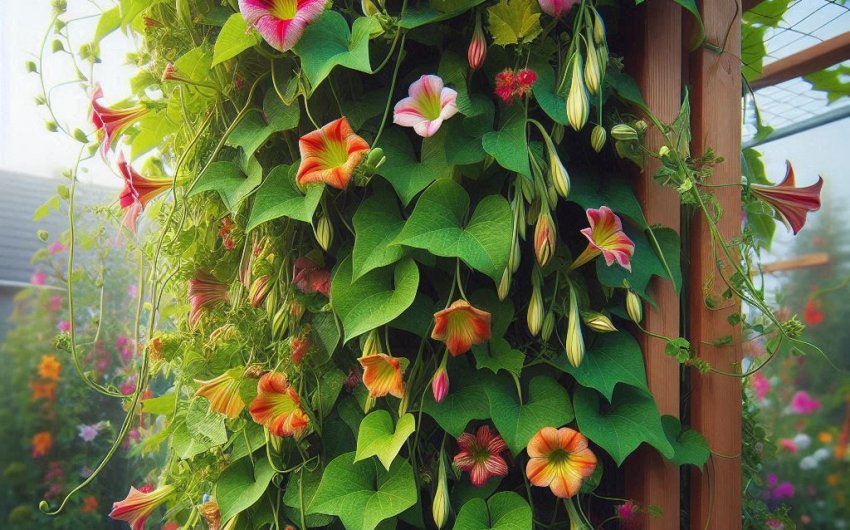
Climbing plants are amazing. They add beauty, privacy, and even food to your garden. Imagine a wall covered in fragrant jasmine or a fence draped with colorful morning glories. But these plants can't just climb on their own. They need a little help. They need the right support. This guide will show you everything you need to know about growing climbing plants with proper support.
Why Do Climbing Plants Need Support?
Think about how plants grow. Most plants have strong stems that stand up straight. But climbing plants are different. Their stems are often weak and flexible. They are designed to reach for light by growing up and over other things. Without something to climb on, they would just sprawl on the ground.
Providing support helps climbing plants in many ways. First, it keeps them off the ground. This protects them from pests and diseases that live in the soil. Second, it allows them to get more sunlight. When a plant grows upward, all its leaves can reach for the sun, which helps them grow stronger and produce more flowers or fruits. Third, it helps them look their best. A well-supported climbing plant looks tidy and beautiful, creating a stunning vertical display in your garden.
There are many types of climbing plants, and they climb in different ways. Some, like vining roses, have thorns or tendrils that hook onto things. Others, like ivy, have tiny aerial roots that cling to surfaces. Understanding how your specific plant climbs is key to choosing the right support.
What Are the Best Types of Support for Climbing Plants?
Choosing the right support is like choosing the right shoes for a long walk. It needs to fit the plant and its growing style. There are many great options, each with its own benefits.
Trellises: The Classic Choice
Trellises are probably what most people think of when they imagine plant support. They are structures made of crisscrossing wood, metal, or plastic. They come in many shapes and sizes. You can find flat trellises that lean against a wall, or obelisk-shaped trellises that stand freely in a garden bed.
Trellises are great for many types of climbing flowers and climbing vegetables. For example, a sturdy wooden trellis works well for clematis or honeysuckle. A smaller, more decorative metal trellis might be perfect for a pot with a mandevilla.
When picking a trellis, think about how heavy your plant will get. A grapevine will need a much stronger trellis than a sweet pea. Also, consider the size of the plant's tendrils or stems. Some plants need a thinner grid to grab onto, while others can handle wider gaps.
Arbors and Pergolas: Grand Statements
If you want to create a grand entrance or a shady outdoor room, arbors and pergolas are wonderful choices. An arbor is a small, arching structure, often placed over a walkway or gate. A pergola is a larger, open structure with a slatted roof, usually found over a patio or seating area.
These structures are perfect for vigorous climbers like wisteria, climbing roses, or grapevines. Imagine walking through an arbor dripping with fragrant climbing roses or relaxing under a pergola covered in lush grapevines, offering both shade and delicious fruit.
Because arbors and pergolas are big, they need to be very strong. They often require concrete footings to keep them stable, especially if they're going to support heavy plants for many years. You can find pre-made kits for garden arbors or pergola kits, or you can build your own if you're handy.
Stakes and Cages: Simple and Effective
For smaller climbing plants or those that need just a little boost, stakes and cages are excellent simple supports.
Stakes are single poles inserted into the ground next to the plant. They are often used for plants like tomatoes or pole beans that grow tall but don't spread out too much. You simply tie the plant to the stake as it grows. You can use bamboo stakes, wooden stakes, or even metal stakes. Remember to tie loosely so you don't hurt the stem. Plant ties made of soft material are best.
Cages are structures that surround a plant, giving it support on all sides. They are most commonly used for tomato plants, which can get very bushy and heavy with fruit. A good tomato cage helps keep the plant upright and prevents the branches from breaking under the weight of the tomatoes.
These supports are generally easier to install and more affordable than trellises or arbors. They are a great starting point for beginners or for quick-growing annuals.
Wires and Cables: Discreet Support
If you want your support to be almost invisible, wires or cables can be a great option. These are often used when you want a plant to climb directly onto a wall, fence, or building. Small eye hooks are screwed into the surface, and then wires are strung between them. The plant can then be trained to grow along the wires.
This method works well for plants that have clinging aerial roots, like ivy or creeping fig, or for those that can be easily tied, like pyracantha or certain climbing hydrangeas. It creates a very natural look, as if the plant is growing directly on the structure.
When using wires, make sure they are made of a material that won't rust, like stainless steel wire stainless steel wire. Also, ensure the eye hooks are strong enough to hold the weight of the mature plant. Leave a small gap between the wall and the wire to allow air circulation, which helps prevent moisture buildup and disease.
Natural Supports: Let Nature Do the Work
Sometimes, the best support is already there! Many climbing plants can be encouraged to grow up existing structures. This is a very natural and often beautiful way to integrate climbers into your landscape.
You can train climbers to grow up a sturdy tree trunk (be careful not to let them choke the tree), a robust shrub, or even an old, strong fence. Think about how rambling roses look when they are allowed to climb through an old apple tree, creating a cascade of blossoms.
When using natural supports, choose plants that won't harm the host. For instance, wisteria can be very aggressive and might damage smaller trees. Ensure the existing structure is strong enough to handle the weight of the mature plant. You might need to gently guide the plant's shoots in the beginning to help it get started on its upward journey.
How Do You Choose the Right Support for Your Plant?
Choosing the perfect support depends on a few things: the type of plant, where you want it to grow, and your personal style.
Consider the Plant's Climbing Method
This is the most important factor.
- Twining plants (like honeysuckle, morning glory, pole beans) wrap their stems around something. They need thin supports they can easily coil around. A trellis with narrow slats or even a string can work.
- Tendril climbers (like peas, grapevines, clematis) send out little curly "fingers" called tendrils that grab onto things. They need supports with small diameters or a grid they can grasp, like a netting or a thin wire.
- Scramblers/Ramblers (like many roses, bougainvillea) have long, flexible stems, sometimes with thorns, that lean and sprawl. They need to be tied to a sturdy structure like an arbor, pergola, or strong trellis.
- Clinging plants (like ivy, climbing hydrangeas, creeping fig) have aerial roots or sticky pads that attach directly to surfaces. They can climb walls, fences, or tree trunks without much help, but a wire grid can guide them.
Think About the Plant's Mature Size and Weight
A small, delicate annual like a sweet pea won't need the same robust support as a large, woody wisteria.
- For heavy plants like wisteria, grapevines, or large climbing roses, you'll need very strong supports like sturdy arbors, pergolas, or heavy-duty metal trellises. These structures should be firmly anchored.
- For medium-sized plants like clematis or honeysuckle, a standard garden trellis will usually work well.
- For lightweight plants like morning glories or nasturtiums, lighter trellises, netting, or even string supports can be sufficient.
Where Will the Plant Grow?
The location plays a big role in your choice of support.
- Against a wall or fence: Flat trellises, wires, or even a lattice attached to the surface are good options. Make sure there's a small gap between the plant and the wall for air circulation.
- In an open garden bed: Obelisk trellises, tripods (three poles tied at the top), or freestanding arbors are excellent.
- In a container: Smaller trellises, tomato cages, or individual stakes are suitable for pots.
- Over a pathway or patio: Arbors and pergolas are perfect for creating shaded areas or defining entrances.
Consider Aesthetics and Durability
The look of the support matters. Do you want something that blends in or stands out?
- Natural look: Wood trellises or supports that disappear as the plant grows over them.
- Modern look: Metal trellises with clean lines or minimalist wire systems.
- Rustic look: Branch trellises or supports made from natural materials.
Also, think about how long the support will last. A temporary string support is fine for annual peas, but a heavy-duty metal trellis or a treated wood pergola will last for decades.
How Do You Install Support Properly?
Installing the support correctly is just as important as choosing the right one. A poorly installed support can fall over, damaging your plant and potentially creating a hazard.
Dig Deep and Anchor Firmly
Most freestanding supports need to be anchored securely in the ground. For larger structures like arbors and pergolas, this might mean digging holes and setting the posts in concrete. This ensures they won't wobble or fall, even in strong winds or when covered with a heavy plant.
For trellises, you might use stakes driven deep into the ground or specialized trellis anchors. If the trellis is leaning against a wall, secure it to the wall with appropriate hardware, leaving a small gap for air flow.
When installing stakes, push them into the ground before planting your seeds or seedlings, or at least when the plant is very small. This prevents damage to the roots.
Position for Sunlight and Growth
Think about where the sun hits. Position your support so your climbing plant gets the best sunlight possible. Most climbing plants love sun, so a spot that gets at least six hours of direct sunlight per day is ideal.
Also, consider the direction of growth. If your plant tends to grow towards the sun, position your support to encourage that growth.
Allow for Air Circulation
When a plant grows too tightly against a wall or another structure, air can't move freely around its leaves. This can lead to fungal diseases like powdery mildew. Always try to leave a small gap between the support and any solid surface it's resting against. For example, if a trellis is against a wall, use spacers or brackets to hold it a few inches away.
Train Your Plant Early
Once your support is in place, you need to help your plant find its way. This is called training. When your plant is young, gently guide its tendrils or stems towards the support. You might need to loosely tie them with soft materials like garden twine or velcro plant ties. Avoid tight ties that could cut into the stem as the plant grows.
Check your plant regularly as it grows. Some plants, like wisteria, can become very vigorous and try to climb everything in sight. You might need to prune them or redirect their growth to keep them on the desired support.
How Do You Maintain Your Climbing Plants and Supports?
Proper maintenance keeps your plants healthy and your supports strong for years to come.
Regular Pruning: Key for Health and Shape
Pruning is essential for climbing plants. It helps maintain their shape, encourages more flowers or fruit, and prevents them from becoming tangled messes.
- Remove dead or diseased branches: This keeps the plant healthy and prevents the spread of issues.
- Control size and direction: Prune to guide the plant to grow where you want it. This is especially important for vigorous climbers that can quickly outgrow their space.
- Encourage flowering: Many climbing plants flower best on new growth, so pruning can stimulate more blooms. For example, climbing roses often benefit from pruning after their main flush of flowers.
- Thin out dense growth: This improves air circulation, which helps prevent diseases.
Always use sharp, clean pruning shears pruning shears to make clean cuts that heal quickly.
Inspect Supports for Wear and Tear
Supports can weaken over time due to weather, rust, or the sheer weight of the plant.
- Wooden supports: Check for rot, loose joints, or insect damage. Apply a fresh coat of sealant or paint every few years to protect the wood.
- Metal supports: Look for rust, especially at the joints or where they meet the ground. Touch up with rust-inhibiting paint if needed. Check for bent or broken pieces.
- Wires and cables: Ensure they are still taut and not fraying. Check eye hooks to make sure they are secure.
- Ties: Loosen or replace ties as the plant stems grow thicker to prevent girdling (cutting into) the stem.
Address any issues promptly to prevent the support from failing. A broken support can cause significant damage to your plant.
Watering and Feeding
Climbing plants, especially those growing vigorously on supports, need adequate water and nutrients.
- Water regularly: Especially during dry periods. Plants growing against walls or under eaves might get less natural rainfall, so they'll need extra attention.
- Fertilize as needed: Follow the recommendations for your specific plant. Many flowering climbers benefit from a fertilizer high in phosphorus to encourage blooms. Balanced plant fertilizer is a good general choice.
Remember that plants in containers will dry out much faster than those in the ground and will need more frequent watering and feeding.
Pest and Disease Management
Keep an eye out for pests and diseases. Healthy, well-supported plants are generally more resilient.
- Inspect leaves regularly: Look for discoloration, holes, or insects.
- Address problems early: If you spot an issue, identify it and treat it quickly. For example, a neem oil spray can help with many common garden pests.
- Good air circulation: Proper support and pruning promote good airflow, which is a natural defense against many fungal diseases.
By following these tips, your climbing plants will thrive, transforming your garden into a lush, vertical masterpiece.