
Tips for Growing a Thriving Indoor Herb Garden
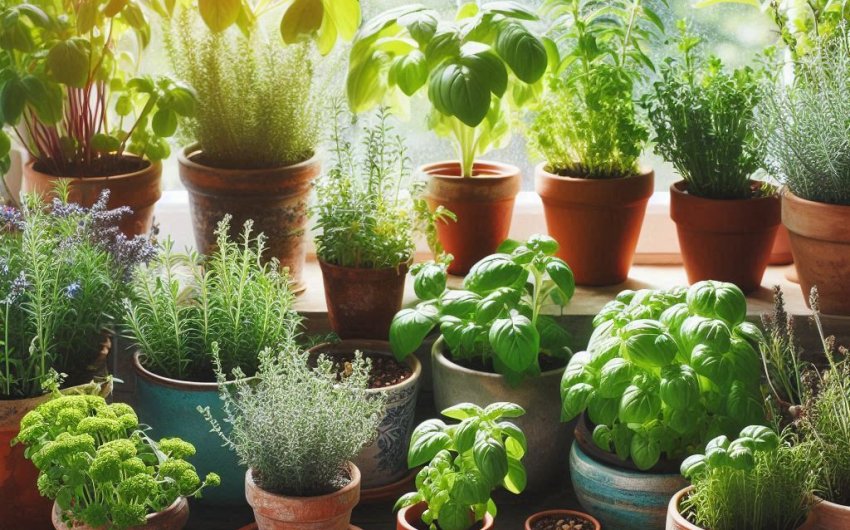
Growing a thriving indoor herb garden relies on providing consistent, adequate light, using appropriate soil and pots with excellent drainage, and mastering precise watering and feeding routines. By understanding the specific needs of each herb, you can ensure a continuous supply of fresh, flavorful additions to your kitchen.
What Are the Benefits of Growing Herbs Indoors?
Cultivating herbs within your home offers a unique blend of practicality, aesthetic appeal, and personal satisfaction. A thriving indoor herb garden enhances your culinary experiences and enriches your living space.
Why Start an Indoor Herb Garden?
- Freshness on Demand, Year-Round: Enjoy the unparalleled taste and aroma of herbs picked just moments before use, regardless of the season or outdoor weather. This means fresh basil in winter or invigorating mint for summer drinks, always at your fingertips.
- Ultimate Convenience: Imagine being able to snip exactly what you need for your meal without leaving your kitchen. Herbs are readily accessible, saving you time and last-minute grocery runs.
- Cost-Effective: While there's an initial setup cost, a productive indoor herb garden quickly pays for itself. You'll save money compared to continually purchasing small, often expensive, bunches of herbs from the supermarket.
- Superior Flavor and Aroma: Herbs harvested fresh from your own plant boast a significantly more intense, complex, and authentic flavor profile than their dried counterparts or those that have been sitting on store shelves. The natural scents also subtly perfume your home.
- Control Over Your Food Source: When you grow your own herbs, you have complete control over their environment. You can ensure they are grown organically, free from unwanted pesticides or chemicals, promoting healthier eating.
- Aesthetic Enhancement: Herbs are naturally beautiful, adding vibrant greenery, texture, and a touch of natural charm to your kitchen, windowsill, or any indoor space. They serve as living, fragrant decor.
- Therapeutic and Stress-Reducing Hobby: The act of nurturing plants, observing their growth, and caring for them is a proven stress reliever. Tending to an indoor herb garden can be a calming and meditative activity, fostering a sense of peace and accomplishment.
- Educational Opportunity: For families, it's an excellent way to teach children about plant life cycles, where food comes from, and the fundamental responsibilities of plant care.
What Challenges Might I Encounter When Growing Herbs Indoors?
While immensely rewarding, it's helpful to be aware of a few common hurdles to navigate:
- Light Deficiency: Indoor environments often lack the intense, direct sunlight that most herbs naturally crave, leading to weak, leggy, and less flavorful growth. This is frequently the biggest challenge.
- Watering Balance: Finding the perfect watering rhythm for each herb is crucial. Overwatering is the most common cause of indoor plant death, leading to root rot.
- Pest Management: Even indoors, pests can sometimes appear. Vigilance and quick, natural remedies are necessary.
- Space Limitations: Depending on your home size, dedicated space for a diverse indoor herb garden might be limited.
- Temperature and Humidity Fluctuations: Indoor air can sometimes be too dry for certain herbs, especially in winter, or temperatures might fluctuate outside their preferred range.
By understanding these potential challenges and learning how to address them, you're well on your way to growing a thriving indoor herb garden.
Which Herbs Are Easiest to Grow Indoors?
Choosing the right herbs for your indoor herb garden is a foundational step towards success. Some varieties are naturally more forgiving and adaptable to indoor conditions, making them ideal for beginners and seasoned gardeners alike.
Top Picks for Your Indoor Herb Garden:
These herbs are known for their resilience and relatively easy care indoors, thriving in typical home environments with proper attention to their core needs:
- Basil:
- Light: Demands abundant bright, direct sunlight (at least 6-8 hours daily). Without enough light, it quickly becomes leggy and loses flavor. Consider grow lights.
- Water: Prefers consistently moist soil, but never soggy or waterlogged. Don't let it completely dry out.
- Temperature: Loves warmth (ideally 65-80°F or 18-27°C). Very sensitive to cold drafts.
- Care Tip: Pinch off flower buds regularly to encourage more leafy growth and prevent bolting.
- Uses: Pestos, Caprese salad, Italian dishes, fresh pasta.
- Mint (Spearmint, Peppermint, etc.):
- Light: Highly adaptable; tolerates bright, indirect light to partial shade (can do well with 4-6 hours of sun).
- Water: Prefers consistent moisture and is quite thirsty. Don't let it dry out completely.
- Temperature: Adaptable to average room temperatures (55-70°F or 13-21°C).
- Care Tip: Can be very vigorous and invasive; grow it in its own pot to prevent it from taking over other plants. Prune regularly.
- Uses: Teas, mojitos, desserts, savory dishes.
- Chives:
- Light: Needs bright light (at least 4-5 hours direct sun).
- Water: Keep soil consistently moist but avoid waterlogging.
- Temperature: Prefers cooler to moderate indoor temperatures (60-70°F or 15-21°C).
- Care Tip: Harvest by snipping outer blades near the base. Very forgiving and regrows quickly.
- Uses: Baked potatoes, eggs, salads, soups.
- Parsley (Curly or Flat-Leaf):
- Light: Tolerates bright, indirect light to some direct sun (4-6 hours).
- Water: Needs consistently moist soil.
- Temperature: Prefers slightly cooler temperatures than basil (around 60-70°F or 15-21°C).
- Care Tip: Harvest outer stems first. Pinching off flower stalks can extend its life.
- Uses: Garnish, soups, stews, tabouleh.
- Rosemary:
- Light: Demands abundant bright, direct sunlight (6-8 hours or more). This is often the biggest indoor challenge. Without it, rosemary will decline.
- Water: Prefers soil to dry out completely between waterings. Highly susceptible to root rot if overwatered. Good air circulation is crucial.
- Temperature: Likes warmth but can handle cooler indoor temperatures.
- Care Tip: Prune to encourage bushiness. Can be prone to powdery mildew if air circulation is poor.
- Uses: Roasts, potatoes, breads, poultry dishes.
- Thyme:
- Light: Needs plenty of bright, direct light (at least 6 hours).
- Water: Allow soil to dry out completely between waterings. Very drought-tolerant once established.
- Temperature: Tolerates a range of indoor temperatures.
- Care Tip: Trim regularly to keep it bushy.
- Uses: Meats, vegetables, soups, stews, Mediterranean dishes.
- Oregano:
- Light: Similar to thyme, requires lots of bright, direct light.
- Water: Prefers to dry out completely between waterings.
- Temperature: Adaptable to average room temperatures.
- Care Tip: Pinch back regularly to encourage bushy growth.
- Uses: Italian, Greek, and Mexican cuisine.
Herbs That Are More Challenging Indoors:
- Cilantro: Tends to "bolt" (go to seed) very quickly indoors, especially in warm conditions, leading to bitter leaves. Best grown from successive seed sowings every few weeks for a continuous, but short-lived, supply.
- Dill: Also prone to bolting and stretching without very specific, cool, and consistent conditions.
- Lavender: Needs extremely high light, excellent drainage, and very specific temperature and humidity conditions that are difficult to replicate in a typical home environment.
By beginning with these easier-to-grow varieties, you'll build your confidence and ensure a rewarding experience with your indoor herb garden.
How Much Light Do Indoor Herbs Need?
Light is undeniably the most critical factor for growing a thriving indoor herb garden. Insufficient light is the leading cause of leggy, weak, pale, and unproductive herbs. Providing adequate light directly impacts their vigor, flavor, and overall health.
Understanding Herb Light Requirements:
Most herbs originate from sunny, open environments outdoors, meaning they crave significant amounts of light indoors.
- Minimum Requirement: Most herbs need at least 6 hours of bright, direct sunlight per day to simply survive indoors.
- Optimal Requirement: For truly thriving, bushy, and flavorful herbs like basil, rosemary, thyme, and oregano, aim for 8 hours or more of bright, direct sunlight daily.
- Lower Light Tolerance: A few herbs, such as mint and parsley, can tolerate slightly less direct sun, perhaps thriving with 4-5 hours of direct light supplemented by bright indirect light, or 6-8 hours of consistently bright indirect light.
Optimizing Natural Light Sources:
- South-Facing Windows (Northern Hemisphere): This is generally the gold standard for an indoor herb garden. South-facing windows receive the most intense and prolonged direct sunlight throughout the day. Place your most light-hungry herbs here.
- West-Facing Windows: Provide strong afternoon sun. This can be very beneficial for many herbs, but be mindful of excessive heat build-up during summer, which could scorch delicate leaves.
- East-Facing Windows: Offer gentler morning sun. This is suitable for herbs that prefer bright, indirect light or those that can tolerate slightly less intense direct sun.
- North-Facing Windows: Generally provide very low, indirect light that is insufficient for the majority of herbs. Plants in these locations will likely become leggy and struggle. Avoid this placement if possible.
Recognizing Signs of Light Deficiency:
Your herbs will clearly communicate if they are not getting enough light:
- Leggy or Stretched Growth (Etiolation): The most common sign. Stems become abnormally long and spindly, with leaves spaced widely apart as the plant stretches desperately towards a perceived light source.
- Pale or Yellowing Leaves: The vibrant green color fades to a sickly pale green or yellow due to insufficient chlorophyll production.
- Small, Sparse Leaves: New leaves are smaller than usual, and the plant appears less dense.
- Reduced Flavor and Aroma: The essential oils that give herbs their distinctive flavor and scent develop best under ample light. Lack of light leads to bland-tasting herbs.
- Weak Stems: Plants may appear flimsy and struggle to support themselves.
Supplementing with Grow Lights (Often Essential):
Even a seemingly sunny window might not provide enough consistent light, especially during shorter winter days, periods of prolonged cloudiness, or in homes with limited natural light. Grow lights are often essential for growing a thriving indoor herb garden.
- Recommended Grow Light Types:
- LED Grow Lights: Highly energy-efficient, long-lasting, and capable of emitting a "full spectrum" of light (mimicking natural sunlight). This spectrum includes the red and blue wavelengths crucial for photosynthesis and overall plant development. LEDs are the most popular and cost-effective long-term choice for indoor herb gardens. A versatile and effective option is Barrina T5 Grow Lights.
- Fluorescent Grow Lights (T5 or T8): Affordable and effective, particularly for starting seeds and growing leafy greens.
- Full Spectrum is Key: Always choose "full-spectrum" grow lights, as they provide the complete range of light wavelengths that plants need for healthy, balanced growth.
- Proper Placement: Position your grow light approximately 6-12 inches (15-30 cm) above the tops of your herbs. The exact distance depends on the light's intensity. Start a bit further away and observe your plants' response. If leaves show signs of scorching or bleaching, raise the light. If growth remains leggy, lower it slightly.
- Consistent Duration: Provide 12-16 hours of artificial light per day to simulate a long, bright summer day. It is crucial to use a timer to ensure consistency and to provide your plants with a necessary period of darkness (8-12 hours) to complete their metabolic processes and rest.
Investing in appropriate lighting is arguably the single most impactful step you can take to ensure your indoor herb garden thrives, producing robust, flavorful, and abundant harvests.
What is the Best Soil and Potting for Indoor Herbs?
The foundation of a flourishing indoor herb garden lies in selecting the right soil and pots. These elements directly influence water management, nutrient delivery, proper aeration, and overall root health, all of which are critical for robust herb growth.
Choosing the Right Potting Mix:
- Never Use Garden Soil (Outdoor Soil): This is a crucial rule for indoor plants. Soil from your outdoor garden is too dense, compacts easily in pots (which suffocates roots), and can introduce pests, diseases, and weed seeds indoors. It also doesn't drain well in confined containers.
- High-Quality, Well-Draining Potting Mix: Opt for a premium, well-draining potting mix specifically formulated for containers or labeled "potting soil for indoor plants." A good mix will feel light, airy, and fluffy to the touch. This composition allows for excellent aeration (providing oxygen to roots) and quick drainage, while still retaining enough moisture for your herbs to absorb water and nutrients.
- Enhancing Drainage (for specific herbs): For herbs that absolutely detest "wet feet" and thrive in drier conditions (like rosemary, thyme, and oregano), you can significantly enhance drainage by amending your potting mix:
- Perlite: A lightweight, porous volcanic rock. Mix in about 1 part perlite to 3-4 parts potting mix to substantially improve aeration and drainage without adding significant weight.
- Coarse Sand: Use horticultural sand, not fine play sand (which can compact). This also aids drainage, though perlite is often preferred for its lightness and superior aeration.
- Nutrient Content: Many commercial potting mixes come with a small amount of slow-release fertilizer, providing initial nutrients. However, remember to provide supplemental fertilization as needed over time, as these initial nutrients will be depleted by active growth.
A reliable choice for a general-purpose potting mix that supports healthy root development and helps deter common indoor pests like fungus gnats is Miracle-Gro Indoor Potting Mix.
Selecting the Ideal Pots:
- Drainage Holes Are Non-Negotiable: This is the absolute most critical feature for any pot in your indoor herb garden. Every single pot MUST have drainage holes at the bottom. Without them, excess water accumulates at the bottom, depriving roots of oxygen and leading to root rot – which is the leading cause of death for indoor plants. If you have a beautiful decorative pot without holes, use it as a cachepot (an outer, decorative pot) and place your herb in a plain nursery pot (with drainage holes) inside it.
- Consider Pot Material: Different materials have varying properties regarding moisture retention and aeration:
- Terracotta/Unglazed Clay Pots: Highly recommended for most herbs, especially those that prefer drier conditions (rosemary, thyme, oregano). Their porous nature allows excess water to evaporate through the sides of the pot, promoting faster soil drying and excellent air circulation directly to the roots. They are also heavier and more stable, reducing tipping.
- Plastic Pots: Lighter, less expensive, and durable. They retain moisture longer than terracotta. They can be a good choice for herbs that prefer consistently moist soil (like basil and mint) but require more careful watering to prevent soggy conditions.
- Glazed Ceramic Pots: Aesthetically appealing and come in a wide range of designs. Like plastic, they are non-porous and retain moisture. Always double-check that they have adequate drainage holes.
- Choose the Right Pot Size:
- Start Appropriately: Do not put a tiny herb seedling into a giant pot. A pot that is too large holds an excessive amount of soil and moisture, which can stay wet for too long and suffocate the roots, increasing the risk of root rot.
- For young herbs or seedlings, begin with pots that are approximately 4-6 inches (10-15 cm) in diameter.
- As your herb grows, repot it into a container that is only 1-2 inches (2.5-5 cm) larger in diameter than its current root ball.
- Most mature herbs will thrive in pots that are around 6-8 inches (15-20 cm) in diameter.
- If you plan on planting multiple herbs in one larger container, ensure they have similar light and watering needs, and choose a container large enough to accommodate their mature sizes without overcrowding.
By diligently selecting the appropriate soil mix and pots with excellent drainage, you will establish a robust and healthy foundation, significantly contributing to growing a thriving indoor herb garden.
How Do I Water My Indoor Herbs Correctly?
Watering is frequently the most common stumbling block for those trying for growing a thriving indoor herb garden. Overwatering is a far more prevalent and detrimental issue than underwatering, leading to root rot and plant demise. The secret lies in watering based on the herb's specific needs and the actual moisture level of the soil, rather than adhering to a rigid schedule.
The Golden Rule: Always Check the Soil Before You Water
- The Finger Test (Most Reliable): This simple method is incredibly effective. Stick your finger about 1-2 inches (2.5-5 cm) deep into the soil.
- If it feels moist, wait.
- If it feels dry, it's time to water.
- Moisture Meter: For added precision, especially helpful for beginners or for larger pots, a soil moisture meter can provide an accurate reading. Insert the probe into the soil and observe the dial.
- Pot Weight: With experience, you'll learn to judge the soil's moisture simply by lifting the pot. A dry pot will feel noticeably lighter than a freshly watered one.
Proper Watering Techniques:
- Water Thoroughly: When it's time to water, apply water slowly and evenly over the entire soil surface. Continue watering until you see water draining generously from the bottom of the pot. This ensures that the entire root ball is thoroughly moistened.
- Drain Excess Water (Crucial!): This step is absolutely critical. Never allow your herbs to sit in standing water in their saucer or decorative pot. Within 15-30 minutes of watering, empty any accumulated water. Stagnant water deprives roots of essential oxygen and is the leading cause of root rot.
- Bottom Watering (Optional but Highly Recommended): This method encourages deeper root growth and can help deter fungus gnats. Place your potted herb in a saucer, tray, or even a sink filled with about 1 inch (2.5 cm) of room-temperature water. Allow the pot to absorb water from the bottom for 20-30 minutes, or until the topsoil feels moist. Remove the pot from the tray and let any excess water drain away before returning it to its spot.
- Water Temperature: Always use room-temperature water. Cold water can shock the plant's roots and potentially stunt growth.
Herb-Specific Watering Preferences:
Herbs have varying moisture needs, so it's important to tailor your approach:
- Herbs that prefer consistently moist soil (but never soggy or waterlogged):
- Basil: A relatively thirsty plant, especially in warm, sunny conditions.
- Mint: Loves water; keep its soil consistently damp.
- Parsley: Benefits from consistent moisture.
- Chives: Likes to stay on the moister side.
- Herbs that prefer to dry out completely between waterings:
- Rosemary: Extremely susceptible to root rot if overwatered. Let the soil become dry to the touch before watering again.
- Thyme: Very drought-tolerant. Prefers to dry out.
- Oregano: Similar to thyme, thrives in drier conditions between watering.
- Sage: Also prefers soil to dry out between watering.
Frequency: The exact frequency of watering will depend on numerous variables: the specific herb species, the size and material of the pot (terracotta dries faster than plastic), the ambient temperature and humidity levels in your home, and the amount of light your indoor herb garden receives. It could range from every few days to once a week or even less often in winter. Always rely on the soil test.
Recognizing Watering Problems:
- Overwatering Symptoms:
- Yellowing, often mushy, translucent leaves.
- Drooping or wilting despite the soil being wet.
- Stunted growth.
- Presence of fungus gnats (small flies hovering around the soil).
- Moldy or foul-smelling soil.
- Underwatering Symptoms:
- Wilting or drooping leaves (when the soil is clearly dry and often pulled away from the pot edges).
- Crispy or brown leaf edges.
- Stunted growth.
By diligently applying these watering principles, you will conquer one of the biggest challenges and ensure your indoor herb garden not only survives but thrives, yielding abundant, flavorful harvests.
How Do I Fertilize My Indoor Herbs for Abundant Growth?
While proper light, water, and soil provide the essential environment, delivering adequate nutrients through regular fertilization is crucial for sustained, vigorous growth and flavorful leaves in your indoor herb garden. Herbs are actively growing plants that will eventually deplete the nutrients present in their potting mix.
When to Fertilize:
- Initial Potting Mix Nutrients: Most good quality commercial potting mixes contain enough nutrients to sustain a plant for the first 4-6 weeks. You generally don't need to fertilize newly potted herbs immediately after planting.
- Active Growing Season: The best time to fertilize your herbs is exclusively during their active growing season, which typically spans spring and summer. This is when they are actively putting out new growth and can most efficiently utilize the nutrients you provide.
- Dormancy/Winter: It is important to reduce or completely stop fertilizing during the fall and winter months. During this period, most herbs naturally slow their growth or enter a semi-dormant phase due to shorter days and lower light intensity. They will not need as many nutrients, and excess fertilizer can accumulate and harm their roots.
- Signs of Nutrient Deficiency: Watch for specific visual cues such as stunted growth, an overall pale green or yellowing of leaves (even when light is adequate), or a general lack of vigor and new production. These can indicate that your herbs are hungry.
Choosing the Right Fertilizer Type:
- Balanced Liquid Fertilizer: For the majority of leafy culinary herbs, a balanced liquid fertilizer with an equal or slightly higher nitrogen (N) content is ideal. Nitrogen is the primary nutrient that promotes lush, green foliage growth. Look for N-P-K (Nitrogen-Phosphorus-Potassium) ratios such as 5-5-5, 10-10-10, or 7-3-5.
- Organic Options (Recommended for Edibles): Many gardeners prefer organic fertilizers for herbs, especially since these plants are grown for consumption. Good organic choices include:
- Liquid Seaweed or Fish Emulsion: These provide a broad spectrum of essential micronutrients and promote overall plant health. Be aware that fish emulsion can have a mild, temporary odor, so consider applying outdoors or in a well-ventilated area.
- Worm Castings: These can be easily mixed into the top inch or two of soil, where they slowly release nutrients as they break down. Alternatively, you can steep them in water to create a "worm tea" for liquid feeding.
- Herb-Specific Formulations: Some brands offer fertilizer formulations specifically designed for herbs or edible plants, which are usually well-balanced and simple to use.
A popular and effective organic liquid plant food suitable for edibles is Espoma Organic Indoor! Liquid Plant Food.
How to Apply Fertilizer to Your Herbs:
- Dilute Properly (Absolutely Critical!): This is one of the most important rules for fertilization. Always dilute liquid fertilizers to half or even quarter strength of the recommended dosage found on the product label. Over-fertilization is a very common problem for indoor plants and can lead to "fertilizer burn," which severely damages roots and causes leaf tips to turn brown and crispy. When in doubt, err on the side of under-fertilizing.
- Apply to Moist Soil: Never apply fertilizer to a dry plant. Always water your herbs thoroughly first, ensuring the soil is evenly moist. Then, apply the diluted fertilizer. Applying fertilizer to dry soil can shock the roots and cause severe chemical burns.
- Frequency:
- During the active growing season (spring and summer), fertilize your indoor herb garden approximately every 2-4 weeks.
- Herbs like rosemary and thyme are generally less heavy feeders and might only require fertilizing once a month or every 6 weeks.
- Always observe your plants. If they are showing vigorous, healthy new growth, you might not need to fertilize as often. Let the plants' appearance and growth rate guide your fertilization schedule.
What to Avoid When Fertilizing Indoor Herbs:
- Granular Fertilizers: These are generally not suitable for indoor potted herbs. They can release nutrients unevenly, leading to "hot spots" of high concentration and potential root burn. They are also harder to control in small indoor pots.
- "More is Better" Mindset: This is definitely not true with fertilizer. Excess nutrients can be detrimental to plant health. Always follow dilution instructions and apply sparingly.
By providing a consistent, gentle supply of essential nutrients tailored to their needs, you will significantly contribute to growing a thriving indoor herb garden, ensuring robust plants and abundant, flavorful harvests.
How Do I Harvest and Prune My Indoor Herbs for Maximum Yield and Flavor?
Proper harvesting and pruning techniques are crucial for maintaining a healthy, bushy, and highly productive indoor herb garden. These practices directly encourage new growth, prevent premature flowering (bolting), and ensure you're consistently getting the most flavorful leaves.
Why Harvest and Prune Regularly?
- Promotes Bushy, Dense Growth: When you snip off the top growth of an herb stem, the plant is signaled to send energy to the dormant "nodes" (the points where leaves or branches emerge from the stem) below the cut. This stimulates the growth of two new stems, resulting in a denser, bushier plant instead of a tall, leggy, or sparse one.
- Delays Bolting and Extends Lifespan: For annual herbs like basil and cilantro, regular harvesting – especially pinching off any emerging flower buds – delays the plant's natural tendency to "bolt." Bolting means the plant shifts its energy from producing tasty leaves to producing flowers and seeds, often resulting in bitter-tasting leaves and the end of the plant's productive life.
- Maintains Plant Health: Removing older, yellowing, damaged, or diseased leaves allows the plant to direct its energy more efficiently to healthy new growth. It also improves air circulation around the plant, which reduces the risk of fungal issues.
- Increases Overall Yield: Paradoxically, consistent and correct harvesting actually stimulates the plant to produce more leaves over time, providing you with a continuous and abundant supply of fresh herbs.
Specific Harvesting Techniques for Popular Herbs:
- Basil:
- Method: Once your basil plant is about 6-8 inches tall and has at least two sets of true leaves, you can begin harvesting. Pinch off the top sets of leaves and the stem, cutting just above a leaf node. This immediately makes the plant branch into two new stems below the cut.
- Frequency: Harvest regularly, often once a week during peak growth, to keep it productive and prevent flowering. Never let it flower if you want continuous leafy growth.
- Mint, Oregano, Marjoram, Thyme:
- Method: Snip off stems with leaves, cutting just above a leaf node. You can safely take up to one-third of the plant's total growth at a time without stressing it too much.
- Frequency: Harvest as needed throughout the growing season, focusing on outer stems or top growth to encourage bushiness.
- Rosemary, Sage:
- Method: Use sharp pruners to snip off new, tender, green growth. Avoid cutting too deep into the old, woody stems, as these often do not readily regrow.
- Frequency: Harvest sparingly from younger plants. Once established, you can take a few sprigs as needed.
- Chives:
- Method: Use clean, sharp scissors to snip off the outer blades near the base of the plant, leaving about 1-2 inches (2.5-5 cm) of growth from the soil.
- Frequency: Harvest as needed; they are very resilient and regrow quickly.
- Parsley:
- Method: Cut the outer stems at the base of the plant using clean scissors. This encourages new growth from the center of the plant.
- Frequency: Harvest outer leaves as needed.
- Cilantro:
- Method: Harvest outer leaves and stems when they are about 6 inches tall. For a larger harvest, you can cut the entire plant a few inches above the soil, and it might regrow once or twice before bolting (especially in warmer temperatures).
- Frequency: Cilantro tends to bolt quickly indoors. For a continuous supply, it's often best to sow new seeds every 2-3 weeks.
General Pruning Best Practices for All Herbs:
- Use Clean, Sharp Tools: Always use clean, sharp scissors or dedicated pruning shears. This ensures clean cuts that heal quickly and minimizes damage to the plant, reducing the risk of disease. Wipe blades with rubbing alcohol between plants if you suspect disease.
- The "One-Third Rule": As a general guideline, strive not to remove more than one-third of the plant's total foliage at any single harvest or pruning session. Taking too much can severely stress the plant and inhibit its recovery and subsequent growth.
- Remove Flowers (for leafy culinary herbs): For herbs where your primary goal is abundant leafy growth (e.g., basil, cilantro, parsley), always pinch off any emerging flower buds as soon as you see them forming. This redirects the plant's energy directly into producing more flavorful leaves. (Note: Some herbs, like chives or borage, have edible or attractive flowers, so you might choose to let them bloom if that is your purpose).
- Inspect While Pruning: Use harvesting time as an excellent opportunity to closely inspect your herbs for any early signs of pests, diseases, or yellowing/damaged leaves that need to be removed.
Consistent, thoughtful harvesting and pruning are essential skills for cultivating a flourishing and highly productive indoor herb garden, ensuring a continuous supply of fresh, vibrant flavors for all your culinary endeavors.
How Do I Protect My Indoor Herb Garden from Pests?
Even a meticulously cared-for indoor herb garden can occasionally encounter pest challenges. However, the excellent news is that indoor pests are often manageable with early detection and the application of natural, safe-for-edible methods. The overarching goal is prevention and swift, non-toxic intervention.
Common Indoor Herb Pests to Watch For:
- Aphids:
- Appearance: Small, soft-bodied insects (often green, black, yellow, or pink) that typically cluster on new growth, stem tips, and the undersides of leaves.
- Damage: They suck plant sap, leading to distorted, curling, or yellowing leaves. They also excrete sticky "honeydew," which can attract ants and lead to sooty mold growth.
- Spider Mites:
- Appearance: Tiny, almost microscopic arachnids. Look for very fine, delicate webbing on leaves (especially undersides) and tiny speckled dots (stippling) on leaves, which are feeding damage. They thrive in hot, dry conditions.
- Damage: Suck sap, causing discoloration, stunted growth, and eventually leaf drop.
- Fungus Gnats:
- Appearance: Small, dark, mosquito-like flies that hover around the soil surface. Their larvae are tiny, clear-bodied worms living in the soil.
- Damage: The adult flies are mostly an annoyance. Their larvae feed on fungi and organic matter in overly moist soil; in severe cases, they can sometimes nibble on delicate roots of young plants.
- Mealybugs:
- Appearance: Small, white, cottony masses found in leaf axils (where leaves meet the stem), on stems, or the undersides of leaves.
- Damage: They suck plant sap, leading to weakened growth, distorted leaves, and also leave behind sticky honeydew.
Natural and Safe Pest Control Methods for Edible Herbs:
- Quarantine New Plants (Prevention is Paramount!): This is the single most important preventative step. Always thoroughly inspect and isolate any new herbs (or any new houseplant) for at least 1-2 weeks before introducing them to your established indoor herb garden. This crucial step prevents pests from hitchhiking into your healthy collection.
- Manual Removal:
- Aphids and Mealybugs: Dip a cotton swab in 70% isopropyl alcohol and gently dab directly onto the visible pests. The alcohol dissolves their waxy coating, killing them.
- Strong Water Spray: For aphids and spider mites, take the affected plant to the sink or shower and gently spray the foliage (especially undersides) with a strong, but not damaging, stream of room-temperature water. This physically dislodges and washes them away.
- Hand Picking: For any larger pests you might spot, simply pick them off.
- Insecticidal Soap Spray:
- Preparation: Mix 1-2 teaspoons of a mild liquid dish soap (ensure it's not a strong degreaser, antibacterial, or highly fragranced soap) with 1 quart (1 liter) of water.
- Application: Spray your plant thoroughly, ensuring to coat all leaf surfaces (top and bottom) and stems. Always perform a spot test on a small, inconspicuous leaf first to ensure no adverse reaction.
- Frequency: Repeat the application every 5-7 days until the pests are gone. Insecticidal soap works by suffocating soft-bodied insects and has very low residual effect, making it safe for edibles after thorough washing.
- A commercial option like Safer Brand Insecticidal Soap & Mite Killer is also highly effective.
- Neem Oil Spray:
- Preparation: Mix horticultural-grade neem oil concentrate with water according to the package directions.
- Application: Spray thoroughly, covering all parts of the plant.
- Frequency: Repeat every 7-10 days as needed. Neem oil acts as an anti-feedant, repellent, and disrupts insect growth cycles.
- Caution: Always apply neem oil when the plant is not in direct sunlight to avoid potential leaf burn. Ensure leaves are dry before placing the plant back into strong light. It is generally considered safe for edibles after a waiting period and thorough washing.
- For Fungus Gnats (Primarily a Watering Issue):
- Address Overwatering (Most Effective Solution): The most crucial step is to allow the top 1-2 inches (2.5-5 cm) of soil to dry out completely between waterings. This effectively breaks their breeding cycle, as the gnat larvae need consistently moist soil conditions to survive.
- Sticky Traps: Yellow sticky traps placed near the soil surface will effectively catch adult fungus gnats, helping to reduce their population.
- Bacillus thuringiensis israelensis (BTI): Use mosquito dunks or bits containing BTI. You can soak them in your watering can. BTI is a natural bacterium that specifically targets and kills gnat larvae without harming plants or other organisms.
- Increase Humidity (for Spider Mites): Spider mites thrive in dry, dusty conditions. Placing your plant on a pebble tray (a shallow tray filled with pebbles and water, ensuring the pot sits above the water level) can increase local humidity around the plant. Avoid direct misting of leaves, which can promote fungal growth.
Overall Prevention is Always Best:
- Regular Inspection: Make it a habit to closely examine your herbs every time you water them. Look thoroughly under leaves, in leaf axils (where leaves meet stems), and along stems. Early detection makes any infestation much easier to control.
- Good Air Circulation: Ensure your herbs aren't too crowded. Good airflow discourages many pests and helps prevent fungal issues.
- Remove Dead Foliage: Promptly remove any yellowing, dead, or fallen leaves from the plant and the soil surface. These can harbor pests and create moist, favorable breeding grounds.
- Healthy Plants: A healthy, well-nourished plant is naturally more resilient and better equipped to resist pest infestations.
By being vigilant and consistently employing these safe, natural pest control strategies, you can successfully protect your indoor herb garden and ensure it remains vibrant, productive, and free from chemical intervention.