
The Complete Guide to Growing Strawberries at Home
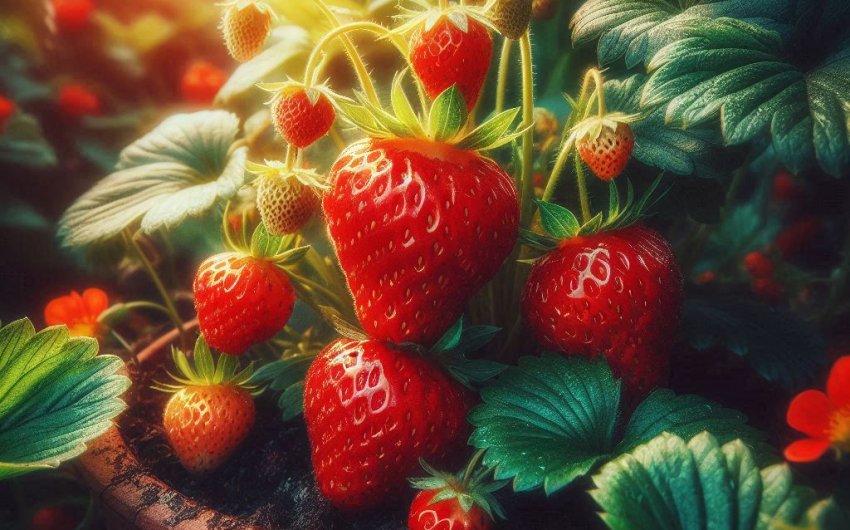
Growing strawberries at home is a rewarding endeavor that yields delicious, fresh fruit right from your garden. Success depends on understanding the different types of strawberries, proper planting techniques, consistent care, and protection from common issues.
Why Grow Strawberries at Home?
Growing strawberries at home offers an unparalleled experience compared to buying them from the store. The taste, convenience, and satisfaction derived from your own harvest are truly unbeatable.
What are the Benefits of Homegrown Strawberries?
- Unmatched Flavor: Store-bought strawberries are often picked before they are fully ripe to ensure they travel well. Homegrown strawberries, ripened on the plant until perfectly red and fragrant, boast a sweetness and intense flavor that commercial varieties simply can't match.
- Freshness and Quality: From your garden to your plate in minutes! You get to enjoy strawberries at their peak freshness, retaining all their delicate flavor and nutrients.
- Cost Savings: While there's an initial investment in plants and supplies, a well-maintained strawberry patch can produce abundant fruit for several years, saving you money compared to consistently buying pints from the grocery store.
- Control Over Growing Conditions: When you're growing strawberries at home, you decide what goes into your soil and whether to use pesticides. You can opt for organic methods, ensuring your berries are free from unwanted chemicals.
- Convenience: Imagine stepping outside and picking a handful of sweet berries for your breakfast or dessert whenever you desire. No more last-minute runs to the store.
- Gardening Satisfaction: There's immense joy and satisfaction in nurturing plants from tiny starts to bountiful producers. Watching your strawberry patch thrive and yield fruit is a truly rewarding experience.
- Aesthetic Appeal: Strawberry plants are attractive with their bright green foliage and delicate white flowers, adding beauty to your garden, raised beds, or containers.
- Versatility: Fresh strawberries are incredibly versatile for eating fresh, making jams, pies, smoothies, or desserts.
Are There Any Downsides to Growing Strawberries?
While the benefits are many, it's good to be aware of a few considerations:
- Pest and Disease Pressure: Birds, slugs, and certain fungal diseases love strawberries as much as you do. Protection measures are often necessary.
- Space Requirements: While adaptable to containers, a productive patch needs some dedicated space to spread.
- Runner Management: Many types of strawberries send out runners, which need to be managed to maintain plant vigor.
- Lifespan: Most strawberry plants are productive for 3-5 years, requiring periodic renewal.
- Patience: The first year's harvest may be small, as plants establish themselves.
Despite these minor considerations, the sheer joy and taste of homegrown strawberries make growing strawberries at home a highly recommended gardening project.
What Types of Strawberries Can I Grow at Home?
Understanding the different types of strawberries is the first crucial step to growing strawberries at home successfully. Each type has a distinct fruiting habit, influencing your harvest schedule and garden management.
Main Types of Strawberries:
There are three primary types of strawberries, categorized by when and how they produce fruit:
June-Bearing Strawberries:
- Fruiting Habit: Produce a single, large crop of berries over a 2-3 week period, typically in late spring or early summer (hence "June-bearing").
- Characteristics: Known for producing the largest berries and the highest overall yield from a single flush. They produce many runners (new plants) throughout the growing season, which need to be managed.
- Ideal For: Gardeners who want a large harvest all at once for making jams, freezing, or preserving. They are generally the best choice for mass production.
- Popular Varieties: 'Honeoye', 'Allstar', 'Chandler', 'Earliglow', 'Ozark Beauty'.
- Management: Require a "renovation" process after harvest (mowing foliage, thinning plants, managing runners).
Ever-Bearing Strawberries:
- Fruiting Habit: Produce two main crops: one in late spring/early summer and another, often smaller, crop in late summer/early fall. They may also produce a few berries sporadically throughout the summer.
- Characteristics: Produce fewer runners than June-bearers, making them a bit easier to manage in smaller spaces or containers. The berries are typically smaller than June-bearing varieties.
- Ideal For: Gardeners who prefer a more continuous supply of fresh berries for eating throughout the season, rather than a single large harvest.
- Popular Varieties: 'Ozark Beauty', 'Quinault', 'Mara des Bois', 'Seascape'.
- Management: Do not require renovation. Runner removal is often encouraged to promote berry production.
Day-Neutral Strawberries:
- Fruiting Habit: Produce flowers and fruit continuously throughout the growing season, as long as temperatures are between 35°F and 85°F (2°C and 29°C). Their fruiting is not dependent on day length.
- Characteristics: Produce very few runners, making them excellent for containers, hanging baskets, or small garden plots. The berries are typically smaller than June-bearing varieties.
- Ideal For: Gardeners who want a steady, albeit smaller, supply of fresh berries from spring until the first hard frost. Excellent for those with limited space.
- Popular Varieties: 'Tristar', 'Tribute', 'Albion', 'San Andreas'.
- Management: Focus on maximizing berry production by removing most runners.
Alpine Strawberries (Bonus Type):
- Fruiting Habit: Small, wild-type strawberries that produce tiny, intensely flavorful berries continuously from spring to fall. They typically do not produce runners.
- Characteristics: Berries are often the size of a thumbnail, highly aromatic, and resemble wild strawberries.
- Ideal For: Edible groundcover, containers, or for a gourmet treat. They are also shade-tolerant compared to other types.
- Popular Varieties: 'Mignonette', 'Alexandria', 'Ruegen'.
When planning your growing strawberries at home project, consider your climate, available space, and how you intend to use your harvest to select the best type for your needs.
Where is the Best Location for Growing Strawberries at Home?
Selecting the ideal location is a critical factor for growing strawberries at home successfully. Strawberries thrive when their environmental needs are met, particularly concerning sunlight, soil, and protection.
Key Factors for Location Selection:
Sunlight (Absolutely Crucial):
- Full Sun: Strawberries require at least 6-8 hours of direct sunlight per day to produce abundant fruit. The more sun they get, the sweeter the berries and the higher the yield.
- Avoid Shade: Partial shade will result in fewer, smaller, and less flavorful berries, and can also increase susceptibility to fungal diseases due to prolonged dampness.
- South-Facing is Best: In the Northern Hemisphere, a south-facing spot that receives direct sun all day is ideal.
Well-Draining Soil:
- Strawberry Root Rot: Strawberries are highly susceptible to root rot in waterlogged soil. Good drainage is paramount.
- Raised Beds: Excellent for ensuring good drainage and controlling soil quality.
- Container Gardening: Another great option for drainage, as long as pots have adequate drainage holes.
- In-Ground: If planting directly in the ground, consider amending heavy clay soils with compost or creating raised rows to improve drainage.
- Soil pH: Strawberries prefer slightly acidic to neutral soil, with an ideal pH range of 5.5 to 6.5. A soil test kit can confirm your pH.
Good Air Circulation:
- Prevents Disease: Adequate airflow around plants helps leaves dry quickly after rain or watering, reducing the risk of fungal diseases like powdery mildew and leaf spot.
- Avoid Overcrowding: Ensure plants are spaced correctly and runners are managed to promote good air circulation.
Protection from Pests and Wildlife:
- Birds: Birds absolutely love ripening strawberries. Consider netting (like Bird Netting for Gardens) or other deterrents as berries begin to ripen.
- Slugs and Snails: They can chew holes in berries. Measures like slug baits (organic options available) or barriers may be needed.
- Deer/Rabbits: If these are an issue in your area, fencing may be necessary.
- Weeds: While not a pest, weeds compete for nutrients and water. Choose a site that is relatively weed-free, or prepare it thoroughly.
Accessibility for Harvesting and Maintenance:
- Place your strawberry patch where it's easy to reach for daily harvesting, weeding, and maintenance tasks like runner management.
Avoid Previous Nightshade Plantings:
- Try not to plant strawberries in areas where tomatoes, potatoes, peppers, or eggplants (all members of the Solanaceae or nightshade family) have been grown recently (within 3 years). These plants can harbor soil-borne diseases (like Verticillium wilt) that can also affect strawberries.
Growing Methods and Locations:
- In-Ground Beds: Traditional method for large patches, requires good drainage.
- Raised Beds: Excellent for drainage, soil control, and easier access.
- Containers/Pots: Ideal for ever-bearing or day-neutral varieties, small spaces, patios, or balconies. Ensure ample drainage holes.
- Strawberry Towers/Planters: Vertical planters designed to maximize space and keep berries off the ground.
- Hanging Baskets: Great for decorative display, especially with ever-bearing or day-neutral varieties whose berries can cascade over the sides.
By carefully considering these factors, you'll choose the best possible location for growing strawberries at home and set yourself up for a delicious, abundant harvest.
How Do I Prepare the Soil and Plant Strawberries?
Proper soil preparation and planting techniques are fundamental to growing strawberries at home successfully. Healthy roots lead to robust plants and abundant fruit.
Soil Preparation:
Strawberries are somewhat particular about their soil. They prefer rich, well-draining, slightly acidic soil.
- Test Your Soil: Before planting, it's highly recommended to perform a soil test. This will tell you your soil's current pH and nutrient levels. Strawberries prefer a pH range of 5.5 to 6.5.
- If your pH is too high (alkaline), you can lower it by adding elemental sulfur or sphagnum peat moss.
- If your pH is too low (acidic), you can raise it by adding agricultural lime.
- Improve Drainage: If you have heavy clay soil, drainage is critical.
- Amend with Organic Matter: Incorporate a generous amount of well-rotted compost (or other organic matter like aged manure) into the top 6-12 inches (15-30 cm) of your soil. This improves soil structure, drainage, and fertility.
- Raised Beds: The easiest way to ensure excellent drainage and control soil quality. Fill with a mix of good topsoil and compost.
- Nutrient Levels: Strawberries are moderate feeders. If your soil test indicates low nutrient levels, amend with balanced organic fertilizer as recommended by the test. Compost alone can often provide sufficient nutrients initially.
Planting Strawberries:
Strawberries are most commonly purchased as bare-root plants or potted starts.
When to Plant:
- Spring Planting (Most Common): Plant bare-root or potted strawberries in early spring as soon as the soil can be worked, after the danger of hard frost has passed. This allows them to establish a strong root system before summer heat.
- Fall Planting: In warmer climates (Zones 6 and above), fall planting is also an option, giving plants a head start before winter.
How to Plant Bare-Root Strawberries:
- Prepare the Roots: Upon receiving bare-root plants, if you can't plant immediately, store them in the refrigerator. Before planting, soak the roots in a bucket of water for 20-30 minutes.
- Dig the Hole: Dig a hole wide and deep enough to accommodate the roots without bending. Create a small mound of soil in the center of the hole.
- Position the Plant (Crucial!): This is where many go wrong.
- Place the strawberry plant on top of the mound, spreading the roots down and out.
- The "Crown" (the swollen base of the plant where the leaves emerge) must be precisely at soil level.
- If the crown is too deep, it can rot. If it's too high, the roots will dry out.
- Backfill and Water: Gently backfill the hole with prepared soil, firming it lightly around the roots to remove air pockets. Water thoroughly to settle the soil.
How to Plant Potted Strawberry Starts:
- Prepare the Plant: Gently remove the strawberry plant from its nursery pot. Loosen any circling roots at the bottom.
- Dig the Hole: Dig a hole slightly wider and just as deep as the root ball.
- Position the Plant: Place the plant in the hole ensuring the top of the root ball is level with the surrounding soil. The crown should be at soil level.
- Backfill and Water: Gently backfill with soil, firming lightly. Water thoroughly.
Spacing:
- June-Bearing (Matted Row System): Plant individual plants 18-24 inches (45-60 cm) apart in rows. Allow runners to fill in the space, creating a matted row that's about 18-24 inches (45-60 cm) wide.
- Ever-Bearing/Day-Neutral (Hill System): Plant individual plants 12-18 inches (30-45 cm) apart. Remove all runners to encourage more fruit production on the main plant.
- Containers: Plant 1-3 plants per 10-12 inch (25-30 cm) diameter pot, depending on variety and pot size.
Initial Care After Planting:
- Water Regularly: Keep the soil consistently moist (but not soggy) for the first few weeks to help plants establish.
- Remove First-Year Flowers (June-Bearers & Ever-Bearers): For June-bearing and ever-bearing varieties, pinch off all flowers in the first year after planting. This directs the plant's energy into developing a strong root system, leading to much larger harvests in subsequent years. Day-neutral varieties typically don't require this.
- Mulch: Apply a layer of straw (like Straw Mulch for Gardens) or pine needles around the plants to conserve moisture, suppress weeds, keep berries clean, and act as winter insulation.
By meticulously preparing the soil and planting correctly, you're laying the best possible groundwork for growing strawberries at home successfully.
How Do I Water and Fertilize Strawberries?
Consistent watering and appropriate fertilization are crucial for growing strawberries at home and achieving a bountiful harvest. Getting these aspects right ensures healthy plants and juicy berries.
Watering Strawberries:
Strawberries have shallow root systems, making them highly susceptible to drought. They prefer consistent moisture, especially during key growth periods.
- Consistency is Key: Aim for consistently moist soil, but never soggy or waterlogged. Allow the top inch of soil to dry out slightly before watering again.
- Frequency:
- Establishment Phase: After planting, water frequently to help new plants establish, perhaps daily or every other day depending on weather.
- Flowering and Fruiting: This is the most critical time for consistent moisture. Lack of water during this period will result in smaller, misshapen berries. Water more frequently during dry spells.
- Post-Harvest: Continue regular watering, especially for June-bearers that are developing runners.
- Container Plants: Pots dry out much faster than in-ground beds, so container strawberries will require more frequent watering, often daily in hot weather.
- Watering Method:
- Drip Irrigation or Soaker Hoses: Ideal methods as they deliver water directly to the root zone, minimize water waste, and keep foliage dry, which helps prevent fungal diseases.
- Hand Watering: If hand watering, water at the base of the plant to avoid wetting the leaves unnecessarily.
- Signs of Underwatering: Wilting leaves, stunted growth, small or deformed berries.
- Signs of Overwatering: Yellowing leaves, mushy crown, root rot.
Fertilizing Strawberries:
Strawberries are moderate feeders. The best approach is to amend your soil with compost regularly and provide supplemental fertilizer based on your soil test results and the plant's growth stage.
- First Year (No Fruiting): If you've amended your soil with good compost before planting, supplemental fertilization usually isn't necessary in the first year for June-bearing and ever-bearing varieties (since you're pinching off flowers). The focus is on root development.
- Established Plants (Post-Harvest for June-Bearers):
- June-Bearing: The best time to fertilize June-bearing strawberries is after the harvest and renovation (around mid-summer). This feeds the plants as they develop new runners and set buds for next year's crop. A balanced fertilizer (e.g., 10-10-10 or 5-10-10 NPK) applied according to package directions is suitable.
- Ever-Bearing/Day-Neutral: Fertilize lightly in early spring and again in mid-summer. Too much nitrogen can lead to lush foliage but fewer berries.
- Type of Fertilizer:
- Organic Options: Well-rotted compost, aged manure, or an organic granular fertilizer formulated for berries or fruits (e.g., Espoma Organic Berry-tone) are excellent choices.
- Synthetic Options: If using synthetic, choose a balanced slow-release granular fertilizer or a liquid feed at half strength.
- Application: Apply granular fertilizers around the base of the plants and water them in. For liquid fertilizers, apply as a soil drench. Avoid getting fertilizer directly on leaves.
Important Considerations:
- Don't Over-Fertilize Nitrogen: Too much nitrogen encourages leafy growth at the expense of fruit production and can lead to soft, mushy berries.
- Soil Test is Best: A soil test remains the most accurate way to determine specific nutrient needs.
By providing consistent moisture and thoughtful fertilization, you'll ensure optimal conditions for growing strawberries at home and enjoying bountiful, delicious harvests.
How Do I Manage Runners and Renovate Strawberry Beds?
Managing runners and renovating June-bearing strawberry beds are crucial practices for growing strawberries at home and maintaining productive, healthy plants year after year. Without proper management, plants can become overcrowded, yields decline, and disease risk increases.
Understanding Runners:
- What are Runners? Strawberry plants send out horizontal stems called "runners" (or stolons) that touch the ground and form new plantlets (baby strawberry plants or "daughter plants").
- Why Manage Them?
- June-Bearing: If left unmanaged, June-bearing plants will quickly become a dense, overcrowded mat, leading to smaller berries and lower overall yields due to competition for light, water, and nutrients.
- Ever-Bearing/Day-Neutral: These varieties produce fewer runners, but it's generally recommended to remove most of them to direct the plant's energy into fruit production on the main plant.
Managing Runners:
For June-Bearing (Matted Row System):
- Allow Limited Spread: In the matted row system, allow the first 2-3 runners per mother plant to root and form new plants within an 18-24 inch (45-60 cm) wide row. These new plants will be the primary producers for next year's crop.
- Remove Excess Runners: Once you have established enough new plants within your desired row width, cut off any additional runners. Direct the plant's energy into berry production for established plants or vigor for next year's producers.
- Pegging: You can gently peg down the first runner or two from each plant to encourage them to root where you want them.
For Ever-Bearing and Day-Neutral (Hill System or Container):
- Remove All Runners: The general recommendation is to remove all runners from these varieties as they appear. This redirects the plant's energy entirely into producing fruit on the main plant, leading to larger, more consistent harvests.
- Pinch or Snip: Simply pinch or snip off the runners close to the mother plant.
Renovating June-Bearing Strawberry Beds:
Renovation is a critical annual process for June-bearing strawberries, performed immediately after their single harvest in summer. It rejuvenates the bed for the following year's crop.
Mow or Shear the Foliage:
- Within 1-2 weeks after the last berry harvest, mow or shear the old foliage down to about 1-2 inches (2.5-5 cm) above the crown. Use a lawnmower on a high setting or hand shears.
- Why? This removes old, diseased leaves, encourages vigorous new growth, and forces the plant to send energy into runner production for next year's plants.
- Timing: Do this promptly to allow plants maximum time for recovery and new growth before fall.
Weed and Thin:
- Thoroughly weed the bed.
- Thin out older, unproductive plants. In matted rows, aim for plants to be about 6-8 inches (15-20 cm) apart. Remove any plants that appear weak, diseased, or are older than 3-4 years. This creates space for new, vigorous daughter plants.
Fertilize:
- After mowing and thinning, apply a balanced granular fertilizer (e.g., 10-10-10 NPK) or compost around the plants. Water it in thoroughly. This feeds the plants as they produce new leaves and set fruit buds for the next season.
Mulch:
- Apply a fresh layer of mulch (straw is ideal) to suppress weeds, conserve moisture, and keep the soil cool as the plants recover and grow.
Water Consistently:
- Continue to water regularly and consistently throughout the rest of the summer and fall to support new growth and runner development.
When to Replace an Entire Strawberry Bed:
Most strawberry beds are productive for about 3-5 years. After this, yields typically decline significantly. It's best to start a new patch in a different location (if possible) with new plants after 3-5 years, allowing the old patch to rest or be used for other crops.
Proper management of runners and consistent renovation are essential for sustained, abundant harvests when growing strawberries at home.
How Do I Protect Strawberries from Pests and Diseases?
Protecting your strawberries from pests and diseases is a continuous effort when growing strawberries at home. These delicious berries are attractive to many creatures and susceptible to various ailments. Organic and preventative measures are usually the best approach.
Common Strawberry Pests and Solutions:
- Birds:
- Damage: They love ripe berries and can strip a patch clean in a day.
- Solution:
- Bird Netting: This is the most effective deterrent. Drape fine mesh bird netting (like Bird Netting for Gardens) over your strawberry patch as soon as berries start to ripen. Secure the edges to prevent birds from getting underneath.
- Reflective Tape/Scare Devices: Can offer temporary deterrence, but birds often get used to them.
- Slugs and Snails:
- Damage: Chew irregular holes in ripening berries, leaving a slime trail.
- Solution:
- Hand-picking: Go out at dusk or after rain with a flashlight and pick them off.
- Beer Traps: Sink shallow dishes of beer to ground level; slugs are attracted to the yeast and drown.
- Diatomaceous Earth: Sprinkle a barrier around plants (effective when dry).
- Organic Slug Bait: Look for baits containing iron phosphate (safe for pets and wildlife).
- Strawberry Weevils (Clipper Beetles):
- Damage: Adults cut the flower stems, causing buds to "clip" off before flowering.
- Solution: Hand-picking adults, removing infested plant debris, or using row covers early in the season can help. Severe infestations may require organic insecticides like pyrethrins (as a last resort).
- Spider Mites:
- Damage: Tiny arachnids that suck plant sap, causing stippling (tiny dots) on leaves, discoloration, and fine webbing. Thrive in hot, dry conditions.
- Solution: Strong spray of water (especially undersides of leaves), insecticidal soap, or neem oil (applied in evening to avoid harming beneficials).
- Aphids:
- Damage: Small, soft-bodied insects that cluster on new growth, causing distorted leaves and sticky honeydew.
- Solution: Blast off with water, insecticidal soap, or encourage natural predators like ladybugs.
Common Strawberry Diseases and Solutions:
Most strawberry diseases are fungal and thrive in moist conditions. Prevention through good cultural practices is key.
- Fungal Leaf Spots (Leaf Spot, Leaf Scorch, Leaf Blight):
- Symptoms: Brown, reddish-purple, or gray spots on leaves, potentially leading to defoliation.
- Solution:
- Good Air Circulation: Space plants correctly, remove excess runners.
- Water at Base: Avoid overhead watering, especially in the evening. Use drip irrigation or soaker hoses.
- Remove Infected Leaves: Prune away and dispose of severely infected leaves.
- Resistant Varieties: Choose disease-resistant strawberry varieties.
- Powdery Mildew:
- Symptoms: White, powdery growth on leaves (especially undersides), leading to distorted, curled leaves. Can affect fruit.
- Solution: Improve air circulation, ensure proper spacing, use overhead watering sparingly. Organic fungicides (like baking soda spray or sulfur-based products) can help in severe cases.
- Grey Mold (Botrytis Fruit Rot):
- Symptoms: Fuzzy, gray mold on ripening or ripe berries, often starting where berries touch the soil or other berries.
- Solution:
- Mulch: Use straw mulch to keep berries off the soil.
- Good Air Circulation: Prevent dense foliage.
- Prompt Harvesting: Pick ripe berries quickly.
- Remove Diseased Fruit: Immediately remove and dispose of any fruit showing signs of rot.
- Root Rot:
- Symptoms: Yellowing, wilting plants, stunted growth, brown/black mushy roots.
- Solution: Primarily caused by poor drainage. Ensure well-draining soil, raised beds, or pots with drainage holes. Avoid overwatering.
General Preventative Measures:
- Sanitation: Remove and dispose of any diseased plant material promptly. Keep the patch free of fallen leaves and weeds.
- Rotate Crops: Avoid planting strawberries in areas where nightshade plants (tomatoes, potatoes) were previously grown. If possible, rotate your strawberry patch location every 3-5 years.
- Healthy Soil: Build healthy, well-draining soil rich in organic matter to promote strong, resilient plants.
- Resistant Varieties: Choose strawberry varieties known for their resistance to common diseases in your area.
By implementing these preventative and responsive measures, you'll significantly increase your success in growing strawberries at home, ensuring a healthy patch and a delicious harvest.
How Do I Harvest and Store Homegrown Strawberries?
The moment your strawberries ripen is truly rewarding. Proper harvesting and storage techniques are essential for enjoying the peak flavor and extending the life of your homegrown berries after growing strawberries at home.
When to Harvest Strawberries:
- Color and Fragrance: Strawberries are ready for harvest when they are fully red (no green or white patches, especially at the tip) and emit a strong, sweet, characteristic strawberry fragrance.
- Time of Day: Harvest in the morning after the dew has dried, when the berries are cool and firm. This is when they are at their peak flavor and freshest.
- Frequency: Check your plants daily, especially during peak season. Berries ripen quickly, and ripe ones attract pests.
How to Harvest Strawberries:
- Use Scissors or Pinch: Instead of pulling the berry directly, which can damage the plant or crush the berry, use small scissors or pinch the stem.
- Leave the Stem and Cap On: Always leave a small piece of the stem (about 1/4 to 1/2 inch) and the green leafy cap (calyx) attached to the berry.
- Why? This significantly prolongs the berry's freshness and prevents bruising and spoilage. Berries without caps tend to spoil very quickly.
- Handle Gently: Strawberries are delicate. Handle them as little as possible to avoid bruising.
- Harvest into Shallow Containers: Use wide, shallow containers (like berry baskets or plastic containers with air holes) to collect your harvest. Avoid piling berries too high, as the weight can crush the ones at the bottom.
Storing Homegrown Strawberries:
Homegrown strawberries are perishable and have a shorter shelf life than store-bought ones because they are truly ripe.
- Do NOT Wash Until Ready to Eat: Washing strawberries before storage introduces moisture, which accelerates mold growth and spoilage.
- Refrigerate Immediately: Place unwashed strawberries in a single layer (or no more than two layers deep) in a shallow, breathable container.
- Ideal Containers: Line a colander, a paper towel-lined container, or a specialized berry keeper (like Berry Bowl with Colander) with a paper towel to absorb excess moisture. Leave some air circulation.
- Storage Duration: Fresh, unwashed strawberries will typically last in the refrigerator for 3-7 days, depending on their ripeness at harvest and storage conditions.
- Before Eating: Gently rinse the berries under cool water just before you plan to eat them. Pat them dry gently if using for baking or slicing.
Freezing Strawberries (for longer storage):
Freezing is an excellent way to preserve your bounty for smoothies, jams, or baking.
- Wash and Hull: Gently wash the berries. Remove the green caps (hull) with a paring knife or a strawberry huller.
- Dry Thoroughly: This is crucial. Spread the hulled berries in a single layer on a clean kitchen towel and let them air dry completely, or gently pat them dry. Excess moisture leads to freezer burn and ice crystals.
- Flash Freeze: Arrange the dry berries in a single layer on a baking sheet lined with parchment paper or a silicone mat. Place the baking sheet in the freezer for 2-4 hours, or until the berries are completely frozen solid.
- Transfer to Freezer Bags: Once frozen solid, transfer the berries to freezer-safe bags or containers. Remove as much air as possible (using a vacuum sealer if you have one).
- Storage Duration: Frozen strawberries will retain their quality for 8-12 months.
By following these harvesting and storage tips, you'll maximize your enjoyment of your delicious homegrown berries after all your efforts in growing strawberries at home.