
Why Raised Beds Are Better for Urban Gardeners?
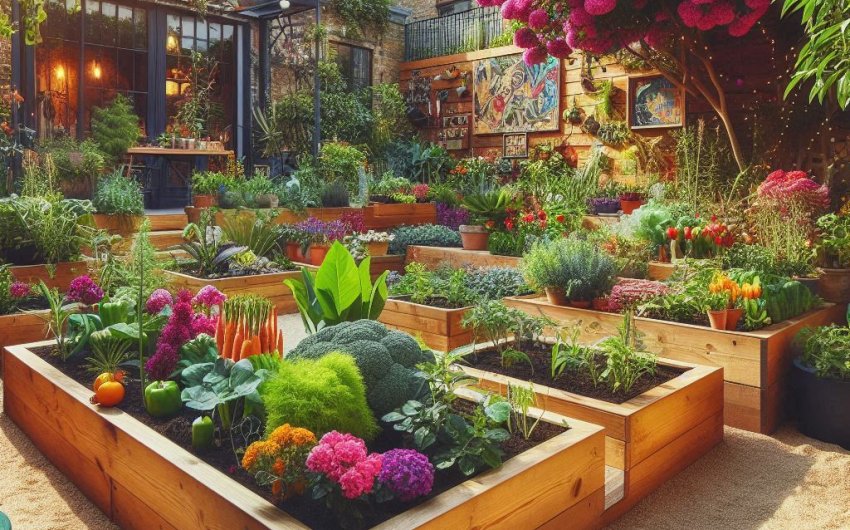
Gardening in the city can be tough, right? You might have a small space, not-so-great soil, or even worry about pollution. But imagine having a beautiful, productive garden right outside your door, even in an urban jungle. That's where raised garden beds come in! These handy garden structures are like magic boxes for city growers. They lift your plants above the ground, making gardening easier, cleaner, and often much more successful, especially for urban gardeners with limited space or tricky conditions. If you've been thinking about starting a garden in your city home, on a patio, or even a rooftop, a raised bed might be the perfect solution. Let's explore all the amazing reasons why these elevated plots are a game-changer for urban gardening.
What Makes Raised Beds So Good for Small Spaces?
One of the biggest challenges for urban gardeners is finding enough space. Apartments, small backyards, balconies, and rooftops often don't offer much room for traditional in-ground gardens. This is where the compact nature of raised beds really shines.
How Do They Maximize Growing Area?
Even if your outdoor space is tiny, you can fit a raised bed. They come in all shapes and sizes, from long, narrow ones that fit against a wall to square ones perfect for a corner. Because the sides contain the soil, you can build a raised bed right up to the edge of your patio or balcony without worrying about soil spilling out. This means every inch of your available space can be used for growing food or flowers. You can often grow more plants in a smaller footprint because you can plant more intensively in the rich soil of a raised bed. For example, a small 4x4 foot raised bed can produce a surprising amount of vegetables.
Can Raised Beds Be Used on Patios and Balconies?
Absolutely! Raised garden beds are perfect for patio gardening and balcony gardening. Since they contain the soil, you don't have to worry about digging up your paved surfaces. You just place the raised bed where you want it. Make sure your patio or balcony can support the weight of the filled bed, especially larger ones. For balconies, lightweight options like a fabric raised bed or a metal raised bed kit might be a better choice to reduce weight. This also means you can easily move them if needed, though once filled with soil and water, they become quite heavy.
What About Rooftop Gardens?
Rooftop gardening is becoming super popular in cities, and raised beds are essential for it. You can't just dig into a rooftop! Raised beds provide the necessary container for soil and plants, keeping everything neat and preventing damage to the roof's surface. Again, weight is a big consideration for rooftops, so lighter materials and smaller beds might be best. Always check with your building's rules and perhaps a structural engineer before starting a large rooftop garden. A durable galvanized steel raised garden bed is often a good choice for rooftop durability.
Why Is Soil Quality Better in Raised Beds?
One of the best reasons to use raised beds in the city is the amazing control you get over your soil. In many urban areas, the ground soil can be less than ideal.
What's Wrong with Urban Soil?
City soil often has problems. It might be compacted from foot traffic or construction, making it hard for roots to grow and water to drain. It could also be poor quality, with low nutrients or too much clay or sand. Even worse, urban soil can be contaminated with heavy metals (like lead from old paint or industrial activity), chemicals, or other pollutants that you definitely don't want in your vegetables. Growing directly in questionable ground soil is a big risk for your health and your plants.
How Do Raised Beds Solve Soil Problems?
This is where raised beds become superheroes! Because they are elevated, you get to choose exactly what goes into them. You fill your raised bed with fresh, high-quality raised bed soil mix. This mix is usually a blend of good topsoil, compost, and other organic matter. This creates a perfect growing environment that is loose, rich in nutrients, and drains well. You don't have to worry about what's lurking in the ground beneath. You're giving your plants the best possible start. A good quality organic raised bed soil is an excellent investment.
Can I Make My Own Raised Bed Soil Mix?
Yes, you can! Making your own soil mix can save money and allows you to customize it. A popular recipe is a "50/50" or "60/30/10" mix. A simple 50/50 mix could be half good quality topsoil and half compost. For a slightly more advanced mix, try 60% topsoil, 30% compost, and 10% a good draining amendment like perlite or vermiculite. Adding a bit of organic fertilizer at the beginning can also give your plants a boost. The key is to make sure the mix is rich in organic matter and drains well.
How Do Raised Beds Improve Drainage and Aeration?
Good drainage and aeration (air in the soil) are super important for healthy plant roots. In-ground gardens, especially in clay soils, can often suffer from poor drainage, leading to waterlogged roots and unhappy plants.
Why Is Good Drainage Important for Plants?
When soil is waterlogged, plant roots can't "breathe." They need oxygen to function properly and absorb nutrients. If roots sit in standing water, they can suffocate and rot, leading to plant death. Raised beds naturally solve this problem. Because they are elevated, gravity helps water drain away more easily. The sides of the bed also help prevent compaction, keeping the soil loose and airy.
How Does Raised Bed Soil Stay Aerated?
When you fill a raised bed with a good raised bed soil mix, it's usually light and fluffy. Unlike in-ground gardens where foot traffic can compact the soil, in a raised bed, you never walk on the growing area. You work from the edges, so the soil stays loose and well-aerated. This means roots can spread out easily, access oxygen, and absorb water and nutrients efficiently. A good quality garden hand trowel can help with gentle soil turning.
Do Raised Beds Prevent Waterlogging?
Yes, generally speaking, raised beds are excellent at preventing waterlogging. The elevated position and the loose, well-draining soil mix allow excess water to drain away quickly. This is especially beneficial if your native soil is heavy clay, which tends to hold onto water. However, it's still important not to overwater your plants. While raised beds prevent standing water, consistently soggy soil can still be an issue if you water too much. Always check the soil moisture before watering again.
What Are the Benefits for Pest and Weed Control?
Dealing with pests and weeds can be a constant battle in a traditional garden. Raised beds offer some distinct advantages in these areas.
How Do Raised Beds Help with Weeds?
One of the biggest perks of raised beds is significantly reduced weeding. When you start with fresh, weed-free raised bed soil mix, you're already ahead. Weeds from the surrounding ground are less likely to creep into your elevated garden. Also, because the soil in a raised bed is typically looser and softer, any weeds that do pop up are much easier to pull out. No more back-breaking work trying to yank stubborn weeds from compacted soil! Less weeding means more time to enjoy your garden. A good pair of gardening gloves makes weeding even easier.
Can Raised Beds Help with Pests?
While raised beds won't eliminate all pests, they can certainly help. The physical barrier of the bed's walls can deter some ground-dwelling pests like slugs and snails, especially if you choose materials that they find hard to climb. You can also more easily add pest control measures, like copper tape around the edges to deter slugs, or install row covers over your plants to protect them from flying insects. Since your garden is contained, it's easier to monitor for pests and take action quickly.
Do They Help with Animals?
For many urban gardeners, animals like rabbits, squirrels, or even neighborhood cats can be a nuisance. Raised beds make it much easier to add barriers to keep critters out. You can build frames over your raised beds to support bird netting or chicken wire to protect your precious crops. The height of the bed itself can also make it a little harder for some ground-dwelling animals to access your plants. For instance, a tall raised garden bed can deter some smaller critters.
Why Are Raised Beds Easier on Your Body?
Gardening should be enjoyable, not a pain in the back! Traditional in-ground gardening often involves a lot of bending, kneeling, and stooping. This can be tough on your back, knees, and joints, especially as you get older or if you have mobility issues.
How Do They Reduce Bending and Kneeling?
This is a huge benefit of raised garden beds. By lifting the soil level, raised beds bring your plants up closer to you. You don't have to bend down as far to plant, water, weed, or harvest. For taller raised beds, you can even sit on the edge while you work, or use a garden stool with wheels to move easily around the bed. This makes gardening much more comfortable and accessible for people of all ages and physical abilities.
Can I Get Wheelchair-Accessible Raised Beds?
Absolutely! Many raised bed designs are made with accessibility in mind. You can build or buy raised beds that are tall enough to work from a standing position or from a wheelchair. These are often called "ADA compliant" raised beds or elevated garden beds. They allow gardeners with mobility challenges to enjoy the therapeutic benefits of gardening without strain. This promotes inclusivity in gardening spaces.
Do They Save Time on Maintenance?
Because of better soil, fewer weeds, and easier access, maintaining a raised bed garden generally takes less time and effort than an in-ground garden of the same size. You spend less time weeding, less time fighting soil compaction, and less time bending over. This means more time to simply enjoy watching your plants grow and harvesting your fresh produce. A small raised bed garden kit can get you started quickly.
What Are the Benefits for Plant Health and Yield?
Ultimately, you want your garden to be productive and healthy. Raised beds create an ideal environment that can lead to stronger plants and bigger harvests.
How Do Raised Beds Improve Plant Growth?
The combination of excellent drainage, aeration, and rich, loose soil in a raised bed creates the perfect conditions for roots to thrive. Healthy roots mean healthy plants. Plants in raised beds often grow faster and stronger because they have easy access to nutrients and water, and their roots aren't stressed by compaction or waterlogging. This leads to more vigorous growth and larger, healthier plants.
Do They Lead to Higher Yields?
Many gardeners report higher yields from their raised beds compared to in-ground gardens of the same size. This is because the optimal growing conditions allow plants to reach their full potential. You can also plant more closely together in a raised bed (intensive planting) because the soil is so rich and consistent, and you don't need pathways between rows within the bed itself. This means you can pack more production into a smaller area.
Can Raised Beds Help Extend the Growing Season?
Yes, they can! In the spring, the soil in raised beds tends to warm up faster than in-ground soil because it's elevated and more exposed to the sun. This means you can often plant earlier in the season, getting a head start on your crops. In the fall, raised beds also tend to stay warmer longer, allowing you to extend your harvest well into cooler weather. You can also easily add season extenders like cold frames or mini hoop houses directly onto your raised beds to protect plants from early and late frosts.
What Materials Can I Use for Raised Beds?
Raised beds come in many different materials, each with its own pros and cons. Your choice will depend on your budget, style preference, and desired lifespan.
What are Common Materials for Raised Beds?
- Wood: This is a very popular choice. Untreated cedar or redwood are good options because they are naturally rot-resistant and don't contain chemicals. Pine and fir are cheaper but will rot faster unless treated (which might not be ideal for food gardens). You can find cedar raised garden bed kits easily.
- Metal: Galvanized steel, aluminum, or corrugated metal panels are durable, long-lasting, and often give a modern look. They can get hot in direct sun, but this usually doesn't harm the plants. A popular option is a metal raised garden bed.
- Stone/Brick/Concrete Blocks: These are extremely durable and can last a lifetime. They look very natural and can create a beautiful, permanent feature in your garden. They can be more expensive and labor-intensive to build.
- Recycled Plastic/Composite: These materials are made from recycled plastics and wood fibers. They are very durable, don't rot, and require no maintenance. They can be a bit more expensive upfront but last a very long time.
- Fabric/Smart Pots: These are soft, breathable fabric containers that function like raised beds. They are lightweight, inexpensive, and great for temporary gardens, patios, or balconies where weight is a concern. A fabric grow bag is a common type.
Are There Materials to Avoid?
It's generally recommended to avoid using treated lumber (pressure-treated wood) for food gardens, especially older types of treated lumber that might contain chemicals like CCA (chromated copper arsenate). While modern treated lumber is considered safer, many gardeners still prefer to err on the side of caution and use untreated wood or other materials for edible plants. Also, avoid materials that might rust or degrade quickly, releasing harmful substances into your soil.
How Do I Choose the Right Size?
Consider how much space you have, what you want to grow, and how deep you want the bed to be. For most vegetables, a depth of at least 10-12 inches is good, but 18-24 inches is even better for root crops and less frequent watering. As for width, make sure you can reach the middle of the bed comfortably from both sides. A common width is 3-4 feet, as this allows you to reach 1.5-2 feet from each side. Length can be whatever fits your space. A 2x8 foot or 4x4 foot size is very common and manageable. You can even find stackable raised garden bed kits to customize height.
Can Raised Beds Make Gardening More Attractive?
Beyond all the practical benefits, raised garden beds also make your garden look amazing! They add a clean, organized, and often very stylish touch to any outdoor space, even in a busy city.
How Do They Create a Tidy Look?
Unlike traditional in-ground beds where soil can spill out and edges can become messy, raised beds keep everything contained within neat borders. This creates a very tidy and organized appearance, making your garden look purposeful and well-maintained. The defined edges create a clear distinction between your planting area and pathways or lawn.
Can They Enhance Urban Aesthetics?
Definitely! Raised beds can turn a plain concrete patio or a neglected patch of urban ground into a beautiful, vibrant green space. You can choose materials that complement your home's style, from rustic wood to modern metal. They can become attractive focal points, adding curb appeal and a touch of nature to even the most urban environments. Imagine a series of decorative metal raised beds filled with colorful flowers and herbs.
Are They Easy to Integrate into Landscaping?
Yes, they are very easy to integrate! You can use raised beds to create different zones in your garden, define pathways, or even create terraced gardens on sloped ground. Their defined structure makes them a natural fit for structured garden designs. You can also mix and match different sizes and shapes to create visual interest and maximize your growing space in a creative way. They can be placed alongside existing fences, walls, or used to define outdoor living areas.
What Are the Environmental Benefits of Raised Beds?
Beyond personal convenience and plant health, raised beds can also contribute positively to the environment, especially in urban settings.
How Do They Conserve Water?
While it might seem counterintuitive because raised beds can dry out faster, they can actually be more water-efficient in the long run. The rich, organic soil mix used in raised beds holds moisture better than compacted, poor-quality ground soil. Plus, because the garden is contained, water is directed precisely to where your plants need it, rather than running off or evaporating from open ground. You can also easily install a drip irrigation system for raised beds, which is incredibly efficient at delivering water directly to the plant roots.
Do They Help with Soil Conservation?
Yes, by preventing soil erosion. In an in-ground garden, especially on a slope or during heavy rain, valuable topsoil can wash away. The walls of a raised bed contain the soil, preventing it from eroding. This means your precious, nutrient-rich soil stays where it belongs, benefiting your plants and reducing runoff into storm drains.
How Do They Support Urban Biodiversity?
By creating healthy growing environments in urban areas, raised beds contribute to urban biodiversity. They provide habitat and food sources for beneficial insects like bees and butterflies, which are essential pollinators. Growing diverse plants in your raised beds can attract a wider variety of these helpful creatures, turning your small urban plot into a tiny ecosystem. This is a small but important step in making cities greener and more environmentally friendly.