
How to Grow and Care for Succulents Indoors?
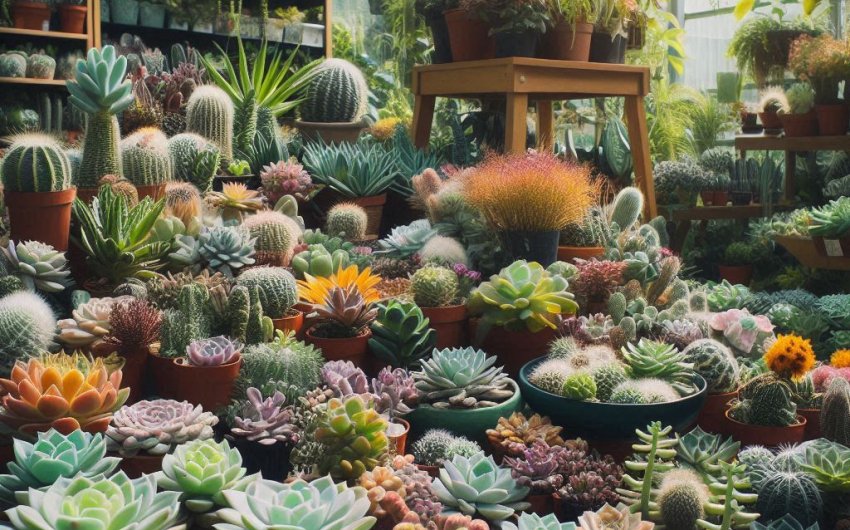
Succulents! They are so popular these days, and it's easy to see why. These unique plants are known for their thick, fleshy leaves that store water. This makes them incredibly drought-tolerant and perfect for busy people or anyone who wants beautiful plants without a lot of fuss. If you’ve ever wanted to add a touch of green to your home but worry about keeping plants alive, indoor succulents might be your answer. They come in so many shapes, sizes, and colors, from the classic echeveria with its rose-like shape to the spiky haworthia and the trailing string of pearls. Growing them indoors is very rewarding, and with a few simple tips, you can help them thrive. Let’s dive into how to make your home a happy place for these amazing plants!
What Kind of Light Do Indoor Succulents Need?
Light is perhaps the most important thing for succulents. Think about where they come from in nature: sunny, dry places like deserts. Because of this, succulents need lots of bright light to grow well indoors.
How Much Direct Sunlight is Enough?
Most succulents need at least six hours of direct sunlight per day. This means they should be in a spot where the sun’s rays hit their leaves directly for a good portion of the day. A south-facing window is usually the best spot in most homes. An east-facing window can also work, especially for succulents that prefer a bit less intense afternoon sun. West-facing windows get strong afternoon sun, which can be great for many varieties, but keep an eye out for sunburn on very sensitive types. North-facing windows usually don’t provide enough light for most succulents, making them etiolate (stretch out and become leggy) as they reach for light.
What Are Signs of Not Enough Light?
If your succulents aren't getting enough light, they will tell you! One common sign is etiolation. This means the plant starts to stretch out, and the spaces between its leaves become longer. It's like the plant is stretching its neck to find more light. The beautiful, compact shape you loved will disappear. Another sign is the color fading. Many succulents show vibrant reds, pinks, or purples when they get enough sun. In low light, these colors often disappear, and the plant becomes a duller green. Weak, flimsy leaves can also be a sign of insufficient light.
Can Grow Lights Help with Light Issues?
Absolutely! If you don't have a spot with enough natural light, grow lights are a fantastic solution. LED grow lights are energy-efficient and don't get too hot, making them ideal for succulents. Look for a full-spectrum grow light to give your plants all the different types of light they need for healthy growth. Position the grow light about 6-12 inches above your succulents, depending on the strength of the light and the type of succulent. You can use a simple timer to give them 12-16 hours of light per day. A good option is a full-spectrum LED grow light that you can find online.
How Often Should I Water My Indoor Succulents?
Watering is where many new succulent owners go wrong. It’s easy to overwater, and that’s the fastest way to kill a succulent. Remember, these plants are designed to store water, so they don’t need it very often.
What is the "Soak and Dry" Method?
The "soak and dry" method is the golden rule for watering succulents. When it's time to water, give the plant a good, thorough soak. Water until it drains out of the bottom of the pot. This makes sure all the roots get a drink. After watering, let the potting mix dry out completely before you water again. This is crucial! You can check if the soil is dry by sticking your finger about an inch or two into the soil. If it feels moist, wait. If it feels dry, it's time to water again. This method prevents root rot, which is the most common killer of succulents.
How Do I Know When My Succulent Needs Water?
Besides checking the soil, your succulent will give you clues. Its leaves might start to look a little wrinkly or feel less plump than usual. They might also feel softer. These are signs that the plant is using up its stored water and is thirsty. Don't wait until the leaves are shriveled and crispy, but definitely don't water if the leaves look plump and firm. The frequency of watering will depend on many factors: the type of succulent, the size of the pot, the type of soil, the humidity in your home, and how much light it’s getting. In general, you might water every 2-4 weeks in the warmer months and even less often in winter, maybe every 4-6 weeks or even longer. When in doubt, it’s always better to underwater than to overwater.
What Type of Water is Best?
Most tap water is fine for succulents. If your tap water is very hard or heavily chlorinated, you might consider letting it sit out for 24 hours to allow some of the chlorine to evaporate, or use filtered water. However, for most people, regular tap water works perfectly well. Just make sure it’s room temperature, not ice cold or hot.
What Kind of Soil and Pots Do Succulents Need?
The right soil and pot are just as important as light and water for healthy succulents. They need excellent drainage.
Why is Drainage So Important?
Succulents hate sitting in soggy soil. Their roots will quickly rot if they are constantly wet. Good drainage means that excess water can easily flow away from the roots. This is why well-draining soil and pots with drainage holes are non-negotiable for succulents.
What is the Best Potting Mix for Succulents?
Do not use regular potting soil for succulents. It holds too much moisture. You need a special succulent and cactus potting mix. This type of soil is formulated to drain quickly and dry out faster. It usually contains ingredients like perlite, pumice, or coarse sand mixed with a small amount of organic material. These additives create air pockets in the soil, preventing water from pooling around the roots. You can buy pre-made succulent and cactus soil or make your own by mixing regular potting soil with equal parts perlite or pumice. For instance, you could use a bag of Miracle-Gro succulent potting mix.
What Kind of Pots Should I Use?
Pots with drainage holes are essential. Terracotta pots are a popular choice because they are porous, meaning they allow water to evaporate through the sides of the pot, helping the soil dry out faster. Ceramic pots with drainage holes and glazed pots with drainage holes also work well. Avoid pots without drainage holes, as these are almost guaranteed to lead to root rot. If you absolutely love a pot without a hole, you can use it as a cachepot (a decorative outer pot) and keep your succulent in a smaller, inner pot with drainage. Then, just remove the inner pot for watering. The size of the pot matters too. Don’t put a tiny succulent in a giant pot, as the large amount of soil will hold too much moisture. Choose a pot that is just slightly larger than the succulent's root ball.
How Do I Fertilize and Maintain My Succulents?
While succulents are relatively low-maintenance, a little care in these areas can help them thrive.
Do Succulents Need Fertilizer?
Succulents don't need a lot of fertilizer. They are not heavy feeders. In fact, too much fertilizer can harm them. If you want to fertilize, do it sparingly during their growing season, which is usually spring and summer. Use a balanced liquid fertilizer diluted to half or even quarter strength. Fertilize only once or twice a year, at most. Do not fertilize in the fall or winter when the plants are typically dormant (resting). A good option is a succulent plant food liquid fertilizer.
How Do I Repot a Succulent?
Repotting is generally needed when your succulent outgrows its pot, typically every 1-2 years. Gently remove the succulent from its old pot. If the roots are tightly packed, you can loosen them a bit. Place some fresh succulent potting mix in the new pot, position the plant, and fill in around the roots with more soil. Don't water immediately after repotting; wait a few days to a week. This allows any damaged roots to heal and reduces the risk of root rot.
When Should I Prune My Succulent?
You might want to prune your succulent to remove dead or dying leaves, to encourage a bushier shape, or to "behead" an etiolated succulent (cut off the top part) to start a new, compact plant. Use clean, sharp scissors or a knife for pruning. Allow any cuts to callus over (dry and form a scab) for a few days before replanting or watering to prevent rot.
How Can I Protect My Succulents from Pests and Diseases?
Even tough succulents can sometimes fall victim to pests or diseases. Knowing what to look for and how to act can save your plants.
What are Common Succulent Pests?
The most common pests for indoor succulents are mealybugs and spider mites. Mealybugs look like tiny, white, cottony spots, often found in the crevices of leaves or on stems. They suck the sap from the plant, making it weak. Spider mites are tiny and hard to see, but you might notice fine webbing on your plant, especially between leaves or around stems. They also cause tiny yellow or white spots on the leaves. If you spot pests, isolate the affected plant immediately to prevent them from spreading to your other plants.
How Do I Treat Succulent Pests?
For mealybugs, you can dip a cotton swab in rubbing alcohol and gently wipe them off. For a larger infestation, you might need to spray the plant with insecticidal soap or a diluted neem oil solution. Repeat treatments every few days until the pests are gone. For spider mites, increase the humidity around the plant if possible, as they prefer dry conditions. You can also spray with insecticidal soap or neem oil. A gentle rinse with a strong stream of water can sometimes dislodge them, but be careful not to overwater the soil. Make sure to buy a ready-to-use neem oil spray for plants.
What About Fungal Diseases?
The most common disease in succulents is root rot, caused by overwatering. The signs are usually mushy, black stems or leaves, and a bad smell. Unfortunately, once root rot is severe, it's very hard to save the plant. Prevention is key: always use well-draining soil and pots with drainage holes, and follow the "soak and dry" watering method. If you catch root rot early, you might be able to save parts of the plant by cutting away all affected areas and propagating healthy pieces.
How Do I Propagate My Succulents?
One of the most exciting things about succulents is how easy they are to propagate, meaning you can grow new plants from existing ones!
What is Leaf Propagation?
Leaf propagation is perhaps the easiest way to make new succulent babies. Gently twist a healthy leaf from the mother plant. Make sure you get the entire leaf, including the part that was attached to the stem, without tearing it. Lay the leaves on top of dry succulent potting mix in a shallow tray. Don't bury them. Place the tray in a bright spot, out of direct sun. In a few weeks, you should see tiny roots and a tiny plantlet forming at the base of the leaf. Once the original leaf shrivels up and the new plant is a decent size, you can gently pot it up. This process can take several weeks or even months, so be patient!
How to Propagate from Cuttings?
Stem cuttings are another popular method, especially for taller or leggy succulents. Cut a healthy stem about 2-4 inches long, making sure it has a few leaves on it. Remove any lower leaves that would be below the soil line. Allow the cutting to callus over for 2-7 days in a dry, airy spot. This prevents rot when you plant it. Once the cut end is dry, stick the cutting into dry succulent potting mix. You can mist the soil very lightly every few days, but don't water thoroughly until roots have formed, which usually takes a few weeks. You can gently tug on the cutting after a few weeks; if there’s resistance, it has rooted!
Can I Propagate from Pups or Offsets?
Many succulents produce "pups" or "offsets," which are tiny clones that grow around the base of the mother plant. These are the easiest to propagate. When the pup is a decent size (usually at least an inch or two tall), gently twist or cut it away from the mother plant. If it has roots, you can plant it directly into dry succulent potting mix. If it doesn't have roots, treat it like a stem cutting and allow it to callus over before planting. These pups often root very quickly.