
What causes black leaves on peace lilies?
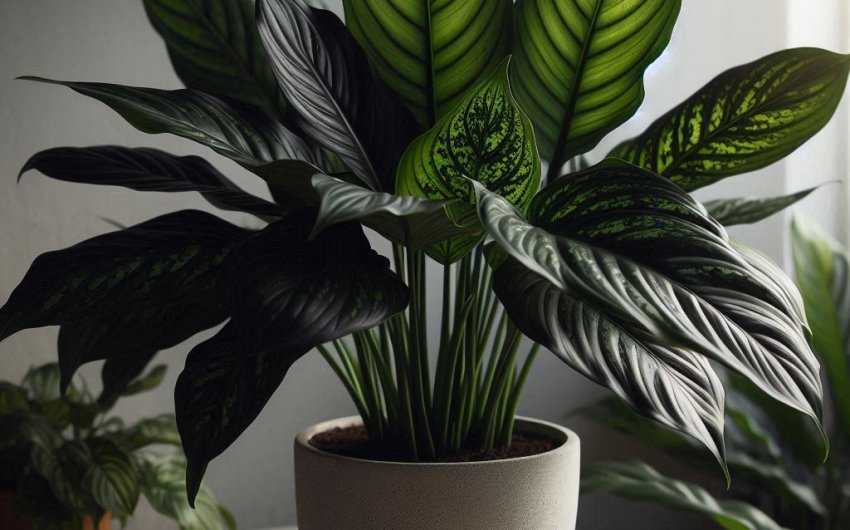
The elegant Peace Lily (Spathiphyllum) is a favorite houseplant, beloved for its glossy green leaves, striking white spathes (which are often mistaken for flowers), and its reputation as an easy-care, air-purifying plant. It brings a touch of calm and sophistication to any indoor space. So, it can be quite alarming and concerning when you notice your beautiful Peace Lily leaves turning black. Is it dying? Are you doing something terribly wrong? Don't despair! Black leaves on Peace Lilies are a common cry for help from your plant, and usually, they're a clear signal that something in its environment or care routine needs immediate attention.
This guide will help you understand the most common reasons what causes black leaves on Peace Lilies. We'll break down the different clues your plant is giving you, from watering woes to temperature stress and nutrient issues. By learning to "read" your plant's signals, you can quickly identify the problem and provide the right solution, bringing your Peace Lily back to its vibrant, healthy glory!
Understanding Black Leaves on Peace Lilies
Black leaves on Peace Lilies are a clear sign of cell death in the plant tissue. This happens when cells are severely damaged by external factors, leading to the discoloration and eventual decay of the leaf.
What Does "Black Leaves" Look Like?
The black discoloration can appear in various ways:
- Black Tips: The very tip of the leaf turns black, often crispy or mushy.
- Black Edges: The perimeter of the leaf turns black.
- Black Spots or Patches: Isolated black spots on the leaf blade.
- Entire Leaf Turning Black: In severe cases, especially from rot, the whole leaf can turn black and mushy.
Is All Blackening Bad?
A very old leaf might slowly decline and show some discoloration before it drops off, but rapid or widespread blackening is always a sign of stress that needs investigation. Unlike a bit of yellowing which can be normal, black is usually a more urgent signal.
Common Reasons Why Your Peace Lily Leaves Are Turning Black
Let's dive into the most frequent culprits behind black leaves on Peace Lilies and how to fix them.
1. Overwatering (The Most Common Culprit and Most Damaging!)
Peace Lilies prefer consistently moist soil, but they absolutely hate to sit in soggy, waterlogged conditions. Overwatering is the #1 reason for black leaves and can quickly lead to root rot.
- Symptoms:
- Leaves (especially lower, older ones) turn black and often mushy or soggy. This blackening usually starts from the tips or edges and spreads inward.
- Plant wilts, even though the soil is wet.
- Foul, rotten smell from the soil (a sure sign of severe root rot).
- Soil stays wet for a very long time after watering.
- Why it happens: Constantly saturated soil suffocates the roots, depriving them of oxygen. This leads to the roots decaying, making them unable to absorb water and nutrients, effectively drowning the plant even though it's surrounded by water. The black color is from tissue death and decay.
- Solution:
- Check Soil Moisture: Always stick your finger 2-3 inches deep into the soil. Only water your Peace Lily when the top few inches feel slightly dry. The plant will also start to show a very subtle droop when it's thirsty. A moisture meter can also be very helpful.
- Improve Drainage: Ensure your pot has drainage holes, and always empty any standing water from the saucer immediately after watering. Consider repotting into a chunkier, well-draining potting mix for tropical plants (mix with perlite, orchid bark, or coco coir).
- Root Rot Treatment (if suspected): Carefully remove the plant from its pot. Inspect the roots: healthy roots are white or tan and firm; rotting roots are black, brown, mushy, and smelly. Prune away all rotten roots with clean, sharp pruning shears. Repot into fresh, dry potting mix. Delay watering for a few days to a week to allow roots to heal.
2. Underwatering (Extreme Dehydration)
While Peace Lilies are known to droop dramatically when thirsty (a clear signal), prolonged and severe underwatering can lead to irreversible damage and blackening.
- Symptoms:
- Leaves turn black, starting from the tips or edges, and become crispy. This typically happens after the plant has already been severely droopy for a while.
- The entire plant may appear shriveled and lifeless.
- Soil is bone dry and hard.
- Why it happens: Without enough water, the cells in the leaves (especially the tips, furthest from the roots) dehydrate and die.
- Solution:
- Water Thoroughly Immediately: If your Peace Lily is severely wilted from underwatering, water it deeply until water drains from the bottom. If the soil is very hydrophobic (repels water), you may need to bottom-water it (place the pot in a tub of water for 30-60 minutes).
- Adjust Watering Schedule: Establish a consistent watering routine based on checking the soil moisture. Peace Lilies are generally good at telling you when they need water by drooping slightly.
3. Too Much Direct Sunlight (Sunburn)
Peace Lilies prefer low to medium, indirect light. Too much direct sun can severely damage their leaves.
- Symptoms:
- Leaves turn black or dark brown in patches where direct sun hits them. The damage often looks like a burn.
- Leaves may also appear bleached or faded in affected areas.
- New growth might be stunted or distorted.
- Why it happens: The intense heat and UV rays from direct sunlight literally scorch the delicate leaf tissue, causing cells to die and turn black.
- Solution:
- Move to Indirect Light: Relocate your Peace Lily to a spot with medium to low, indirect light. An east-facing window is often ideal, or a few feet away from a north-facing window. Avoid placing it directly in a south or west-facing window, especially during peak sun hours. Filter harsh direct light with sheer curtains.
4. Temperature Extremes or Cold Drafts
Peace Lilies are tropical plants and are very sensitive to cold.
- Symptoms:
- Leaves rapidly turn black and mushy, especially if exposed to freezing temperatures or severe cold drafts.
- General wilting or limpness.
- Can affect entire leaves or sections of the plant.
- Why it happens: Cold temperatures damage and burst plant cells, leading to black, mushy, dead tissue.
- Solution:
- Stable Environment: Keep your Peace Lily in a room with consistent temperatures, ideally between 65-80°F (18-27°C).
- Avoid Drafts: Move plants away from open windows, external doors, air conditioning vents, or heating vents. Do not place them near radiators or fireplaces. Protect them from cold blasts when transporting from a nursery.
5. Chemical Burn (Fertilizer or Tap Water Issues)
An excess of certain chemicals can cause localized tissue damage and blackening.
- Symptoms:
- Black or brown tips and edges, often accompanied by crispy texture.
- White crusty residue on the soil surface or pot rim (a strong indicator of mineral salt buildup).
- Why it happens:
- Over-fertilization: Too much fertilizer (especially synthetic ones) can burn the roots and overload the plant with salts, leading to tip burn.
- Poor Water Quality: Tap water containing high levels of chlorine, chloramines, or excessive mineral salts (hard water) can accumulate in the soil over time and cause toxicity.
- Solution:
- Fertilize Moderately: Peace Lilies are not heavy feeders. Fertilize sparingly during the growing season (spring and summer) with a balanced liquid houseplant fertilizer at half or quarter strength, perhaps once a month.
- Flush Soil: Periodically (every 2-3 months), "flush" the soil to leach out mineral buildup. Water the plant thoroughly for several minutes until a large amount drains out of the bottom. This washes away excess salts.
- Improve Water Quality: Use filtered water, distilled water, or collected rainwater if your tap water is very hard or heavily chlorinated. You can also let tap water sit out for 24 hours to allow chlorine to dissipate (though this won't remove fluoride or mineral salts).
6. Pests or Disease (Less Common for Widespread Blackening, but Possible)
While less common to cause widespread blackening, severe pest infestations or fungal diseases can lead to localized black spots or overall plant decline.
- Symptoms:
- Specific black spots with a defined margin (fungal diseases).
- Sticky residue, webbing, or visible insects (pests).
- Overall unhealthy appearance.
- Why it happens: Pests suck sap and damage plant tissue. Fungal diseases cause cell death.
- Solution:
- Inspect Thoroughly: Check both sides of leaves, stems, and soil for any signs of pests (spider mites, mealybugs) or fungal spots.
- Isolate: Immediately separate an affected plant.
- Treatment:
- For pests: Wipe leaves with rubbing alcohol, or use insecticidal soap or neem oil spray.
- For fungal issues: Ensure good air circulation, reduce humidity, and remove affected leaves. Consider a fungicide if the problem persists (ensure it's safe for Peace Lilies).
Quick Checklist for Black Leaves on Peace Lilies
When you see your Peace Lily leaves turning black, run through this quick checklist:
- Watering: Is the soil too wet (most likely!) or too dry?
- Light: Is it getting too much direct sunlight?
- Temperature/Drafts: Has it been exposed to cold?
- Chemicals/Nutrients: Over-fertilizing? Hard water?
How to Treat Black Leaves on Peace Lilies (Practical Steps)
Once you've identified the most likely cause, here's how to fix it and help your Peace Lily recover.
- Assess Your Watering (The First Priority): This is the most crucial step. Adjust your watering frequency and method based on whether you're overwatering (let dry more) or underwatering (water thoroughly). Ensure proper drainage and empty saucers.
- Inspect Roots (If Overwatering Suspected): If the soil is constantly soggy, or the plant is wilting despite wet soil, unpot and check for root rot. Prune diseased roots and repot into fresh, well-draining soil.
- Optimize Light: Move your plant to a spot with medium to low, indirect light. Avoid any direct sun exposure.
- Ensure Stable Temperature: Keep your Peace Lily away from cold drafts, open windows, and heating/cooling vents.
- Address Chemical Buildup: If using tap water, consider filtered water or flushing the soil periodically. Fertilize sparingly and dilute properly.
- Prune Damaged Leaves (Cosmetic): Once you've addressed the underlying issue, use clean, sharp pruning shears to carefully trim off the entirely black or severely damaged leaves. Cut close to the base of the stem. This is for aesthetics and to direct plant energy to healthy growth, but it won't solve the root problem.
- Monitor Closely: After making adjustments, carefully watch your Peace Lily for new black spots or signs of improvement. Be patient, recovery can take time.
By systematically going through these potential causes and applying the appropriate solutions, you'll be well-equipped to understand what causes black leaves on Peace Lilies and help your beautiful plant return to its lush, vibrant self!