
How to fix leggy growth in tomato seedlings?
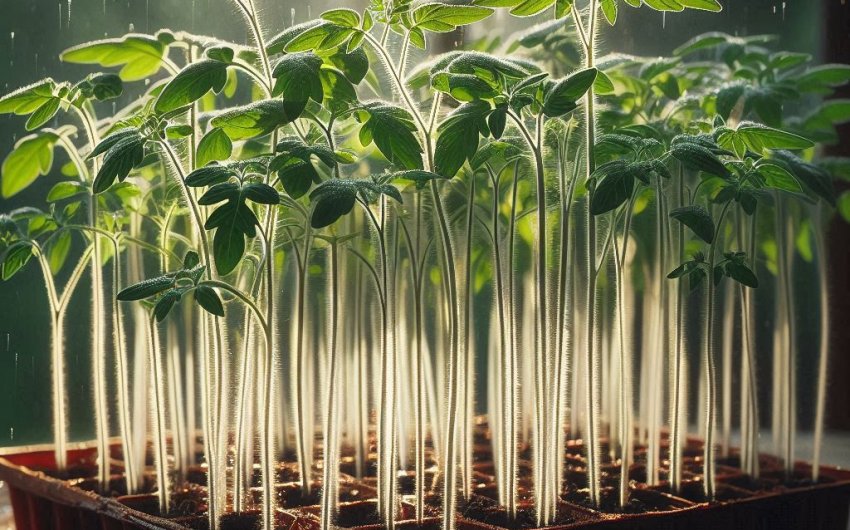
Starting tomato seedlings indoors is a fantastic way to get a head start on your garden season, ensuring strong, healthy plants ready for transplanting. There’s nothing quite like watching those tiny sprouts emerge! However, many gardeners, especially beginners, often encounter a common and frustrating problem: leggy tomato seedlings. These are seedlings that have long, thin, weak stems with sparse leaves, making them prone to toppling over and less likely to thrive. It’s disheartening to see your little plants reaching desperately for something they're not quite getting.
The good news is, leggy growth in tomato seedlings is almost always fixable, and more importantly, preventable! Understanding the underlying causes is key to getting your tomato plants back on track and ensuring they grow into robust, productive plants. This guide will help you understand what causes legginess, how to address it with effective solutions, and crucial prevention tips to ensure your future tomato seedlings grow up strong and stocky. Get ready to give your tomato plants the best start possible!
Understanding Leggy Growth in Tomato Seedlings
Leggy growth, also known as "etiolation" in botany, is the plant's response to inadequate growing conditions. It's an emergency stretch for survival.
What Does Leggy Growth Look Like?
- Long, Thin Stems: The most defining characteristic. The stem between the seed leaves (cotyledons) and the first true leaves is unusually long and stretched.
- Sparse Leaves: Leaves are few, small, and widely spaced along the stem.
- Pale Color: Stems and leaves may appear paler green or even yellowish due to lack of chlorophyll.
- Weakness: The stems are often too weak to support the plant, causing it to flop over.
Why Do Seedlings Get Leggy?
Leggy growth is almost always the seedling's desperate attempt to find more light. Plants need light for photosynthesis (producing energy). When light is insufficient, the seedling "thinks" it's trapped under something and stretches rapidly to try and find a brighter spot. This stretching comes at the expense of stem thickness and leaf development.
Top Causes of Leggy Growth in Tomato Seedlings
Let's dive into the most common culprits behind leggy growth in tomato seedlings and how to prevent them.
1. Insufficient Light (The #1 Culprit!)
This is, by far, the most common reason for leggy tomato seedlings.
- The Problem: Tomato seedlings need a lot of bright light to grow stocky and strong. A sunny windowsill often isn't enough, especially during winter or early spring when daylight hours are short or sunlight is weak. Glass windows block significant amounts of light, and plants often only get light from one side, causing them to stretch towards it.
- Symptoms: Long, thin stems, weak growth, pale leaves, and plants bending sharply towards a light source.
- Why it happens: The seedling is literally stretching to find more intense light for photosynthesis.
- Solution:
- Use Grow Lights: This is the most effective solution. Invest in a dedicated LED grow light for seedlings. Hang it 2-4 inches above the top of the seedlings.
- Proper Lighting Duration: Provide 14-16 hours of light per day. Use a timer for consistency.
- Adjust Height: As seedlings grow, raise the grow light to maintain the 2-4 inch distance. If using natural light, rotate plants daily to ensure even exposure.
2. Warm Temperatures (Encourages Rapid Stretching)
Combined with insufficient light, warm temperatures can exacerbate legginess.
- The Problem: Warm temperatures tell the seedling it's growing season and to grow fast. If it's also low light, it'll grow fast and leggy. Ideal temperatures for tomato seedlings are slightly cooler than typical room temperatures once they've sprouted.
- Symptoms: Rapid, weak, stretched growth, especially if paired with inadequate light.
- Why it happens: Warmth stimulates rapid cell elongation. Without enough light to balance this growth, the cells stretch vertically instead of growing robustly.
- Solution:
- Cooler Temperatures: Once seeds have sprouted, aim for cooler ambient temperatures for your seedlings, ideally 65-70°F (18-21°C) during the day and slightly cooler at night (around 60-65°F / 15-18°C). A seedling heat mat is great for germination but should be removed once sprouts emerge.
- Good Airflow: Ensure good air circulation around your seedlings. A small clip-on fan can strengthen stems and help prevent damping-off disease.
3. Over-Fertilization (Too Much of a Good Thing)
While rare for very young seedlings, too much nitrogen can encourage excessive leafy growth at the expense of stem strength.
- The Problem: Fertilizers, especially those high in nitrogen, tell plants to produce lots of green leafy growth. If applied too early or too heavily, it can make seedlings grow too fast and weak.
- Symptoms: Very rapid, pale green growth, often leggy.
- Why it happens: Excessive nitrogen pushes the plant to grow vertically without adequate light or stem development to support it.
- Solution:
- Fertilize Sparingly: Young tomato seedlings generally don't need fertilizer for the first 2-3 weeks, as they use energy stored in the seed.
- Dilute Strength: When you do fertilize (after a few sets of true leaves appear), use a balanced liquid seedling fertilizer at half or even quarter strength.
- Avoid High Nitrogen: Choose a fertilizer balanced for overall plant growth, not just leafy greens.
4. Overcrowding (Competition for Resources)
If too many seeds are planted too closely together, they will compete for light, water, and nutrients.
- The Problem: Closely spaced seedlings will stretch and become leggy as they try to outcompete their neighbors for any available light.
- Symptoms: Multiple seedlings in one spot, all appearing thin and stretched.
- Why it happens: Each seedling is trying to reach the light source above the others.
- Solution:
- Thin Seedlings: Once your seedlings have their first set of true leaves, thin them out. Snip off the weaker seedlings at the soil line with small pruning snips, leaving only the strongest plant per cell or pot. Don't pull them, as this can disturb the roots of the keepers.
- Proper Spacing: Plant seeds with adequate spacing from the start.
How to Fix Leggy Growth in Tomato Seedlings (Actionable Steps)
Once your tomato seedlings have become leggy, don't despair! You can often save them.
1. Increase Light Immediately! (The Most Important Fix)
- Move Your Light: If using grow lights, lower them so they are 2-4 inches above the tallest seedling. Adjust daily as they grow.
- Consistent Schedule: Ensure lights are on for 14-16 hours per day.
- Rotate Plants: If using natural light, rotate your seed trays every day or two to give all sides of the plants equal light exposure.
2. Bury the Stem During Transplanting
This is a fantastic trick unique to tomatoes!
- How it works: Tomato stems are unique because they can grow roots directly from the stem when buried. This means you can plant leggy seedlings much deeper than normal.
- When to do it: When you're ready to "pot up" your seedlings into larger containers (e.g., from small seed cells to 4-inch pots) or when transplanting them outdoors.
- Steps:
- Gently remove the leggy seedling from its current container.
- Carefully pinch off or prune any leaves on the lower portion of the stem.
- Dig a deep hole in the new pot or garden bed.
- Place the seedling in the hole so that only the top 1-2 sets of true leaves are above the soil line. The majority of the bare, leggy stem will be buried.
- Fill in the hole with fresh potting mix or garden soil.
- Water thoroughly.
- Benefits: The buried stem will develop new roots, making the plant much stronger, more stable, and more resilient.
3. "Pot Up" Your Seedlings Deeper (Early Stage Legginess)
If your seedlings are just starting to get leggy but aren't ready for their final outdoor spot, you can pot them into larger containers and bury them deeper.
- How to do it: When moving from seed cells to 4-inch pots, transplant them deeper, burying part of the leggy stem. This gives them more stability and encourages new root growth before they go outside.
4. Provide Support (Temporary Fix)
For very tall and flimsy seedlings that are still stretching, you might need temporary support.
- Gentle Staking: Use a bamboo skewer or a thin stick gently tied to the stem with soft plant ties.
- Avoid Tight Ties: Don't tie too tightly, as this can constrict the stem.
- Remember: This is a temporary solution; it won't fix the underlying cause of legginess.
5. "Harden Off" Properly
Hardening off is the process of gradually acclimating indoor seedlings to outdoor conditions before transplanting.
- Why it helps: Exposure to gentle breezes and slightly fluctuating temperatures outdoors (during hardening off) strengthens stems, making them tougher and less prone to legginess.
- Process: Over 7-14 days, gradually increase the time seedlings spend outdoors in a sheltered spot, starting with just an hour or two in indirect light, building up to full sun and longer periods. Bring them in if temperatures drop below 45-50°F (7-10°C).
Preventing Leggy Growth in Tomato Seedlings (The Best Approach!)
Prevention is always better than a cure. Implement these tips from the very beginning for stocky, healthy tomato seedlings.
1. Provide Adequate Light from Day One
- Invest in Grow Lights: This is by far the most crucial investment. Full-spectrum LED grow lights are energy-efficient and effective.
- Proper Distance: Hang lights 2-4 inches above the top of your seedlings. Adjust the height as they grow, moving the lights up daily.
- Lighting Duration: Provide 14-16 hours of light per day. Use an outlet timer for consistency.
- Reflective Surfaces: Place white cardboard or Mylar sheets around your seedlings to reflect light back onto them, maximizing light exposure.
2. Maintain Optimal Temperatures
- Warm for Germination, Cooler for Growth: Use a seedling heat mat to maintain ideal temperatures (75-85°F / 24-29°C) for quick seed germination.
- Remove Heat Mat After Sprouting: Once sprouts emerge, remove them from the heat mat and move them to a cooler spot, ideally 65-70°F (18-21°C) during the day and slightly cooler at night. This cooler temperature combined with bright light encourages stockier growth.
3. Ensure Good Air Circulation
- Strengthen Stems: Use a small clip-on fan to gently blow air over your seedlings for a few hours each day. This simulates outdoor breezes, helping stems grow thicker and stronger.
- Prevent Damping-Off: Good airflow also helps prevent fungal diseases like "damping-off," which can kill young seedlings.
4. Provide Proper Potting Mix and Drainage
- Sterile Seed-Starting Mix: Use a lightweight, sterile seed-starting mix that drains well. Avoid heavy garden soil.
- Drainage Holes: Always ensure your seed trays or pots have adequate drainage holes.
5. Thin Seedlings Properly
- Avoid Overcrowding: Once your tomato seedlings have developed their first set of true leaves, thin them. Snip off the weaker seedlings at the soil line, leaving only the strongest, healthiest plant per cell or spot. This prevents competition for light and resources.
By understanding the causes and implementing these preventative measures and fixes, you can successfully manage leggy growth in tomato seedlings and cultivate strong, healthy plants ready to produce abundant harvests in your garden! Happy growing!