
Why is my aloe vera turning mushy?
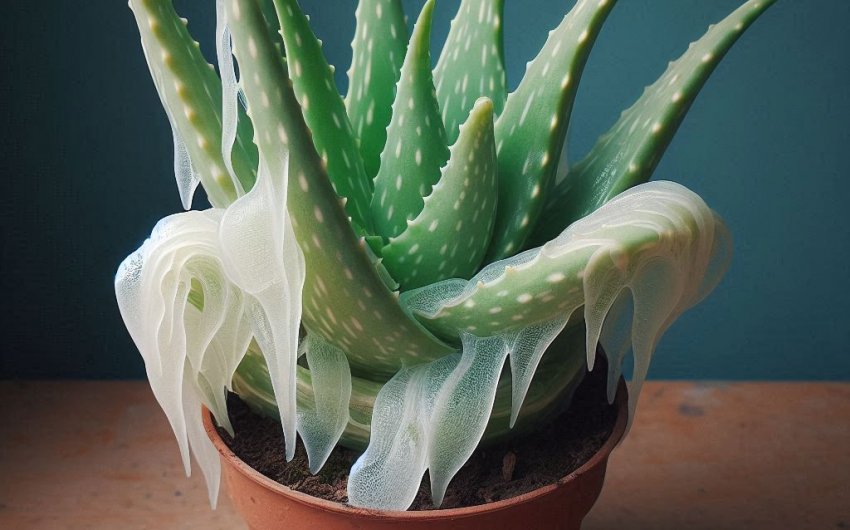
The Aloe Vera plant (Aloe barbadensis miller) is a household staple, cherished for its medicinal gel, striking succulent form, and reputation as an incredibly easy-to-care-for plant. It's often recommended for beginners and those who might forget to water regularly. So, it can be truly alarming and disheartening when you notice your resilient Aloe Vera turning mushy. Is it rotting? Is it beyond saving? Don't panic! Mushy Aloe Vera is a clear cry for help from your plant, and it's almost always a sign of a very common problem that, if caught early, can often be remedied.
This guide will help you understand the primary reasons why your Aloe Vera is turning mushy, breaking down the most frequent culprits from watering issues to temperature stress and improper soil. By learning to "read" your plant's signals, you can quickly identify the problem and provide the right solution, bringing your Aloe Vera back to its firm, healthy glory!
Understanding Mushy Aloe Vera
Mushy leaves or a mushy stem on an Aloe Vera plant are signs of severe cellular breakdown. This typically indicates that the plant's tissues are waterlogged and rotting.
What Does "Mushy" Look Like?
- Soft, Squishy Leaves: The healthy, firm, plump leaves become soft, squishy, or limp to the touch. They might feel like a water balloon that's about to burst, or just a deflated balloon.
- Translucent Appearance: Affected areas or entire leaves might look translucent or watery, as if they're oversaturated.
- Discoloration: The mushy parts often turn yellowish, brownish, or black.
- Foul Smell: In severe cases, especially if root rot is involved, you might notice a distinctly foul, rotten odor emanating from the soil or the base of the plant.
- Base Collapse: The entire plant may begin to collapse at the base, unable to support its own weight.
Why Does Aloe Vera Become Mushy?
Aloe Vera is a succulent, meaning it's evolved to store water in its leaves and stems to survive dry periods. Its tissues are not designed to sit in constant moisture. When an Aloe Vera becomes mushy, it almost universally points to excess moisture causing the plant to literally rot from the inside out.
Common Reasons Why Your Aloe Vera is Turning Mushy
Let's dive into the most frequent culprits behind mushy Aloe Vera and how to fix them.
1. Overwatering (The #1 Culprit and Most Damaging!)
This is, by far, the most common reason for mushy Aloe Vera. Aloe Vera plants are incredibly susceptible to overwatering.
- The Problem: Constantly wet soil suffocates the roots, depriving them of oxygen. This leads to the roots decaying (root rot), which then spreads to the rhizomes and up into the base and leaves of the plant. The plant literally drowns and rots.
- Symptoms:
- Leaves (especially lower, older ones, or those at the base of the plant) become soft, squishy, and mushy. They may turn yellow, brown, or black and become translucent.
- The entire plant may wilt or collapse, even though the soil is wet.
- Foul, rotten smell from the soil or plant base.
- Soil stays wet for a very long time after watering.
- Why it happens: You're watering too frequently, or giving too much water at once, and the soil isn't drying out.
- Solution:
- Check Soil Moisture: This is the most crucial step. Always stick your finger deep into the soil (at least 2-3 inches, or even deeper for larger pots). Only water your Aloe Vera when the soil is completely dry throughout the entire pot. For a succulent, it's always safer to underwater than overwater. A moisture meter can also be very helpful.
- Root Rot Treatment (if suspected): This is often necessary for mushy plants.
- Carefully remove the plant from its pot.
- Gently brush off as much old soil as possible.
- Inspect the roots and rhizomes (the fleshy underground stems from which leaves grow). Healthy roots are typically white or tan and firm. Rotting roots are black, brown, mushy, and smelly.
- Using clean, sharp pruning shears or a sharp knife, prune away all rotten, mushy, or discolored roots and any affected rhizome or leaf tissue. Cut back to healthy, firm tissue.
- Allow the trimmed roots and cut surfaces to "callus" or dry out for 2-3 days in a dry, airy spot. This prevents further rot when replanted.
- Repot into fresh, dry, well-draining potting mix specifically for succulents and cacti (see point 3 below).
- Do NOT water immediately after repotting. Wait at least a week (or even two) to allow the plant to settle and any disturbed roots to heal before giving its first light watering.
2. Improper Potting Mix (Too Heavy/Water Retentive)
Even if you try to water correctly, the wrong soil can doom an Aloe Vera.
- The Problem: Standard all-purpose potting mixes are often too dense and retain too much moisture for succulents like Aloe Vera. This keeps the roots perpetually wet, leading to the same problems as overwatering.
- Symptoms: Same as overwatering – mushy leaves, soggy soil, potential root rot.
- Why it happens: The soil doesn't allow for quick drainage and proper airflow around the roots.
- Solution:
- Repot with Proper Mix: Use a succulent and cactus potting mix. You can also make your own by mixing equal parts regular potting soil, perlite, and coarse sand or small gravel. This provides excellent drainage and aeration.
3. Lack of Drainage Holes in Pot (Trapped Water)
A common mistake, especially with decorative pots.
- The Problem: A pot without drainage holes will trap excess water at the bottom, creating a waterlogged zone that inevitably leads to root rot and mushy Aloe Vera.
- Symptoms: Identical to overwatering/root rot.
- Why it happens: There's no escape route for excess water.
- Solution:
- Always Use Drainage Holes: Ensure your pot has at least one, preferably multiple, drainage holes.
- "Cachepot" Method: If you must use a decorative pot without drainage, keep your Aloe Vera in a slightly smaller nursery pot (with drainage holes) inside the decorative pot (cachepot). Remove the plant from the cachepot when watering, let it drain completely, then place it back.
- Never Add Drainage Layer at Bottom: Do not add a layer of gravel or rocks at the bottom of a pot without drainage holes; this actually makes drainage worse by creating a perched water table.
4. Cold Temperatures or Freezing (Cell Damage)
Aloe Vera plants are very sensitive to cold and can become mushy if exposed to freezing temperatures.
- Symptoms:
- Leaves turn mushy, translucent, and often black, especially after exposure to cold.
- The damage can be widespread and rapid.
- Why it happens: Freezing temperatures cause water inside the plant's cells to expand, rupturing the cell walls. When the plant thaws, the damaged cells collapse, resulting in mushy, blackened tissue.
- Solution:
- Protect from Cold: Keep your Aloe Vera indoors when temperatures drop below 50°F (10°C). Ideal temperatures are between 65-80°F (18-27°C).
- Avoid Cold Drafts: Move plants away from open windows, external doors, or air conditioning vents. Don't place them too close to cold windowsills in winter.
5. Fungal/Bacterial Rot (Often Secondary to Overwatering)
While often triggered by overwatering first, once rot sets in, it can be exacerbated by fungal or bacterial pathogens.
- Symptoms:
- Localized mushy spots that spread rapidly.
- Black or brown discoloration that seems to spread quickly, sometimes with a very strong, unpleasant odor.
- Why it happens: Fungi and bacteria thrive in overly wet, stagnant conditions and attack weakened plant tissues.
- Solution:
- Address Overwatering First: This is the primary solution.
- Prune Affected Parts: Cut away all affected mushy or rotting tissue using sterilized pruning shears. Clean your shears with rubbing alcohol between each cut to avoid spreading pathogens.
- Improve Airflow: Ensure good air circulation around the plant.
How to Treat Mushy Aloe Vera (A Rescue Mission!)
If your Aloe Vera is already mushy, here’s how to attempt a rescue. Act quickly!
- Stop Watering Immediately: Do not give it another drop of water until the soil is bone dry.
- Unpot and Inspect Roots:
- Gently remove the plant from its pot.
- Brush off as much old, wet soil as possible.
- Examine the roots and rhizomes. Any parts that are black, brown, soft, or mushy are rotten and must be removed.
- Prune Affected Plant Tissue:
- Using a clean, sharp knife or pruning shears, cut away all mushy, translucent, or blackened leaf tissue. Cut back to healthy, firm, green tissue. If the main stem/rhizome is mushy, the plant may be beyond saving, but you can try to propagate healthy leaf cuttings (see below).
- Sterilize your cutting tool with rubbing alcohol before each cut to prevent spreading rot.
- Allow to Callus: This is a crucial step! After trimming all rotten parts, lay the Aloe Vera plant (or any healthy cuttings you took) in a dry, well-ventilated spot away from direct sun. Let the cut surfaces callus (dry and form a protective seal) for 2-5 days (or longer for large cuts). This prevents bacteria and fungi from entering the plant when it's repotted.
- Repot in Fresh, Dry, Well-Draining Soil:
- Choose a clean pot with drainage holes. Ensure it's not too large for the remaining healthy root ball.
- Use a proper succulent and cactus potting mix.
- Bury the roots (and any callused stem you plan to root) in the dry soil.
- Delay Watering: Do NOT water immediately after repotting. Wait at least a week (or even two weeks) for the plant to settle and potentially send out new roots. This encourages root growth and prevents further rot.
- Optimize Environment: Place your rescued Aloe Vera in a spot with bright, indirect light and stable, warm temperatures.
Propagating Healthy Cuttings (If the Main Plant is Too Far Gone)
If your entire Aloe Vera is mushy at the base, but you have a few healthy, firm leaves, you might be able to propagate them.
- Steps:
- Carefully cut a healthy, firm leaf close to the main plant.
- Allow the cut end to callus for several days (up to a week) in a dry, airy place.
- Once callused, place the cut end of the leaf into dry succulent potting mix.
- Do NOT water immediately. Wait 2-3 weeks, then begin very light watering (just a tiny bit to moisten the soil) once a month or less until roots form. This can take several weeks or months.
By understanding the causes of mushy Aloe Vera and acting quickly with proper care, you can often save your beloved plant and ensure it thrives for years to come!